Explore our premium product portfolio designed for natural gas purification, medical waste management, and heavy-duty industrial heat recovery.
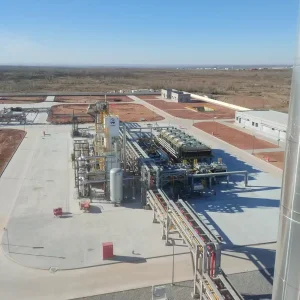
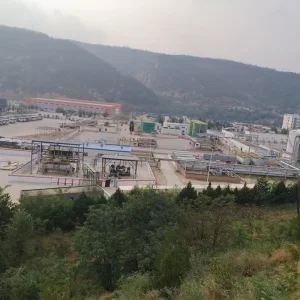
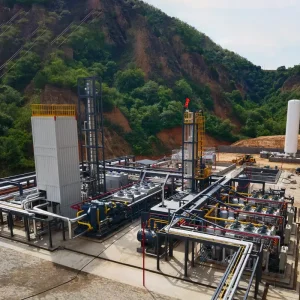
In modern industrial process engineering, the efficiency of thermal management systems determines not only structural operating costs but also environmental compliance and security limits. Stainless Steel (SS) heat exchangers (primarily fabricated using 304, 316L, Duplex 2205, and high-nickel alloys) serve as critical infrastructure components globally. They support petrochemical processing, cryogenic air separation, marine engineering, food processing, and medical waste management.
As industries worldwide transition towards carbon neutrality, there is an escalating demand for high-efficiency heat exchangers capable of handling corrosive environments, high pressures, and extreme temperatures. China has established itself as the global hub for heavy industrial manufacturing, leveraging localized supply chains for raw materials and engineering components. Consequently, Chinese SS heat exchanger factories offer high performance, rapid scaling, and competitive cost structures.
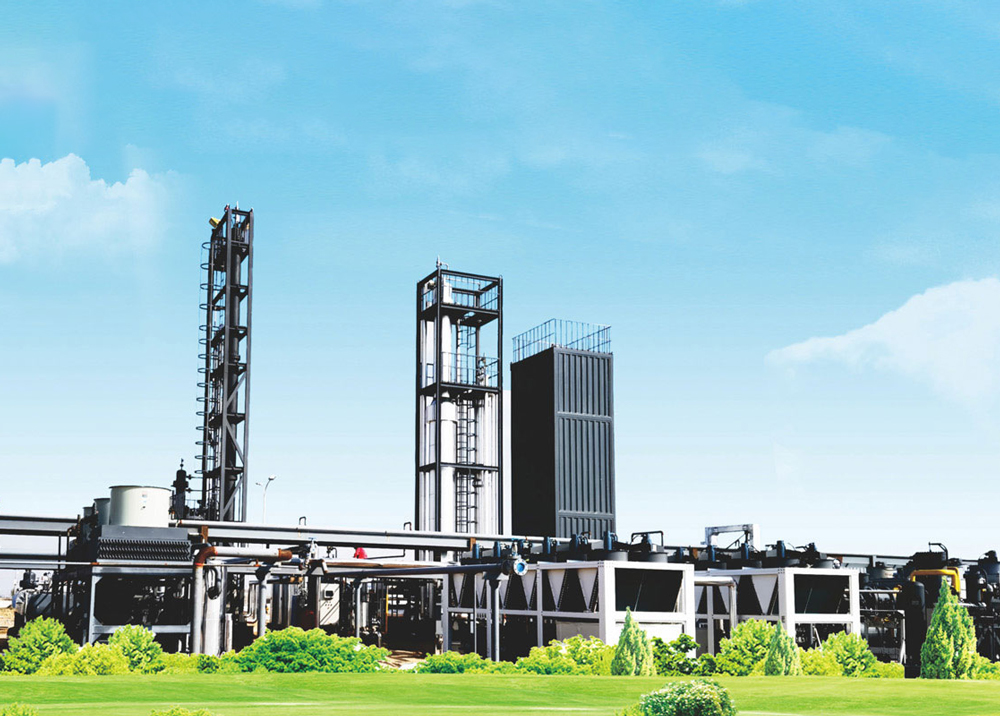
Aligning thermal efficiency with decarbonization, modularization, and harsh-environment durability.
B2B procurement is shifting toward plug-and-play skid-mounted systems that integrate piping, valves, instrumentation, and heat exchangers into a single, factory-tested structural steel frame. This format reduces installation schedules, lowers labor costs, and improves quality control.
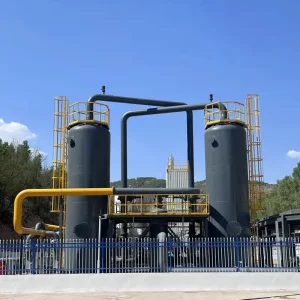
Processing acidic feed gas requires high-alloy heat exchangers. In deacidification and desulfurization units, wet H₂S and CO₂ concentrations lead to severe hydrogen-induced cracking (HIC) and stress corrosion cracking (SCC), necessitating specialized stainless steel grades like SS316L or Duplex SS.
LNG liquefaction and BOG helium extraction require temperatures below -180 °C. Shell and tube configurations, combined with plate-fin heat exchangers made from SS304/304L, maintain ductility and fracture toughness at near absolute zero, preventing structural failures.
Technical evaluation parameters guiding structural engineering designs for harsh processing conditions.
| Alloy Grade (ASTM) | Ultimate Tensile Strength | Maximum Operating Temp | Corrosion Resistance Index (PREN) | Primary Industrial Applications |
|---|---|---|---|---|
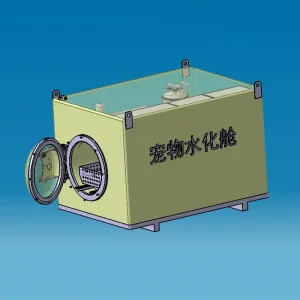
| SS304 / SS304L | ≥ 485 MPa | 800 °C (Oxidizing) | 18.0 - 20.0 | Standard pressure vessels, biological waste water, pet hydration chambers, BOG cooling loops. |
| SS316 / SS316L | ≥ 485 MPa | 850 °C | 23.1 - 28.5 | H₂S removal units, natural gas deacidification, VOC exhaust condensers, medical waste steam chambers. |
| Duplex 2205 (S32205) | ≥ 655 MPa | 300 °C (Limit) | 32.0 - 40.0 | High-pressure chloride environments, sour gas dehydration skid exchangers, geothermal process loops. |
| Super Duplex 2507 | ≥ 750 MPa | 310 °C | > 40.0 | Offshore platform gas extraction, high-salinity brine waste heat recovery, high-concentration acid lines. |
Established in June 2021 with a registered capital of 78 million yuan, Hebei Hongke Qingneng Environmental Protection Equipment Co., Ltd. is positioned as a leading R&D and manufacturing force in the industrial base of Sanhe Economic Development Zone, Langfang City. We focus on energy conservation, environmental protection, and custom thermal management system engineering.
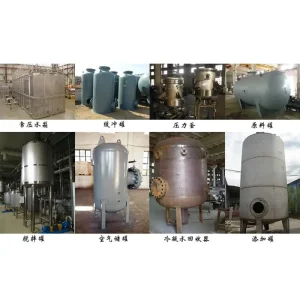
Our operations span the design, fabrication, testing, and delivery of custom pressure vessels, medical waste high-temperature steam treatment equipment, biological wastewater treatment systems, and skid-mounted solutions for gas treatment, including coalbed methane, shale gas, and natural gas purification. Additionally, we manufacture VOC treatment installations, chemical tail gas processors, industrial refrigeration machines, and BOG tail gas helium extraction equipment.
Equipped with an A2-level pressure vessel manufacturing license and a pressure piping component manufacturing license, our facilities maintain strict quality controls. Our production is certified under the GB/T19001-2016 Quality Management System and Sinopec HSSE / China Petroleum Health, Safety, and Environment Management System. We have also earned high-tech enterprise recognition and have been designated as a Langfang Municipal R&D Platform.
PhD, Institute of Physics and Chemistry Technology, Chinese Academy of Sciences (CAS). Senior National Engineer. Principal Investigator on China's National 863 Program and National Science Foundation projects. Awarded the Special Prize for Technological Invention by the Chinese Society of Refrigeration (2015) and the Beijing Science and Technology Award (2016).
PhD candidate, Senior Engineer at the Institute of Physics and Chemistry Technology, CAS. Manager of domestic and international projects under the "12th Five-Year Plan" national science initiatives. Co-author of 24 peer-reviewed academic papers (11 SCI/EI indexed) and holder of 5 national patents.
Doctor of Engineering, Institute of Physics and Chemistry Technology, CAS. Recipient of the Special Prize of the Science and Technology Award of the Chinese Refrigeration Society. Lead process engineer specializing in phase change heat transfer characteristics and multi-component mixed working fluid dynamics.
Demonstrating engineering adaptability across natural gas processing, biological containment, and high-efficiency cryogenic separation.
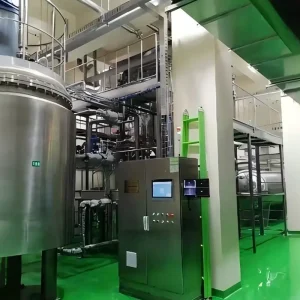
Installed in gas fields across southwestern China, our skid-mounted desulfurization and deacidification systems use SS316L heat exchangers to manage wet H₂S and CO₂ concentrations. These systems protect downstream transport networks from corrosion and environmental discharge.
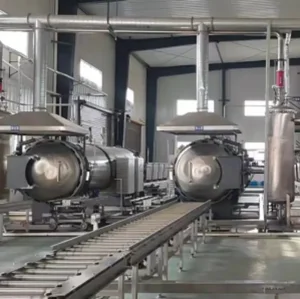
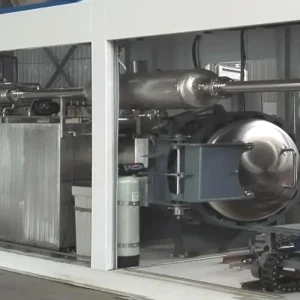
Our centralized high-temperature steam systems process pathological waste, live viral strains, and laboratory residues. The design relies on double-walled stainless steel pressure chambers to ensure containment during high-pressure thermal sterilization cycles.
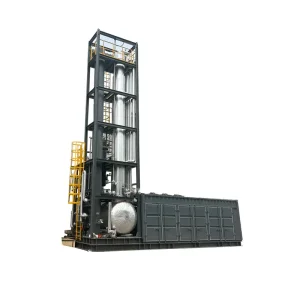
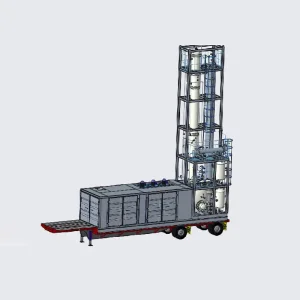
Our skid-mounted liquefaction solutions recover shale gas and coalbed methane from remote wells. Using a mixed refrigerant cycle designed in collaboration with CAS, these systems achieve operating temperatures below -160 °C.
Developing high-performance, compact, and corrosion-resistant heat exchange technologies.
Optimizing thermal transfer surfaces to manage phase changes in multi-component mixed refrigerants. This design increases cryogenic processing capacity while reducing structural size requirements.
Integrating micro-channel and printed circuit heat exchanger (PCHE) manufacturing methods to enable high-pressure operation (exceeding 20 MPa) in compact spaces.
Using finite element analysis (FEA) to model thermal stress distributions in high-temperature steam sterilization systems. This simulation extends structural service life under cyclic thermal loads.
Refining boil-off gas (BOG) helium extraction technology to enable domestic recovery of high-purity helium resources under ultra-low cryogenic conditions.
Addressing core mechanical, metallurgical, and certification queries for global B2B procurement managers.
Review additional system offerings designed for high-temperature waste management, custom pressure containment, and tail gas cleanup.
 Hongke Qingneng