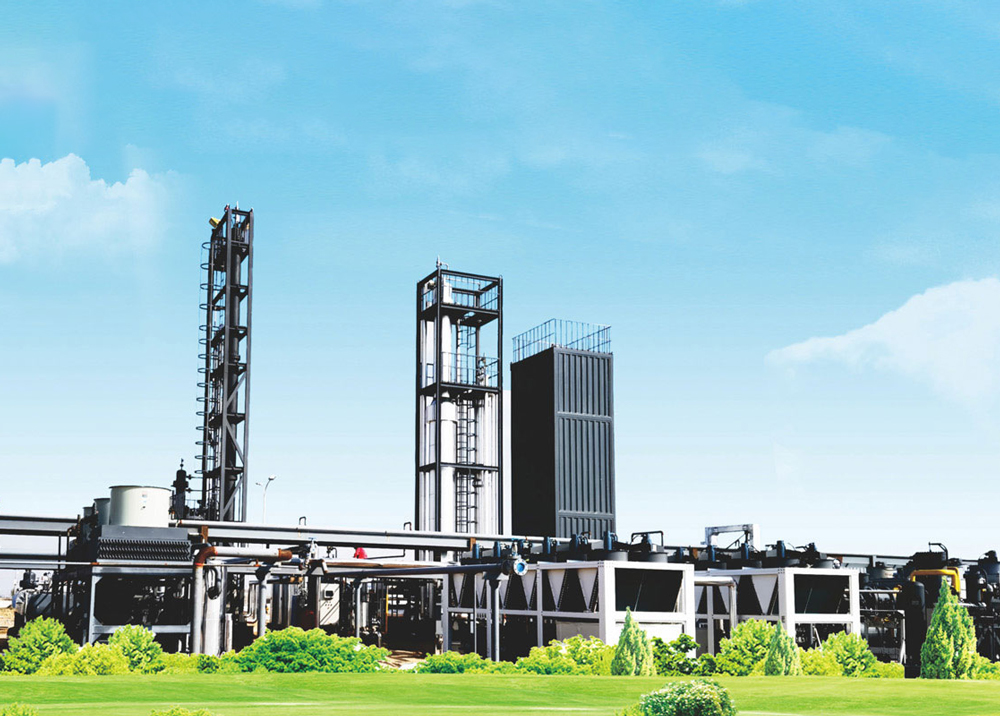
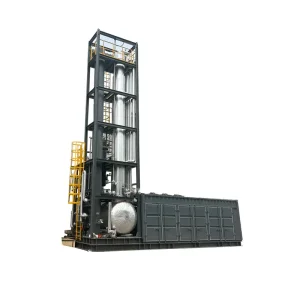
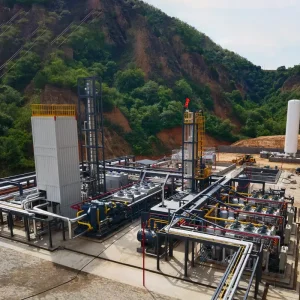
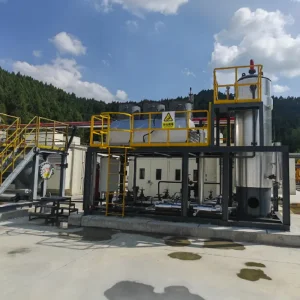
Thermal exchangers are the thermodynamic cardiovascular systems of modern processing plants. Whether operating at cryogenic extremes of -196°C in Helium extraction and LNG liquefaction or dealing with corrosive gases in sulfur removal processes, custom-engineered shell-and-tube, plate-fin, and skid-integrated heat exchangers determine a plant's overall energy conservation efficiency. In an era driven by global decarbonization targets, process optimization cannot rely on "one-size-fits-all" catalogue components.
Hebei Hongke Qingneng Environmental Protection Equipment Co., Ltd. (Registered Capital: 78 million Yuan) sits at the technological forefront of industrial heat exchange, environmental purification, and cryo-skid engineering. Collaborating with elite research institutes such as the Institute of Physics and Chemistry Technology, Chinese Academy of Sciences (CAS) and Tsinghua University, our technical team converts advanced academic research on multi-phase heat transfer and mixed refrigerants into high-performance, robust physical installations. Guided by strict adherence to the A2-level pressure vessel manufacturing standard, Sinopec HSSE, and ISO management systems, we design and manufacture complex thermal networks engineered for extreme durability, peak thermal recovery efficiency, and zero emission targets.
The core limitation of conventional industrial heat exchangers lies in fluid maldistribution and high thermal-stress fatigue under transient cycles. Our technical roadmap address these bottlenecks directly by focusing on the mechanics of phase change heat transfer, optimized boundary layers, and multi-component mixed refrigerant (MR) cycles. Working close with the CAS Institute of Physics and Chemistry Technology, we have developed thermal components capable of managing massive volumetric flow changes with minimal pressure loss.
We model boundary layer flows using advanced computational fluid dynamics (CFD). Our designs mitigate local thermal stresses and prevent cold-end freezing during natural gas dehydration and deacidification processing. This is critical for preventing gas hydrates from choking the core piping.
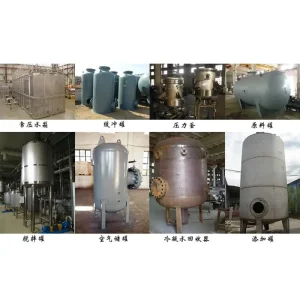
To resist corrosive acid elements (H2S, CO2) and low-temperature hydrogen embrittlement, we engineer vessels using premium titanium alloys, super duplex stainless steels (such as SAF 2205/2507), and nickel-alloyed cryogenic steels. Each weld is subject to 100% radiographic or ultrasonic testing.
By capturing Boil-Off Gas (BOG) in liquid storage terminals and implementing integrated low-temperature helium extraction, our thermal exchangers operate efficiently down to -180°C. This allows operators to recover valuable light fractions that are otherwise flared off.
Our long-term development focuses on standardizing Printed Circuit Heat Exchangers (PCHEs) for offshore floating platforms and high-pressure hydrogen fueling grids. By utilizing diffusion-bonding technologies, we can increase the volumetric heat transfer area density of our units up to 3-5 times compared to conventional shell-and-tube setups. Concurrently, we are developing industrial IoT integration, placing physical digital twins of the thermal systems into plant control centers to predict fouling factors and optimize preventive maintenance intervals.
Thermal exchangers do not operate in isolation; they are critical nodes in larger environmental and chemical processing facilities. At Hebei Hongke Qingneng, we construct comprehensive, skid-mounted systems that directly resolve macro-level industry challenges across natural gas refining, VOC abatement, and complex industrial waste treatment.
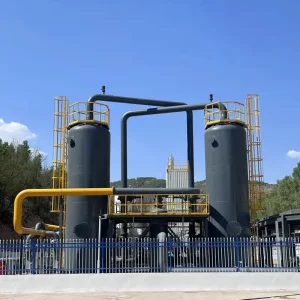
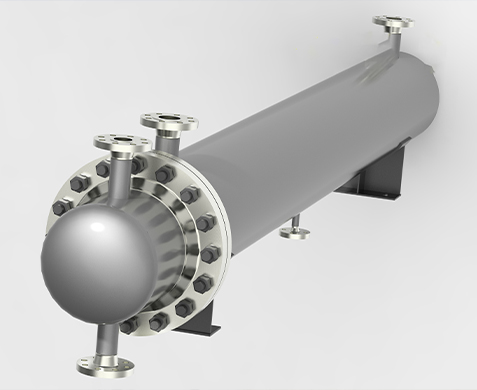
In natural gas purification, raw gas must undergo rigorous deacidification, dehydration, and heavy hydrocarbon extraction before liquefaction. Our shell-and-tube exchangers act as primary coolers and amine reboilers. The skid-mounted configurations leverage optimized thermodynamic paths, reducing auxiliary cooling power demands by up to 22% compared to standard configurations.
Industrial emissions containing volatile organic compounds (VOCs) are highly regulated. Our recovery systems combine condensation thermal exchange with catalytic oxidation. By utilizing specialized gas-to-gas recuperators, we pre-heat inlet exhaust using the thermal energy generated during catalytic destruction, providing self-sustaining plant operation and eliminating thermal energy waste.
Flue gas cleaning and sulfur extraction systems are highly aggressive chemical environments. Our desulphurisation equipment utilizes advanced Hastelloy and duplex steel construction to resist high-velocity fly ash erosion and hot sulfuric acid corrosion, extending the lifecycle of scrubber cooling loops beyond 15 years.
| Solution Domain | Core Thermal Component | Operating Temperature Range | Material Configuration | Key Efficiency Metric |
|---|---|---|---|---|
| Natural Gas Dehydration | Shell & Tube Regenerator | -40°C to 280°C | 316L / Super Duplex 2205 | 98.5% Dew Point Suppression |
| LNG Skid Liquefaction | Plate-Fin Cryo-Exchanger | -180°C to 45°C | Al-Mg Alloy / Spec. Stainless | Specific Energy < 0.35 kWh/Nm³ |
| VOC Catalytic Preheater | Gas-Gas Heat Recuperator | Ambient to 450°C | Grade 321 / 310S SS | Recuperative Thermal Eff. > 85% |
| Medical Waste Autoclaving | High-Pressure Steam Jacket | 100°C to 150°C | Carbon Steel Q345R / 304 SS | Complete Sterilization in 45 Min |
Positioned within the Sanhe Economic Development Zone, Langfang City—adjacent to the industrial manufacturing cluster of northern China—our manufacturing facility stands as a testament to modern industrial automation and quality assurance. This strategic location enables us to guarantee raw material tracing and process control across the entire fabrication cycle.
Our workshop utilizes automated tube-to-tubesheet orbital welding units, ensuring zero leak paths under thermal shock profiles. CNC drilling machines process tubesheets up to 250mm thick with high precision, maintaining tight tolerances to prevent vibration-induced tube wear.
We perform rigorous NDT (Non-Destructive Testing) evaluations, including pneumatic, hydraulic pressure, and helium mass spectrometer leak detection. Our raw material supply chain relies on direct partnerships with state-owned steel mills, providing certified traceability from billet heat number to finished plate.
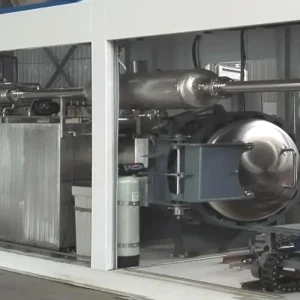
Unlike standard component suppliers, we assemble complete skid systems, including piping, valves, instrumentation, and control cabinets. Every unit is tested, wired, and validated in our factory, reducing field installation timelines from months to days.
Procuring critical process equipment from overseas presents challenges in design compliance, international welding procedures, and quality validation. Hebei Hongke Qingneng has structured its engineering operations to address the requirements of international EPC firms and heavy industrial buyers.
We design and manufacture in compliance with major global codes. From GB150 for the domestic market to ASME Section VIII Div. 1 for global installations, we supply design drawings, code calculations, and material test reports (MTR) required for site commissioning.
Our heavy skids are built on robust frames with specialized lifting lugs, configured for standard container loading or break-bulk ocean freight. We provide detailed installation manuals, cold-commissioning checklists, and remote engineering assistance to ensure smooth plant integration.
We welcome third-party inspectors, such as SGS, TÜV SÜD, and Bureau Veritas (BV). We coordinate quality hold-points, material checks, welding log reviews, and hydrostatic testing to ensure compliance with procurement specifications before shipment.
The core strength of Hebei Hongke Qingneng lies in our research-oriented team, composed of senior engineering minds from the Chinese Academy of Sciences and Tsinghua University. We translate academic findings in multi-phase flow and non-equilibrium thermodynamics into robust, field-proven industrial applications.
Founder, Chairman & Senior Engineer
General Manager & Senior Engineer
Chief Engineer
Below is a curated selection of our completed projects, demonstrating the reliability and efficiency of our integrated skid assemblies in demanding process plants.
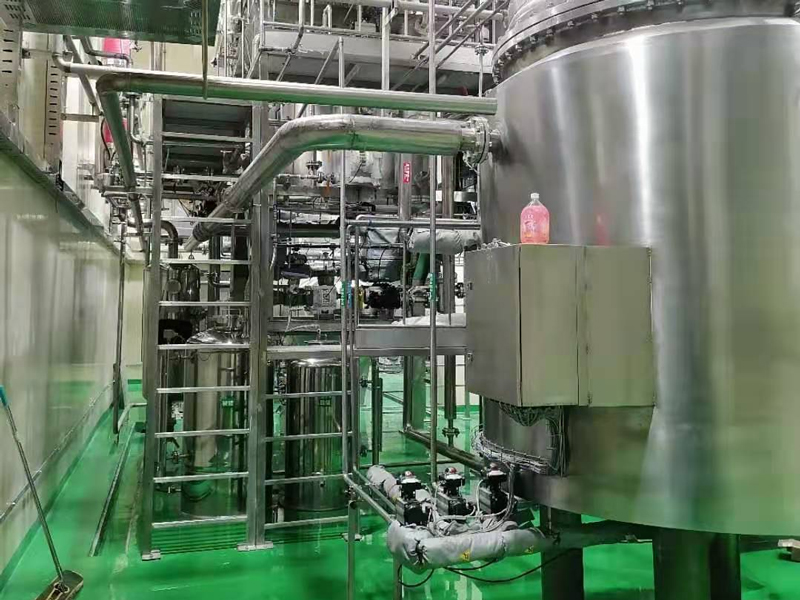
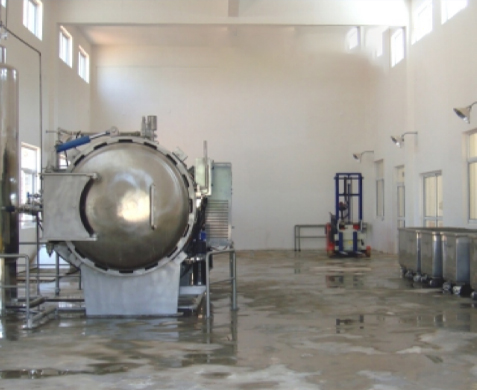
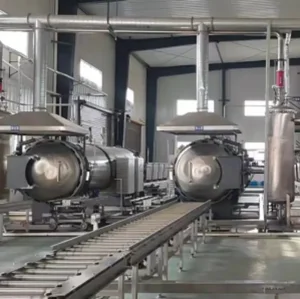
High-temperature sterilization autoclave systems designed to process pathological biological residues with zero external emissions.
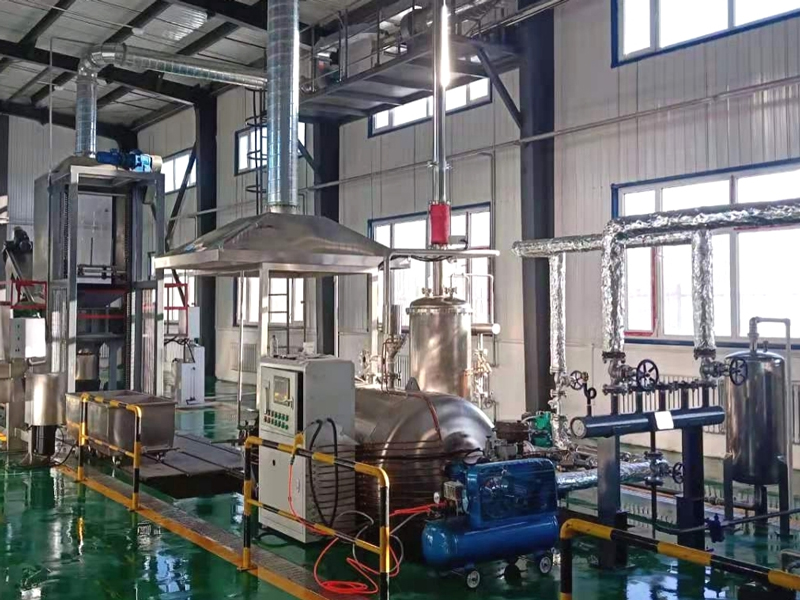
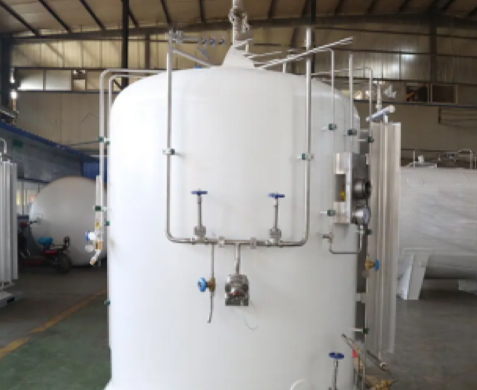
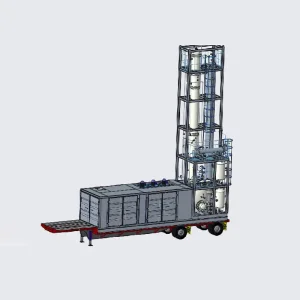
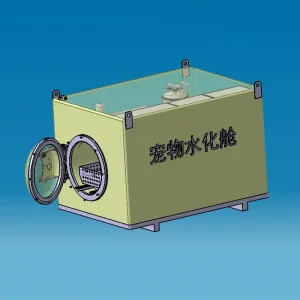
Containerized, trailer-mounted medical waste sterilization units for remote regions and emergency response scenarios.
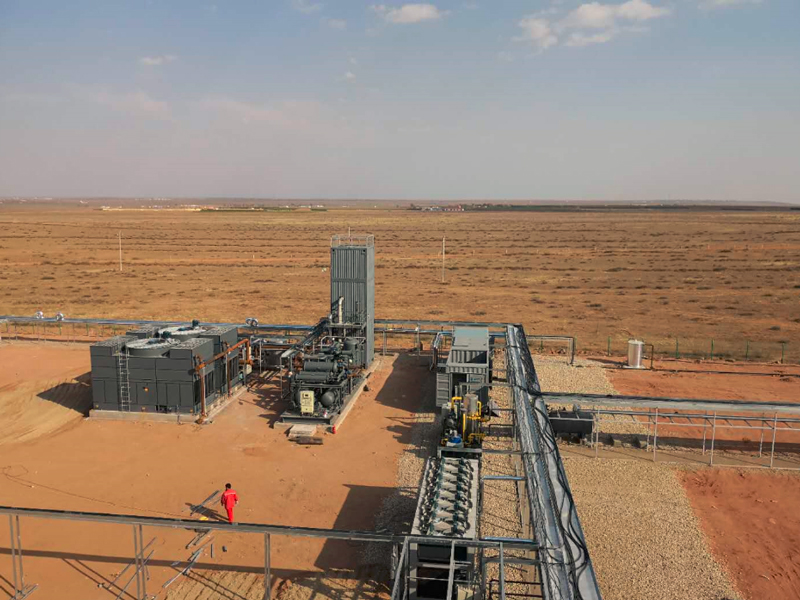
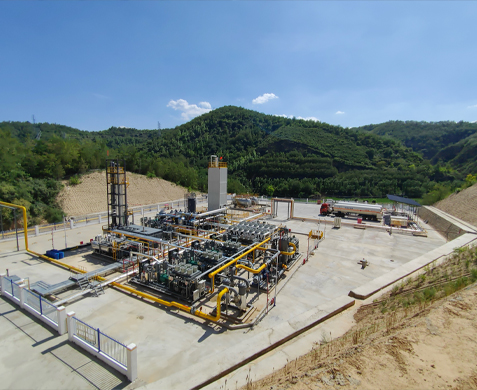
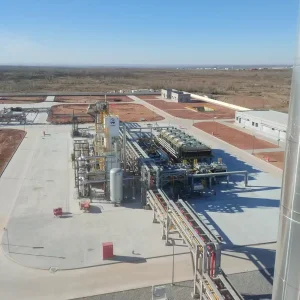
Skid-mounted natural gas liquefaction plant deployed directly at the wellhead to recover and monetize associated gas.
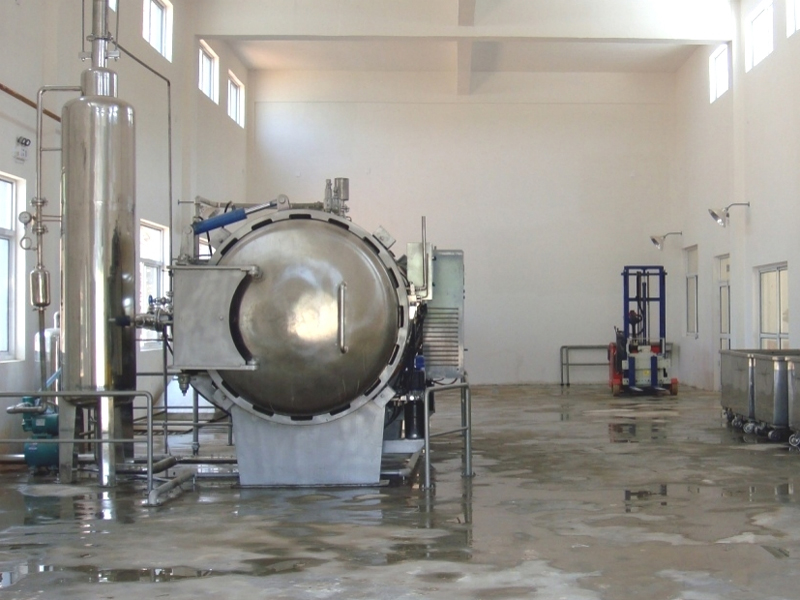
Industrial-scale steam treatment plant handling high-throughput clinical waste streams with continuous automated loading.
Highly technical queries answered directly by our chief engineering and metallurgical consulting desk.
Ready to optimize your industrial plant thermal integration? Our elite team of Ph.D. senior engineers from the Chinese Academy of Sciences is prepared to evaluate your thermal specifications, pressure vessel parameters, or environmental treatment requirements.
If you have any engineering needs, please feel free to contact us and we will be happy to serve you.
Submit Technical Spec Sheet Hongke Qingneng