Discover our flagship process vessels, modular skid-mounted plants, and biological waste neutralization systems. Designed to meet the stringent demands of scientific research institutions and heavy industries worldwide.
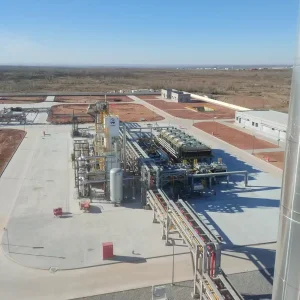
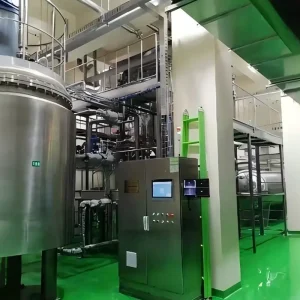
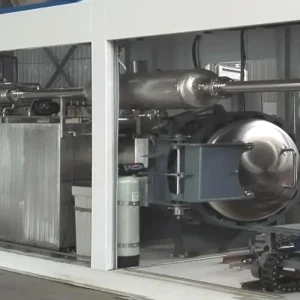
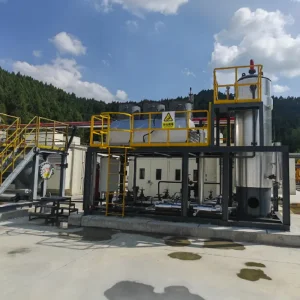
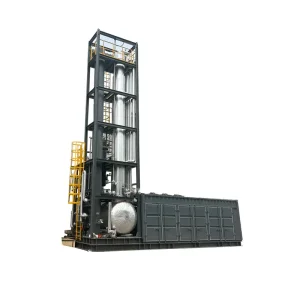
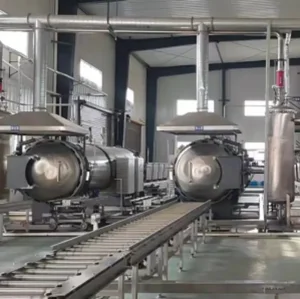
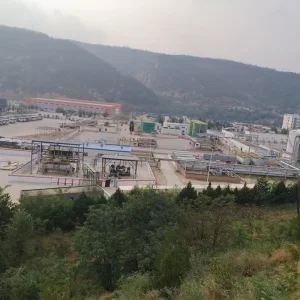
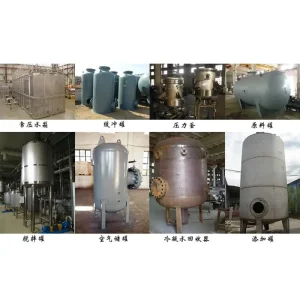
A Jet Stirred Reactor (JSR) represents the gold standard in gas-phase chemical kinetics research. Uniquely engineered to study combustion chemistry, hydrocarbon oxidation, and catalytic kinetics under high-temperature and high-pressure profiles, the JSR functions on the thermodynamic principles of a continuous stirred-tank reactor (CSTR). By using high-velocity jet nozzles, the feed gases are injected into a spherical or cylindrical reaction volume to achieve rapid mixing and minimize spatial concentration or temperature gradients.
"Achieving perfect spatial homogeneity is critical for validated kinetic modeling. Even micro-scale fluctuations in temperature or species concentration can yield inaccurate activation energy measurements and erroneous reaction path derivations."
As leading suppliers and factories based in China, we leverage advanced thermodynamic designs from research teams at the Chinese Academy of Sciences (CAS) and Tsinghua University. Our manufacturing plants construct custom reactor units capable of handling extreme thermochemical stress, high pressures, and corrosive environments.
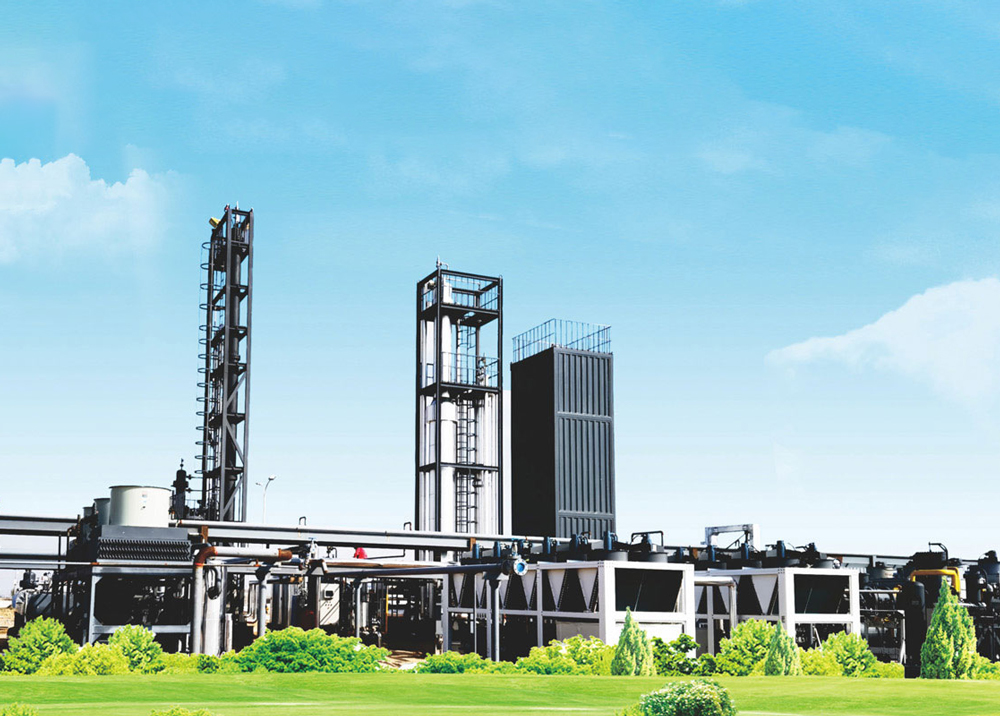
Currently, the global chemical and energy sectors are undergoing an unprecedented shift toward green fuels, carbon neutralization, and waste-to-energy technologies. This transformation relies heavily on advanced experimental setups to analyze combustion behavior, pyrolysis pathways, and environmental emissions.
With the global push for hydrogen, ammonia, and bio-fuels, researchers utilize high-pressure Jet Stirred Reactors to validate oxidation mechanisms, soot formation tendencies, and NOx suppression strategies in next-generation engines and industrial burners.
In petroleum refineries and shale gas fields, JSR kinetics dictate the optimization parameters for high-temperature cracking, thermal pyrolysis of heavy hydrocarbons, and catalytic reforming processes.
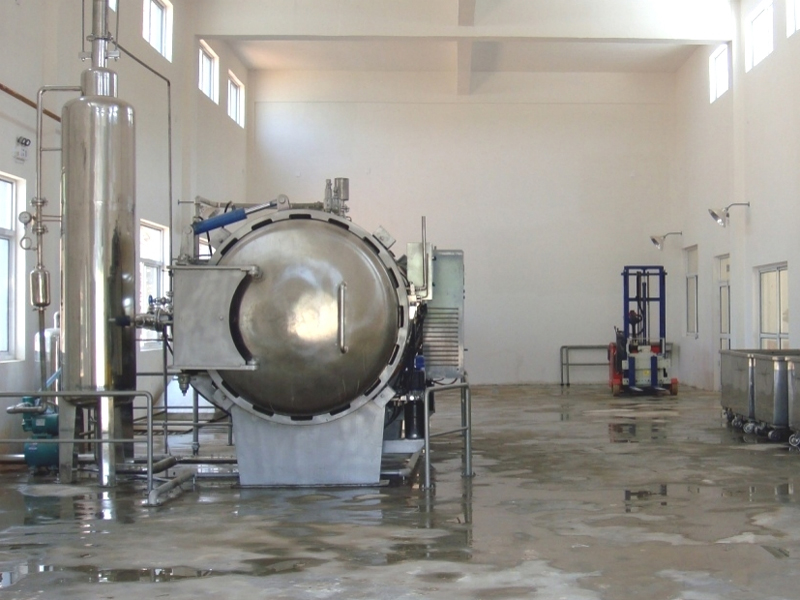
Applying jet-mixing logic to high-temperature hydrolysis and medical waste treatment ensures total sterilization and destruction of biological proteins and hazardous volatile compounds without generating toxic secondary emissions.
Hebei Hongke Qingneng Environmental Protection Equipment Co., Ltd. combines first-class manufacturing with elite national science research to deliver industry-certified reactor systems and environmental protection solutions.
Our company relies on professional talent from Tsinghua University and the Institute of Physics and Chemistry Technology, Chinese Academy of Sciences (CAS). By blending academic thermo-fluidic science with industrial fabrication, we have successfully commercialized several high-pressure skid-mounted devices, gaining a remarkable reputation in China and global export markets.
We maintain an A2 level pressure vessel manufacturing license, alongside pressure pipeline component manufacturing credentials, GB/T19001-2016 quality management system certification, and the Sinopec HSSE / China Petroleum Health, Safety, and Environment management certifications. We are officially recognized as a Langfang Municipal R&D Platform and a National High-Tech Enterprise.
Through our custom environmental reactors, gas recovery plants, and waste gas treatment systems, we contribute to global decarbonization efforts, greenhouse gas reduction, and strict atmospheric emission controls.
Our engineering breakthroughs are guided by nationally recognized scientists and thermodynamic experts specializing in cryogenic cooling, high-temperature phase changes, and chemical kinetics.
Doctorate from the Institute of Physics and Chemistry Technology, CAS. National Senior Engineer. Dr. Sun has presided over China's National 863 Program, Aerospace and Military Programs, and the National Natural Science Foundation. Winner of the First Prize of Science and Technology of the China Coal Industry, and the Special Prize of Technological Invention of the Chinese Society of Refrigeration.
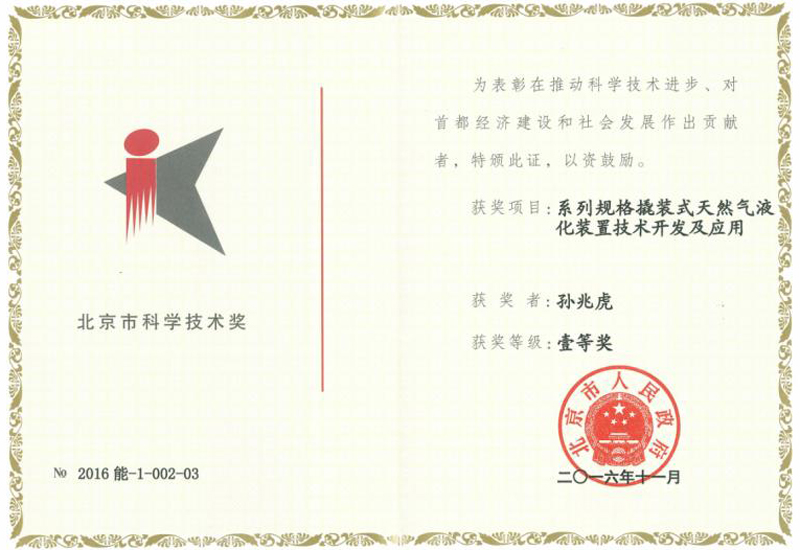
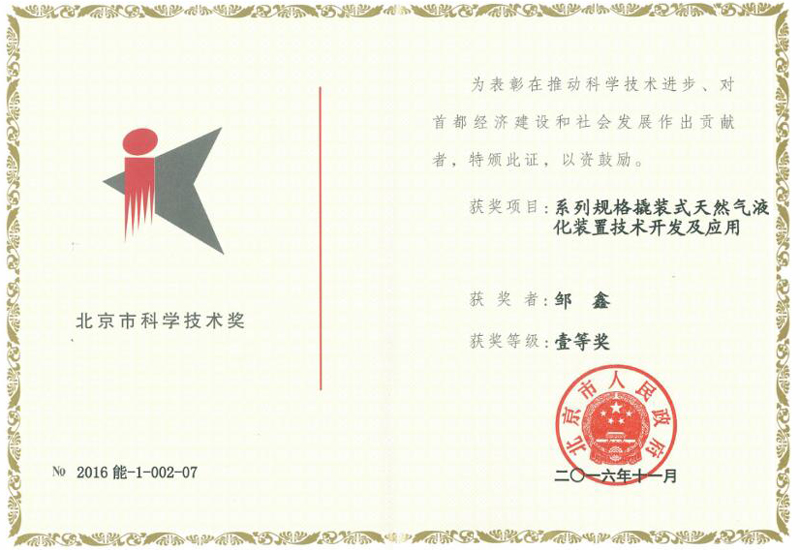
Ph.D. Candidate and Senior Engineer at the Institute of Physics and Chemistry Technology, CAS. Over 24 published academic papers (11 indexed in SCI/EI) and inventor of 5 national patents. Winner of the Beijing Science and Technology Award First Prize, and the Silver Medal of the 19th China International Industry Expo.
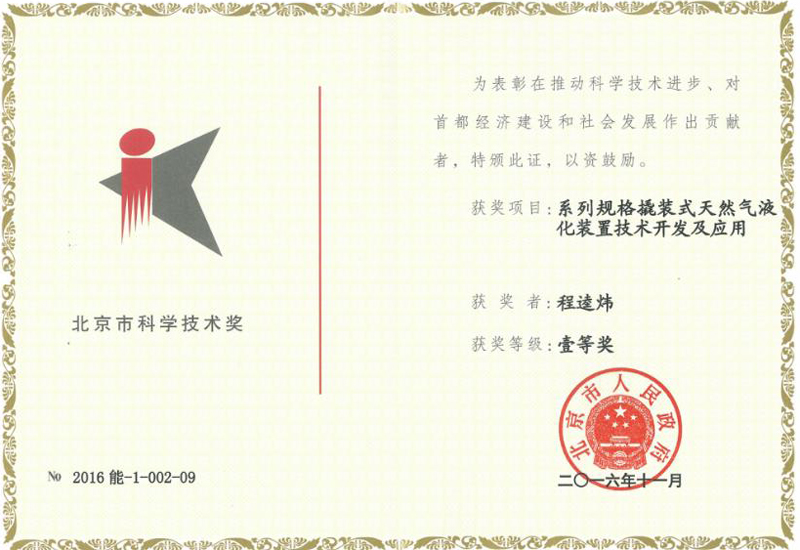
Doctor of Engineering from the Institute of Physics and Chemistry Technology, CAS. A primary architect behind modular skid-mounted LNG designs and high-temperature phase-change thermal calculations. Recipient of the Special Prize of Science and Technology Award of the Chinese Refrigeration Society.
The manufacturing of reliable jet stirred reactors and pressure vessel systems requires state-of-the-art material choices, precise micro-nozzle drilling, and high-tolerance structural engineering. Below is the technical progression path and standard parameters followed in our production facilities.
| Technical Parameter | Laboratory & Kinetic Research Scale | Industrial & Pilot Plant Scale | Extreme Industrial Duty (Standard A2) |
|---|---|---|---|
| Operating Temperature | 500 K – 1500 K (up to 1200 °C) | Ambient to 850 K | Up to 1100 K |
| Pressure Rating | Vacuum – 10 bar (Quartz / Alloy) | Up to 50 bar (Stainless Steel / Inconel) | Up to 100 bar (Monel / Hastelloy) |
| Material Construction | Fused Silica / Fused Quartz, Inconel 600 | SS316L, Hastelloy C276, Titanium Gr.2 | Clad Alloys, Heavy-wall Carbon Steel |
| Nozzle Configurations | 4-nozzle cross designs, sonic jets | Multi-point distribution arrays | Radial high-velocity injection ports |
| Primary Application | Gas-phase combustion kinetics | VOC catalytic oxidation & reforming | Hydrolysis, BOG recovery, natural gas |
For research environments requiring high chemical inertness, fused quartz is implemented for the reactor body to prevent surface-catalyzed reactions that could skew pure gas-phase kinetic measurements. For elevated pressures, high-nickel alloys like Inconel 600 or Hastelloy C-276 are manufactured under strict A2 pressure vessel standards, incorporating high-vacuum jacketed insulation lines to ensure safety and temperature uniformity.
How does our reactor technology translate to the field? Here are the localized scenarios where Hongke Qingneng's design principles are currently deployed across major domestic and global projects:
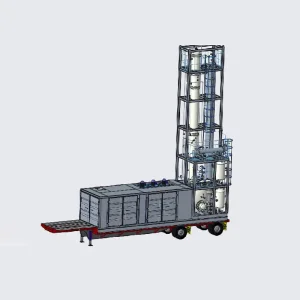
Operating in coalbed methane (CBM), shale gas, and remote natural gas wells. Our vehicle-mounted skid-mounted LNG plants process raw gas through integrated purification (deacidification, dehydration, and heavy hydrocarbon removal) before liquefaction, converting scattered natural gas into valuable liquid fuel.
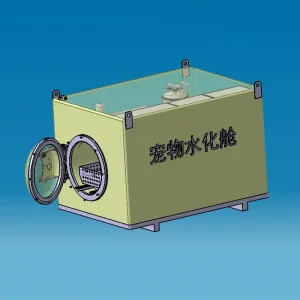
Deployed in national laboratory animal facilities and research centers. High-temperature hydrolysis treatment equipment processes animal tissues and carcasses under rigorous chemical reaction conditions, ensuring biological pathogens are rendered completely inert.
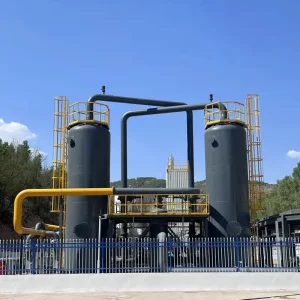
Providing customized treatment reactors for pharmaceutical, petrochemical, and organic manufacturing facilities. Our systems recover valuable hydrocarbons from exhaust streams and thermal-oxidize VOC gases to meet modern environmental safety regulations.
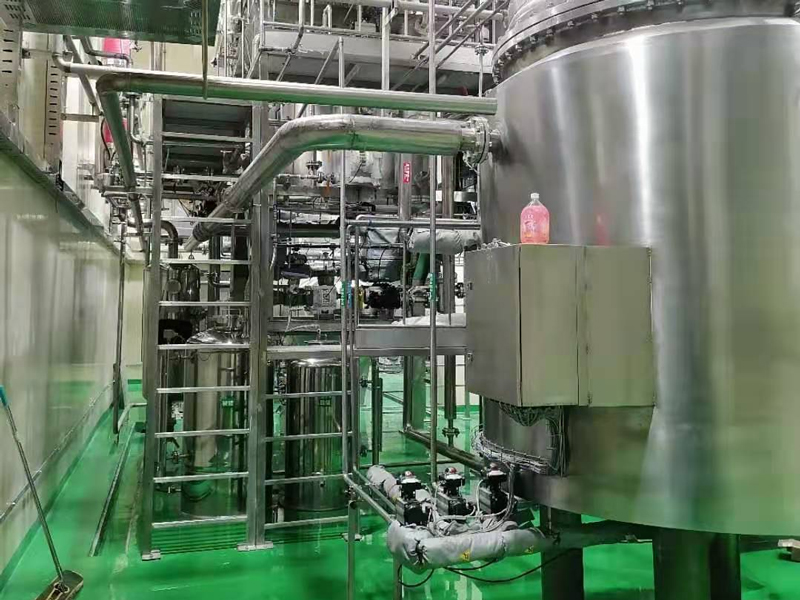
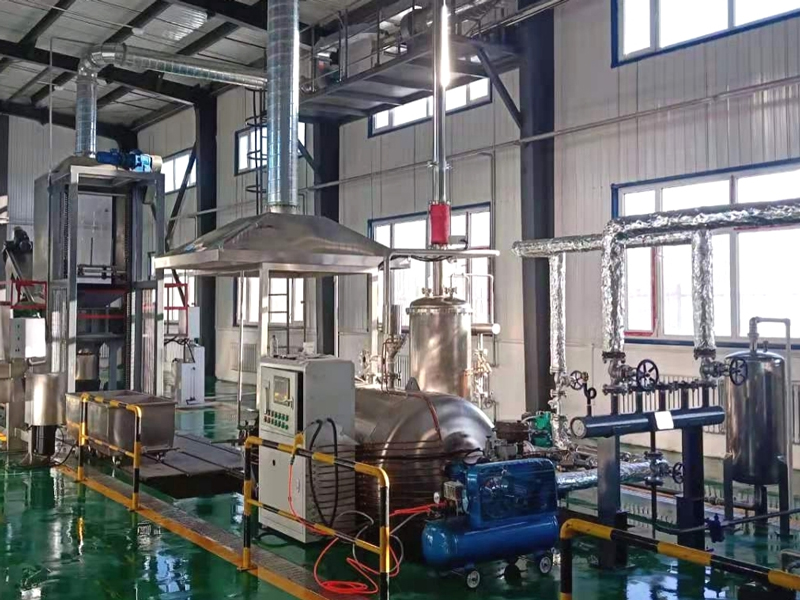
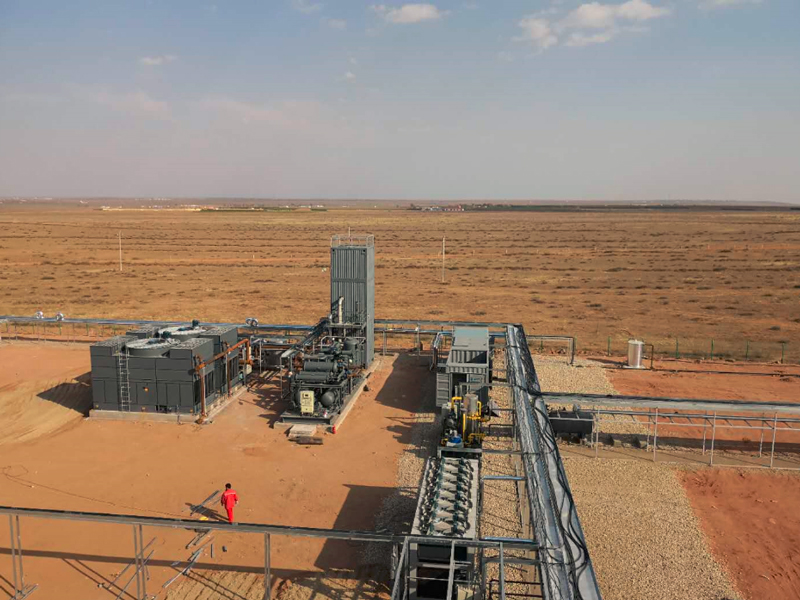
As environmental regulations grow tighter and chemical synthesis demands shift toward faster development cycles, Hongke Qingneng is actively adapting its design paradigm. The future of high-temperature and jet-stirred reaction systems is driven by three main goals:
By utilizing high-fidelity CFD models, our engineering team can simulate precise nozzle injection velocities and residence time distributions (RTD) before the manufacturing phase begins. This minimizes flow bypass and stagnant zones within the reactor chamber.
Modern JSRs are increasingly integrated with analytical instruments like Synchrotron Vacuum Ultraviolet Photoionization Mass Spectrometry (SVUV-PIMS) and Gas Chromatography. Our engineers design custom optical viewports and micro-sampling quartz probes to capture highly reactive radical intermediates in real time.
Integrating multi-zone electric heating systems with precision heat recovery exchangers allows us to maintain a constant temperature across the reaction zone, reducing thermal gradients to less than ±1 K even at temperatures exceeding 1000 K.
Advanced Manufacturing Note: To prevent corrosion during the hydrolysis of biological wastes and the oxidation of chlorinated VOC gases, we utilize advanced weld-overlay (cladding) processes using Hastelloy alloys, providing superior chemical protection at a fraction of the cost of solid alloy construction.
Hebei Hongke Qingneng Environmental Protection Equipment Co., Ltd. continues to expand its boundaries across thermal, cryogenic, and environmental engineering sectors:
Need customized solutions for your laboratory or industrial facility? Let our PhD-led engineering team design, manufacture, and skid-mount your process reactors.
"Innovation-driven development, service-led upgrade."
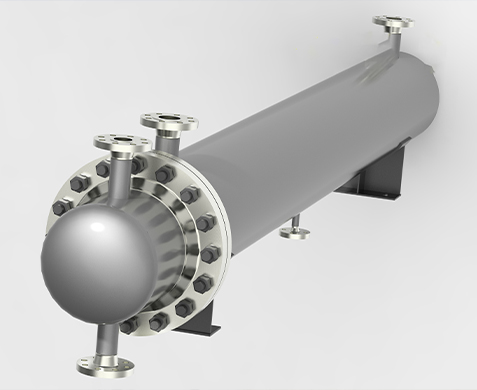
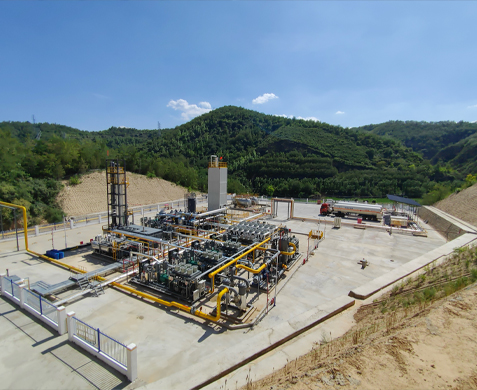
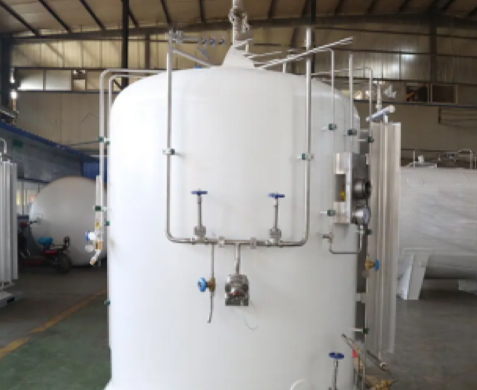
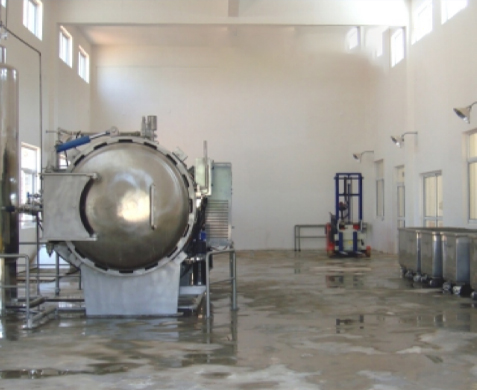
We provide end-to-end skid-mounted components, purification reactors, and bio-harmless hydrolysis devices designed by our scientific teams.
 Hongke Qingneng