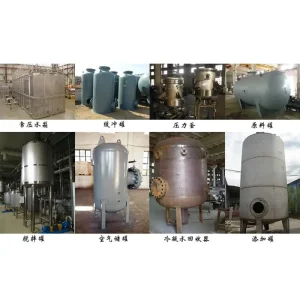
Explore our elite selection of custom non-standard pressure vessels and integrated skid-mounted plant technologies.
As the global energy matrix undergoes a structural shift toward low-carbon fuels, Liquefied Natural Gas (LNG) has emerged as a critical transition vector. Cryogenic storage and handling require unprecedented standards of thermal insulation, materials science, and pressure vessel engineering. In this context, Hebei Hongke Qingneng Environmental Protection Equipment Co., Ltd. presents this comprehensive industry whitepaper, highlighting our role as a leading global supplier of LNG pressure vessels and associated energy solutions.
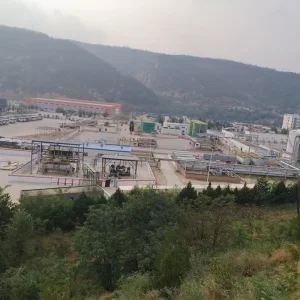
Established in June 2021 with a robust registered capital of 78 million Yuan, our company operates from a state-of-the-art facility located in the Sanhe Economic Development Zone, Langfang City. We represent a synthesis of academic research and advanced manufacturing. Our work focuses on engineering premium pressure vessels, environmental treatment systems, and cryogenic processing facilities that meet the most demanding specifications of global energy operators.
Our industrial engineering solutions span several integrated domains, ensuring a highly specialized approach to environmental control and gas processing:
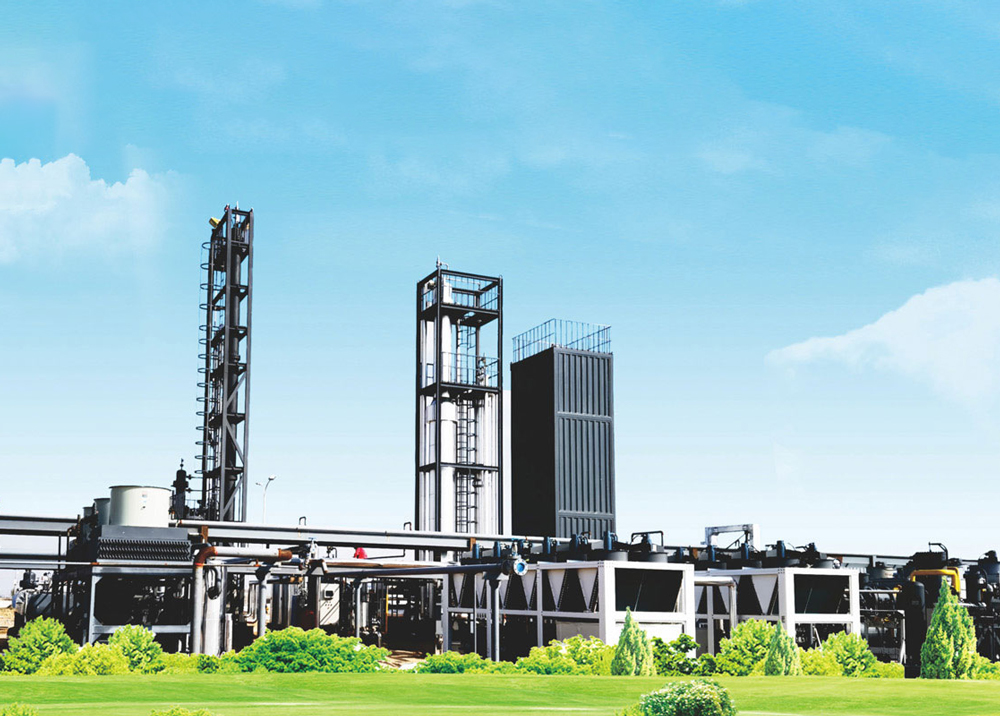
Our core technologies are developed in collaboration with scholars from the Institute of Physics and Chemistry Technology, Chinese Academy of Sciences (CAS), and Tsinghua University.
Dr. Sun received his Ph.D. from the Institute of Physics and Chemistry Technology, CAS. As a National Senior Engineer, he has directed projects under the National 863 Program, the Natural Science Foundation, and national aerospace and defense initiatives. He is a recipient of the First Prize of Science and Technology of China Coal Industry, the Special Prize of Technological Invention of the Chinese Society of Refrigeration, and the First Prize of the Beijing Science and Technology Award. He holds multiple invention patents implemented in national gas infrastructure projects.
A Ph.D. candidate and Senior Engineer at the Institute of Physics and Chemistry Technology, CAS, Zou Xin oversees market engineering and operational strategies. He has directed national science and technology special projects under the "12th Five-Year Plan" and published 24 domestic and international academic papers (including 11 indexed by SCI/EI). He holds 5 national patents and has been recognized with the Beijing Science and Technology Award (First Prize) and the Silver Medal of the 19th China International Industry Expo.
Dr. Cheng holds a Doctor of Engineering degree from CAS. His work focuses on skid-mounted natural gas liquefaction systems. He was awarded the 2015 Special Prize of the Chinese Refrigeration Society and the 2016 First Prize of the Beijing Science and Technology Award. He is an expert in phase change heat transfer characteristics and flow dynamics of mixed working mediums, bridging theoretical research with industrial manufacturing.
The global demand for LNG has shifted from standard peak-shaving storage toward complex decentralized and skid-mounted supply networks. Energy markets in Europe, North America, and the Asia-Pacific region require modular, resilient, and highly insulated cryogenic systems. Standard static LNG storage tanks must now operate alongside highly flexible containment units that can handle dynamic pressure shifts without gas venting.
Industrial demand is driven by the expansion of shale gas extraction in remote basins and CBM recovery at coal mines. These locations require skid-mounted purification and liquefaction units that can be rapidly deployed, operated, and relocated. Consequently, pressure vessel engineering must transition from traditional carbon-steel structures to advanced double-walled stainless-steel designs, utilizing high-vacuum multi-layer insulation (MLI) to limit boil-off rates to minimum values.
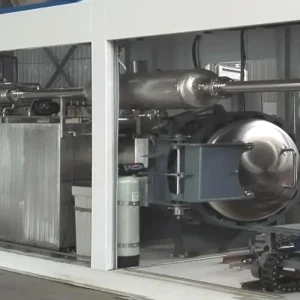
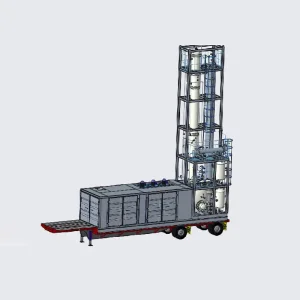
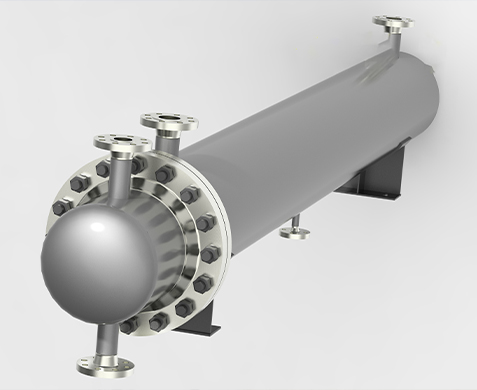
Our pressure vessels are built on modular skid structures. This approach simplifies site installation, limits civil engineering requirements, and ensures compatibility with international shipping dimensions.
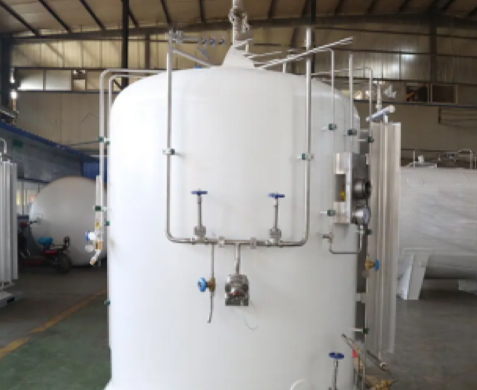
By employing high-vacuum multi-layer insulation systems and advanced thermal bridge isolation, we reduce boil-off gas (BOG) generation, preserving product volume and energy density.
Engineered to handle transient surges, thermal shocks down to -196°C, and seismic loads, our vessels comply with demanding global regulatory frameworks.
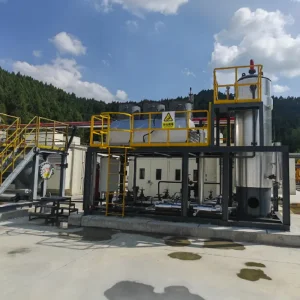
Hebei Hongke Qingneng provides comprehensive end-to-end industrial systems. Rather than operating simply as a vessel fabricator, we deliver fully integrated energy and environmental plant setups designed for high operational efficiency.
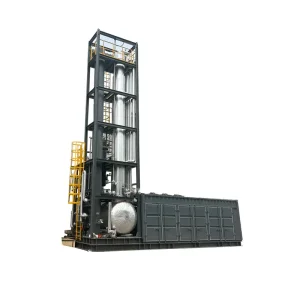
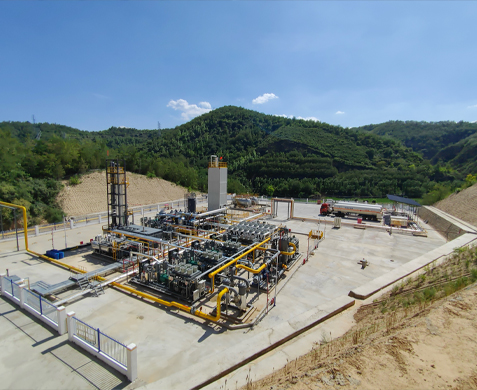
Our skid-mounted systems are engineered to capture and liquefy pipeline gas, shale gas, associated petroleum gas (APG), and coalbed methane. The purification skids utilize advanced molecular sieve systems to manage deacidification (CO2 and H2S removal), dehydration (moisture extraction down to dew points of -70°C), and heavy hydrocarbon removal. This process prevents freezing issues in the liquefaction stage, ensuring a reliable feed stream.
In large-scale LNG operations, managing Boil-Off Gas (BOG) is critical for economic and environmental efficiency. Our high-vacuum cryogenic systems recover BOG from storage tanks. In regions with helium-rich natural gas, we integrate advanced BOG helium extraction skids. This process uses cryo-condensation and fractional distillation to isolate high-value helium, providing an additional revenue stream for operators.
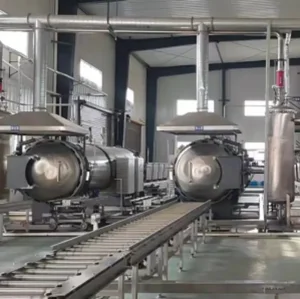
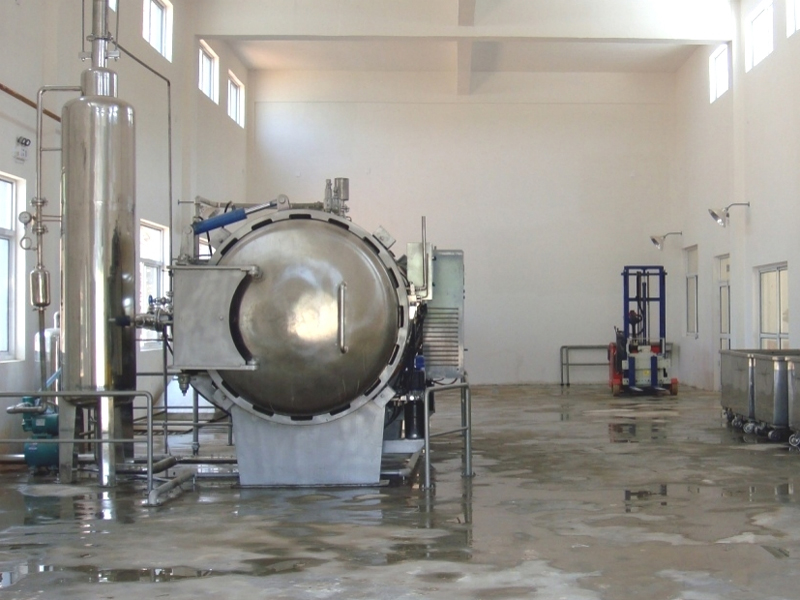
To support global decarbonization efforts, we design VOC exhaust treatment equipment. Using adsorption, condensation, and regenerative thermal oxidation (RTO), these systems clean industrial exhaust streams. We also build high-temperature steam treatment equipment for medical waste and animal carcass disposal, providing clean, automated solutions for hazardous municipal and agricultural waste.
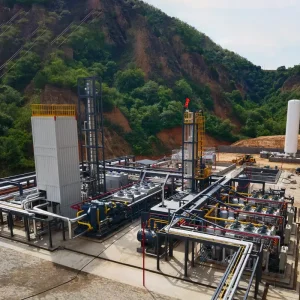
Demonstrating real-world project execution, structural integrity, and system safety across diverse municipal and energy sectors.
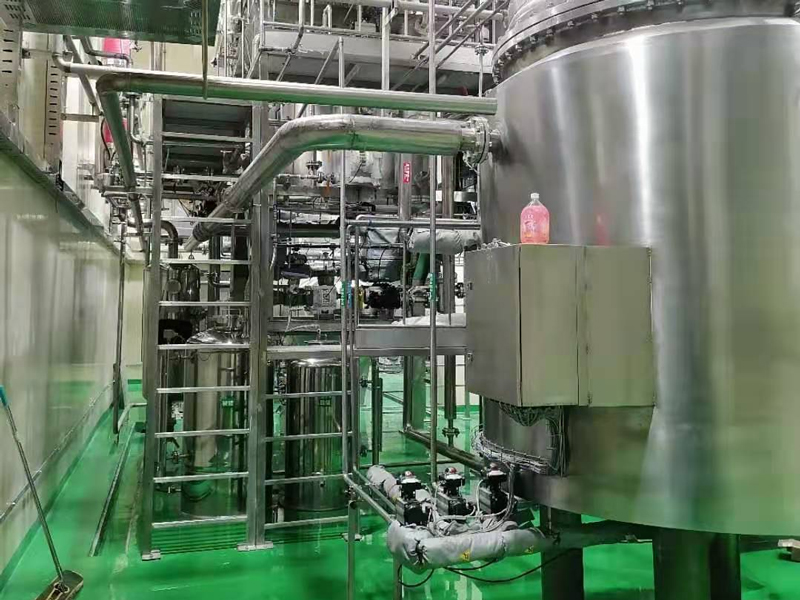
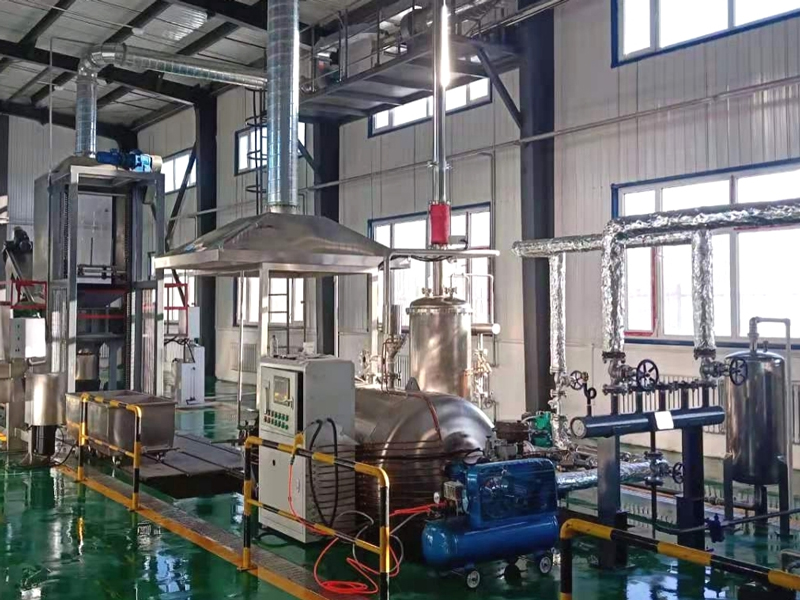
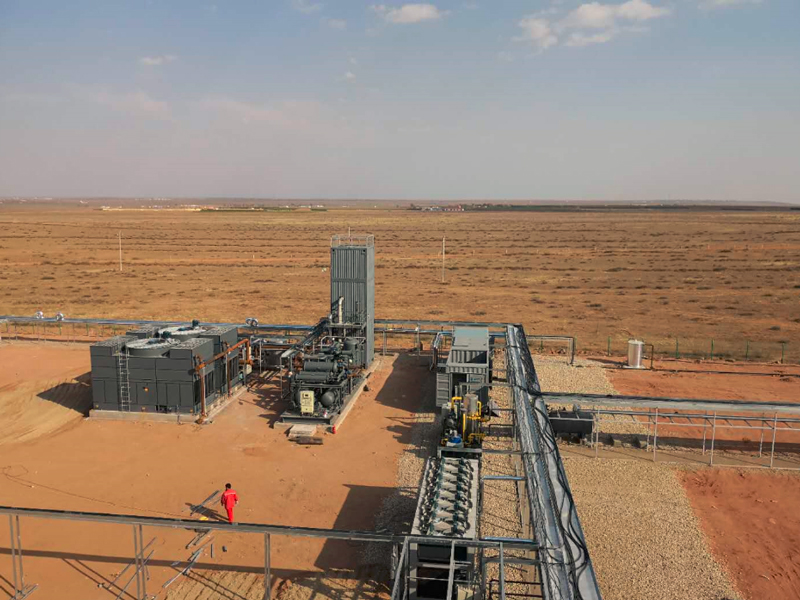
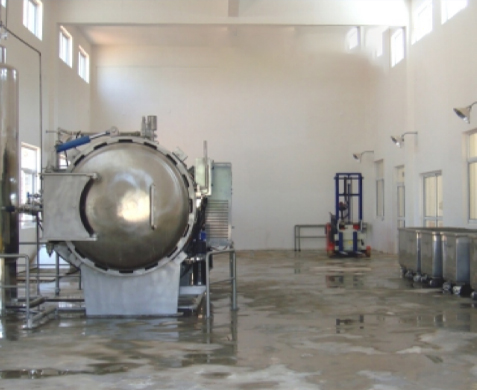
Deploying energy infrastructure requires strict alignment with localized safety and engineering standards. We maintain a comprehensive quality assurance framework designed to meet international regulatory requirements, enabling seamless deployment across borders.
Our engineering and manufacturing operations comply with several international and domestic quality systems, including:
We provide localized engineering support through comprehensive field service offerings, including:
As the energy industry evolves, Hebei Hongke Qingneng continues to invest in R&D to address emerging trends in cryogenic storage and logistics. Our roadmap focuses on improving thermodynamic efficiency and supporting the global energy transition.
We are researching new austenitic steels and high-nickel alloys to reduce vessel weight while maintaining structural integrity at extreme low temperatures. Our goal is to increase the strength-to-weight ratio of our containment systems, improving payload efficiency for transport applications.
We are adapting our pressure vessel designs to store hydrogen-LNG blends. Storing hydrogen requires managing its high permeation rates and low boiling point (-253°C). Our engineers are developing composite barrier systems and enhanced vacuum insulations to mitigate boil-off and hydrogen embrittlement.
Future iterations of our pressure vessels will feature integrated sensor systems. These sensors monitor vacuum levels, outer shell temperatures, internal pressures, and thermal insulation efficiency in real time. Using cloud analytics, operators can predict maintenance requirements and prevent vacuum loss before it impacts operations.
Detailed technical answers regarding materials, thermal performance, and manufacturing standards.
Discover our comprehensive range of specialized gas treatment, purification, and organic gas recovery systems.
 Hongke Qingneng