Explore our premium industrial solutions manufactured to stringent international quality certifications.
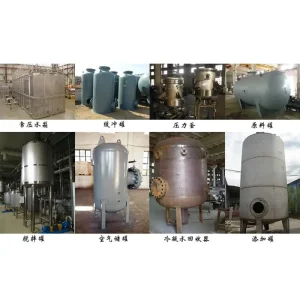
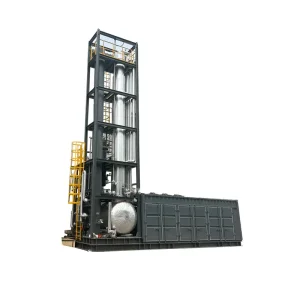
In modern heavy industries, chemical processing, oil & gas distribution, and advanced environmental systems, compressed air functions as a vital utility. The storage and stabilization of this high-pressure media demand Welded Air Receivers engineered to precise structural, volumetric, and chemical criteria.
Global procurement departments look beyond base-level storage capacity. Contemporary engineering specifications demand compliance with international design codes (ASME Sec VIII Div 1/2, EN 13445, GB150), superior fatigue life to endure cyclical loading, optimized corrosion allowances, and integrated water condensation separation systems. As a leading high-tech manufacturer, we address these technical requirements at every step of our state-of-the-art production.
"Safety, longevity, and structural fatigue resistance are the three non-negotiables in modern pneumatic energy storage. Every welded joint is a promise of zero-leakage security over decades of continuous thermal cycles."
Guided by Ph.Ds from Tsinghua University and the Chinese Academy of Sciences, pioneering novel aerodynamic and thermodynamic models.
Officially licensed to manufacture A2 pressure vessels, specialized in complex structural engineering, non-destructive testing, and precision metallurgy.
Full compliance with GB150, ASME, Sinopec HSSE, and CNPC environmental health, safety, and operational standards.
At Hebei Hongke Qingneng Environmental Protection Equipment Co., Ltd., we understand that a welded air receiver is far more than a storage tank; it is a critical safety node. Our tech roadmap balances metallurgy, weld configuration design, and advanced thermal relief protocols. We utilize high-yield carbon steel plate stock (such as Q345R and SA516 Gr. 70) and premium austenitic stainless steel (SS304, SS316L) to ensure high tensile strength and superior corrosion resistance.
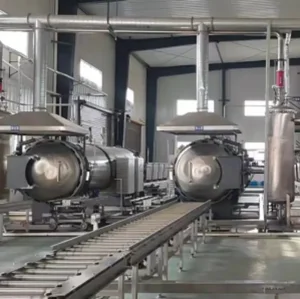
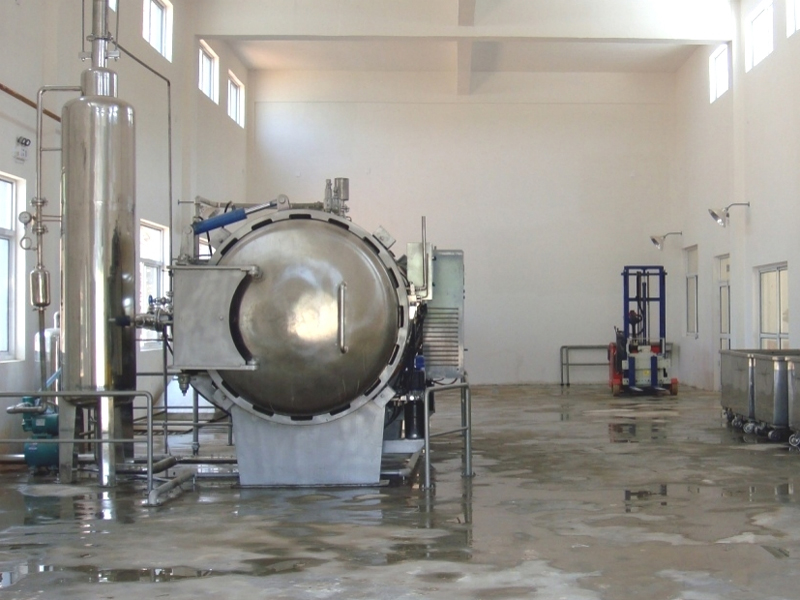
Our manufacturing facility in Sanhe Economic Development Zone deploys automated submerged arc welding (SAW) systems that achieve deep penetration joints with consistent microstructure characteristics. Post-weld heat treatment (PWHT) in state-of-the-art ovens relieves residual stresses generated during forming and welding. We run 100% Non-Destructive Testing (NDT), including digital radiography (RT) and ultrasonic inspection (UT), ensuring zero internal defects.
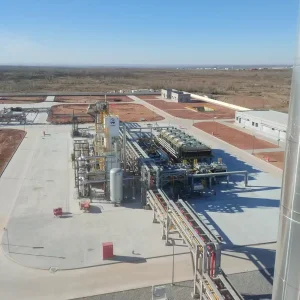
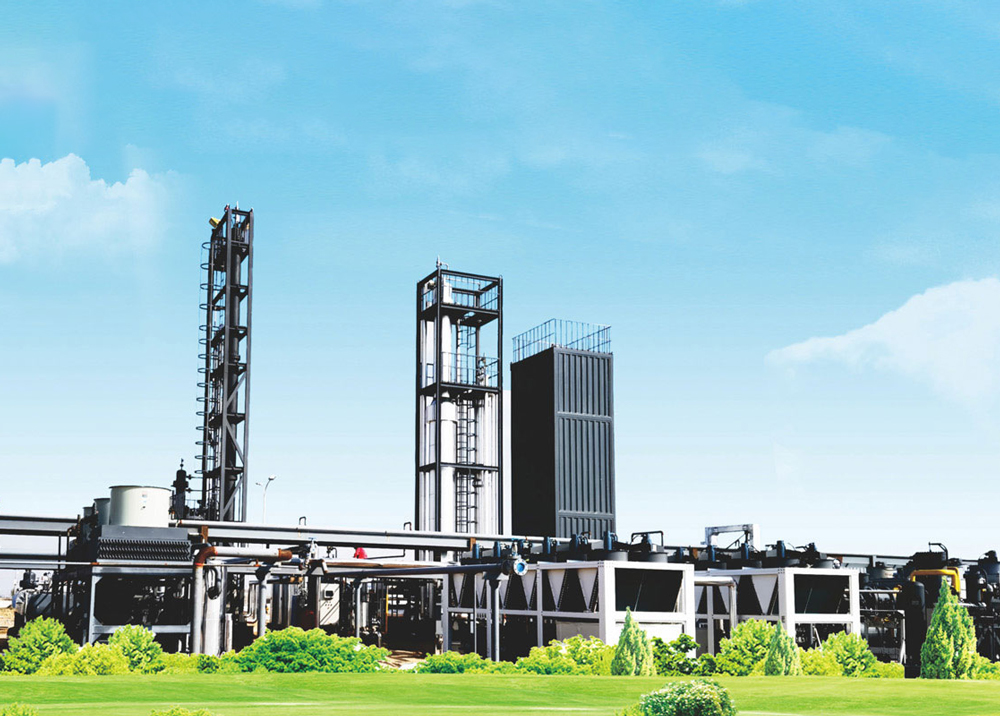
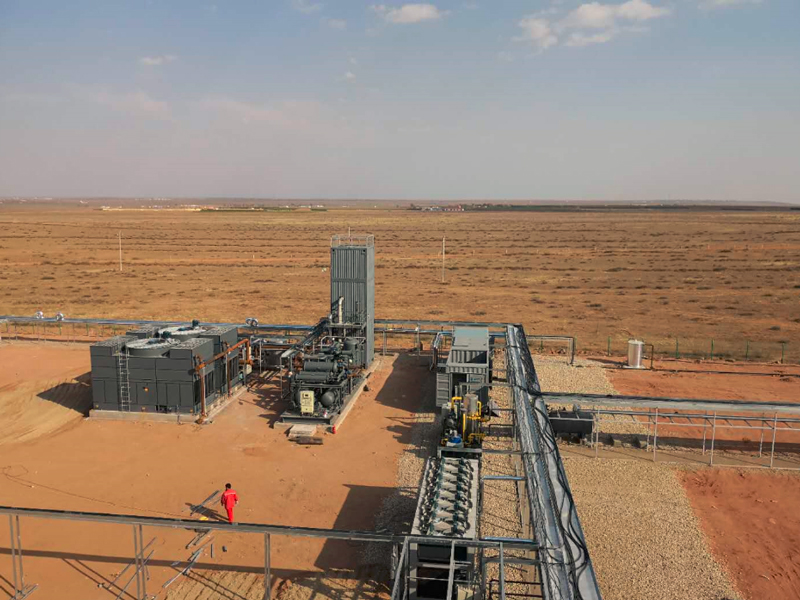
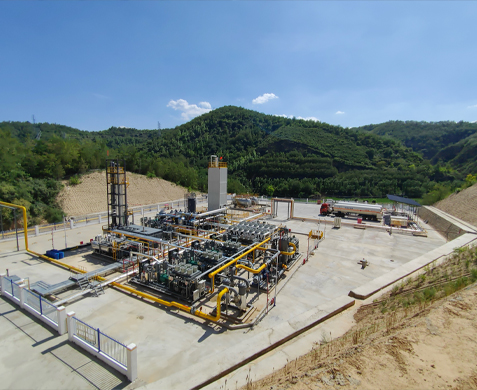
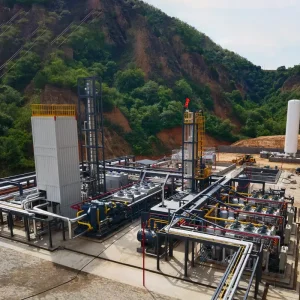
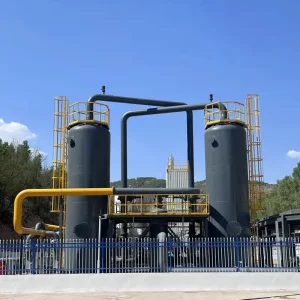
Welded air receivers serve a critical buffering function within our integrated industrial skid packages. In our skid-mounted coalbed methane (CBM), shale gas, and natural gas purification plants, large-volume air receivers stabilize feed air before it enters cryogenic and deacidification systems. Without high-capacity buffering, upstream compressor pulsations threaten the thermal efficiency of plate-fin heat exchangers.
Our advanced systems serve in extreme temperature variations (-40°C to -180°C refrigeration machinery and vacuum cold traps). By optimizing gas velocity profiles and integrating internal separator baffles within our receivers, we remove up to 99% of entrained water droplets and compressor lubricating oil, preventing downline icing and carbon build-up.
When deploying non-standard pressure vessels globally, regulatory compliance is a major barrier. Hebei Hongke Qingneng holds A2 pressure vessel design and manufacturing qualifications, which match standard requirements across global territories. We provide localized engineering documentation, calculation sheets validated with finite element analysis (FEA), and certified hydro-testing reports.
Whether your operational footprint requires compliance with the ASME Boiler and Pressure Vessel Code (BPVC), European Union Pressure Equipment Directive (PED), or national Chinese GB codes, our documentation guarantees swift commissioning approval. Additionally, our Sinopec HSSE and CNPC certifications reflect our long-standing commitment to safety management and environmental compliance.
Meet the Ph.D. researchers and national senior engineers driving our pressure vessel innovation.
Proof of engineering reliability across demanding industrial environments.
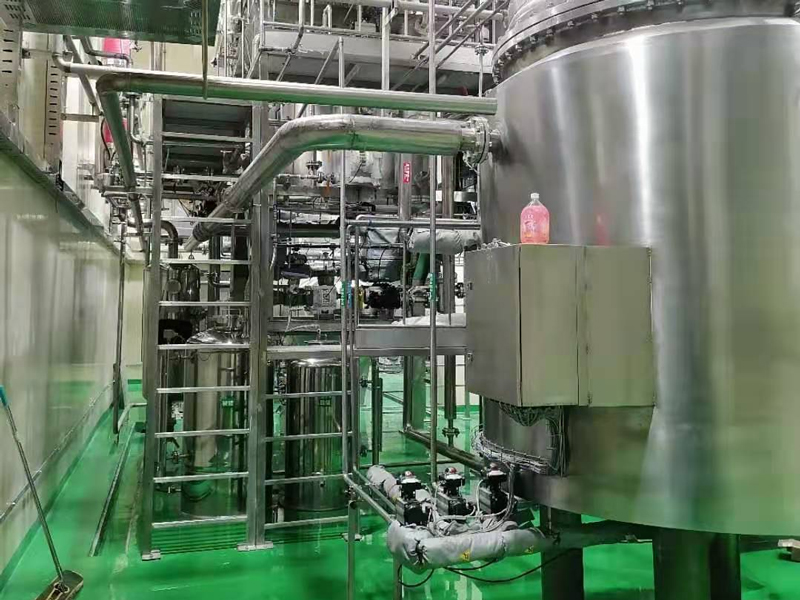
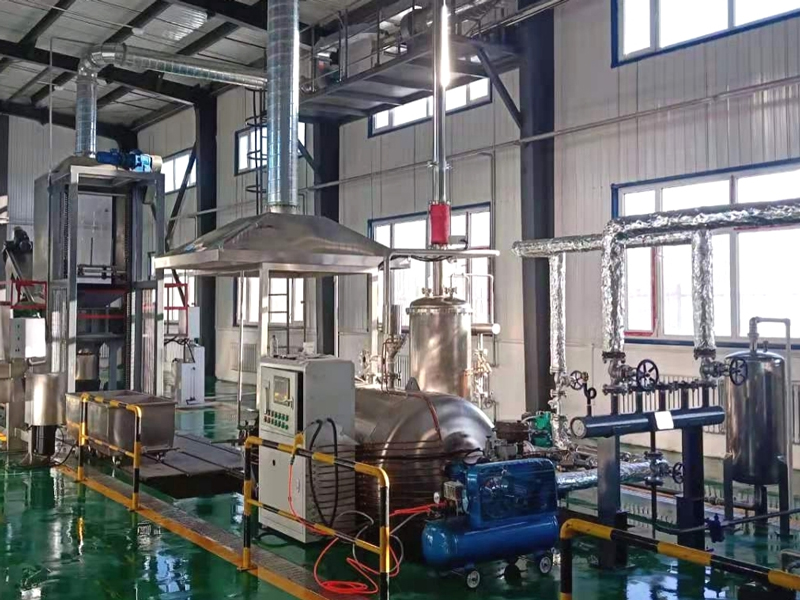
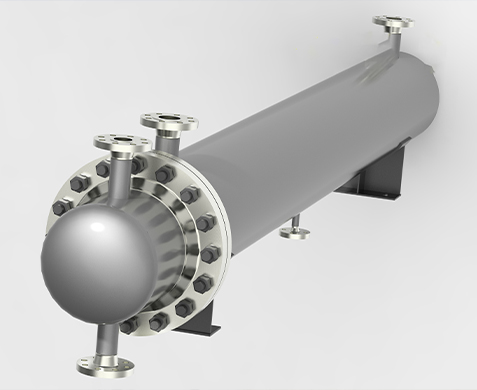
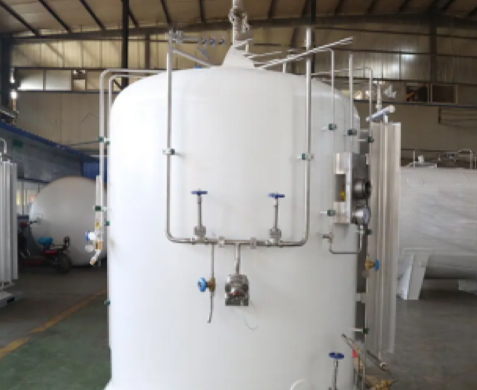
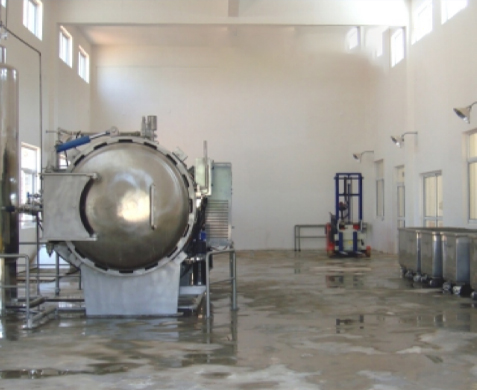
Standard guidelines for non-standard pressure vessel models and structural designs.
| Specification Parameter | Standard Range (Carbon Steel / Q345R) | High Performance Range (SS304 / SS316L) | Inspection Standard Applied |
|---|---|---|---|
| Nominal Design Pressure | 0.8 MPa to 4.5 MPa | Up to 10.0 MPa (Customized) | GB150 / ASME Sec VIII Div 1 |
| Volumetric Storage Capacity | 0.5 m³ to 100 m³ | 0.2 m³ to 50 m³ | Volumetric Water Expansion Test |
| Design Temp. Tolerance | -20°C to 150°C | -196°C to 300°C (Cryogenic Safe) | Impact Testing at Low Temp. |
| Welding Methodologies | Automated Submerged Arc Welding (SAW) | GTAW / Gas Tungsten Arc Welding | AWS D1.1 / ASME Section IX |
| Corrosion Allowance | 1.5 mm to 3.0 mm | 0.5 mm to 1.0 mm | Ultrasonic Wall Thickness Gauging |
| NDT Quality Assessment | RT/UT spot check (20% - 100%) | 100% RT + Dye Penetrant (PT) | JB/T 4730 / ASTM Code |
Answering major industrial engineering, certification, and procurement questions.
We hold a national A2-class pressure vessel design and manufacturing license (including non-standard customization), a pressure pipeline component manufacturing license, GB/T19001-2016 quality management system certification, and professional Sinopec HSSE / China Petroleum Health, Safety, and Environment certifications. This allows our vessels to integrate directly into refinery and petrochemical environments.
Our technical team includes Ph.D. scholars and researchers from Tsinghua University and the Institute of Physics and Chemistry Technology, CAS. By leveraging cryogenics and thermodynamic models, we prevent rapid fatigue propagation near weld joints, optimize fluid flow profiles to reduce condensation accumulation, and design superior shell configurations under cyclical pressure stresses.
Our standard designs target a 10 to 15-year operational lifecycle, assuming normal inspection intervals. Carbon steel vessels typically carry a 1.5mm to 3.0mm corrosion allowance depending on site moisture profiles, while stainless steel options utilize a 0.5mm to 1.0mm allowance due to inherent chromium-rich oxidation resistance.
Yes. As a non-standard pressure vessel factory, we tailor every welded air receiver to client layouts. Options include customized safety valve connections, electronic auto-drain ports, bypass manifolds, local pressure/temperature transmitters, and structural frame elements for direct skid mounting.
Discover our purification equipment, gas liquefaction technology, and heavy environmental systems.
 Hongke Qingneng