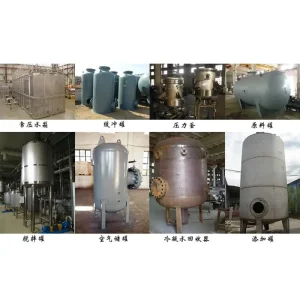
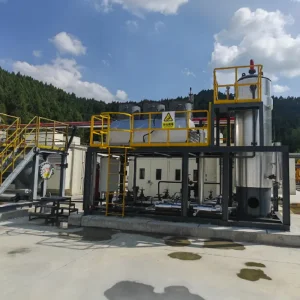
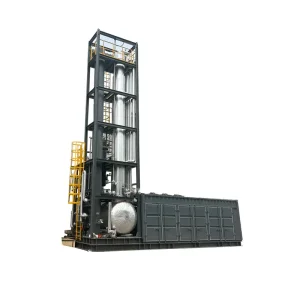
Explore our core portfolio of non-standard pressure vessels, purification units, and environmental systems engineered to international standards.
An authoritative analysis of phase boundary control, multi-component thermodynamic simulation, and global sourcing strategies in modern process engineering.
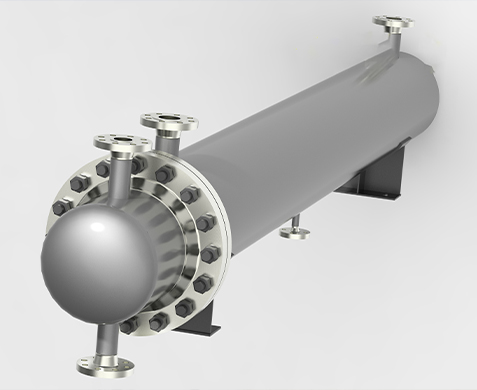
In modern process industries, the efficiency of phase separation, gas purification, and mass transfer operations directly correlates with thermal conservation and plant economics. A Diversion Tower (also commonly referred to as a vapor-liquid distribution or separation column) serves as the primary gateway for regulating structural fluid dynamics within industrial separation trains. Whether deployed in cryogenic Liquefied Natural Gas (LNG) processing, Volatile Organic Compound (VOC) recovery, or hazardous waste treatment lines, the tower's architectural layout dictates the boundary layer velocity profiles and prevents phase channeling.
By optimizing the spatial configuration of internal trays, structured packing, and feed inlets, diversion towers maintain uniform gas velocity vectors. This mitigates the risk of liquid entrainment and ensures a consistent mass transfer coefficient across varying operating pressures (ranging from deep vacuum up to 10.0 MPa in high-pressure reactors).
The global demand for high-capacity separation towers has experienced a major shift due to strict environmental mandates and the rapid expansion of gas-to-liquid (GTL) operations. According to recent industrial data, the integration of process towers within modular, skid-mounted systems has grown by over 35% globally. Facilities in North America, Western Europe, and the Asia-Pacific region are prioritizing pre-engineered, skid-mounted towers over conventional field-erected columns. This reduces on-site construction costs, minimizes footprint requirements, and guarantees that pressure vessel fabrication complies with ASME Section VIII Division 1 & 2 standards.
In environmental applications, diversion towers act as the primary interface for chemical absorption, scrubbing, and physical adsorption. They are vital in reducing organic tail gas emissions from petro-refinery operations, medical waste steam treatment facilities, and bio-pharmaceutical reactors. The ability to design towers that operate under severe thermal ranges (from cryogenic -196°C in LNG/Helium recovery up to 350°C in high-temperature gas hydrolysis) is a key competitive differentiator for premium global suppliers.
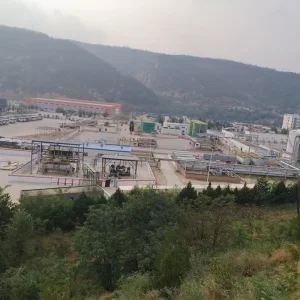
Established in June 2021 with a registered capital of 78 million yuan, Hebei Hongke Qingneng Environmental Protection Equipment Co., Ltd. is a leading manufacturer specializing in the research, development, and fabrication of advanced industrial machinery. Situated in the Sanhe Economic Development Zone of Langfang City—a highly developed industrial corridor in China—the company specializes in process engineering, design, and fabrication of pressure vessels, cryogenic devices, and environmental protection plants.
The enterprise's scope spans design and manufacturing of various pressure vessels, medical waste high-temperature steam treatment units, laboratory animal tissue hydrolysis systems, biological live toxic wastewater treatment setups, and modular skid-mounted assemblies. Their technical competencies cover natural gas purification/liquefaction, VOC management, chemical tail gas processing, and BOG (Boil-Off Gas) helium extraction.
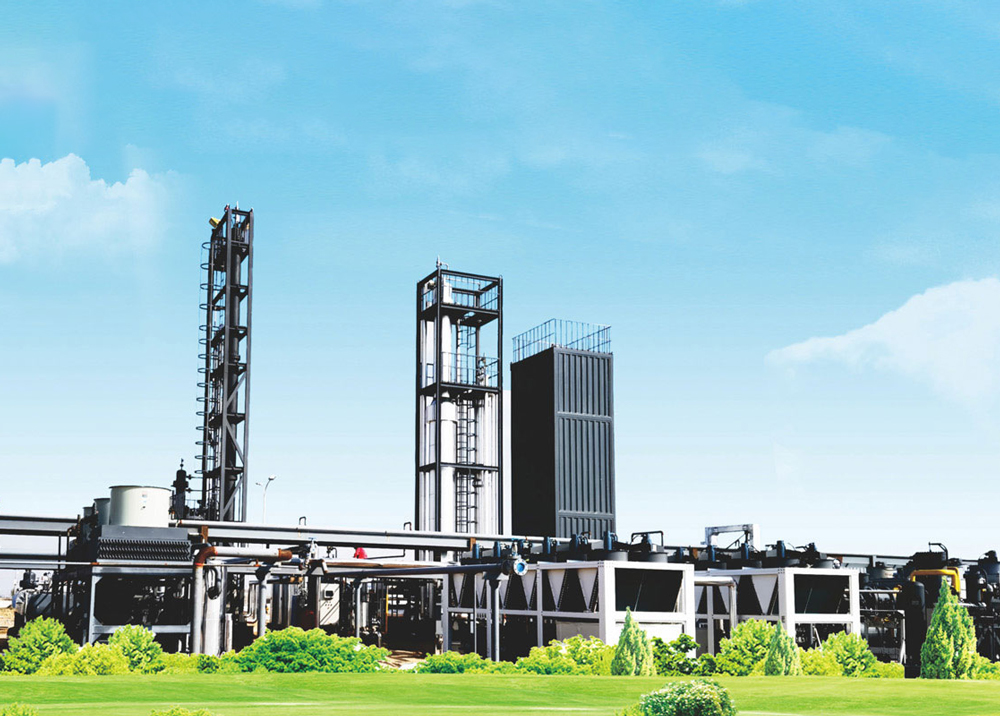
Bridging the gap between fundamental thermodynamic research and large-scale industrial deployment.
Backed by elite scholars from Tsinghua University and the Institute of Physics and Chemistry Technology, Chinese Academy of Sciences (CAS), Hongke Qingneng integrates academic insights into commercial designs, generating proprietary patents in skid-mounted cryogenic liquefaction and gas separation.
Our proprietary thermodynamic modeling targets multi-component mixed refrigerant (MR) cycles. Understanding the phase boundaries, heat transfer parameters, and velocity profiles of mixed gases enables our diversion towers to operate at peak efficiency.
Equipped with state-of-the-art heavy rolling machinery, automated longitudinal submerged arc welding systems, and comprehensive non-destructive testing (NDT), we comply with high-safety standards to deliver reliable processing equipment.
Our technical steering committee features PhD holders and Senior Engineers from the Chinese Academy of Sciences.
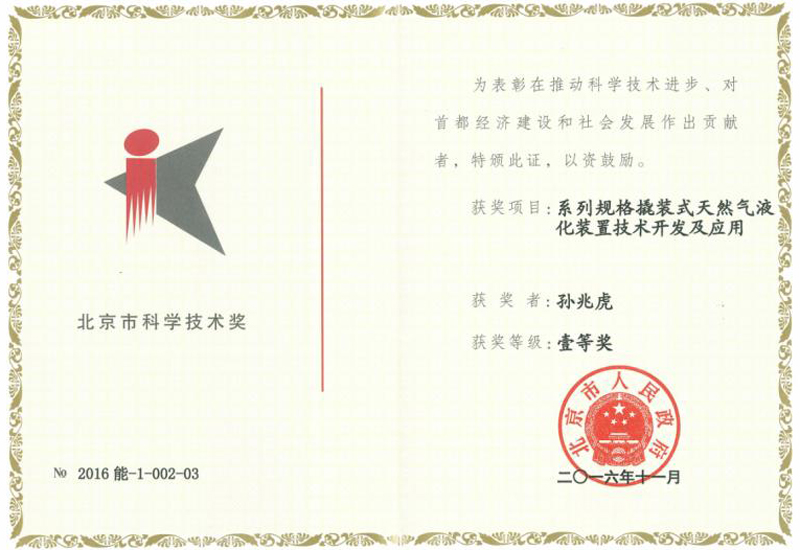
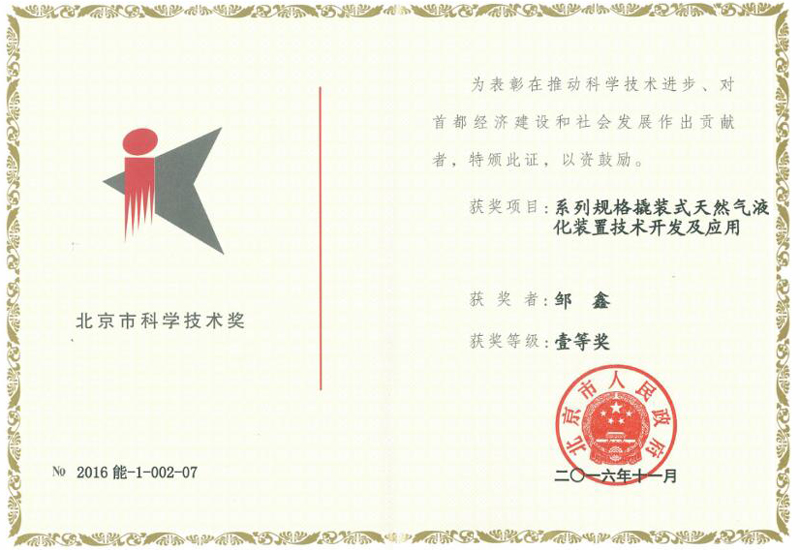
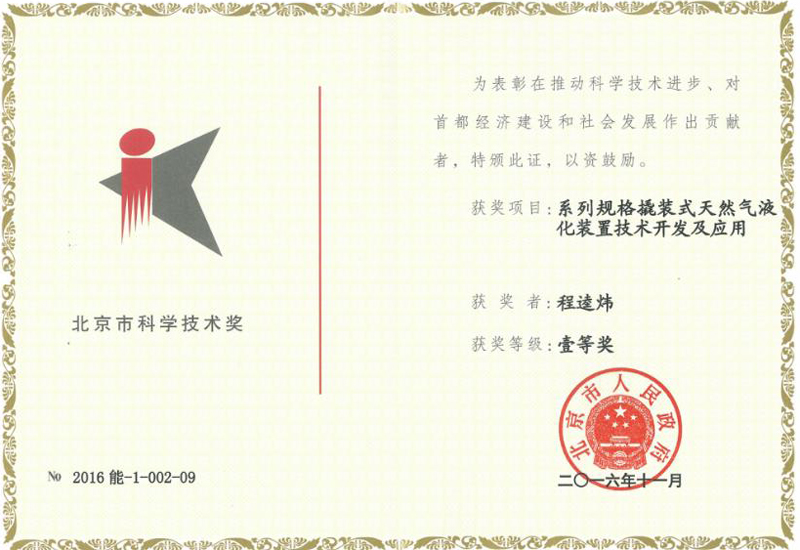
Holds a Ph.D. from the Institute of Physics and Chemistry Technology, Chinese Academy of Sciences (CAS), and is a national senior engineer. Dr. Sun has led projects under the National 863 Program and the National Natural Science Foundation. His academic and industrial contributions have earned him the First Prize of Science and Technology of the China Coal Industry, the Special Prize of Technological Invention of the Chinese Society of Refrigeration, and the First Prize of the Beijing Science and Technology Award. He holds multiple patents applied in major domestic process plants.
Senior Engineer at the Institute of Physics and Chemistry Technology, CAS. He has managed commercial operations and scientific execution for many years, leading national major science and technology specials. Dr. Zou has published 24 domestic and international academic papers (including 11 indexed by SCI/EI) and holds 5 patents. His achievements include the Special Award of the 7th China Refrigeration Society Technological Invention Award and the Silver Medal of the 19th China International Industry Expo.
Ph.D. of Engineering from the Institute of Physics and Chemistry Technology, CAS. An expert in process flow modeling, his research on "Technology Development and Application of Skid-mounted Natural Gas Liquefaction Units" won the Special Prize of the Chinese Refrigeration Society. He focuses on phase change heat transfer characteristics and multi-component mixed working medium flow profiles, successfully bridging thermodynamic theory and mechanical design.
Evaluating the manufacturing, logictics, and engineering cost efficiencies of our Langfang facility.
Sourcing industrial process towers internationally involves evaluating code compliance, lead times, and financial performance. Our Langfang facility, located in the Sanhe Economic Development Zone, offers significant supply-chain advantages for global operators:
Direct access to major domestic steel mills guarantees certified raw plates (including cryogenic carbon steel and duplex stainless alloys) with full material traceability reports (MTRs) at highly competitive base rates.
Our specialized workshops design, manufacture, pack, and test complete skid assemblies. This reduces site integration times, electrical wiring overheads, and pipe hookup challenges at the final installation site.
Located in Langfang, our factory is situated near the Beijing-Tianjin corridor, facilitating convenient road logistics to Tianjin Port. This ensures efficient shipping routes to international destinations.
Our manufacturing engineering protocols include Finite Element Analysis (FEA) for localized wind and seismic load resistance, ensuring compliance with both national GB standards and equivalent international codes (ASME Section VIII, Div 1). This ensures structural integrity when towers are installed in seismically active regions or coastal facilities.
Proven performance of our modular environmental and processing installations across demanding applications.
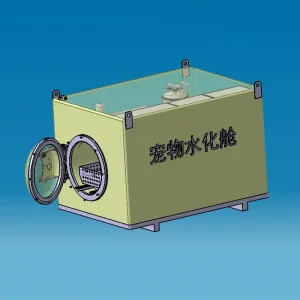
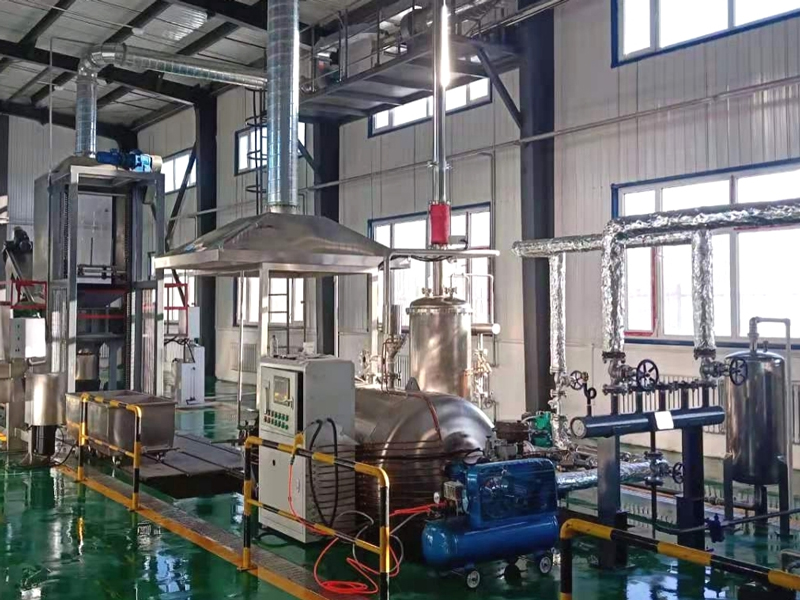
Integrated bio-safety containment system utilizing high-temperature hydrolysis.
Fully automated mobile unit for high-temperature steam sterilization.
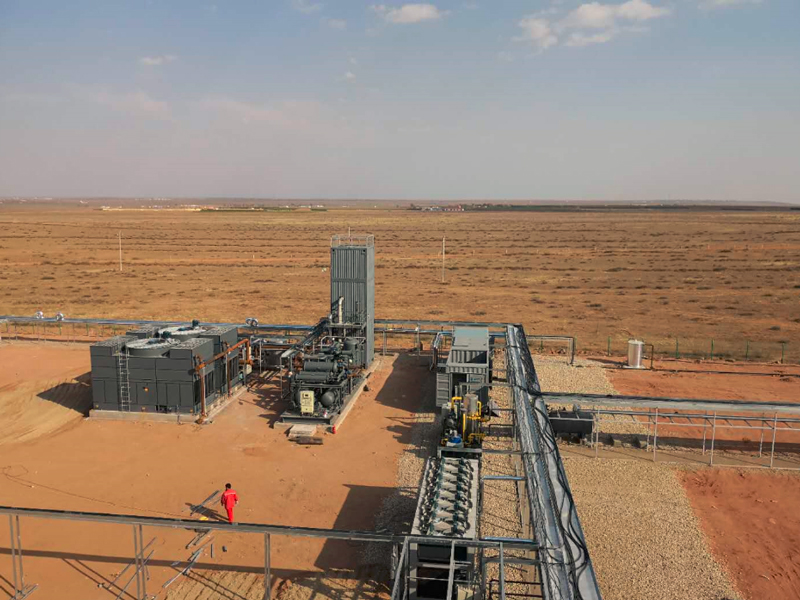
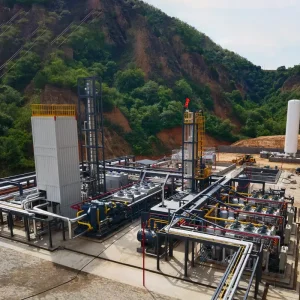
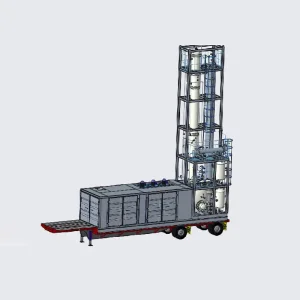
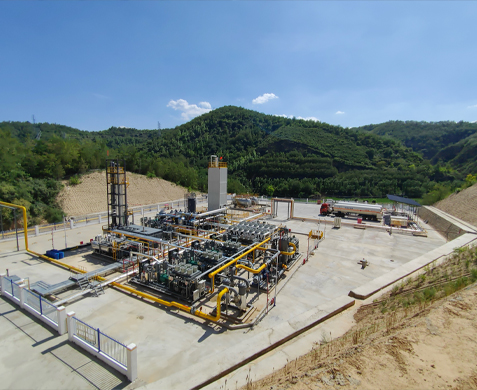
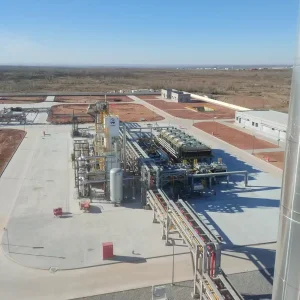
Skid-mounted plant capturing scattered natural gas from remote wells.
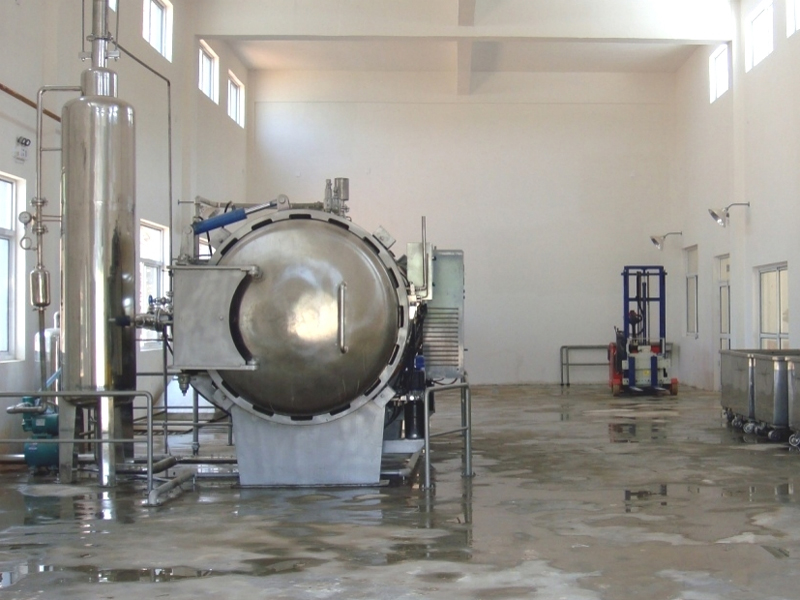
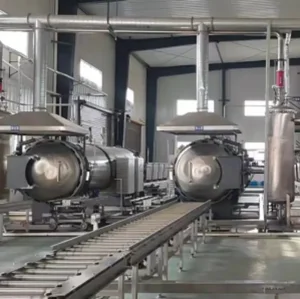
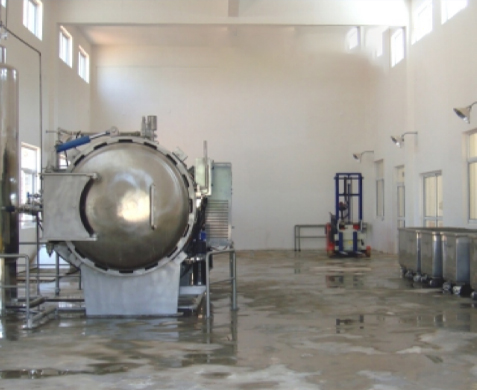
High-capacity automated autoclave system for metropolitan installations.
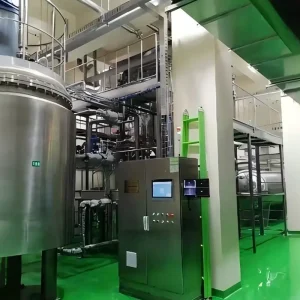
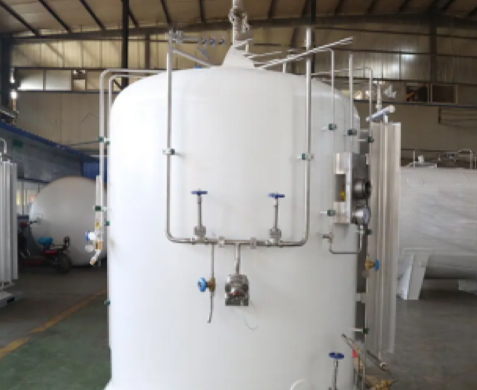
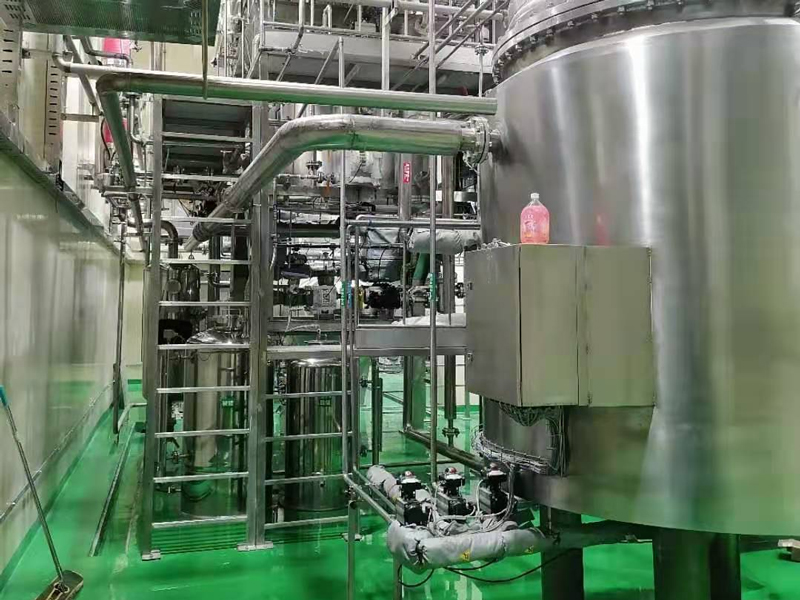
Inside our manufacturing workshops, where non-standard heavy equipment is fabricated.
Categorized competencies detailing our core capabilities in environmental protection, natural gas, and refrigeration.




Standard and custom parameters for specifying towers at our Langfang facility.
| Parameter Profile | Standard Specification Range | Optional High-Performance Customization |
|---|---|---|
| Shell Materials | ASTM A516 Gr.70, SS304/304L, SS316/316L | Duplex SS2205, Super Duplex SS2507, Hastelloy C-276 |
| Design Operating Pressure | -0.1 MPa (Full Vacuum) to 6.4 MPa | Up to 10.0 MPa (Custom Hydro-fracturing gas specs) |
| Thermal Limits | -40°C to 150°C | Cryogenic down to -196°C; Thermal processes up to 350°C |
| Internals Configurations | Sieve Trays, Valve Trays, Random Packing | High-efficiency Structured Packing (Mellapak type) |
| Design Codes & Certs | ASME Sec VIII Div 1, GB 150, A2 License | Direct third-party stamp options (SGS, TUV, BV) |
| Corrosion Allowances | 1.5 mm to 3.0 mm | Clad backing (SS316L/Duplex) on Carbon Steel substrate |
Detailed technical answers to common queries regarding design codes, material selection, and site assembly.
Submit your process conditions (fluid properties, temperature limits, design pressures, flow rates) to receive custom sizing calculations and engineering quotes from our CAS-backed technical department.
Submit Design RequirementsExplore our complete catalog of industrial pressure vessels, VOC recovery systems, and purification equipment.
 Hongke Qingneng