Engineered to maximize thermal transmission efficiency under high pressure, cryogenic conditions, and complex chemical processes.
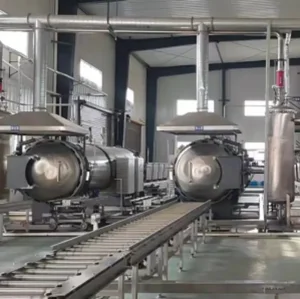
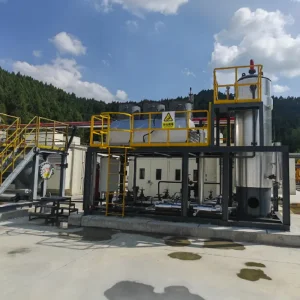
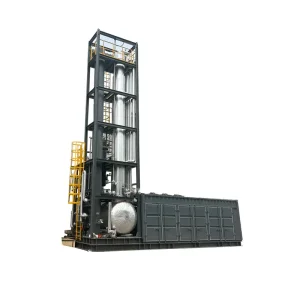
Across modern industrial landscapes, thermal energy accounts for over 50% of the total energy footprint. As global imperatives transition rapidly towards decarbonization, the design of heat exchange systems has evolved from a routine process engineering requirement to the core determinant of operational efficiency and system durability.
Today, industries such as cryogenics, natural gas processing, chemical synthesis, and waste containment require systems that operate at the extreme envelopes of thermodynamics. Modern processing plants must handle multi-phase flows, corrosive hydrocarbons, and ultra-cryogenic temperatures down to -180 °C. Standard off-the-shelf heat exchangers fail to meet these demands, creating a vital need for integrated, custom-engineered skid-mounted solutions that optimize phase-change heat transfer while safeguarding system integrity.
By integrating advanced shell-and-tube layouts, optimized fin geometry, and proprietary mixed refrigerant cycle (MRC) methodologies, modern thermal designers are achieving unprecedented Logarithmic Mean Temperature Difference (LMTD) efficiency. These technological leaps minimize energy dissipation, directly lowering structural operational expenses (OPEX) and reducing scopes 1 and 2 emissions in critical global infrastructures.
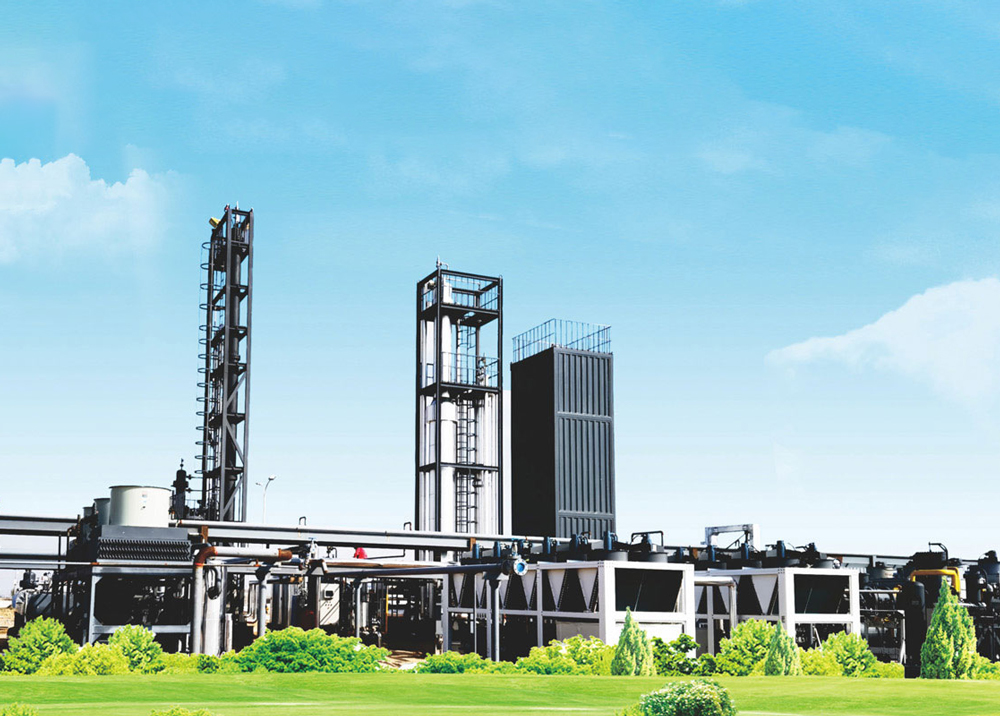
Hebei Hongke Qingneng Environmental Protection Equipment Co., Ltd. (Registered Capital: 78 Million Yuan)
Based in the high-tech industrial hub of the Sanhe Economic Development Zone, Langfang City, Hebei Hongke Qingneng Environmental Protection Equipment Co., Ltd. is a pioneer in the R&D and precision manufacturing of industrial energy conservation and waste processing platforms. Our operations span the conceptual design, thermodynamic modeling, structural fabrication, and commissioning of premium pressure vessels, cryogenic natural gas liquefaction skids, chemical VOC purification installations, and advanced medical waste processing lines.
By leveraging an elite network of thermodynamicists and engineering physicists from Tsinghua University and the Institute of Physics and Chemistry Technology of the Chinese Academy of Sciences (CAS), our systems are built upon cutting-edge cryogenic and phase-change transfer dynamics. This deep academic integration allows us to transition fundamental research from the laboratory to large-scale industrial projects across Asia, Europe, and the Middle East.
Meet the PhDs and Senior Engineers pioneering advanced thermal and cryogenic process technologies.
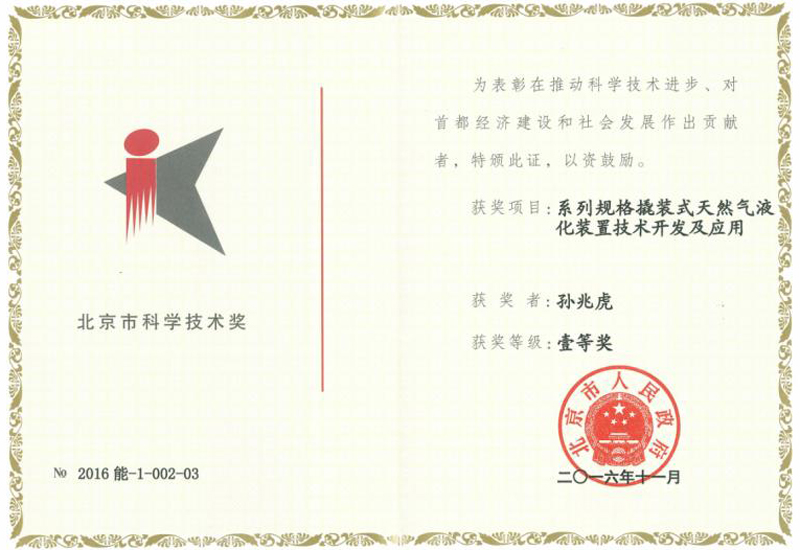
Dr. Sun holds a Ph.D. from the Institute of Physics and Chemistry Technology, Chinese Academy of Sciences (CAS). As a National Senior Engineer, he has directed various state-level energy developments, including the National 863 Program. With awards from the Chinese Society of Engineering Thermophysics and the Beijing Science & Technology Commission, Dr. Sun oversees all technology integrations and patent developments for our industrial gas liquefaction and environment systems.
A doctoral candidate and Senior Engineer at the Institute of Physics and Chemistry Technology, CAS, Dr. Zou manages our engineering business and industrial operations. Author of 24 scholarly papers (including 11 SCI/EI indexed articles) and holder of 5 national patents, his research in thermodynamics won the Beijing Science and Technology Award and the Silver Medal of the 19th China International Industry Expo.
Dr. Cheng earned his Doctor of Engineering from CAS. He is a primary architect of our specialized skid-mounted natural gas liquefaction systems. His research centers on fluid dynamics and phase change heat transfer characteristics of mixed working mediums, earning him the 2015 Technological Invention Award of the Chinese Society of Refrigeration and the 2016 Beijing Science & Technology Award.
Procuring heat exchange systems and skid-mounted energy systems from our facility offers significant industrial advantages:
Comprehensive thermal, gas treatment, and environmental protection categories engineered for demanding industrial operations.




Deploying specialized heat exchange and purification systems across challenging global projects.
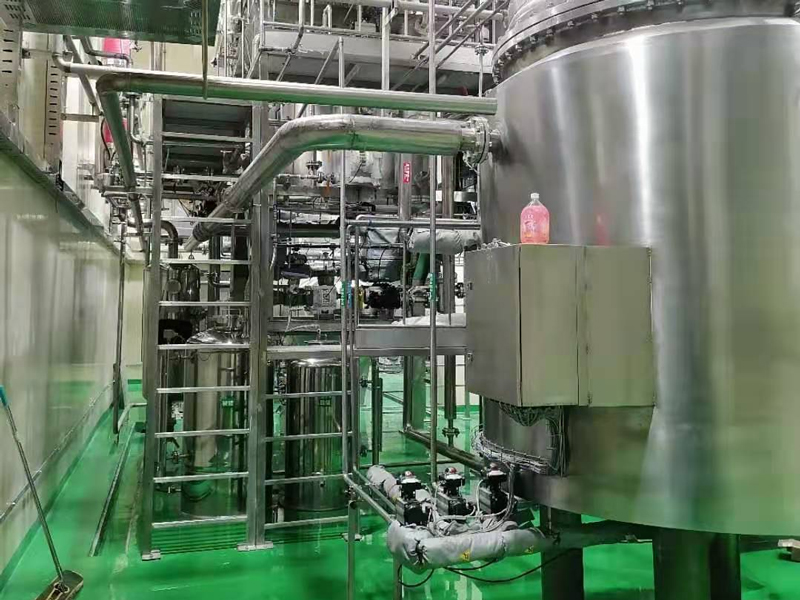
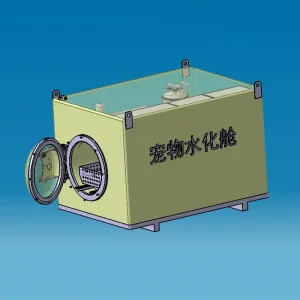
Ensures complete biological safety and containment of bio-hazardous animal tissue residues via rapid high-temperature saturated steam hydrolysis.
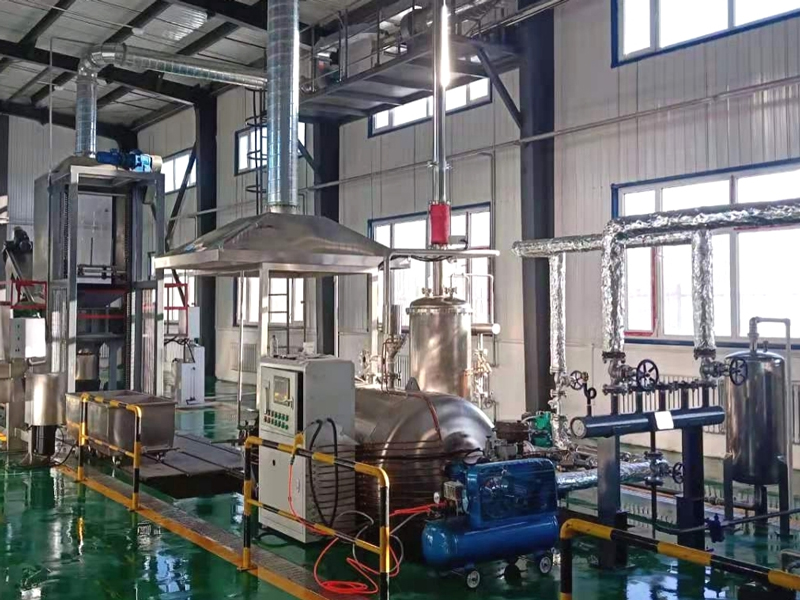
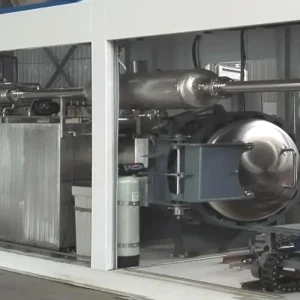
A self-contained system featuring steam sterilization, mechanical shredding, and odor containment for rural and emergency medical waste processing.
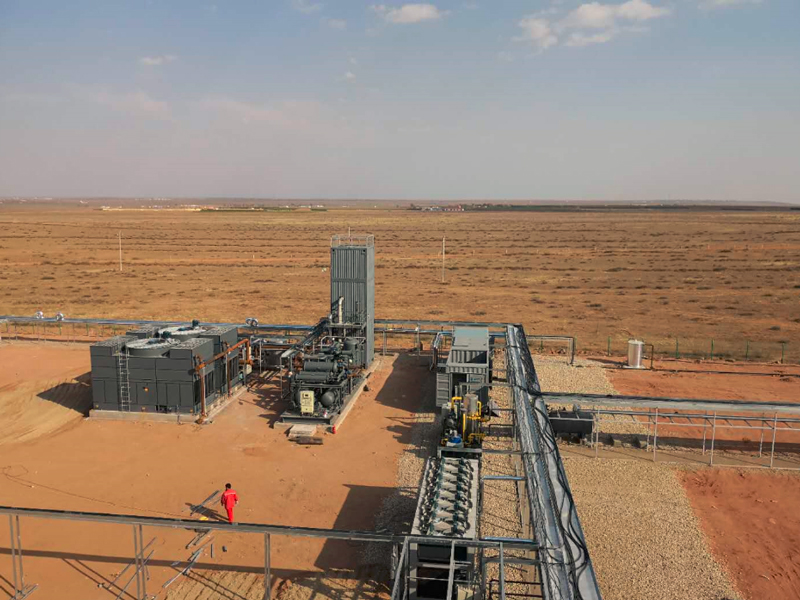
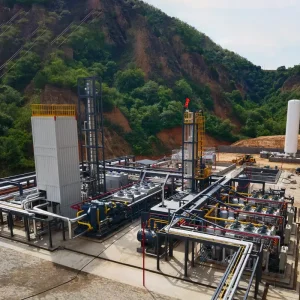
Captures localized shale or associated coalbed gas. Integrates deacidification, dehydration, and heavy hydrocarbon recovery into a portable chassis.
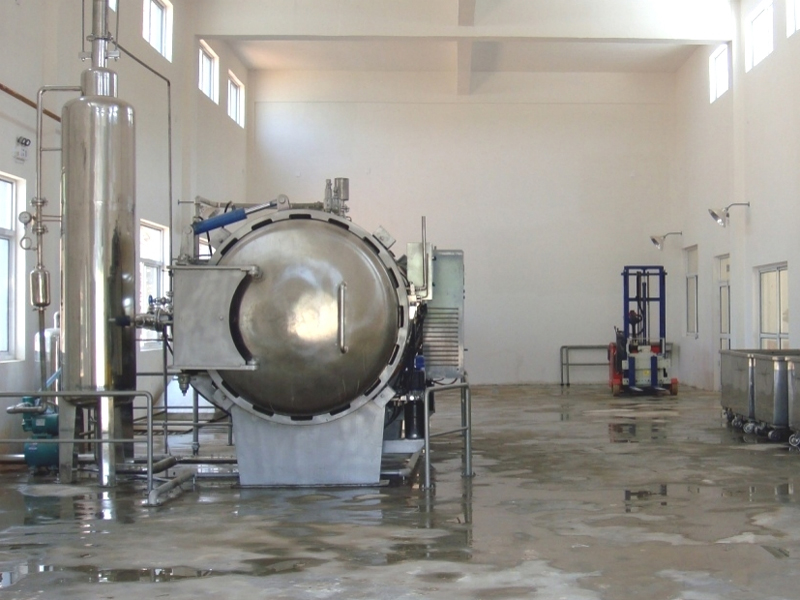
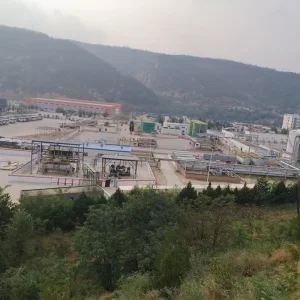
A large-scale plant processing up to 30 tons of waste daily. Employs advanced automated sterilization and energy recovery to cut operating costs.
High-efficiency phase-change dynamics and multi-stage purification configurations.
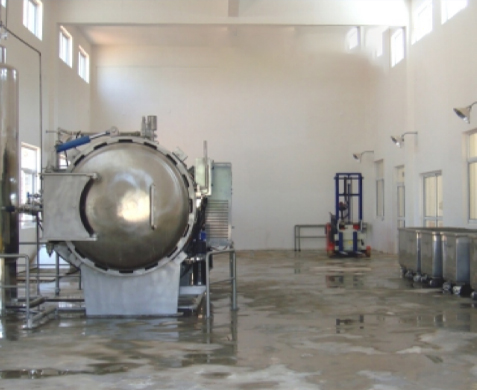
Key technical criteria for engineering procurement managers assessing high-performance thermal systems.
When engineering procurement teams evaluate modular heat exchange and purification systems, structural safety and thermal performance are critical. Key parameters to monitor include:
How technological advances are shaping the future of global thermal management.
Three main structural shifts are driving the development of modern heat exchange systems:
1. Helium Recovery & Purification (BOG Extraction): As high-tech manufacturing, medical imaging, and aerospace raise global demand for helium, extracting trace helium from LNG Boil-Off Gas (BOG) has become highly profitable. This process requires precise multi-stage cryogenic separation, demanding highly efficient heat exchangers and advanced liquefaction designs.
2. Decarbonization & Flaring Reduction: Regulatory bodies are tightening restrictions on gas flaring. Remote oil and gas wells now deploy mobile gas recovery and skid-mounted liquefaction systems to capture associated gas directly, transforming a waste product into high-value LNG.
3. Advanced VOC Abatement: Standard combustion methods are being replaced by condensation recovery and multi-stage carbon adsorption. These systems capture valuable volatile organic compounds, protecting the environment while recovering useful materials.
Technical answers to common questions about thermal systems, natural gas treatment, and environmental systems.
Our factory is certified with the A2-level Pressure Vessel Manufacturing License, Pressure Pipeline Component Manufacturing License, GB/T19001-2016/ISO 9001 quality system standards, and Chinese national petroleum system safety certifications (Sinopec HSSE/China Petroleum Health, Safety and Environment Management System). All pressure-retaining parts undergo strict non-destructive testing (RT/UT/PT) and hydrostatic testing before delivery.
By integrating structural piping, instrumentation, heat exchangers, valves, and electrical systems into a single modular steel frame, our systems are fully pre-commissioned at our facility. This minimizes on-site structural works, reduces local installation labor requirements, and cuts project execution schedules by up to 50% compared to site-erected plants.
For systems operating from -40 °C to -180 °C, we use multi-stage cascade refrigeration and mixed refrigerant cycles (MRC). Developed in partnership with CAS scientists, these designs optimize phase-change heat transfer and reduce compressor power demands by up to 20% compared to typical single-refrigerant systems.
Yes. Our customized gas purification skids feature advanced chemical solvent absorption (MDEA/MEA scrubbing) along with molecular sieve dehydration. This process removes H2S and CO2 down to pipeline and liquefaction requirements, preventing low-temperature freezing and corrosion.
Our systems use high-pressure saturated steam injection to ensure thorough heat penetration. Operating at temperatures between 134°C and 138°C, our centralized and mobile units achieve a certified 6-log microbial reduction, ensuring safe, rapid, and complete sterilization.
Discover our complete line of non-standard pressure vessels, purification columns, and industrial cooling components.
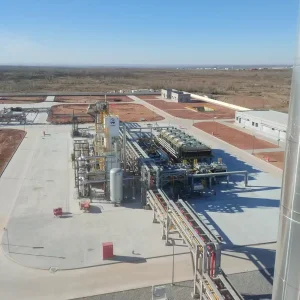
Technical parameters for our specialized heat exchange, pressure vessel, and environmental units.
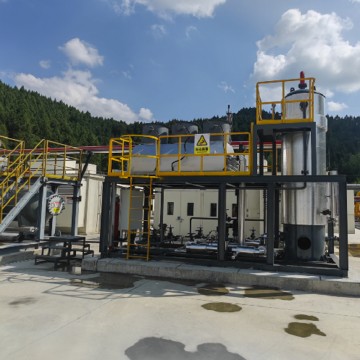
Designed to extract natural gas liquids and recover hydrocarbon tail gases. These systems reduce environmental venting and maximize thermal output in regional gas fields.
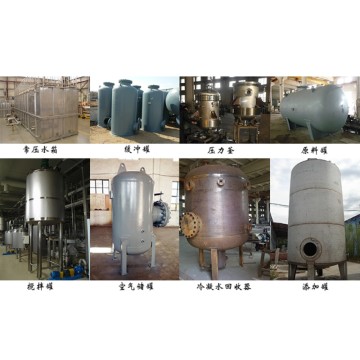
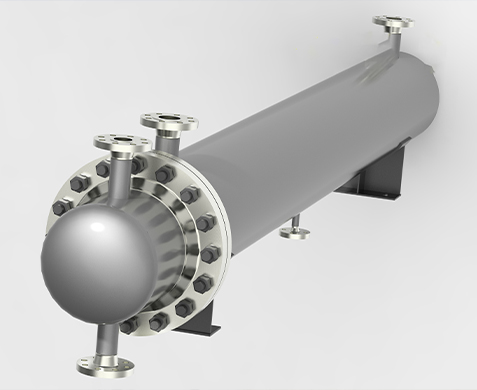
Custom-fabricated shell-and-tube heat exchangers and chemical reactors. Certified to A2 and GB-150 standards for high-temperature and high-pressure duties.
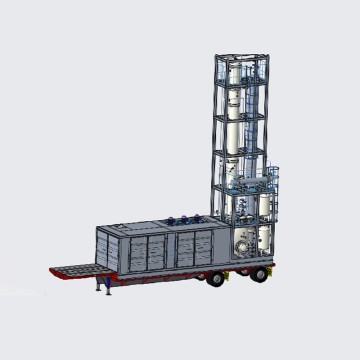
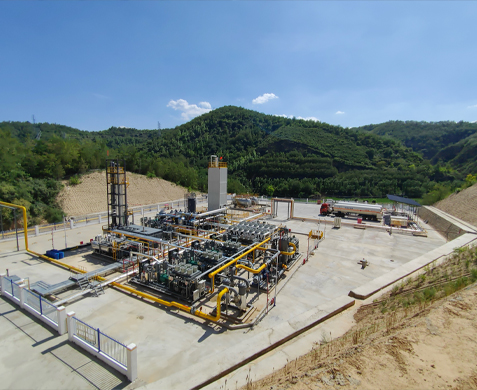
Highly compact natural gas liquefaction plants designed for mobile installation at remote wellheads, flare gas recovery sites, and shale gas wells.
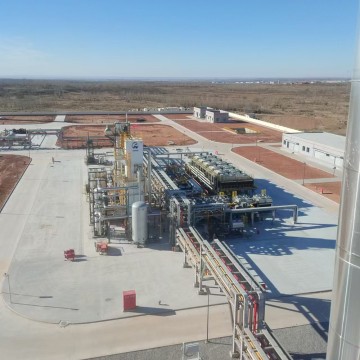
Complete lifecycle systems featuring mixed refrigerant cycles (MRC). Designed for high thermal efficiency and simple site integration.
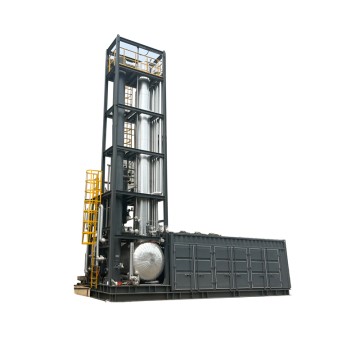
Engineered for amine deacidification, molecular sieve dehydration, and heavy hydrocarbon recovery. Protects downstream cryogenic systems from freezing and corrosion.
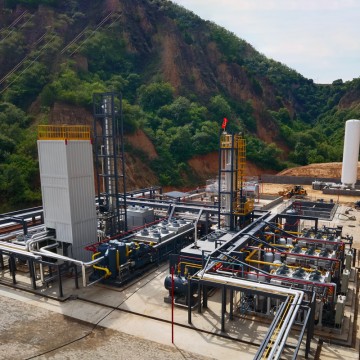
Fully skid-mounted liquefaction equipment designed for quick transport, rapid setup, and minimal structural field prep.
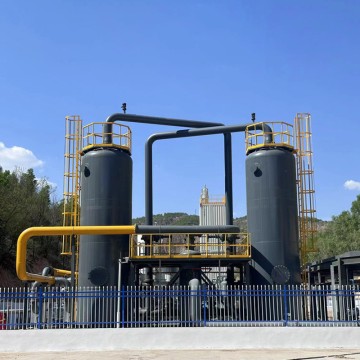
High-capacity systems that clean gas and remove hydrogen sulfide. Essential for treating chemical plant tail gases and gas processing lines.
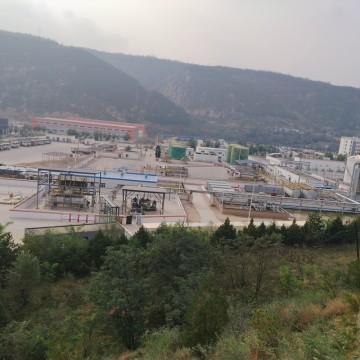
Multi-stage purification units that capture emissions from painting, refining, and chemical processing to meet global emissions standards.
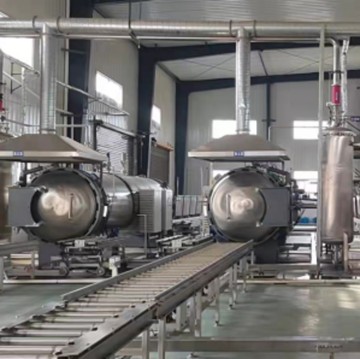
High-pressure steam sterilization chambers designed for hospitals and regional processing facilities to eliminate bio-hazards.
 Hongke Qingneng