Explore our cutting-edge manufacturing inventory, optimized for durability, high pressure parameters, and optimal safety control.
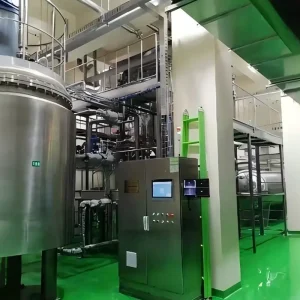
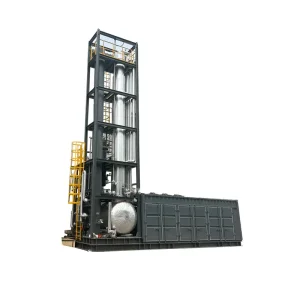
Modern process engineering demands extreme reliability, safety, and operational efficiency. The market for industrial autoclave reactors is witnessing a paradigm shift driven by stringent global environmental protocols, safety compliance, and the need for optimized lifecycle costs. As key components in biochemical processing, waste sterilization, and materials chemistry, industrial autoclave reactors have evolved from basic pressure vessels into complex, automated cyber-physical systems.
One major trend is the standardization of modular, skid-mounted architectures. By assembling valves, heat exchangers, instrumentation, and control units onto a unified structure, manufacturers drastically reduce onsite installation footprint, limit thermal stress points, and minimize structural failure rates. Furthermore, the integration of advanced thermodynamic cycles helps mitigate energy loss, capturing waste heat from high-temperature sterilizers and utilizing it in pre-heating phases.
Moreover, modern autoclave designs focus intensely on material resilience. The use of premium-grade alloys such as SS316L, duplex steels, and Hastelloy overlays protects internal compartments from chemical attack and mechanical wear. As a top China manufacturer, Hebei Hongke Qingneng matches high-precision engineering with world-class metallurgical research, offering custom autoclave configurations capable of sustaining continuous pressure and high temperatures.
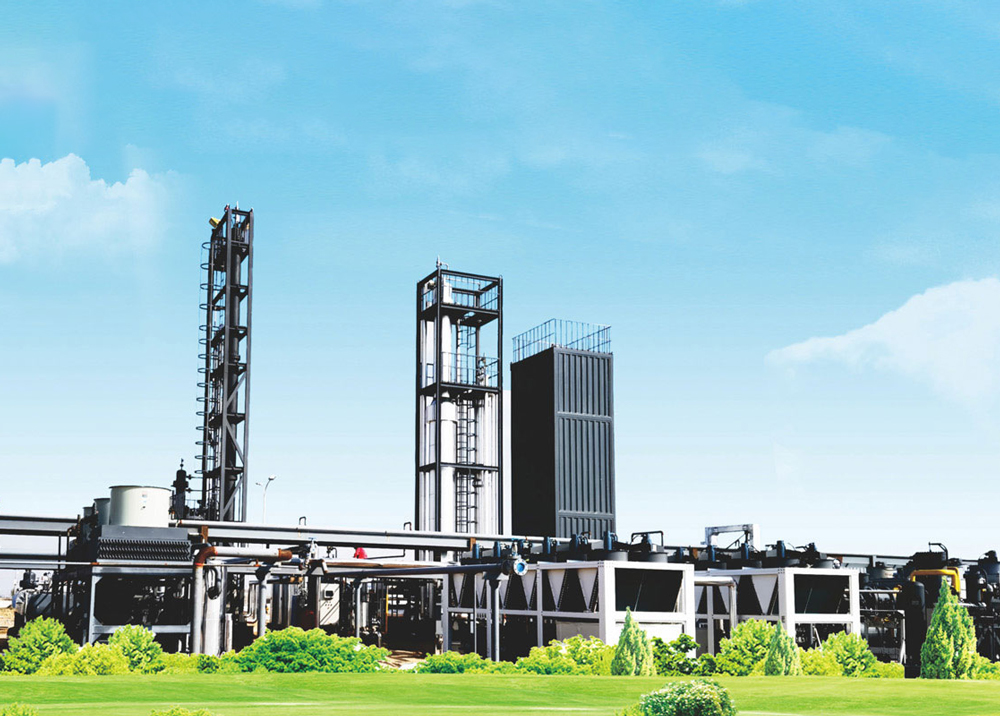
Backing our manufacturing capabilities with scientific rigor, research alliances, and international quality credentials.
Our research pipeline is driven by professional engineering talents from Tsinghua University and the Institute of Physics and Chemistry Technology, Chinese Academy of Sciences (CAS). We focus on thermodynamics, phase change mechanisms, and structural structural safety analysis of autoclave devices and pressure vessels.
We hold the prestigious A2-level Pressure Vessel Manufacturing License and the Pressure Pipeline Component Manufacturing License. Fully certified under GB/T19001-2016 / ISO9001, and compliant with Sinopec HSSE / China Petroleum Safety Management Systems.
We build our reactors to contribute actively to carbon emission reductions, natural resource conservation, and waste containment. Our systems are engineered to facilitate thermal energy recycling, minimizing environmental foot-print across heavy industrial processes.
Engineered by leading experts, senior engineers, and academics from the Chinese Academy of Sciences (CAS).
Holds a Doctor's Degree from the Institute of Physics and Chemistry Technology, CAS. Awarded the title of National Senior Engineer. Dr. Sun has led multiple projects under the National 863 Program, Aerospace & Military R&D efforts, and the National Natural Science Foundation of China. Recipient of the Special Prize of Technological Invention by the Chinese Society of Refrigeration (2015) and the Beijing Science & Technology Award (2016). Presided over 20+ independent R&D patents.
Ph.D. candidate at the Institute of Physics and Chemistry Technology, CAS. Leading market operations and technical management for several years. Published 24 academic papers (11 indexed in SCI/EI) and secured 5 national invention patents. Honored with the Silver Medal of the 19th China International Industry Expo (2017) and the first prize of Beijing Science and Technology Award.
Doctor of Engineering from the Institute of Physics and Chemistry Technology, CAS. Renowned for his research on skid-mounted natural gas liquefaction systems, phase change heat transfer parameters, and non-equilibrium flow dynamics. Over 15 years of experience translating advanced laboratory thermodynamics into robust industrial engineering realities.
Procuring large-scale pressure equipment demands extensive verification of compliance standards, manufacturing precision, and quality control systems. For international procurement managers, the key parameters span across certifications, material compositions, validation testing, and customization options:
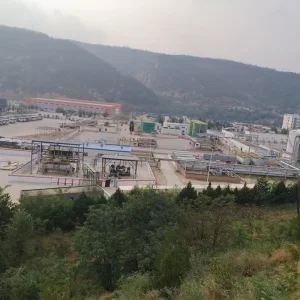
Our manufacturing base in the Sanhe Economic Development Zone, Langfang, combines advanced CNC machining centers, automated welding bays, and on-site testing stations, enabling us to guarantee absolute conformance to custom global engineering projects.
Our facilities are fully authorized to design, roll, weld, and inspect heavy-wall pressure vessels (Category I, II, III). We integrate multi-pass submerged arc welding (SAW) and post-weld heat treatment (PWHT) to eliminate stress concentrations.
Every single autoclave unit is subjected to hydro-testing at 1.3 to 1.5 times the design pressure limit, accompanied by non-destructive testing (NDT), helium leak checks, and strict calibration of safety relief valves.
Operational installations showcasing technical performance and environmental benefits across diverse sectors.
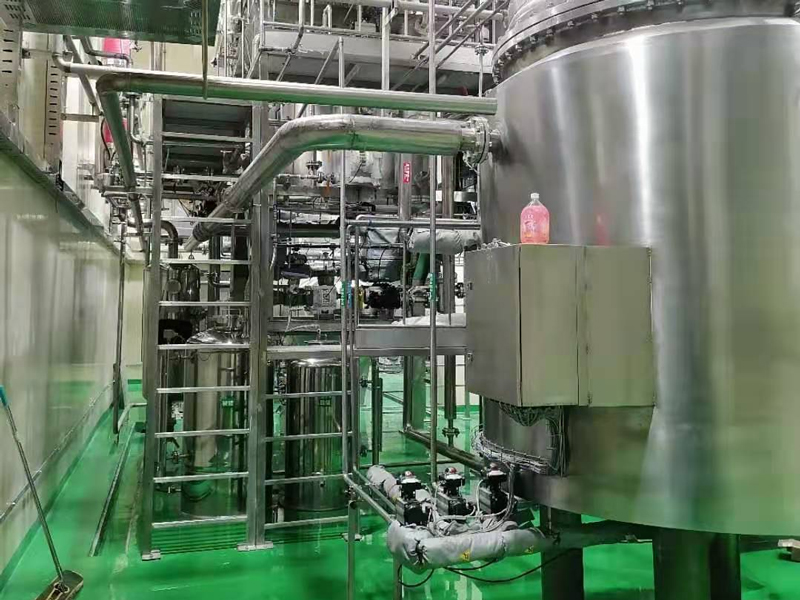
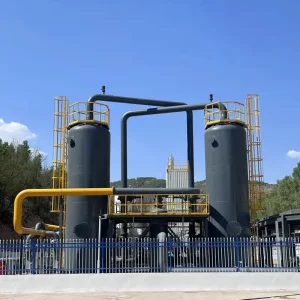
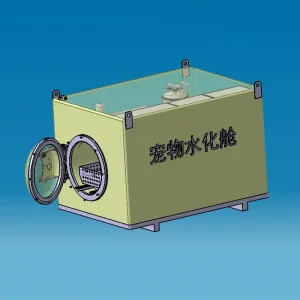
High-efficiency, high-temperature hydrolysis system built for top-tier clinical and research laboratories.
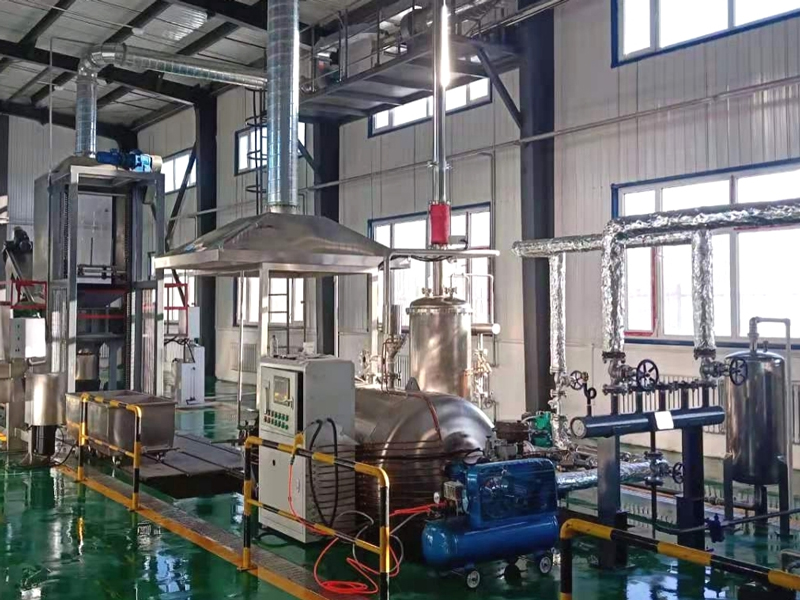
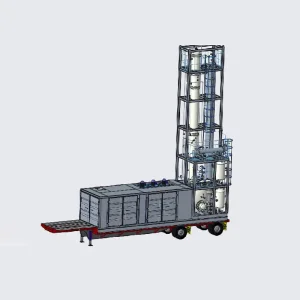
Rapid response containerized thermal autoclaves for on-site medical waste disinfection in isolated locations.
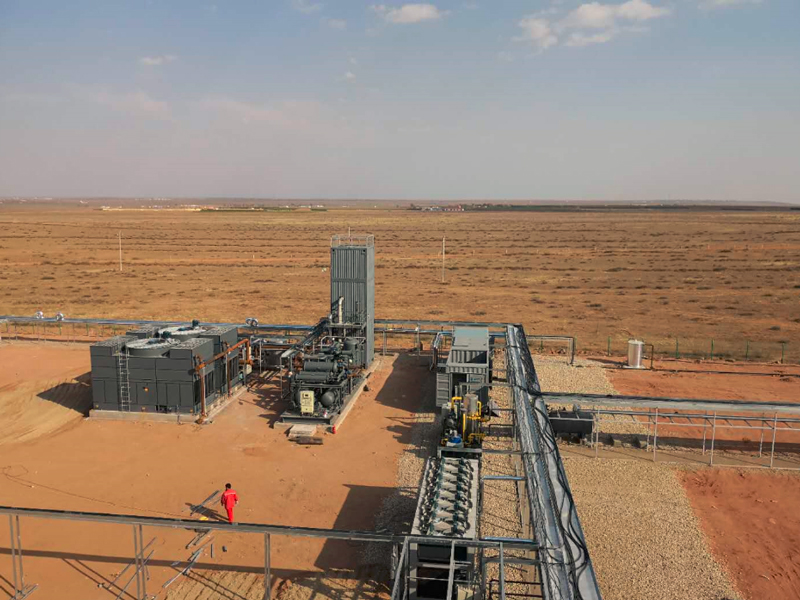
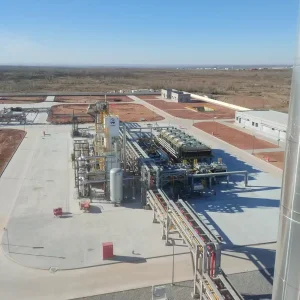
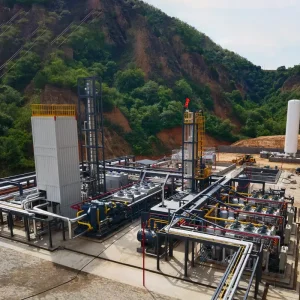
Skid-mounted purification and cryogenic natural gas liquefaction plant deployed directly at the wellhead.
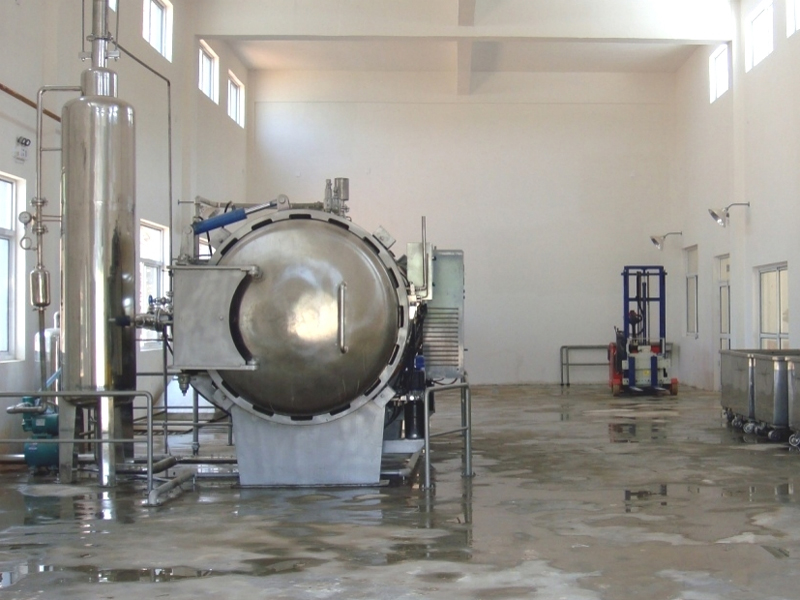
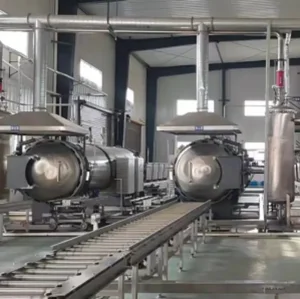
Heavy-duty, automated autoclave systems featuring automatic loading, sterilization, shredding, and deodorization.
Bridging the gap between specialized pressure vessels and fully integrated, modular environmental technologies.
Biological waste treatment requires absolute safety. Our high-temperature steam medical waste treatment systems deploy advanced pressurized thermal cycles. These units maintain high internal temperatures (typically 134°C or higher) at sustained pressures for precise periods, ensuring total destruction of pathogen strains. The automated process controls regulate steam distribution, prevent vacuum lockouts, and manage biological effluents, converting hazardous medical waste into safe, manageable dry residue.
Available in centralized plant configurations or containerized/mobile platforms, these units offer local municipal bodies and remote healthcare facilities immediate, reliable disposal capability.
For shale gas, coalbed methane (CBM), and marginal natural gas reserves, transport logistics represent a major challenge. Our custom skid-mounted purification and liquefaction modules provide a localized solution. By integrating carbon dioxide removal (deacidification), molecular sieve drying (dehydration), and heavy hydrocarbon filtration, we prepare raw hydrocarbons for low-temperature refrigeration cycles.
Designed by our CAS thermodynamics team, these plants employ optimized mixed refrigerant (MR) cascades to operate efficiently even at low-capacity configurations (10,000 to 200,000 Nm³/day).
Innovation-driven initiatives that will shape the next generation of industrial process autoclave reactors.
Looking ahead, the industrial autoclave industry must adapt to a multi-faceted design environment characterized by extreme automation, carbon neutrality, and predictive diagnostics. Hebei Hongke Qingneng is systematically developing solutions along three main technology pathways:
Future autoclave reactors will feature sensory networks coupled with cloud diagnostic systems. By continuously measuring thermal profiles, valve cycle counts, gasket wear parameters, and transient strain cycles, our smart software platforms will predict mechanical failure incidents before they occur, scheduling preventive maintenance phases and reducing unplanned factory downtime.
By optimizing our vacuum cold trap systems (-135°C) and helium recovery units, we target the capture of low-concentration industrial tail gases, helping chemical plants harvest rare gases (such as helium) and recover volatile organic compounds (VOCs) with minimal operational energy input.
We are engineering autoclave reactors to work with clean energy heat sources. By redesigning internal heat-exchanger tube arrays and incorporating advanced phase-change thermal storage batteries, we allow factories to capture and store excess renewable electricity as thermal energy, releasing it precisely during sterilization operations to dramatically reduce Scope 1 carbon footprints.
Deep-dive answers to common engineering questions regarding autoclave reactor specifications, safety, and design parameters.
Our pressure vessel systems are manufactured under the China A2-level Pressure Vessel Manufacturing License, compliant with the national GB150 standards. For international procurement, we offer alignment with ASME Section VIII Division 1 & 2 and EU Pressure Equipment Directive (PED) compliance standards. In addition, our manufacturing processes are certified under GB/T19001-2016 / ISO9001 Quality Management Systems, alongside PetroChina and Sinopec HSSE management system validations.
For standard bio-waste sterilization, we utilize high-alloy austenitic stainless steels such as SS316L (UNS S31603) due to its resistance to chloride-induced pitting. For highly corrosive chemical processes or aggressive hydrolysis applications (e.g., animal carcass processing with high chemical additives), we supply reactors built from duplex stainless steel (e.g., S32205) or lined with high-nickel alloys like Hastelloy C-276 to prevent stress corrosion cracking (SCC).
Skid mounting pre-integrates all critical peripheral equipment—including piping, valves, feed pumps, heat exchangers, instrumentation sensors, and PLC electrical enclosures—onto a structural steel frame. This frame is designed, assembled, and fully tested at our Langfang factory. When delivered to the site, installation only requires connection to process utilities and external electrical networks, reducing installation time by up to 70% and minimizing onsite assembly errors.
Safety is our highest engineering priority. Our autoclaves feature mechanical safety interlocks that prevent the main door from opening while internal pressure exceeds 0.02 MPa. Additionally, redundant mechanical safety valves, electronic pressure transmitters that trigger automatic exhaust sequences, and integrated PLC-driven emergency shut-down (ESD) programs provide defense-in-depth security against over-pressure events.
Yes. Supported by our engineering design partnership with the Chinese Academy of Sciences, we construct custom lab-scale reactor vessels and experimental test benches. These can feature tailored sensor arrays, high-accuracy temperature controls, sapphire window sights, and localized thermal jackets suitable for specialized research and development applications.
Discuss your custom autoclave specifications, certifications, and delivery timelines directly with our senior technical specialists.
Review our specialized gas treatment, refrigeration, and eco-friendly sterilization assemblies.
 Hongke Qingneng