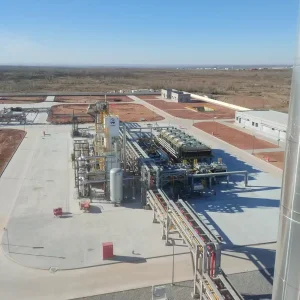
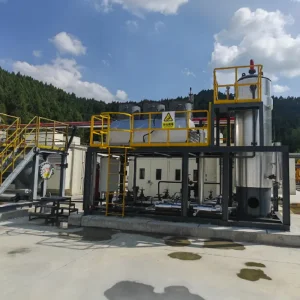
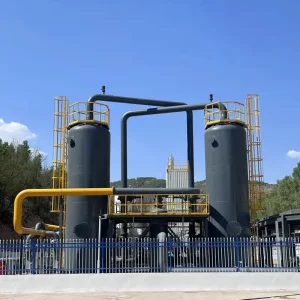
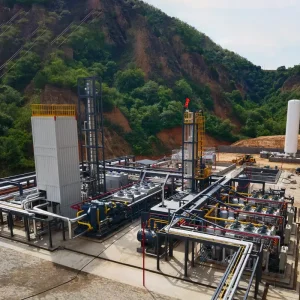
China Top LNG Heat Exchanger Manufacturers & Technical Innovators

Premium Cryogenic Engineering, Custom Pressure Vessels, and Skid-Mounted Natural Gas Liquefaction Solutions Powered by Advanced R&D

Premium Cryogenic & Environmental Systems

Discover our cutting-edge selection of industrial heat exchangers, specialized pressure vessels, and mobile environmental treatment systems engineered for maximum performance and compliance.
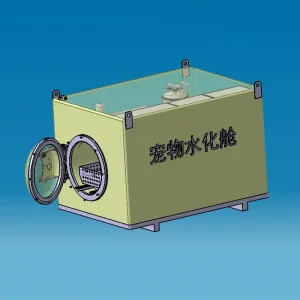
China Environmentally Friendly Pet Hydration Chamber

China Environmentally Friendly Pet Hydration Chamber

View Details
China Mobile Medical Waste Disposal Equipment

China Mobile Medical Waste Disposal Equipment

View Details
China Liquefaction Plant Solutions

China Liquefaction Plant Solutions & Systems

View Details
Natural Gas Treatment Plant Exhaust Gas Recovery

Natural Gas Treatment Plant Exhaust Gas Recovery Equipment

View Details
China Desulphurisation Equipment Suppliers

China Desulphurisation Equipment High-Quality Solutions

View Details
Skid-Mounted LNG Liquefaction Equipment

China Skid-Mounted LNG Liquefaction Equipment

View Details
High-Temperature Hydrolysis Treatment Equipment

Laboratory Animal Carcass High-Temperature Hydrolysis Equipment

View Details
High-Quality Mobile Medical Waste Disposal Equipment

High-Quality Mobile Medical Waste Disposal Equipment

View Details

Global Business and Industrial Landscape of LNG Heat Exchangers

The international transition toward clean, lower-carbon fuels has placed liquefied natural gas (LNG) at the center of the global energy mix. Key to the LNG supply chain are high-performance cryogenic heat exchangers, which are essential for liquefying natural gas at temperatures down to -162°C (-260°F). These units operate under demanding thermal stresses and must support huge volumetric flows while maintaining superior thermodynamic efficiency. China's top LNG heat exchanger manufacturers have emerged as critical global players, combining cost-effectiveness with academic research and rigorous quality control to meet international engineering standards.

Industrial operations require various heat exchanger designs tailored to specific process demands. The primary technologies include Wound-Tube (Coil-Wound) Heat Exchangers (CWHE), Plate-Fin Heat Exchangers (PFHE), and high-pressure Shell & Tube configurations. Selecting the right design depends on gas composition, pressure limits, footprint limits, and flow rates. For large baseload liquefaction plants, coil-wound variants are preferred due to their high mechanical durability under thermal cycling. Meanwhile, compact skid-mounted setups typically use plate-fin configurations to maximize surface-area-to-volume ratio.

“Improving cryogenic heat transfer coefficients while preventing phase maldistribution is a core goal in modern LNG plant design. Our engineering team, in partnership with top scientific institutes, focuses on refining phase change models for multi-component mixed refrigerants.”

Industry Trends: Decarbonization and Technical Innovations

The global cryogenic market is moving toward high-efficiency, zero-emission process designs. Key technical trends include:

  • Modularization & Skid-Mounted Units: Standardized, factory-tested skid setups minimize field construction costs and allow rapid deployment for shale gas and associated gas recovery.
  • Helium Extraction from BOG: As helium demand rises, modern LNG liquefaction plants are integrating BOG (Boil-Off Gas) recovery systems with built-in helium purification and extraction stages.
  • Hydrogen Integration: Research is expanding into heat exchangers that support hydrogen-blended natural gas or liquid hydrogen carriers, which require operating temperatures down to -253°C.
  • Advanced Phase Change Simulation: Using Computational Fluid Dynamics (CFD) to model mixed refrigerant evaporation patterns inside multi-pass microchannels ensures optimal heat transfer without freezing risks.
78M
Registered Capital (RMB)
A2
Pressure Vessel Certification
50+
Skid-Mounted Units Delivered
20+
Proprietary R&D Patents

Academic Authority and Corporate Profile

Hebei Hongke Qingneng Environmental Protection Equipment Co., Ltd. was established in June 2021, with a registered capital of 78 million yuan. Located in the industrial base of Sanhe Economic Development Zone, Langfang City, the company focuses on R&D and manufacturing for the energy conservation and environmental protection sectors.

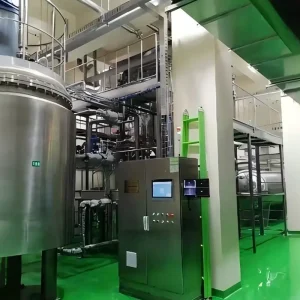
We specialize in designing and manufacturing high-performance pressure vessels, medical waste high-temperature steam treatment units, laboratory animal tissue treatment equipment, and biological wastewater systems. Our core expertise lies in skid-mounted assembly for coalbed methane, shale gas, and natural gas purification/liquefaction, VOC mitigation, industrial refrigeration, and BOG helium extraction systems.

Our engineering standards are backed by Class A2 pressure vessel manufacturing licenses, pressure pipeline component manufacturing licenses, GB/T19001-2016 quality system certification, and Sinopec HSSE/China Petroleum Health, Safety, and Environment Management System certifications. This regulatory compliance ensures every heat exchanger and pressure vessel we produce meets global quality and safety expectations.
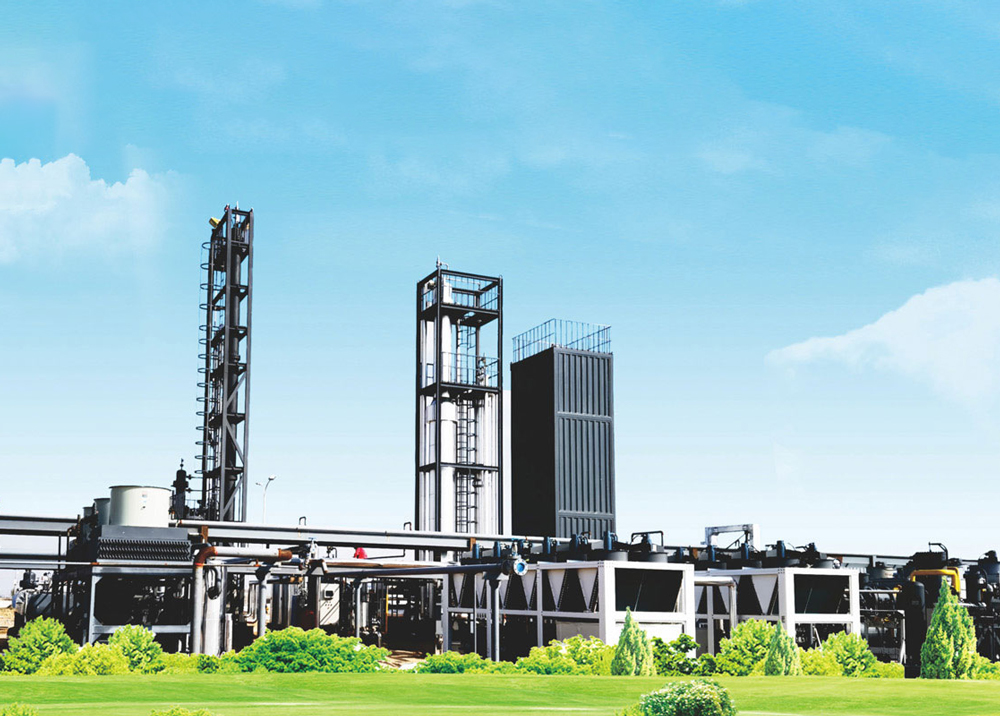
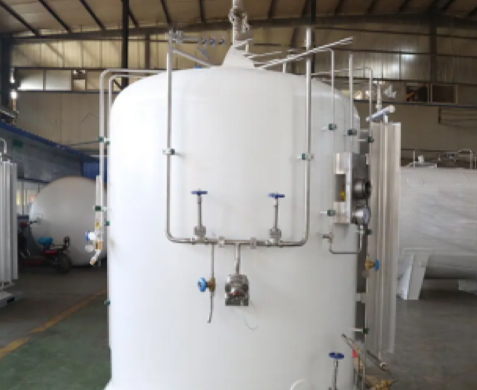
Hebei Hongke Qingneng Facility & Equipment

Distinguished Technical Leadership Team

Our competitive advantage is driven by academic research and technical expertise. Our leadership team consists of cryogenic engineering specialists from top institutions like Tsinghua University and the Institute of Physics and Chemistry Technology, Chinese Academy of Sciences (CAS):

Founder & Chairman

Dr. Sun Zhaohu

Dr. Sun holds a Ph.D. from the Institute of Physics and Chemistry Technology, CAS, and is a National Senior Engineer. He has led major research projects, including the National 863 Program, CAS Knowledge Innovation projects, and aerospace initiatives. His technical contributions have earned him the Special Prize of Technological Invention from the Chinese Society of Refrigeration and the First Prize of the Beijing Science and Technology Award. He holds more than 20 independent R&D intellectual property rights and has oversaw the delivery of over 50 skid-mounted liquefaction plants.

General Manager

Dr. Zou Xin

A Ph.D. candidate and Senior Engineer at the Institute of Physics and Chemistry Technology, CAS, Dr. Zou manages our market development and business operations. He has led several national research projects, including the "12th Five-Year Plan" major science and technology initiatives. Dr. Zou has published 24 peer-reviewed academic papers (including 11 indexed in SCI/EI), holds 5 patents, and received the 2016 First Prize of the Beijing Science and Technology Award.

Chief Engineer

Dr. Cheng Kuwei

Dr. Cheng received his Doctor of Engineering from the Institute of Physics and Chemistry Technology, CAS. He specializes in process design for modular natural gas liquefaction plants, focusing on phase change heat transfer and multi-component mixed refrigerant flow characteristics. He has successfully bridged the gap between theoretical heat transfer models and heavy industrial cryogenic applications.

Technology Roadmap: Optimizing Cryogenic Heat Transfer

Developing high-efficiency LNG heat exchangers requires addressing complex heat transfer physics. Our technical roadmap focuses on four key stages:

  1. Advanced Microchannel Design: Minimizing wall thickness while increasing surface area improves heat transfer performance without sacrificing pressure safety limits.
  2. Mitigating Maldistribution: Two-phase refrigerant flow can distribute unevenly across parallel microchannels. Our patented inlet distributors ensure uniform liquid-vapor distribution, preventing localized thermal imbalances.
  3. Robust Metallurgy for Deep Cryogenics: We construct our systems using low-temperature alloys, such as 304L/316L stainless steel and premium aluminum, to prevent low-temperature embrittlement down to -196°C.
  4. Integrated Purification & Separation: Pre-cooling units are paired with dehydration and deacidification systems to prevent trace impurities, like water and $CO_2$, from freezing and blocking the heat exchanger channels.

Core Industrial Application Scenarios

Our heat exchangers and environmental systems are deployed across several demanding applications:

Wellhead Associated Gas Recovery

Capturing and liquefying stranded wellhead gas, turning flared natural gas into valuable liquid fuel right at the source.

Peak Shaving Storage Facilities

Providing thermal efficiency during peak-shaving operations, allowing rapid gas liquefaction during off-peak times and vaporization during peak demand.

BOG Helium Extraction Plants

Cooling Boil-Off Gas to separate volatile helium from methane, recovering high-purity industrial helium.

Case Presentation

Proven track records of custom engineering, small-scale skid installations, and biological safety systems designed by our research team.
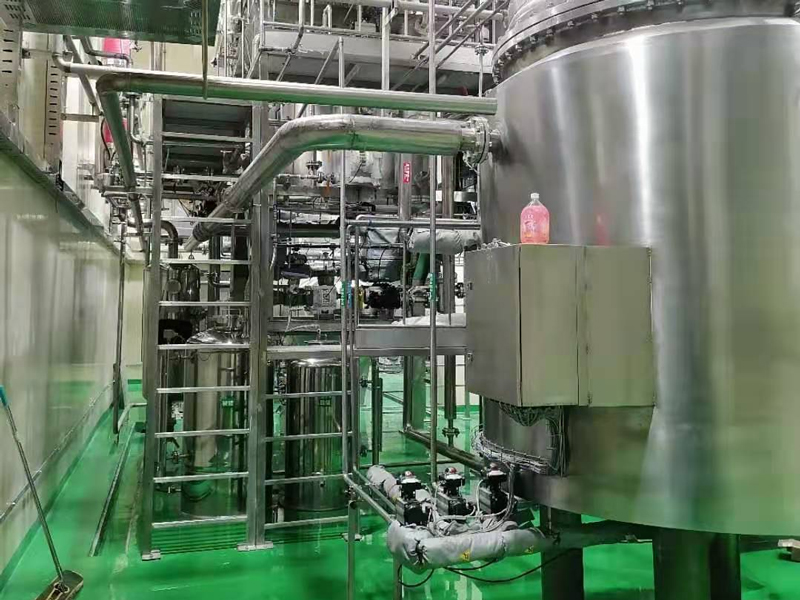
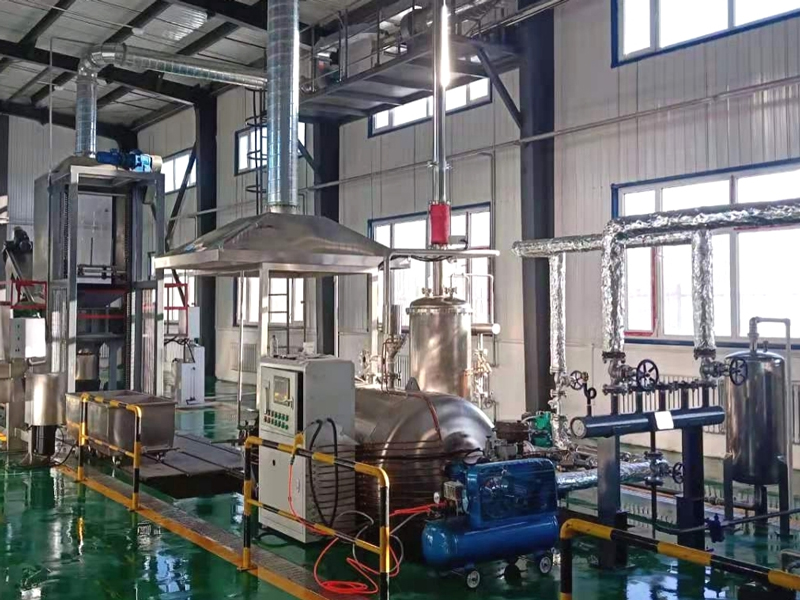
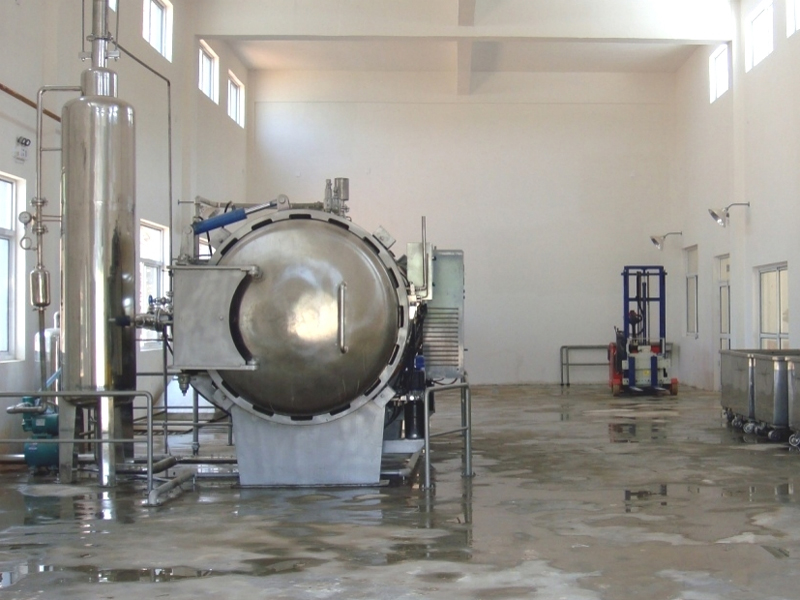
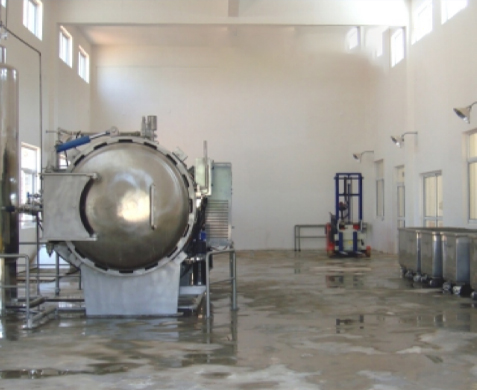
Laboratory Animal Residue Harmless Treatment
Mobile Medical Waste Disposal Equipment
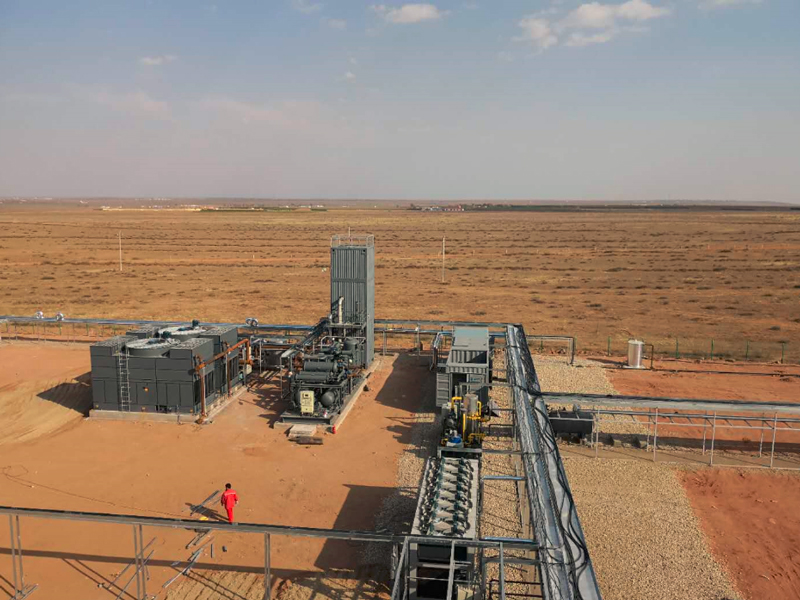
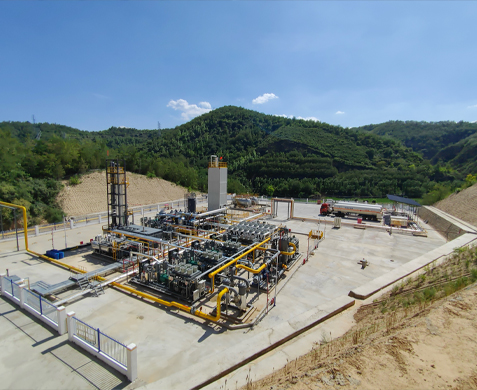
Well Gas Liquefaction Project
Centralized Medical Waste Treatment

Our Engineering Core Competencies

We support project lifecycles from initial thermodynamic calculation to final manufacturing and site commissioning, focusing on three major industrial sectors:

Environmental Protection Icon

Environmental Protection

  • Centralized medical waste high-temperature steam systems
  • Mobile medical waste disposal units
  • Animal tissue (residue) processing systems
  • Biological wastewater disinfection systems
Natural Gas Processing Icon

Natural Gas Processing

  • Skid-mounted liquefaction systems for natural & associated gas
  • Purification setups (deacidification, dehydration, heavy hydrocarbon removal)
  • End-to-end small & mid-scale liquefaction plants
Non-Standard Equipment Icon

Non-Standard Equipment

  • Custom Class A2 non-standard pressure vessels
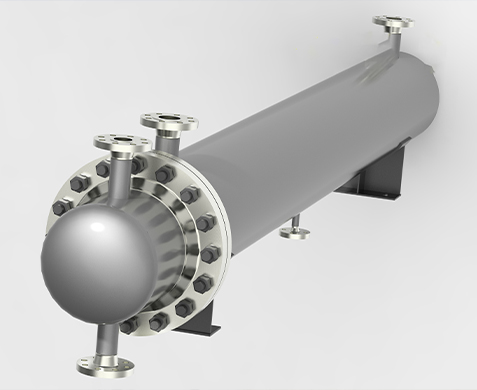
  • High-pressure shell and tube heat exchangers
  • Custom laboratory test benches & experimental loops
  • Hot air stoves & combustion chambers
Refrigeration Icon

Industrial Cryogenics

  • Ultra-low temp refrigeration (-40℃ to -180℃)
  • High-capacity freeze dryers (-70℃ to -100℃)
  • Vacuum cold traps (-135℃)
  • BOG tail gas helium extraction systems
Production Base Site 1 Production Base Site 2 Production Base Site 3 Production Base Site 4

Expert FAQ: Cryogenic Heat Exchangers & Process Design

Get clear, technical answers about thermal designs, international standards, and skid-mounted integration for gas processing.

What are the key design factors when selecting an LNG heat exchanger?
Designing an LNG heat exchanger requires balancing the mixed refrigerant (MR) composition, target flow rates, operating pressure, and thermal approach limits. The thermal design must prevent maldistribution of the liquid-vapor phases in multi-pass channels. It also must use suitable metallurgy (such as 304L/316L stainless steel) to prevent low-temperature embrittlement down to -162°C.
How do skid-mounted liquefaction systems lower project costs?
Skid-mounted systems are pre-assembled, piped, wired, and tested in our factory. This approach cuts field construction time, lowers labor costs, and minimizes commissioning delays. It is ideal for associated gas recovery, small gas fields, and shale gas wells where fast deployment is critical.
What certifications do your non-standard pressure vessels hold?
Hebei Hongke Qingneng holds the Class A2 pressure vessel manufacturing license and pressure pipeline component manufacturing license. Our manufacturing complies with GB/T19001-2016 quality systems and Sinopec HSSE / China Petroleum Health, Safety, and Environment management standards, ensuring compliance with international quality controls.
Can you separate helium from natural gas using your BOG systems?
Yes, our process configurations include specialized cryogenic distillation and separation units that extract helium from Boil-Off Gas (BOG). Using low-temperature condensation, we separate nitrogen and methane to recover high-purity crude helium.
Why is inlet feed purification essential before the liquefaction process?
Untreated natural gas contains water, carbon dioxide ($CO_2$), hydrogen sulfide ($H_2S$), and heavy hydrocarbons. In cryogenic temperatures below -100°C, these compounds freeze and block heat exchanger channels. Deacidification, dehydration, and heavy hydrocarbon removal must be completed upstream to ensure continuous, safe operations.

Industrial Gas Treatment & Pressure Vessel Systems

Explore our complete catalog of purification equipment, custom pressure vessels, and VOC treatment units engineered for clean energy industries.
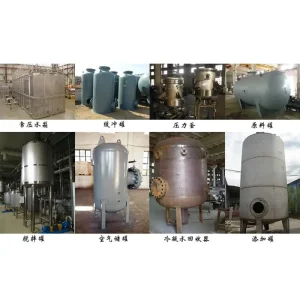
High-Quality Purification Equipment

High-Quality Purification Equipment (Deacidification, Dehydration)

View Details
Natural Gas Treatment Recovery Suppliers

Natural Gas Treatment Plant Exhaust Gas Recovery Suppliers

View Details
China Custom Pressure Vessel Solutions

Custom Pressure Vessel Solutions for Energy & Biotech

View Details
China VOC Exhaust Treatment Equipment

China VOC Exhaust Treatment Equipment & Systems

View Details
China Liquefaction Plant Solutions

Liquefaction Plant Solutions for Construction & Operation

View Details
High-Quality Mobile Medical Waste Disposal Equipment

Mobile Medical Waste High-Temperature Steam Disposal Equipment

View Details
China Liquefaction Plant Life Cycle Solutions

China Liquefaction Plant Life Cycle Solutions & Services

View Details
China Custom Non-Standard Pressure Vessel

China Custom Non-Standard Pressure Vessel Solutions

View Details