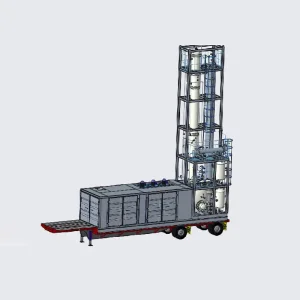
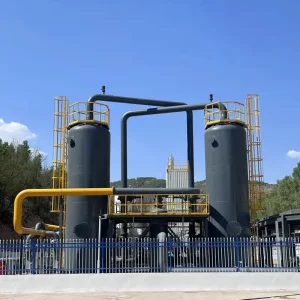
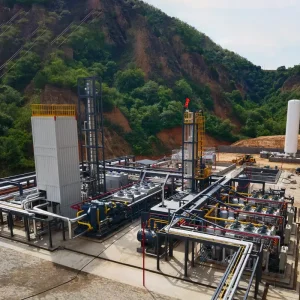
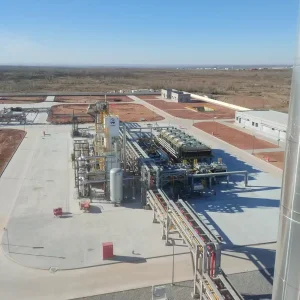
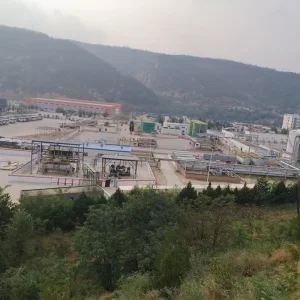
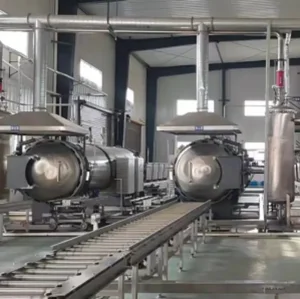
Explore our core engineered solutions for LNG processing, natural gas dehydration, advanced acid gas removal, and skid-mounted mobile liquefaction.
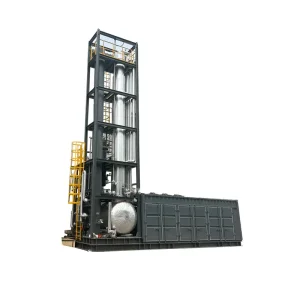
Established in June 2021 with a substantial registered capital of 78 million yuan, Hebei Hongke Qingneng Environmental Protection Equipment Co., Ltd. represents the cutting edge of industrial pressure vessel manufacturing and environmental purification engineering. Located in the highly specialized industrial base of Sanhe Economic Development Zone, Langfang City, we bridge academic research with rugged field-ready performance.
Our focus spans the design and manufacturing of A2-level non-standard pressure vessels, medical waste steam treatment equipment, biological wastewater treatment systems, and highly complex skid-mounted assemblies. We specialize in purification and liquefaction processes for coalbed methane, shale gas, and natural gas, volatile organic compounds (VOC) remediation, chemical tail gas processing, ultra-low temperature industrial refrigeration (-40°C to -180°C), and cryogenic BOG helium extraction.
Driven by scientific rigour, we are certified to Chinese A2-level pressure vessel regulations, pressure piping component standards, GB/T19001-2016 quality management frameworks, and Sinopec HSSE / China Petroleum HSE compliance structures. This rigorous framework ensures our equipment delivers exceptional safety metrics globally.
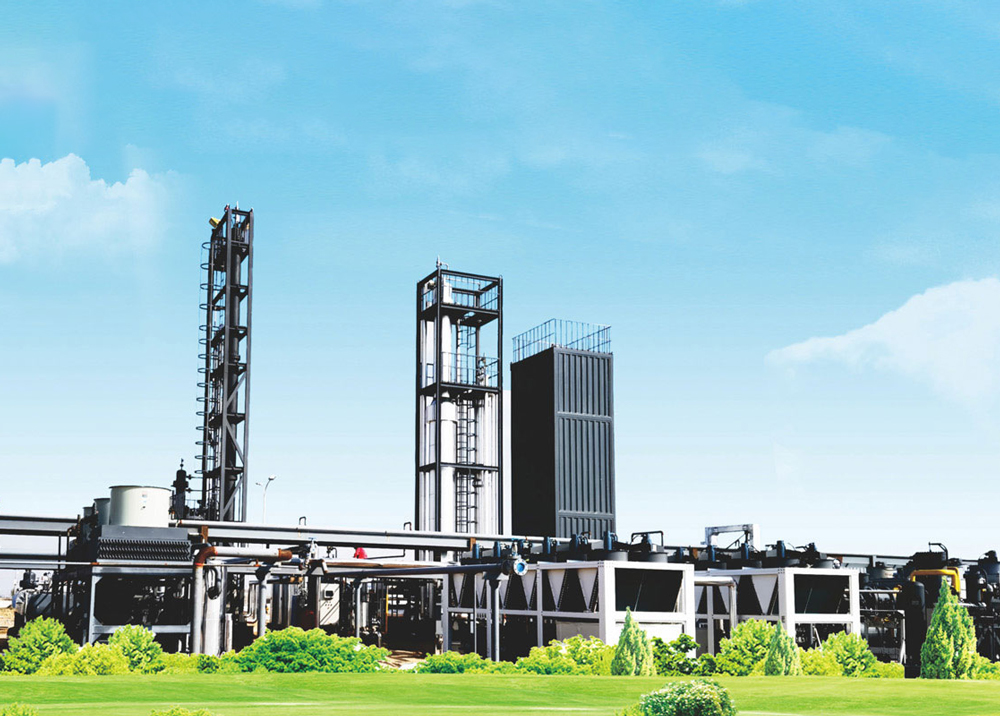
Our technologies are driven by leading thermal physicists and engineers hailing from Tsinghua University and the Chinese Academy of Sciences (CAS).
Founder & Chairman. Ph.D. from the Institute of Physics and Chemistry Technology, CAS. Recipient of the Beijing Science and Technology Award (First Prize, 2016) and the Chinese Society of Refrigeration Technological Invention Award. Over 20 independent patents implemented across 50 major skid-mounted liquefaction facilities.
General Manager. Ph.D. candidate and senior researcher at CAS. Author of 24 international scientific papers (11 SCI/EI indexed). Pioneered large-scale mobile natural gas recovery projects under the National Science Major Projects framework.
Chief Engineer. Doctor of Engineering (CAS). Recognized authority on phase change thermal transport in cryogenic mixed refrigerants. Designed specialized modular natural gas liquefaction plants operating under highly variable inlet configurations.
Deep Technical Whitepaper on Manufacturing Innovations, Dynamic Phase Transitions, and Global Procurement Strategies
The global liquefied natural gas (LNG) value chain is undergoing a fundamental structural transition. Traditionally, LNG logistics relied on massive centralized liquefaction facilities and massive atmospheric storage tanks. However, modern commercial demands are shifting toward decentralized infrastructure, small-scale localized gas recovery, and modular skid-mounted solutions. This evolution is driven by the need to capture scattered gas, associated flare gas, coalbed methane, and remote shale gas reserves which were historically vented or flared due to the prohibitive CAPEX of standard pipeline connections.
Simultaneously, the global quest for green hydrogen, clean liquid methane, and helium recovery has put pressure on materials science. Modern pressure vessels must tolerate extreme thermodynamic conditions: operating temperatures as low as -196°C for standard liquid nitrogen/methane, down to -269°C for advanced helium extraction loops. Achieving structural reliability under high pressure (often exceeding 10-35 MPa in upstream separation loops) while maintaining absolute sealing performance over decades represents the defining benchmark for top-tier pressure vessel manufacturers.
“Decentralization and modular design are transforming the LNG supply chain. By assembling liquefaction systems on highly standardized steel skids, operators can deploy operational gas-handling capacity within months instead of years, achieving immediate economic yields from flared gases.”
At cryogenic temperatures, structural steels undergo a dangerous transition from ductile to brittle behavior. Standard carbon steels lose their impact toughness rapidly, presenting severe cracking risks. To counter this, Hongke Qingneng utilizes high-alloyed cryogenic steels, primarily SA-240 Type 304/304L, 316/316L, and specialized 9% nickel steels, which maintain excellent face-centered cubic (FCC) lattice stability even at absolute zero thresholds.
Our manufacturing workflow prioritizes structural integrity through advanced stress relief methodologies:
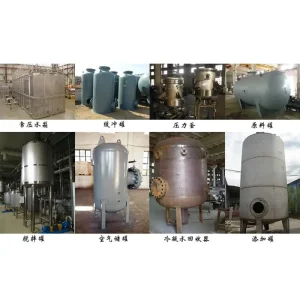
Every non-standard pressure vessel undergoes rigorous FEA modeling before fabrication. This ensures that cyclic thermal stresses, localized nozzle loads, and seismic acceleration forces are fully mapped and countered in the design phase.
Our facility utilizes precision SAW and GTAW weld procedures. Weld parameters are electronically monitored to control heat input, avoiding localized grain growth in the heat-affected zone (HAZ) and preserving high cryogenic impact toughness.
For high-vacuum, multi-layer insulated vessels, standard hydrostatic testing is insufficient. We run rigorous helium leak detection down to 1x10^-10 Pa·m³/s to prevent long-term vacuum deterioration.
Purchasing pressure vessels from China is no longer merely a low-CAPEX compromise; it is an optimization strategy driven by advanced manufacturing ecosystems. At Hongke Qingneng, we integrate Factory 4.0 paradigms to deliver absolute traceability, design customization, and supply chain resilience:
All raw plate materials are verified via mill test reports (MTR) linked to digital footprints, securing full material compliance.
We perform full mechanical and electrical integration at the shop floor, delivering drop-in plug-and-play skids.
Digital radiography (RT) and ultrasonic inspection (UT) confirm zero-defect weld seams with immediate electronic archiving.
Standardized components allow rapid production scaling, bypassing global supply bottlenecks.
Before natural gas can be subjected to cryogenic temperatures, it must be thoroughly purified to prevent freeze-outs. CO2 levels must be reduced below 50 ppm, water vapor below 1 ppm, and heavy hydrocarbons completely stripped. Hongke Qingneng designs integrated purification units using dynamic temperature swing adsorption (TSA) and proprietary chemical wash processes, allowing operators to run uninterrupted liquefaction cycles even with high acid inlet streams.
Registered Capital (CNY)
Pressure Vessel License
Global Liquid Plants Deployed
Helium Leak-Tested Integrity
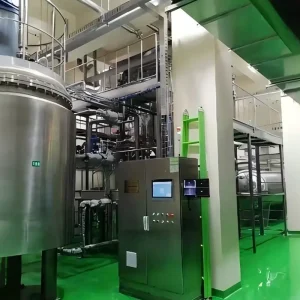
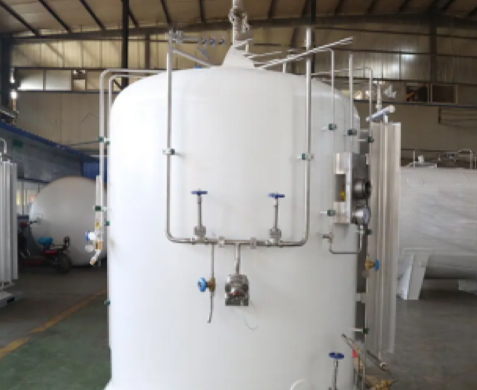
From high-capacity centralized projects to specialized eco-friendly sterilization modules, our designs deliver dependable performance.
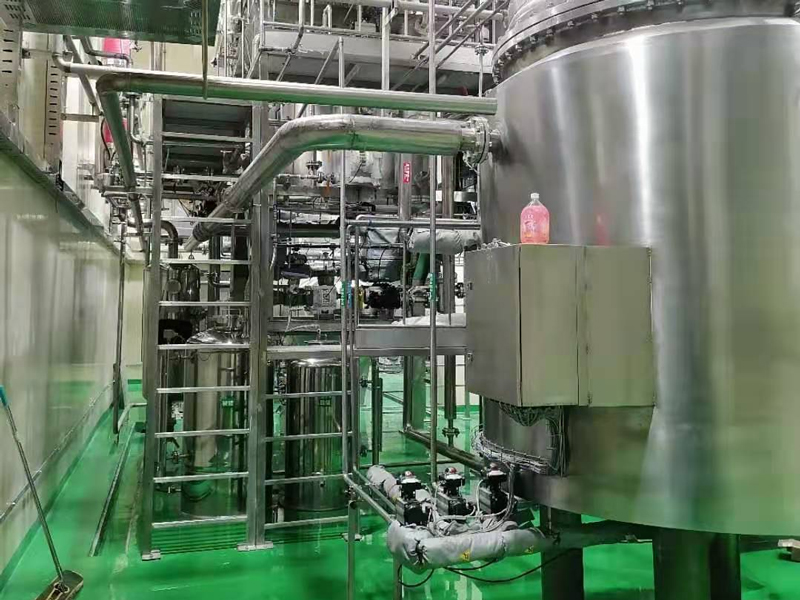
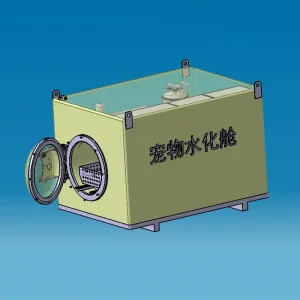
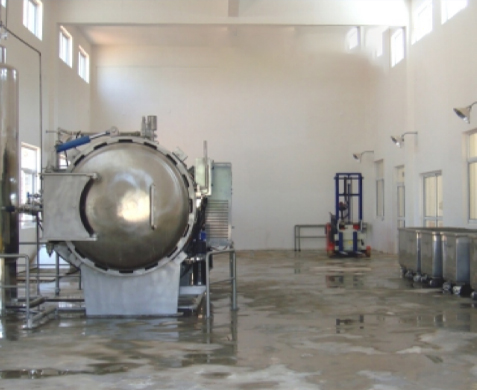
Advanced high-temperature hydrolysis system built for biosafety level-3 laboratories, providing absolute containment and pathogen inactivation.
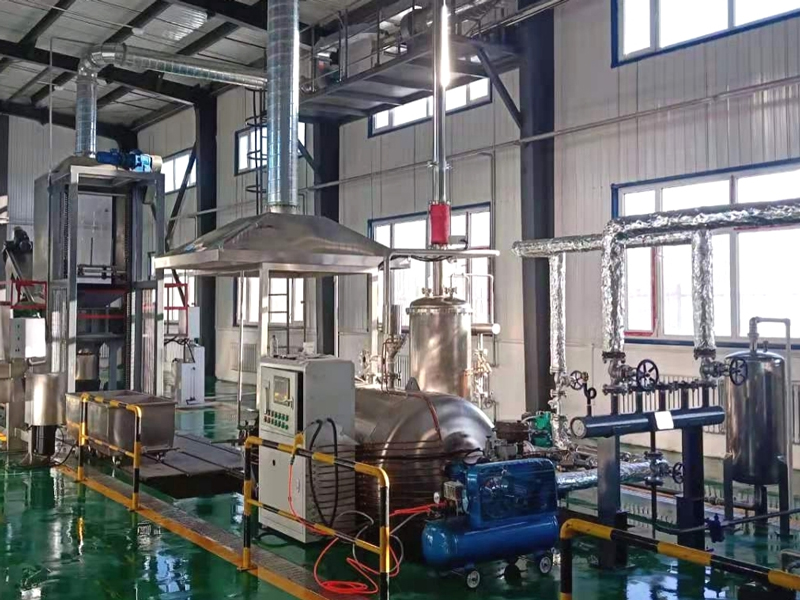
Compact, trailer-mounted high-temperature steam sterilization systems designed for emergency disease control and remote sites.
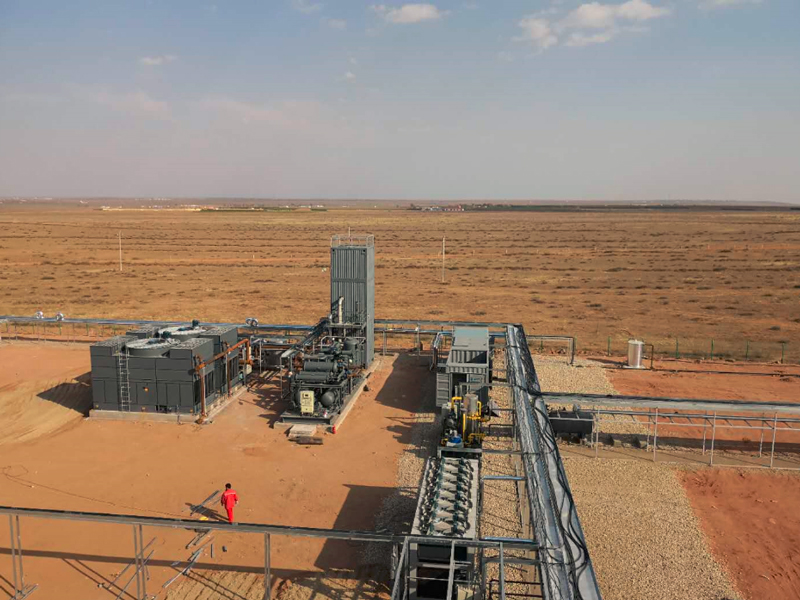
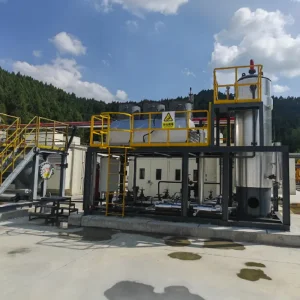
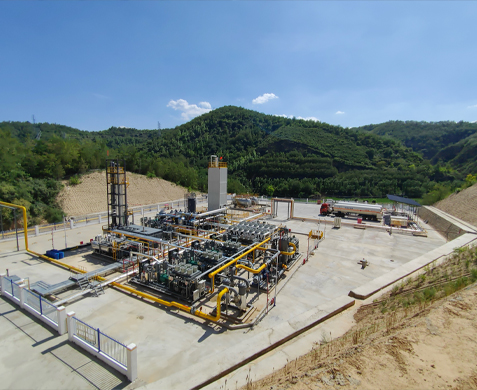
Successful deployment of a skid-mounted liquefaction loop capturing stranded shale gas, turning potential waste into profitable LNG.
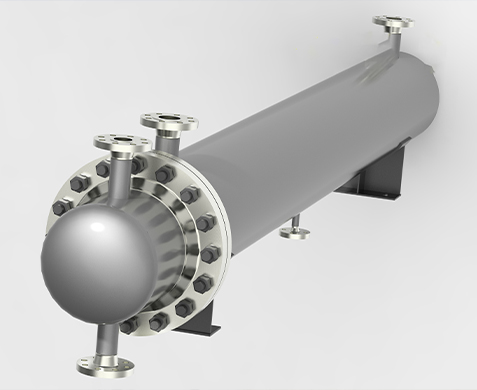
Addressing primary engineering questions, compliance protocols, and manufacturing schedules for global procurement teams.
Explore our engineering capabilities in VOC control, centralized medical waste sterilization, and organic tissue thermal hydrolysis.
 Hongke Qingneng