 Hongke Qingneng
Industrial Whitepaper: The Global Evolution of High-Pressure Containment & Natural Gas Cryogenics
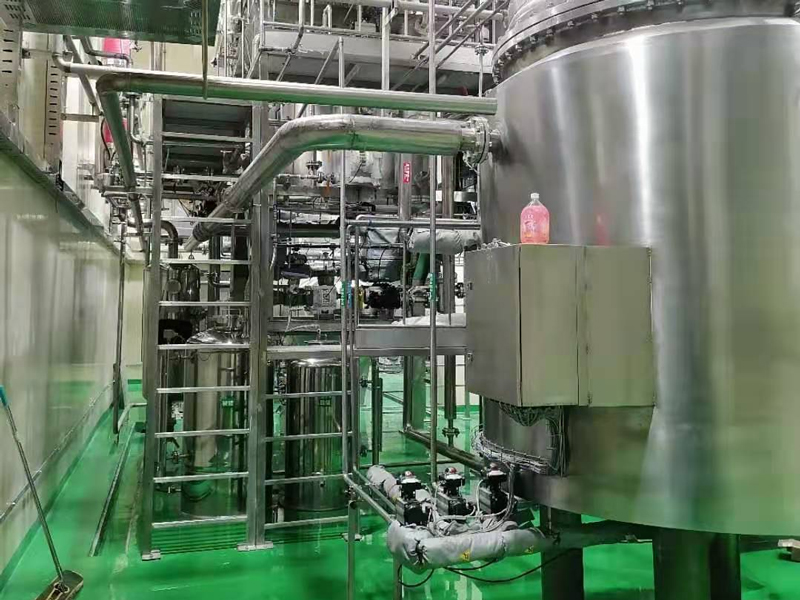
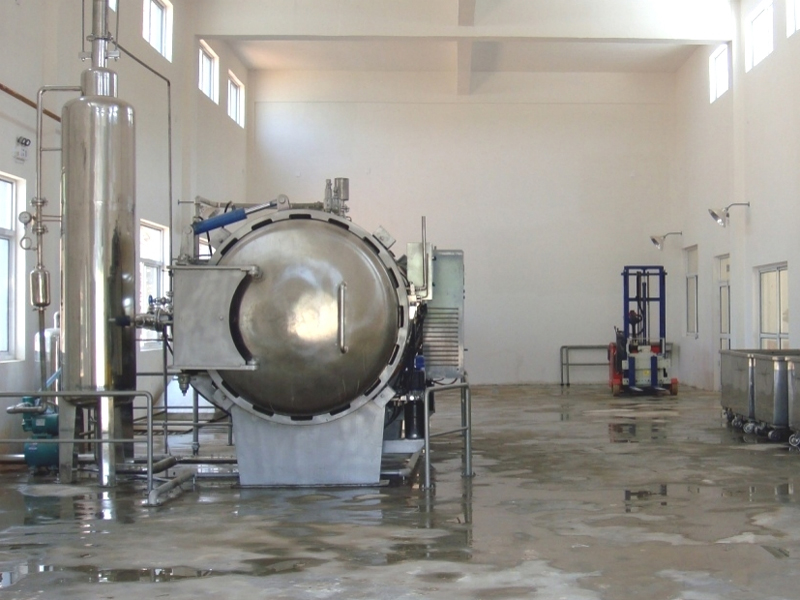
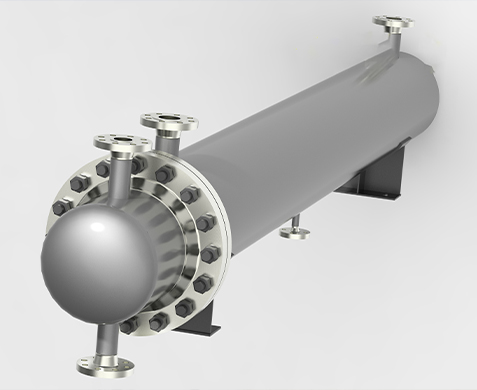
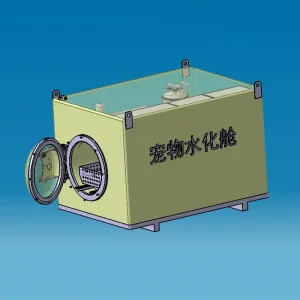
In modern industrial process engineering, the reliance on high-pressure containment vessels and modular gas-processing assemblies has escalated rapidly. As the global petrochemical, cryogenic gas recovery, and biosecurity waste management sectors move towards strict decarbonization and efficiency mandates, manufacturing standards are undergoing a transformative shift. Pressure vessels are no longer static reservoirs; they are dynamic heat-exchanging, gas-liquefying, and biochemically neutralizing process plants. Hebei Hongke Qingneng Environmental Protection Equipment Co., Ltd. stands at the forefront of this technological transformation, delivering custom pressure solutions designed by leading Chinese academic researchers.
1. Global B2B Pressure Vessel Market & Standards Harmonization
The engineering of pressure vessels is governed globally by stringent safety and design rules. From the American Society of Mechanical Engineers (ASME Section VIII, Div 1 & Div 2) to European directives (PED 2014/68/EU) and China's national standards (GB/T 150), mechanical design requires exact stress calculations, finite element analysis (FEA), and strict compliance with material limitations. Key challenges in global projects include:
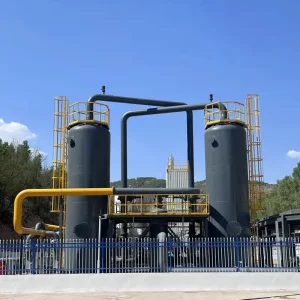
- Hydrogen Induced Cracking (HIC) and Sulfide Stress Cracking (SSC): Prevalent in sour oil fields and natural gas sweetening processes, requiring specialized low-temperature carbon steel and high-alloy clad linings.
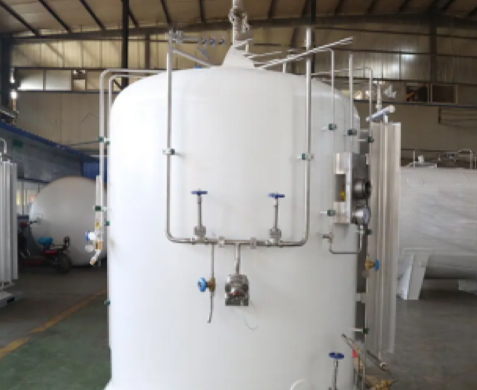
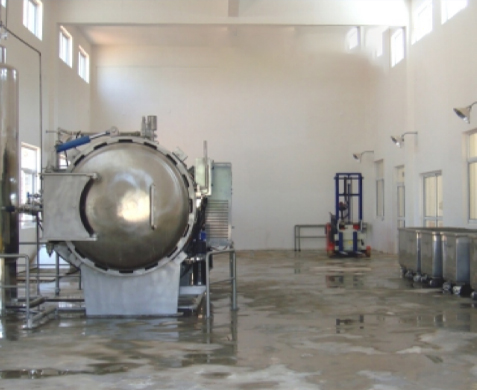
- Thermal Cycling & Fatigue: Encountered in steam-based sterilization systems and cryogenic LNG operations, where temperatures swing from ambient down to -196°C, forcing complex structural stress analysis.
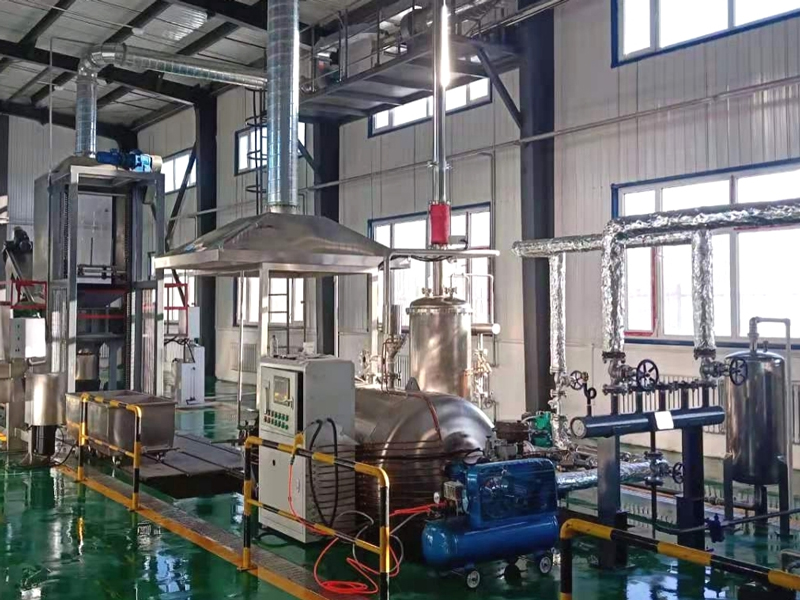
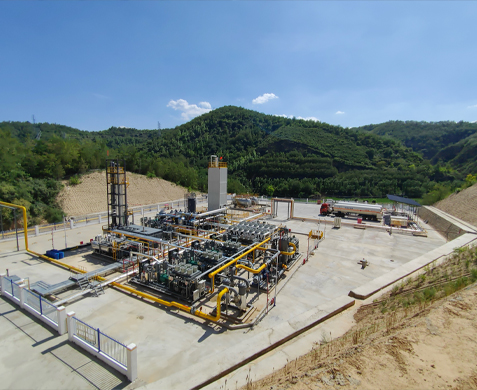
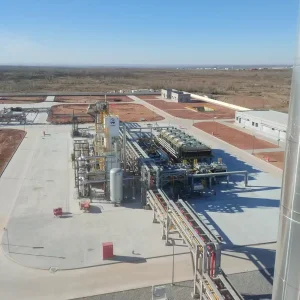
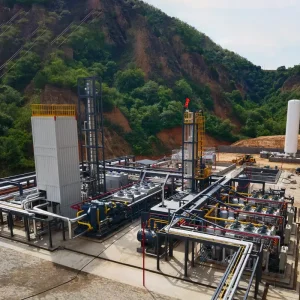
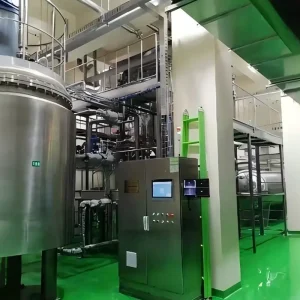
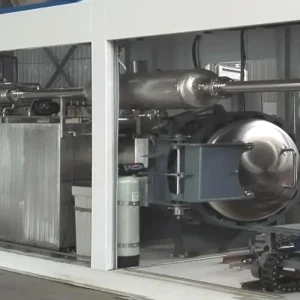
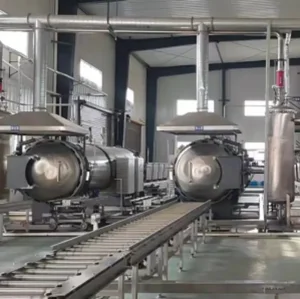
- Modular Integration (Skid-Mounting): Industrial end-users are moving away from on-site construction toward skid-mounted packages. Factory-assembled skids minimize site footprint, shorten installation schedules, and guarantee quality through pre-commissioning testing.
2. Technical Roadmaps & Advanced Cryogenic Liquefaction
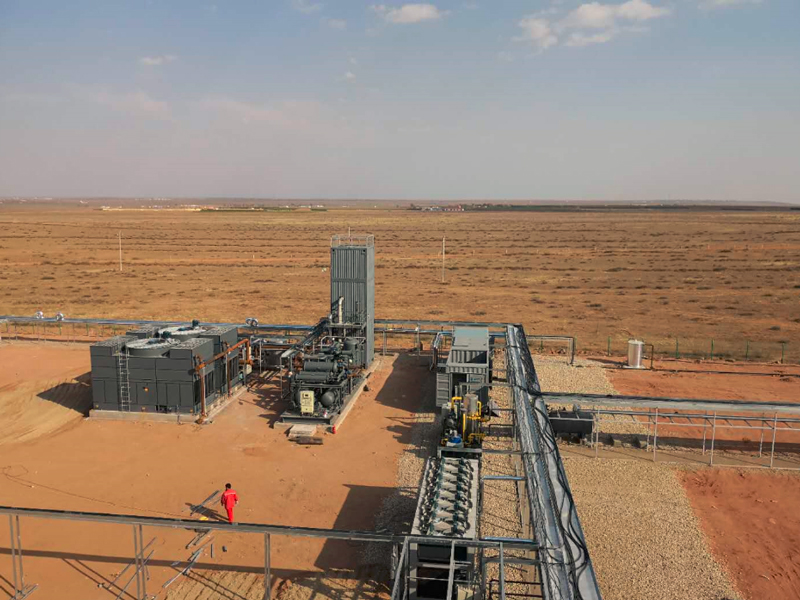
The recovery and liquefaction of scattered hydrocarbons, Coalbed Methane (CBM), and Shale Gas present complex gas processing challenges. The core technical breakthrough lies in Mixed Refrigerant (MR) refrigeration cycles. Working with the Chinese Academy of Sciences (CAS), our technical teams have resolved issues related to phase change heat transfer, mixed gas composition optimization, and high-efficiency thermodynamic cycles at temperatures between -40°C and -180°C.
Furthermore, the recovery of Helium from Boil-Off Gas (BOG) via low-temperature separation represents a major step forward. Helium is essential for medical MRIs, semiconductor fabrication, and aerospace projects. By using low-temperature extraction technology, our pressure equipment captures valuable helium from BOG waste gas streams, supporting localized source protection and resource conservation.
Hebei Hongke Qingneng: Facility & Academic Leadership
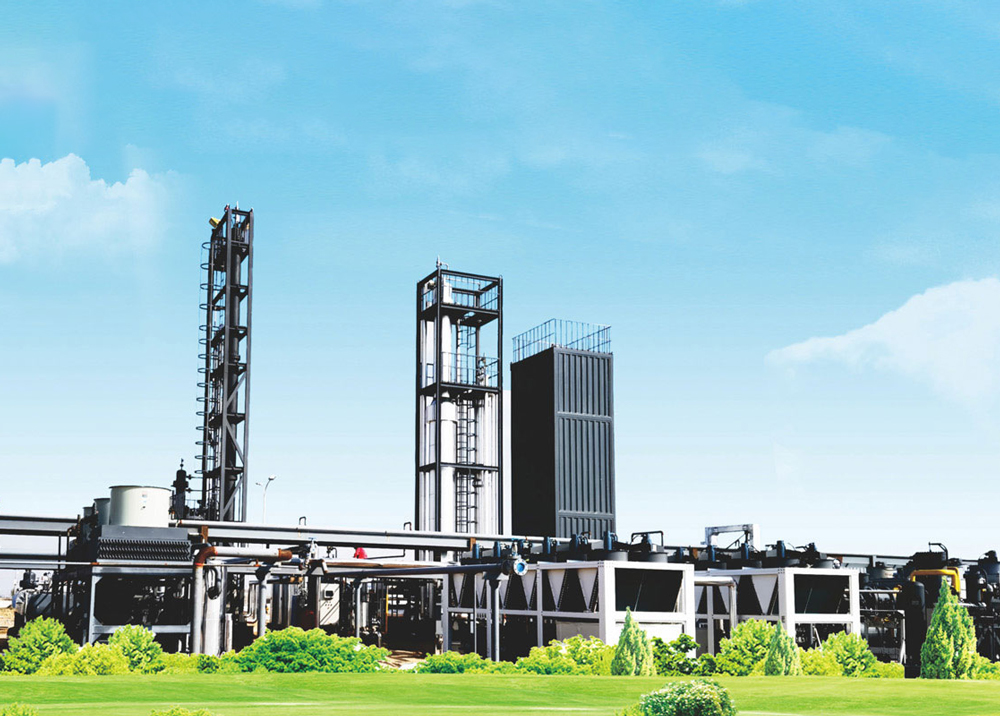
Established in June 2021 with a registered capital of 78 million yuan, Hebei Hongke Qingneng Environmental Protection Equipment Co., Ltd. operates a modern production facility in Sanhe Economic Development Zone, Langfang, Hebei. The company integrates design, engineering, and high-precision manufacturing for environmental and cryogenics systems.
Our core competitive advantage is our academic connection. Led by PhDs from the Institute of Physics and Chemistry Technology of the Chinese Academy of Sciences (CAS) and Tsinghua University, we hold an A2 level pressure vessel manufacturing license and have implemented over 50 projects across China.