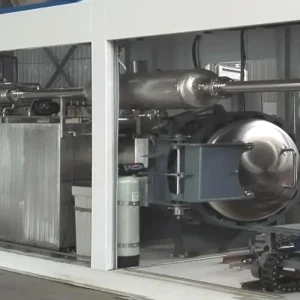
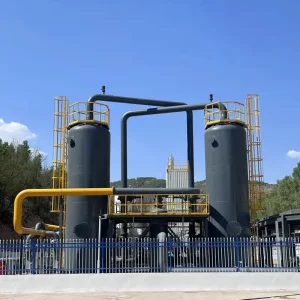
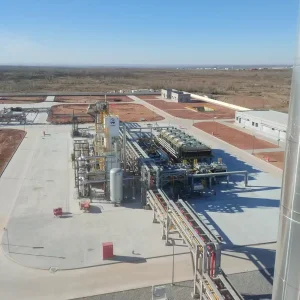
Engineered to international ASME, CE-PED, and Chinese A2 licensing standards
Hebei Hongke Qingneng Environmental Protection Equipment Co., Ltd. was established in June 2021 with a registered capital of 78 million yuan. Located in the industrial base of Sanhe Economic Development Zone, Langfang City, our state-of-the-art facility sits at the cross-section of energy efficiency, technology innovation, and environmental stewardship. We specialize in the complete lifecycle—from engineering design to high-precision manufacturing—of critical pressure vessels, chemical gas recovery system components, and environmental equipment.
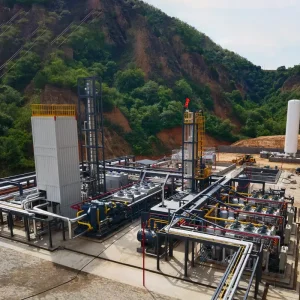
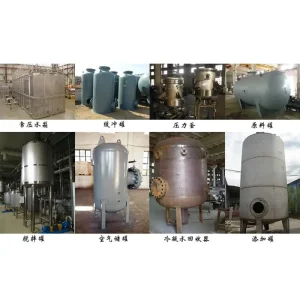
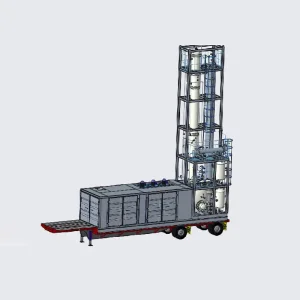
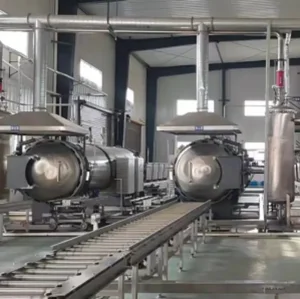
Our comprehensive production scope includes non-standard water and gas pressure vessels, medical waste high-temperature steam treatment systems, biological wastewater treatment systems, skid-mounted natural gas purification and liquefaction modules, VOC abatement systems, industrial cryogenic refrigeration units, and helium extraction systems from BOG tail gases. Our products provide crucial infrastructure solutions for carbon emission reduction, resource recovery, and environmental safety.
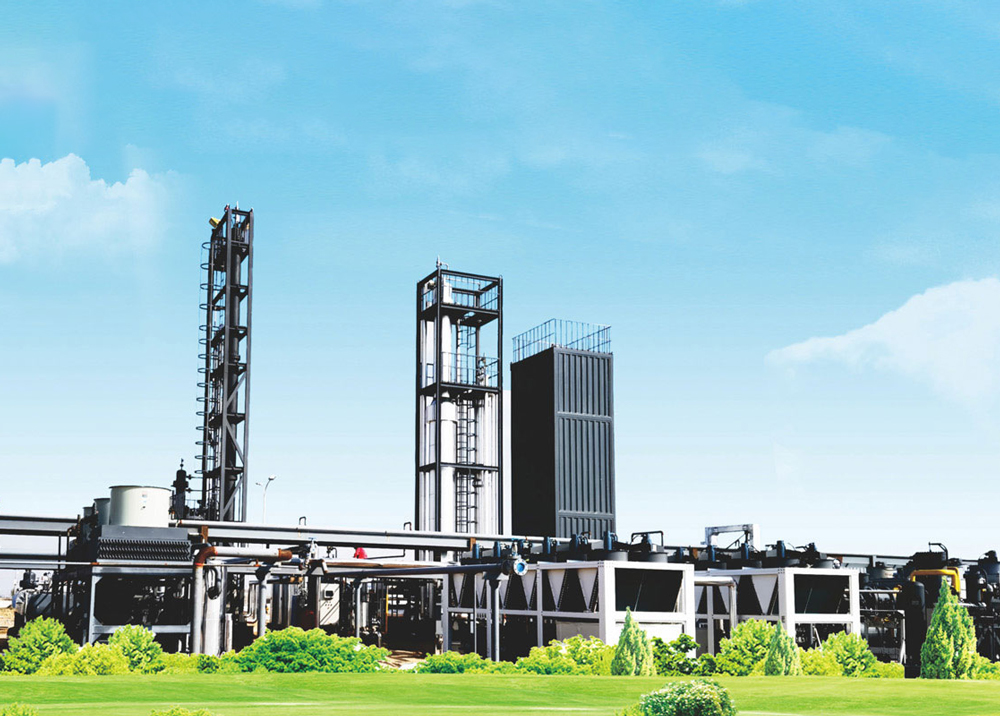
Integrating Academy of Sciences technology with world-class manufacturing standards
We boast deep academic relationships with Tsinghua University and the Institute of Physics and Chemistry Technology of the Chinese Academy of Sciences (CAS). By translating cryogenic and thermodynamic research into physical, commercial-grade technology, we have secured numerous independent patents and built high-performance projects across Asia.
Our quality management systems are backed by national and international certifications, including the A2 Level Pressure Vessel Manufacturing License, Pressure Pipeline Component Manufacturing License, GB/T19001-2016 Quality System Certification, and the Sinopec HSSE/China Petroleum Health, Safety and Environment Management System certifications.
We believe technology must support sustainability. Our environmental systems, gas recovery devices, and high-efficiency water pressure vessels actively reduce air and water pollution, capturing volatile compounds and lowering industrial carbon emissions for our partners globally.
Directly guided by national senior engineers and CAS doctorate researchers
Holding a PhD from the Institute of Physics and Chemistry Technology, Chinese Academy of Sciences, Dr. Sun is a national senior engineer. He has led major projects under the National 863 Program, National Science Foundation, and aerospace defense initiatives. Recipient of the Special Prize of Technological Invention of the Chinese Society of Refrigeration (2015) and Beijing Science and Technology Award (2016), he holds over 20 proprietary patents.
A PhD candidate and Senior Engineer at CAS, Dr. Zou oversees business operations. He has managed several "12th Five-Year" national major science projects and aerospace engineering partnerships. Having published 24 peer-reviewed academic papers (including 11 indexed by SCI/EI), he has earned the Beijing Science and Technology Award and the Silver Medal of the 19th China International Industry Expo.
Dr. Cheng received his Doctorate in Engineering from CAS. His ground-breaking research on "Technology Development and Application of Skid-mounted Natural Gas Liquefaction Unit with Series of Specifications" earned him prestigious industrial awards. An expert in phase change heat transfer properties and mixed refrigerant fluid flow, he translates cryogenic science into robust field-ready equipment.
Why sourcing water pressure vessels from our specialized Chinese facility optimizes cost, quality, and delivery
Hebei Hongke Qingneng is situated within the Sanhe Economic Development Zone, adjacent to heavy industrial centers. This location grants us direct access to top-tier steel mills (such as Baosteel and Shougang Group), allowing us to procure premium materials, including SS304, SS316L, duplex steels, and custom-clad carbon steels, with full trace certificate documentation. This logistical advantage ensures we can manufacture highly durable water pressure vessels at competitive pricing models without sacrificing metallurgical integrity.
Our workshop is outfitted with modern manufacturing technologies, including automated submerged arc welding, precise CNC plasma cutting, and high-capacity roll forming machinery. To ensure absolute compliance with global safety rules, every water pressure vessel undergoes rigorous non-destructive testing (NDT), including radiographic, ultrasonic, and hydrostatic pressure verification. This ensures our non-standard pressure vessels are capable of sustained operation in municipal, chemical, and energy applications.
We supply modular skid assemblies and customized pressure vessels to companies globally. Our engineers support technical alignment in English, offering detailed 2D/3D CAD models, finite element analysis (FEA) reports via ANSYS, and complete QA/QC documentation packages (including material test reports, welding procedure specifications, and pressure testing records) to guarantee seamless integration on-site.
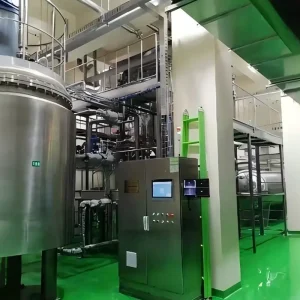
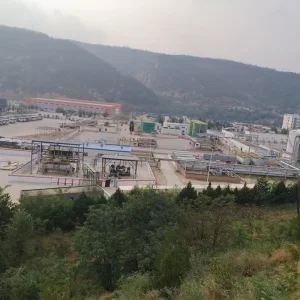
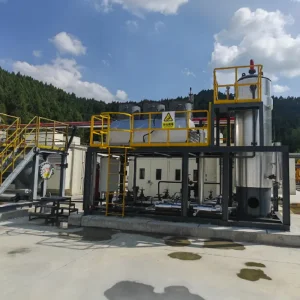
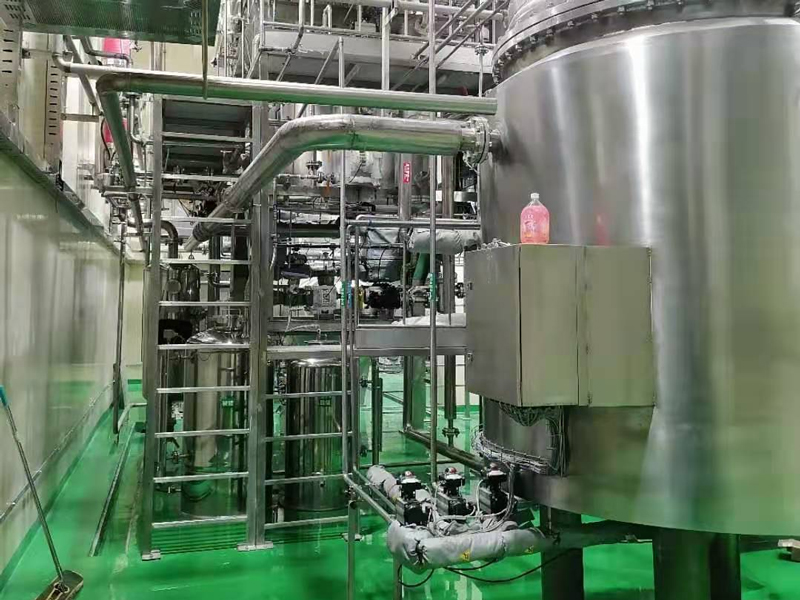
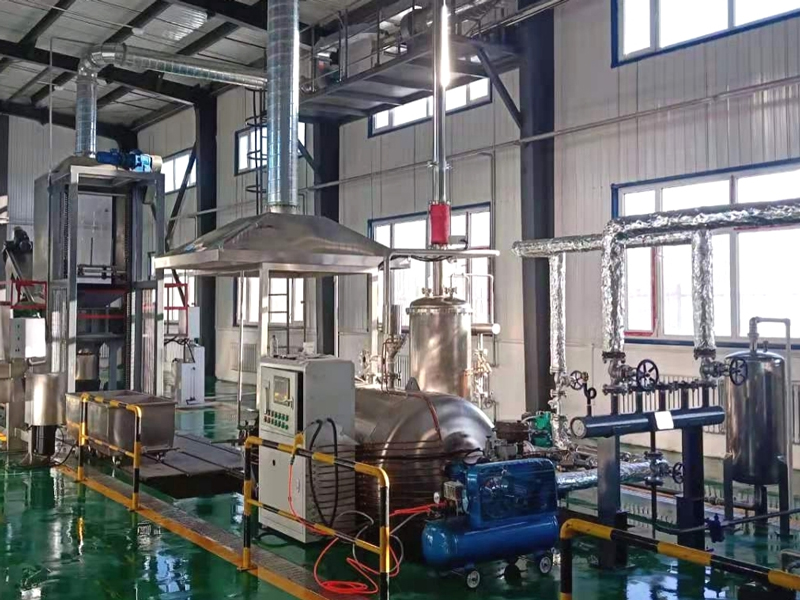
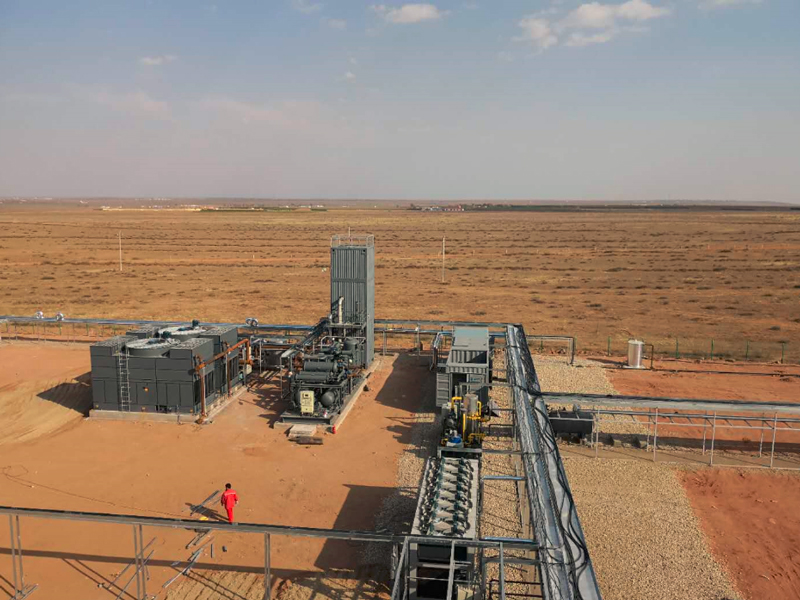
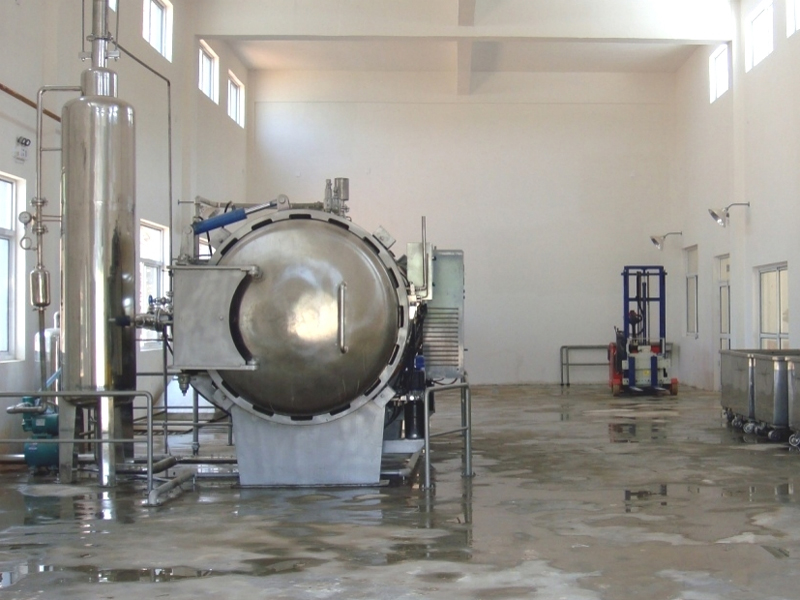
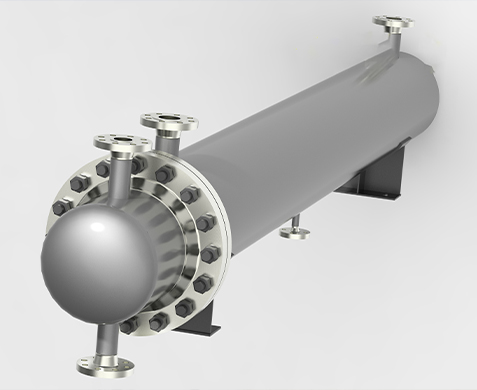
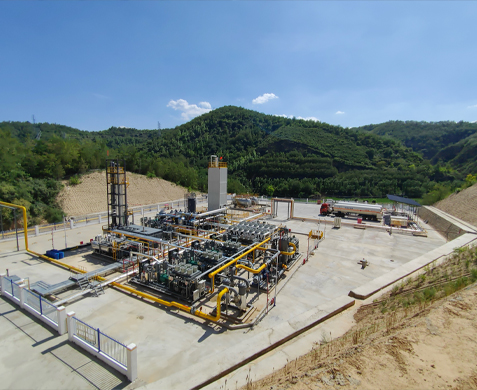
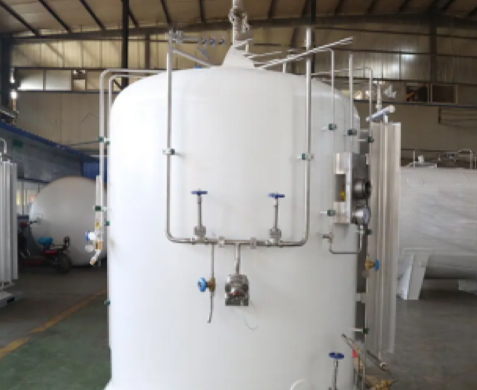
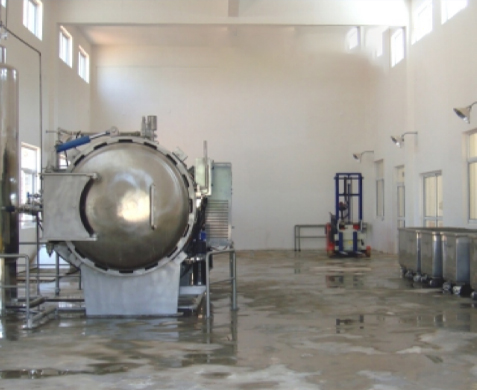
Field installations and custom machinery configured for global projects
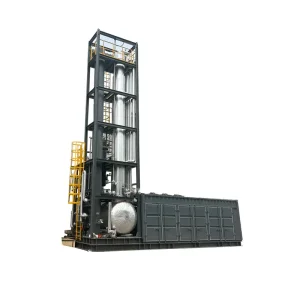
High-reliability environmental, thermodynamic, and process equipment systems



Addressing decarbonization, advanced materials, and safety regulations
In response to global carbon mitigation policies, energy companies are seeking compact, skid-mounted systems to process remote natural gas flares. Rather than flaring gas, which generates substantial greenhouse emissions, skid-mounted liquefaction equipment allows operators to capture and liquefy methane directly at the wellhead. This process converts a waste product into high-purity LNG, reducing atmospheric emissions while recovering a valuable energy source.
Modern chemical processing, municipal desalination, and industrial water treatment systems demand longer service life in highly corrosive environments. This shift has accelerated the adoption of advanced duplex stainless steels (such as SAF 2205) and internal cladding processes (wherein low-carbon steel is molecularly bonded with anti-corrosive alloys). These materials help minimize maintenance downtimes and prevent cracking under dynamic hydraulic pressures.
Pressure vessels are increasingly transitioning from static storage containers to intelligent, sensor-equipped components. By integrating temperature, pressure, strain, and acoustic emission sensors directly into the vessel shell, operators can feed real-time structural health data into industrial IoT platforms. This capability enables predictive maintenance, notifying operators of micro-fissures or scaling issues before structural integrity is compromised.
Technical answers to support international procurement decisions
A: Our factory designs and manufactures pressure vessels in compliance with China's GB150 standards (under our A2 level manufacturing license), and we coordinate engineering calculations with ASME Section VIII Division 1 & 2 standards. We also offer compliance verification for European PED (2014/68/EU) certifications when requested.
A: All weld seams undergo non-destructive testing (NDT), including RT (Radiographic Testing), UT (Ultrasonic Testing), and MT/PT (Magnetic/Penetrant Testing) according to strict QA guidelines. Following structural verification, vessels undergo hydrostatic or pneumatic pressure tests at up to 1.5 times the maximum allowable working pressure (MAWP).
A: We work with carbon steels (Q345R, Q245R), austenitic stainless steels (304, 304L, 316, 316L), duplex stainless steels (S32205, S31803), and specialized composite-clad plates. We select materials based on operating pressure, temperature limits, and corrosion profiles.
A: Our core leadership team consists of PhDs and senior researchers from the Institute of Physics and Chemistry Technology of the CAS. This academic background allows us to integrate advanced thermodynamics and finite element analysis (FEA) into our pressure vessels, gas separation columns, and cryogenic skid systems, improving thermal and structural performance.
A: Production schedules vary based on complexity. Standard non-standard pressure vessels typically ship within 30 to 45 days. Complex skid-mounted systems, such as LNG liquefaction plants or centralized medical waste treatment systems, typically ship within 60 to 90 days after technical drawing approval.
A: Yes. Every shipment includes a complete quality assurance dossier, which contains mill test certificates (MTC), NDT reports, welding maps, heat treatment charts, hydrostatic pressure test certificates, third-party inspection certifications, and paint thickness measurements.
A: Absolutely. Our mobile medical waste steam sterilization equipment is designed to fit inside standard intermodal shipping containers. These robust systems include integrated steam generation and automated filtration, requiring only local water and power connections to begin operation.
A: We provide complete English documentation, including P&ID schematics, foundation drawings, electrical schematics, and operating manuals. Additionally, our senior engineers offer remote commissioning support, and can travel on-site to assist with startup, system optimization, and operator training.
Explore our full line of chemical tail gas, filtration, and gas processing equipment
 Hongke Qingneng