Explore our engineering capabilities across high-temperature steam recovery, hazardous disposal, and custom gas handling setups.
Key technological advancements, shifting supply chain networks, and the future of thermal sterilization and containment processing.
The worldwide industrial autoclave vessel market is experiencing a profound transition driven by rigorous bio-security regulations, the acceleration of medical waste handling requirements, and a global pivot toward carbon reduction. Modern autoclave vessels are no longer simple pressurized containers; they have evolved into smart thermodynamic processors. Advanced control systems incorporating IoT telemetry allow real-time monitoring of pressure-temperature profiles, ensuring absolute pathogens elimination while minimizing energy consumption. Furthermore, the integration of heat recovery loops within autoclave piping networks helps facilities recycle up to 35% of waste steam thermal energy, mitigating operating costs and environmental impact.
Procuring heavy-duty pressure vessels and skid-mounted purification systems internationally presents unique hurdles. Chief among these is aligning with cross-border standards. Sourcing specialists must verify that suppliers conform to recognized design codes, such as ASME (American Society of Mechanical Engineers) Section VIII Division 1 or Division 2, the European Union's PED (Pressure Equipment Directive), and China's GB150 guidelines. Inadequate welding, sub-par steel grades (such as compromised 316L clad structures), and lack of rigorous non-destructive testing (NDT) present catastrophic operation risks. Partnering with a licensed manufacturer that offers comprehensive manufacturing traceability, raw material certificates, and third-party inspections (e.g., SGS, TUV) is critical for operational compliance.
China's industrial automation push—Factory 4.0—has drastically improved the quality and price competitiveness of custom pressure vessels. Strategically located within Langfang City's Sanhe Economic Development Zone, Hebei Hongke Qingneng Environmental Protection Equipment Co., Ltd. capitalizes on this advanced ecosystem. Through automated submerged arc welding, precise robotic pipe fitting, and strict digital quality management systems, Chinese manufacturers consistently reduce fabrication cycles by 25-40% compared to Western counterparts. This high level of specialization, coupled with direct raw steel access and advanced logistics near Tianjin Port, allows global buyers to secure premium custom systems without compromising on delivery reliability.
Hebei Hongke Qingneng Environmental Protection Equipment Co., Ltd. (Established June 2021)
Hebei Hongke Qingneng Environmental Protection Equipment Co., Ltd. is a high-tech manufacturing leader focused on the research, development, and fabrication of advanced industrial environmental equipment. With a registered capital of 78 million Yuan, we operate out of our industrial hub in the Sanhe Economic Development Zone, Langfang City.
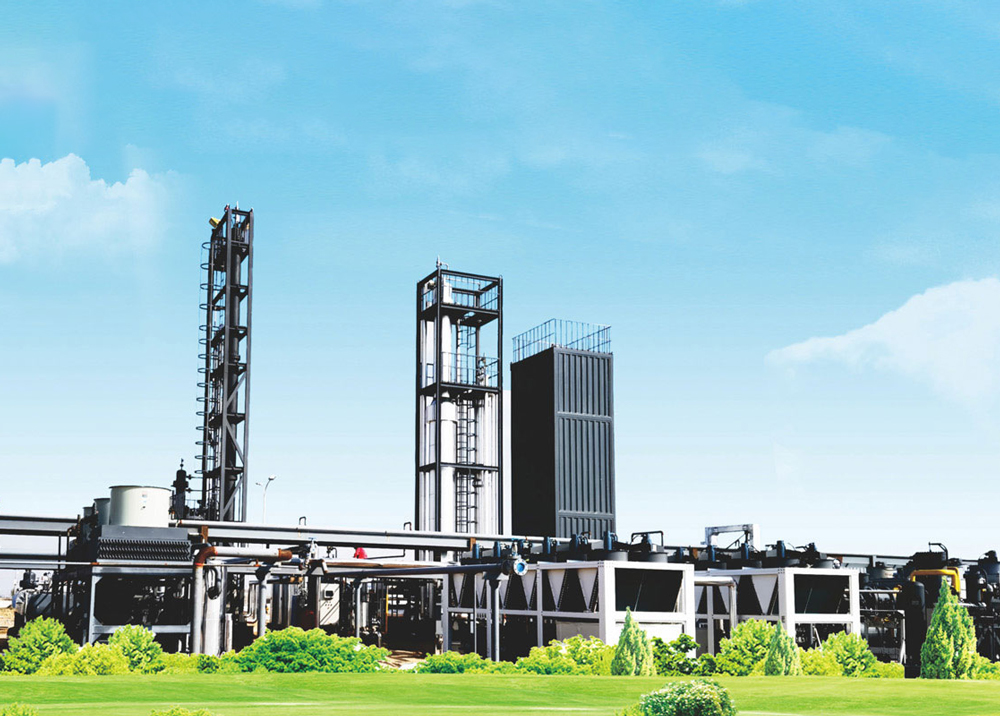
Our core competencies reside in the design and production of certified pressure vessels, medical waste high-temperature steam sterilization systems, animal carcass thermal hydrolysis systems, biological wastewater treatment systems, and customized industrial refrigeration units. We also excel at building skid-mounted units for natural gas purification, coalbed methane/shale gas liquefaction, VOC exhaust mitigation, and helium extraction systems.
| Certification / License Type | Governing Body / Standard | Scope of Application |
|---|---|---|
| A2 Level License | State Administration for Market Regulation (China) | Design and fabrication of high/medium pressure stationary pressure vessels. |
| Pressure Pipeline Component License | National Special Equipment Authority | Safety compliance for critical pipeline connections & industrial skids. |
| GB/T19001-2016 / ISO 9001 | Quality Management Systems Certification | Full-cycle factory trace audits, material sourcing, and mechanical design QC. |
| Sinopec HSSE & China Petroleum HSE | Health, Safety, Security and Environment Systems | Acceptance for heavy oil, natural gas, and chemical tail-gas treatment. |
Bridging the gap between thermodynamic research and heavy industrial pressure vessel engineering.
Doctoral graduate from the Institute of Physics and Chemistry Technology, Chinese Academy of Sciences (CAS). National Senior Engineer. He has spearheaded the National 863 Program, major aerospace initiatives, and national natural science foundations. Winner of the First Prize of Science and Technology of China Coal Industry and Beijing Science and Technology Awards. Holds over 20 independent intellectual patents in cryogenics and pressure containment designs.
Ph.D. candidate at the Institute of Physics and Chemistry Technology (CAS). Lead engineer for major national scientific special programs. Published 24 academic papers (11 indexed in SCI/EI). Awarded the Special Award of the 7th China Refrigeration Society Technological Invention Award and Silver Medal at the 19th China International Industry Expo. Expert in skid-mounted gas treatment systems.
Doctor of Engineering from the Institute of Physics and Chemistry Technology (CAS). Pioneer in thermodynamic research regarding mixed-refrigerant phase-change heat transfer. Recipient of the Special Prize of Science and Technology Award of the Chinese Refrigeration Society. Dr. Cheng oversees all non-standard heat exchanger engineering, structural stress analyses, and process optimizations.
Engineered to perform in demanding industrial, medical, and environmental protection setups globally.
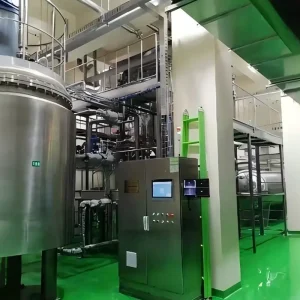
High-pressure steam sterilization systems built to treat bio-hazardous clinical wastes, featuring zero emissions, automated autoclave doors, and automated shredding integration.
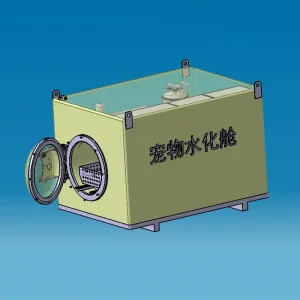
Specialized containment chambers for harmless animal carcass sterilization at universities, veterinary centers, and agricultural research labs utilizing high-temp pressure processes.
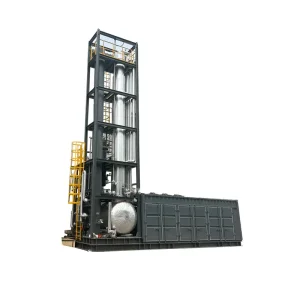
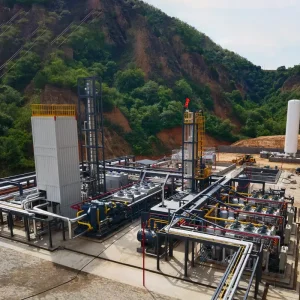
Turnkey systems for natural gas, coalbed methane, and shale gas purification. Includes deacidification, dehydration, and heavy hydrocarbon removal prior to cryogenic liquefaction.
Custom shell-and-tube heat exchangers, experimental test rigs, and high-performance vacuum cold traps capable of maintaining cryogenic temps from -40°C down to -180°C.
Real-world projects executed successfully across municipal, state, and scientific installations.
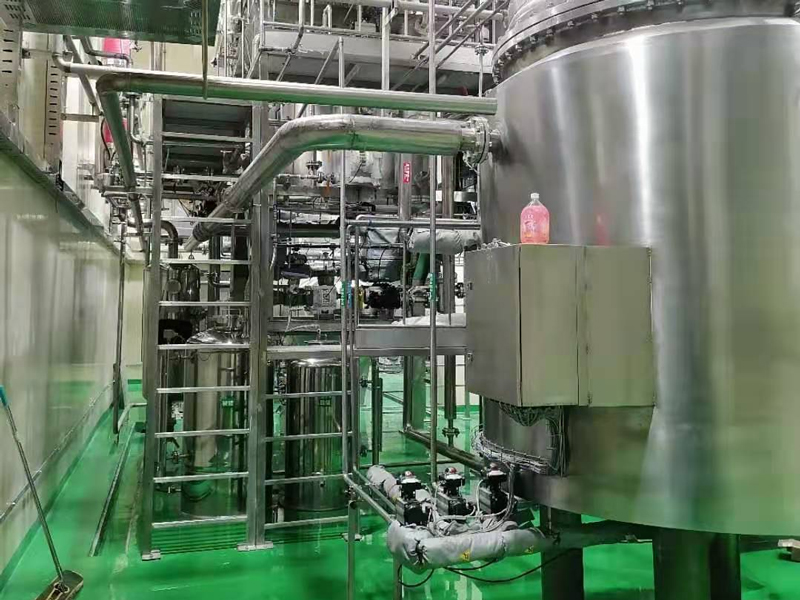
Fully enclosed automated hydrolysis systems built for scientific lab safety compliance.
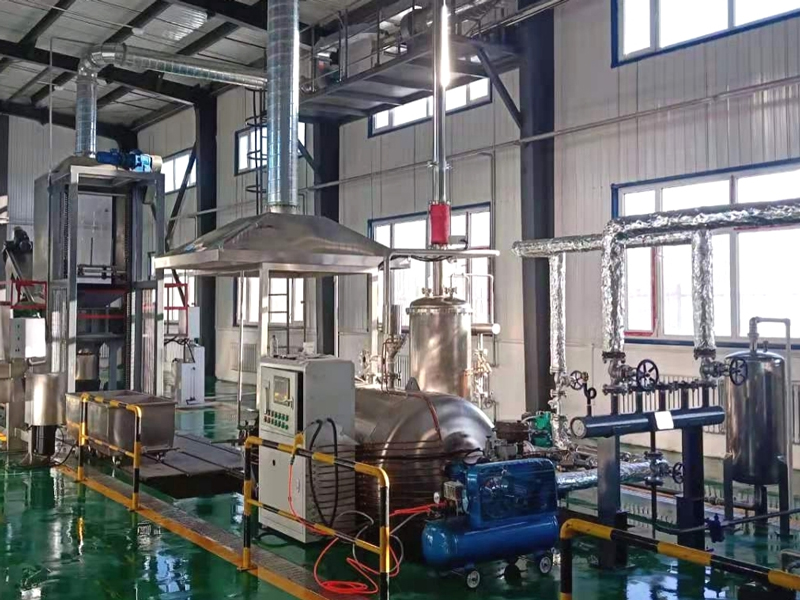
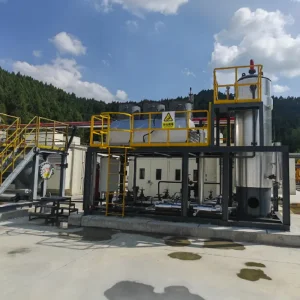
Containerized skid steam treatment systems utilized for disaster relief and remote containment.
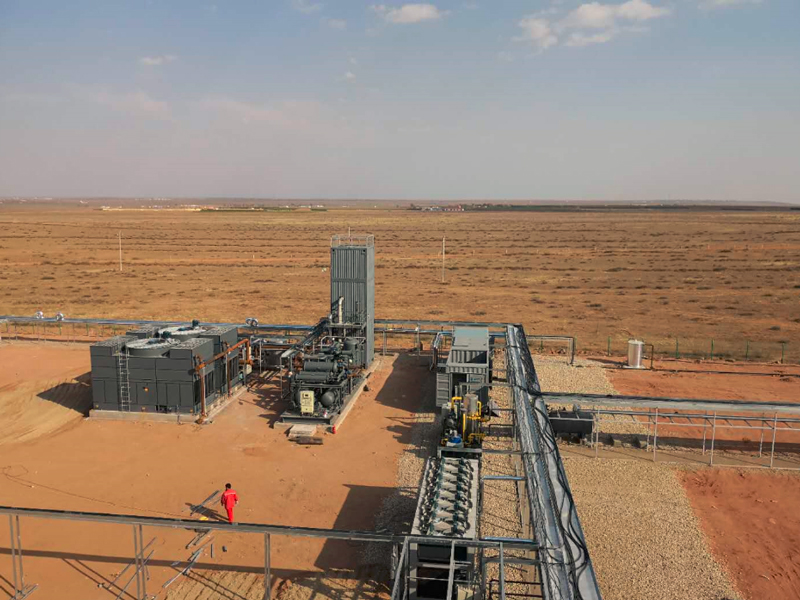
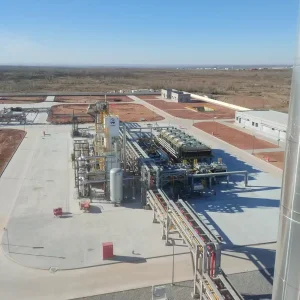
Decentralized natural gas and coalbed methane recovery setups operating in domestic gas fields.
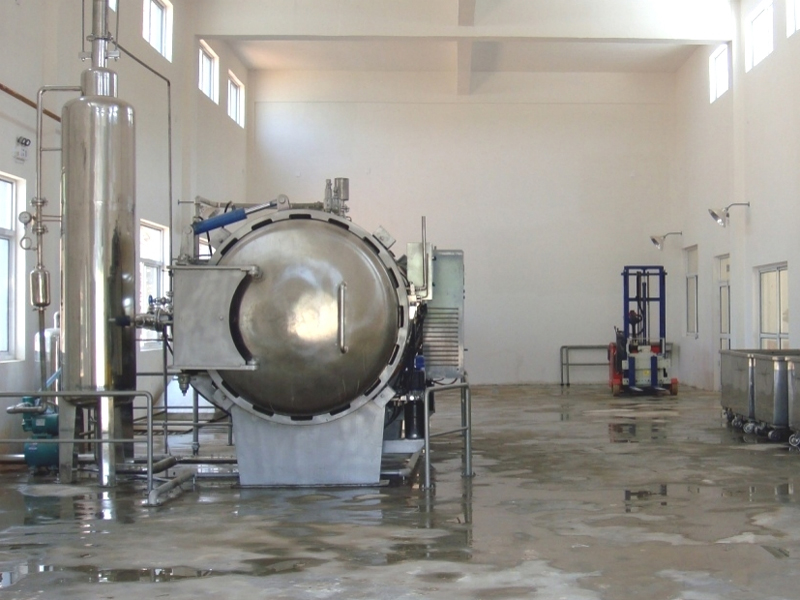
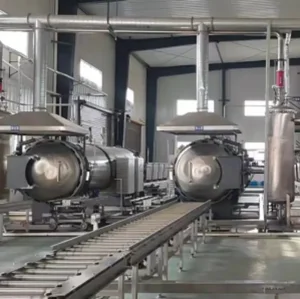
High-tonnage industrial autoclave lines integrated with automated conveyor systems.
Explore custom pressure vessels, gas skids, and recovery systems engineered for extreme environments.
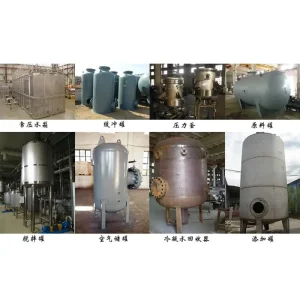
In-depth responses resolving technical and regulatory questions regarding wholesale industrial autoclave vessels.
Importing countries require pressure equipment to comply with localized codes to guarantee plant safety. The most notable certification standard globally is the ASME Section VIII (primarily Division 1 for design-by-rule and Division 2 for design-by-analysis). In Europe, PED (2014/68/EU) compliance and CE marking are mandatory. In China, manufacturing is certified under the GB150 standard. Hebei Hongke Qingneng holds the national A2 level pressure vessel manufacturing license, which covers the design, welding, and NDT requirements required to export vessels to international markets under strict inspection guidelines.
Thermal hydrolysis treatment inside specialized pressure chambers represents a highly sustainable alternative to carbon-heavy incineration. By utilizing saturated high-temperature steam (generally between 135°C and 160°C under high pressures), the organic structures, proteins, and pathogen chains of animal carcasses or tissues are broken down into liquid effluent and bone residues. This process generates zero gaseous emissions, bypasses environmental issues associated with burning, consumes approximately 60% less energy, and allows safe sterilization inside containment barriers.
Autoclaves undergo cyclic temperature and pressure transitions daily, leading to thermal expansion and stress concentration at structural welds. To counteract this, our CAS-led engineering team applies Finite Element Analysis (FEA) to calculate fatigue limits. We specify high-durability steels like SA-516 Gr.70 or corrosion-resistant SS316L, implement automatic submerged arc welding, and perform 100% radiographic or ultrasonic testing. Furthermore, expansion joints and optimized saddle supports are integrated to dissipate mechanical load during cycles.
Yes, our specialty lies in skid-mounted engineering for both gas purification (LNG/CBM) and waste treatment plants. Skid-mounting means the entire processing array—vessel, heat exchangers, valves, instrumentation, and PLC control system—is integrated onto a structural steel frame within our factory. This minimizes field wiring, reduces installation times on-site by up to 65%, and allows complete system integration testing before shipping.
For custom non-standard designs, the lead time typically ranges from 45 to 90 days. This timeline includes three distinct phases: first, thermodynamic/stress simulation and structural design approvals (usually 10-15 days); second, material sourcing and code verification (15-20 days); and third, robotic fabrication, manual finishing, heat treatment, NDT inspections, and hydraulic proof testing (30-50 days). Detailed Gantt charts and quality control records are supplied to buyers at each milestone.
Whether you require a custom A2-class autoclave vessel, a high-temperature medical waste sterilization plant, or a skid-mounted natural gas purification system, our CAS-trained engineering department is ready to customize a solution for your facility.
Send Technical Inquiry Hongke Qingneng