Direct wholesale supply from A2-level certified pressure vessel manufacturing facilities. Configured for global compliance and extreme thermodynamic stability.
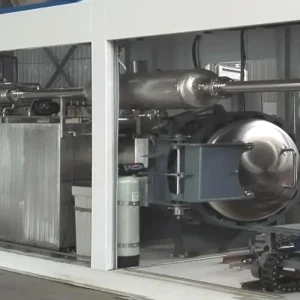
In modern petrochemical processing, coalbed methane extraction, and municipal environmental management, industrial dehydration systems play a pivotal role. As global emission mandates tighten under ESG frameworks, gas purification processing (dehydration, deacidification, and heavy hydrocarbon removal) has shifted from basic operational standard to high-precision engineering requirement.
At the cryogenic level, downstream natural gas liquefaction requires dehydration systems to reduce water content to less than 0.1 ppm to prevent hydration crystallization inside primary cryogenic heat exchangers. Concurrently, environmental sectors leverage thermal dehydration and hydrolysis systems to safely denature medical biological waste and neutralize pathological hazards efficiently, minimizing carbon output compared to conventional thermal combustion systems.
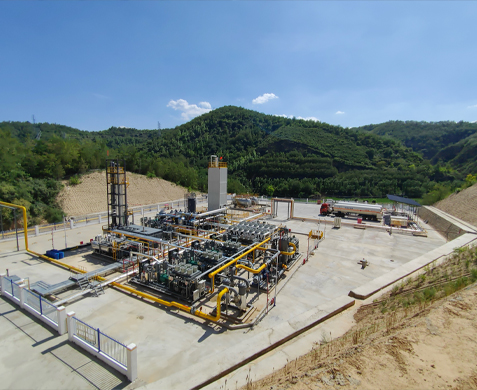
Ensuring feed gas dew point drops below -100°C via molecular sieves to completely bypass hydrate crystallization issues.
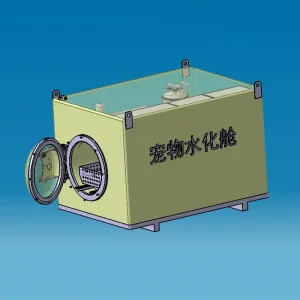
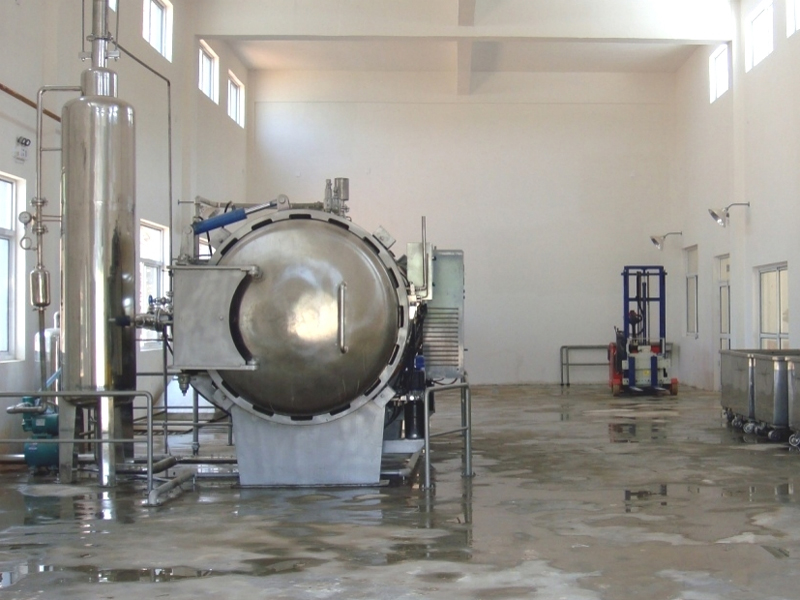
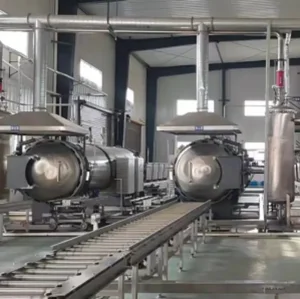
Processing laboratory animal carcasses via high-temperature pressurized steam hydrolysis to achieve full sterile neutralization.
China's industrial corridor offers unparalleled manufacturing synergy. For advanced dehydration systems and high-pressure vessels, Hebei Hongke Qingneng Environmental Protection Equipment Co., Ltd. stands as a prime example of high-efficiency production paradigms.
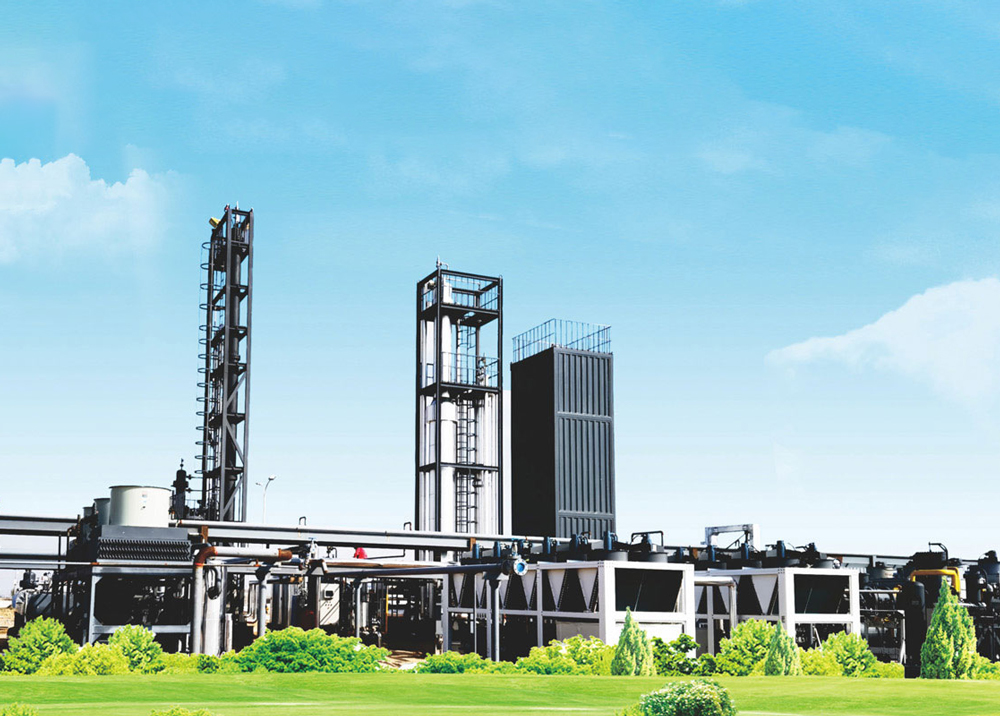
Our technical core originates from Tsinghua University and the Technical Institute of Physics and Chemistry, Chinese Academy of Sciences (CAS), ensuring industry-leading R&D depth.
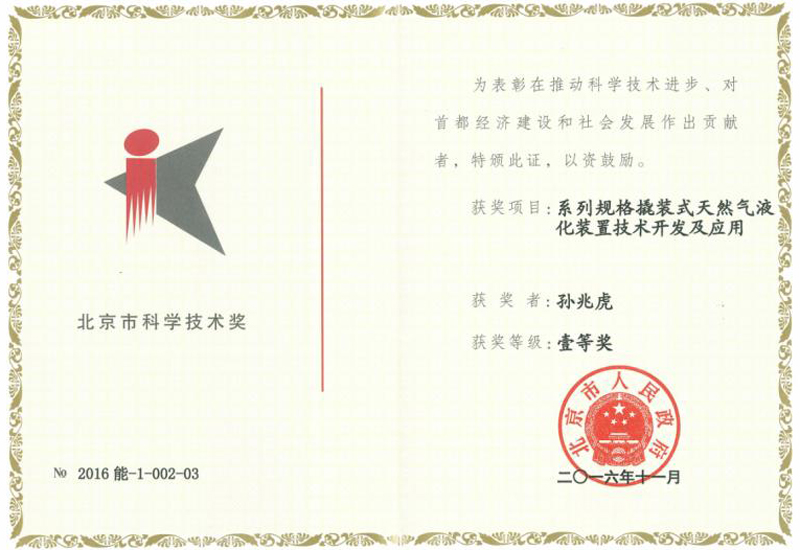
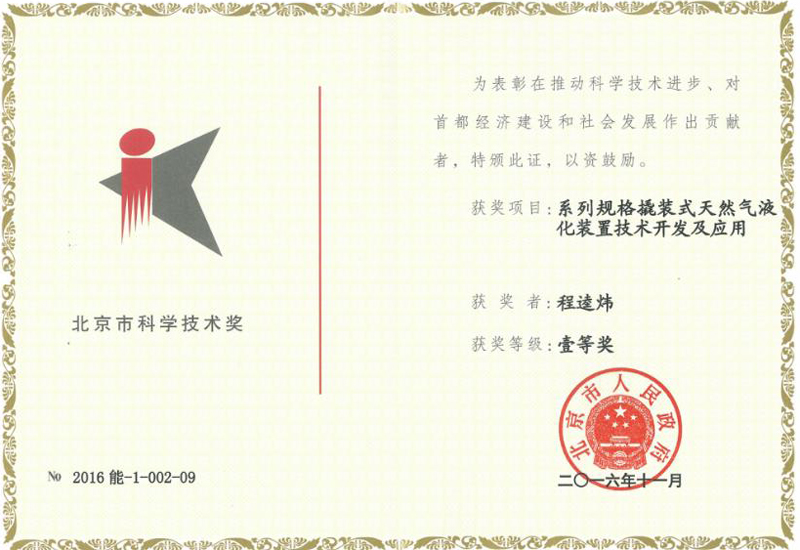
Doctorate recipient from the Institute of Physics and Chemistry Technology, Chinese Academy of Sciences, and National Senior Engineer. Dr. Sun has directed multiple major fund projects under the National Natural Science Foundation and National 863 Program. Recognized with the Chinese Society of Refrigeration Technological Invention Special Award (2015) and Beijing Science and Technology Award First Prize (2016), he drives the company's continuous innovation in thermal and mechanical thermodynamics.
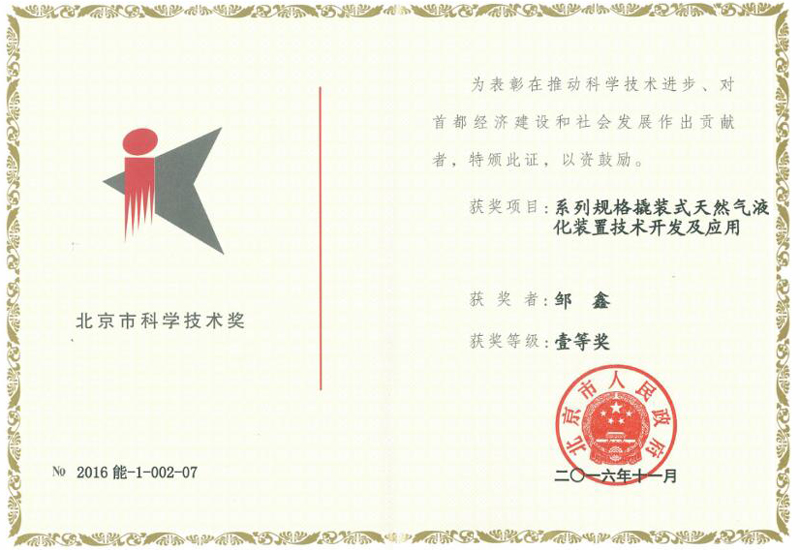
Ph.D. Candidate, Senior Engineer of the Institute of Physics and Chemistry Technology (CAS). Dr. Zou manages the enterprise's commercial and manufacturing execution pipelines. Author of 24 international and domestic academic papers (11 indexed in SCI/EI) and owner of 5 national invention patents. Recipient of the Beijing Science and Technology Award First Prize and the 19th China International Industry Expo Silver Medal.
Doctor of Engineering from the Technical Institute of Physics and Chemistry (CAS). A leading expert in phase change heat transfer characteristics and flow dynamics of mixed refrigeration mediums. Dr. Cheng spearheads the design architecture of all non-standard dehydration, purification, and gas liquefaction projects, bridging theoretical thermodynamics with practical, long-lifecycle skid systems.
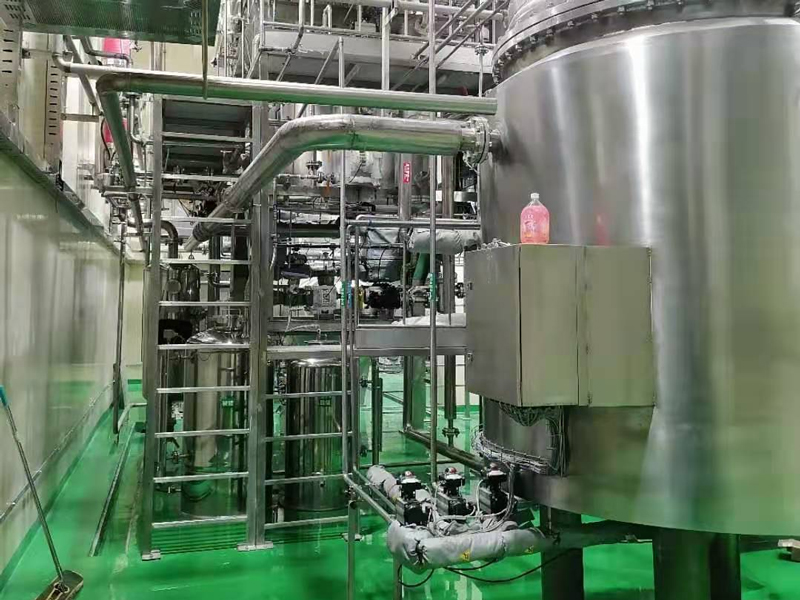
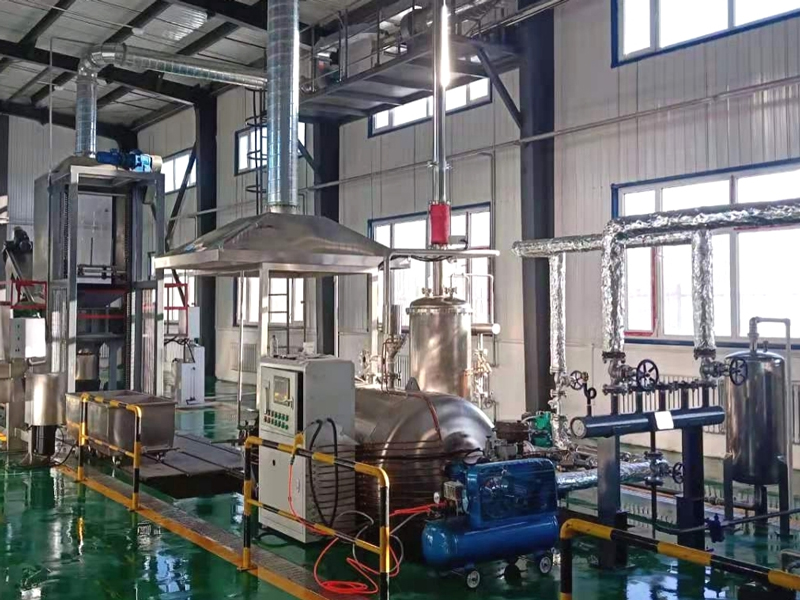
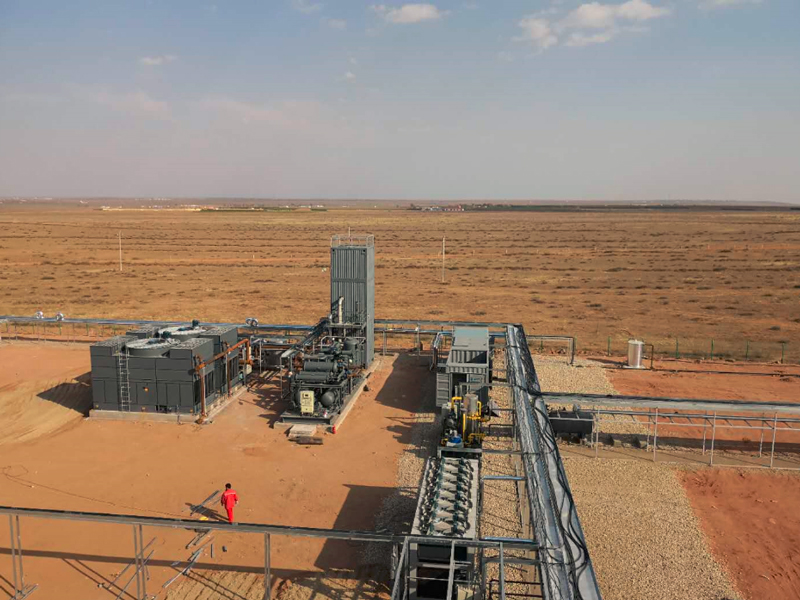
Our engineering suites are engineered to excel across demanding vertical configurations:
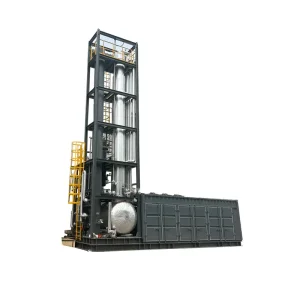
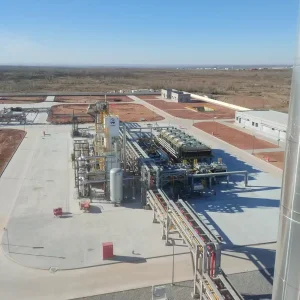
Deep removal of water vapor, trace heavy hydrocarbons, and carbon dioxide components to enable continuous, non-clogging gas liquefaction within municipal and remote drilling fields.
Ensuring total organic breakdown and thermal neutralization of bio-pathogens via advanced temperature-controlled hydrolysis chambers, customized for laboratory institutions and pet sanitary service providers.
Recovering escaping volatile organic compounds (VOCs) from chemical tail gases, reducing industrial carbon emissions while reclaiming valuable hydrocarbons from the exhaust stream.
The global industrial dehydration system sector is experiencing a significant transition driven by regulatory pressure and efficiency requirements:
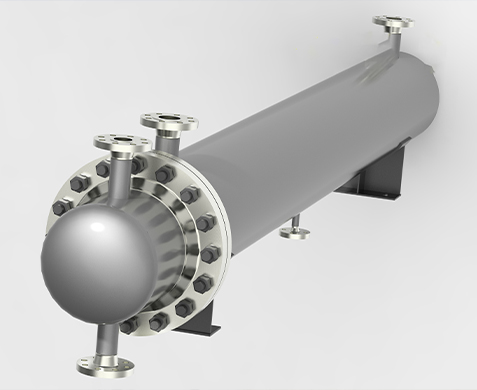
For global purchasing directors and EPC contractors, selecting a wholesale manufacturing partner requires verifying critical parameters:
Ensure the factory issues complete EN 10204 3.1 material certificates for all primary pressure-bearing steel plate components.
Verify calculation models for regenerator thermal performance to prevent premature desiccant degradation.
Confirm compliance with GB/T19001, ASME Section VIII Division 1, or regional equivalents depending on the project site.
Specify structural containerized dimensions for overseas transport, avoiding excessive non-standard logistics charges.
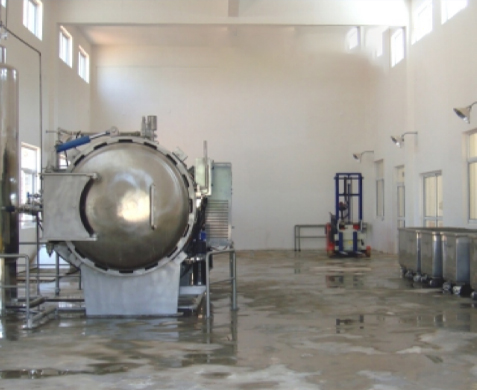
Essential technical knowledge regarding modern industrial dehydration systems, deacidification modules, and bio-harmless processing chambers.
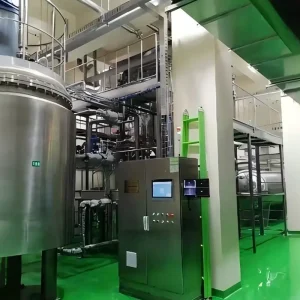
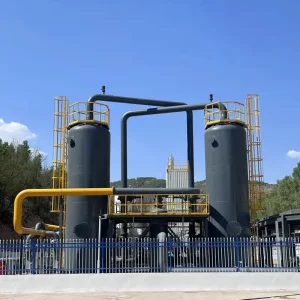
Industrial-grade natural gas dehydration systems primarily leverage thermal swing adsorption (TSA) configurations using molecular sieves (typically 3A or 4A). These systems typically include parallel adsorption columns, permitting continuous operations where one column is processing feed gas while the secondary column undergoes thermal regeneration cycles.
High-temperature hydrolysis utilizes saturated pressurized steam to safely break down and hydrolyze cellular materials into sterile residues. Unlike conventional fossil-fuel incineration, this method significantly reduces emissions, lowers energy consumption, and completely sterilizes viruses and pathogens without generating hazardous ash or toxic stack gases.
For streams containing carbon dioxide and trace hydrogen sulfide (H₂S), we utilize high-grade carbon steel internally cladded with corrosion-resistant alloys (CRA) or select solid stainless steel variants (316L or duplex steel). These materials are chosen specifically to match the operational temperature profiles and chemical composition of the input gas.
Yes. Every skid system is custom engineered. Our team adapts electrical components, control panels, and automation architectures (PLC systems) to match local field voltages (e.g., 380V/480V, 50/60Hz) and design criteria for hazardous environments (ATEX, IECEx, or Class I Division 1/2 classifications).
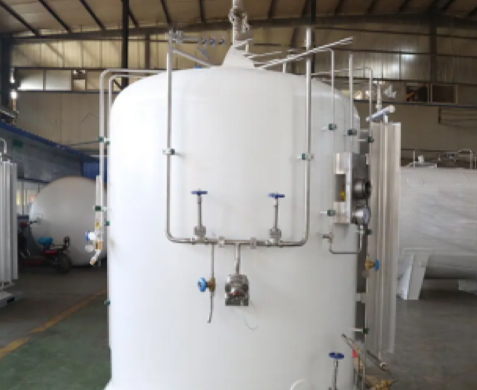
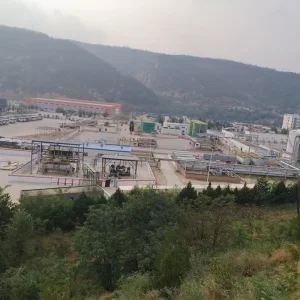
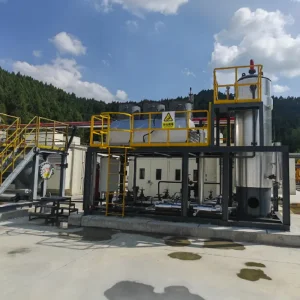
Extended industrial-grade inventory including skid-mounted natural gas systems, VOC containment processors, and advanced high-temperature sterilization vessels.
Connect with our senior engineering team to discuss technical sizing, custom materials, ASME/A2 pressure vessel requirements, and direct wholesale factory pricing.
Our design engineers from the Chinese Academy of Sciences (CAS) will provide a response and thermodynamic layout estimate within 24 business hours.
If you have any project needs or questions about our skid-mounted configurations, please feel free to reach out. Our global service team is ready to assist you.
 Hongke Qingneng