High-Quality Air Compressor Vessel Supplier & Manufacturers

Custom Engineered Pressure Storage Solutions & Advanced Environmental System Skids Designed to Exceed ASME Sec VIII & GB150 International Standards.

Executive Summary: The Critical Role of High-Performance Air Compressor Vessels in Global Industry

In modern industrial plants, compressed air is often referred to as the "fourth utility" alongside electricity, water, and natural gas. An air compressor vessel—commonly known as an air receiver tank—serves as the primary buffer storage system. It absorbs pressure pulsations from reciprocating or rotary screw compressors, precipitates condensate moisture, manages system demand spikes, and minimizes compressor cycling. Without a high-quality vessel designed to withstand fatigue stress, gas storage systems run the risk of structural failure, inefficient motor cycling, and downstream equipment damage.

As global manufacturing scales towards high automation and strict carbon emission protocols, the demand for high-integrity pressure vessels has shifted from basic structural weldments to highly engineered, smart-monitored, non-standard containment vessels. Today's global chemical processing, aerospace, pharmaceutical, and energy liquefaction plants demand air compressor vessels that offer absolute reliability under severe cyclical loading, extreme temperatures, and corrosive environmental exposures.

78M YUAN
Registered Capital
A2 Class
Pressure Vessel License
20+
Independent R&D Patents
50+ Projects
Global Skid-Mounted Operations

Industrial Status: Demand, Specifications, and Challenges in Sourcing Pressure Vessels

The manufacturing and sourcing of industrial pressure vessels require strict alignment with international quality standards. The global market is currently navigating major structural changes:

  • Energy Efficiency Regulations: Fluctuating electricity prices demand that air systems use larger, optimized air storage vessels to stabilize pressure and minimize compressor start/stop frequency.
  • Hydrogen and Green Transition: Storage tanks are increasingly designed to handle gas mixtures (such as hydrogen-enriched natural gas), requiring advanced metallurgy to prevent hydrogen embrittlement.
  • Modular Skid Integration: Contemporary engineering relies on complete, modular skids where purification units, dehydration modules, and air receivers are packaged onto a single structural frame to simplify field installation.

Engineers and EPC contractors looking for air compressor vessel suppliers prioritize compliance certificates (such as the A2 manufacturing license, ASME Section VIII Division 1 & 2, and PED 2014/68/EU). High structural integrity, custom nozzle configurations, robust inner surface anti-corrosion linings, and strict non-destructive testing (NDT) are key requirements in high-value tenders.

"A standard pressure vessel stores gas, but a high-performance, precision-engineered vessel optimizes system acoustics, separates moisture, reduces energy costs, and ensures long-term operational safety in demanding industrial conditions."

Scientific Leadership: Research-Driven Design by Industry Experts

Hebei Hongke Qingneng Environmental Protection Equipment Co., Ltd. is positioned at the intersection of academic research and advanced manufacturing. By collaborating with experts from Tsinghua University and the Institute of Physics and Chemistry Technology, Chinese Academy of Sciences (CAS), our engineering team designs and delivers solutions for complex thermodynamic, fluid mechanics, and structural containment challenges.

Dr. Sun Zhaohu
Founder & Chairman

PhD from the Institute of Physics and Chemistry Technology, CAS, and a National Senior Engineer. He has led major projects under the National 863 Program and the National Natural Science Foundation. His engineering research has earned key recognitions, including the First Prize of Science and Technology of the China Coal Industry (2013), the Special Prize of Technological Invention of the Chinese Society of Refrigeration (2015), and the First Prize of the Beijing Science and Technology Award (2016).

Zou Xin
General Manager & Senior Engineer

PhD candidate and Senior Engineer at the Institute of Physics and Chemistry Technology, CAS. He has managed several major research projects, including the "12th Five-Year Plan" national major special projects and aerospace military engineering programs. Author of 24 academic papers (11 indexed in SCI/EI) and inventor of multiple patented pressure systems.

Dr. Cheng Kuwei
Chief Engineer

Doctor of Engineering from the Institute of Physics and Chemistry Technology, CAS. Recipient of the 2016 First Prize of the Beijing Science and Technology Award. He specializes in phase change heat transfer, flow dynamics in mixed working mediums, and thermal design for skid-mounted natural gas liquefaction systems.

China Factory Efficiency & Technical Competitiveness

Our manufacturing base is located in the Sanhe Economic Development Zone, Langfang City, within the Beijing-Tianjin-Hebei industrial corridor. This location offers significant logistics, supply chain, and raw material advantages that directly benefit our international clients:

  • Certified Advanced Manufacturing: We operate under a certified A2 Level Pressure Vessel Manufacturing License, alongside certifications for pressure pipeline component manufacturing, GB/T19001-2016 quality management, and Sinopec HSSE / China Petroleum HSE standards.
  • Integrated Metallurgical Ecosystem: Through strategic partnerships with leading Chinese steel suppliers (such as Baosteel and TISCO), we source high-grade Q345R pressure vessel steel, cryogenic-grade 16MnDR, and 304/316L stainless steel with full material traceability.
  • Advanced Automated Welding: We use automated submerged arc welding (SAW), robotic plasma cutting, and specialized heat treatment facilities to ensure consistent weld penetration and minimize residual heat stress.
  • Strict Quality Testing: All manufactured vessels undergo rigorous Non-Destructive Testing (NDT), including digital radiographic (RT), ultrasonic (UT), magnetic particle (MT), hydro-static, and helium leak testing, ensuring zero-defect delivery.

Environmental & Waste Systems

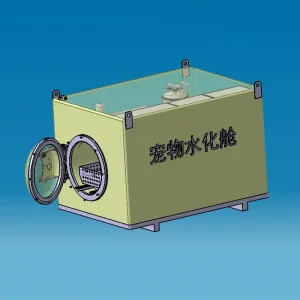
High-capacity, centralized and mobile medical waste high-temperature steam sterilization systems, safe animal carcass treatment systems, and eco-friendly pet hydration autoclaves designed for biosecurity and environmental safety.

Gas Processing & Cryogenics

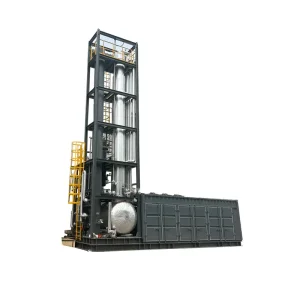
Skid-mounted natural gas, shale gas, and coalbed methane (CBM) purification and liquefaction units. Our systems feature advanced deacidification, dehydration, heavy hydrocarbon removal, and efficient BOG tail gas helium extraction.

Custom Industrial Equipment

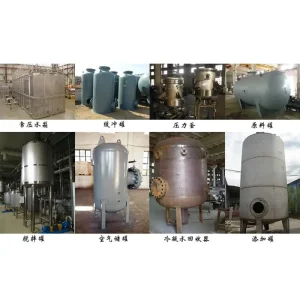
Non-standard carbon and stainless steel pressure vessels, heavy-duty shell and tube heat exchangers, high-temperature hot air stoves, and custom laboratory research test benches engineered for demanding process requirements.

Technical Parameters & Global Engineering Standards

When developing custom pressure vessels, our engineering team works with clients to define critical operational boundaries, ensuring long-term safety and performance:
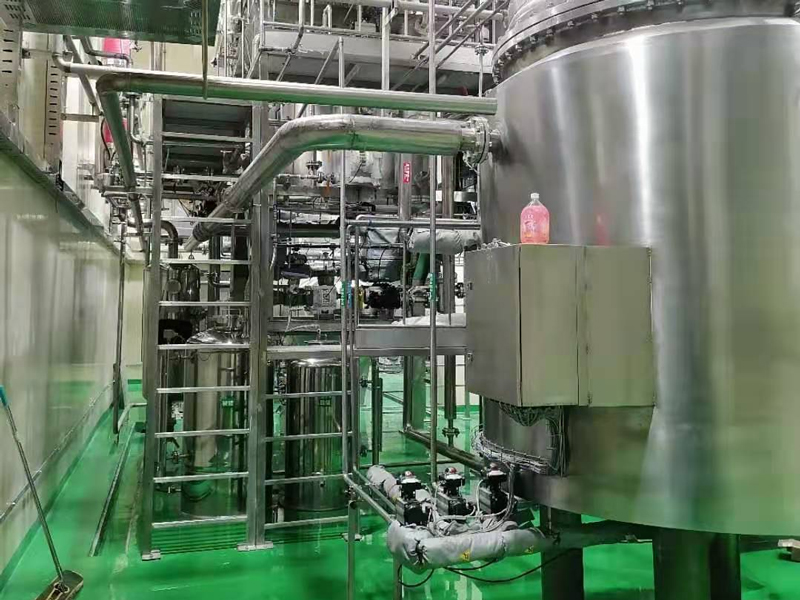
  • Design Codes: GB150 (China National Standard), ASME Section VIII Div 1 / Div 2 (U Stamp), or PED 2014/68/EU.
  • Volume Range: From 0.5 m³ to 150 m³ custom configurations.
  • Operating Pressure: High-pressure designs ranging from 1.0 MPa (10 bar) up to 10.0 MPa (100 bar) and higher.
  • Corrosion Control: Multi-coat epoxy internal coatings for wet air storage, thermal-sprayed zinc, or premium solid stainless steel configurations (SS304/SS316L).
  • Thermal Engineering: Advanced insulation solutions designed for temperatures ranging from -196°C (cryogenic storage) up to 350°C.

Case Studies & Engineering Applications

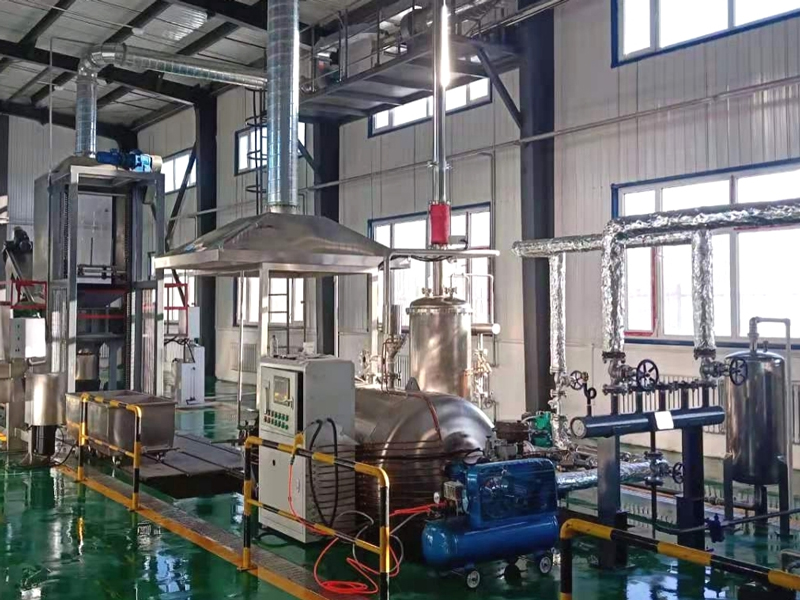
Laboratory Animal Residue Harmless Treatment

Laboratory Animal Residue Treatment

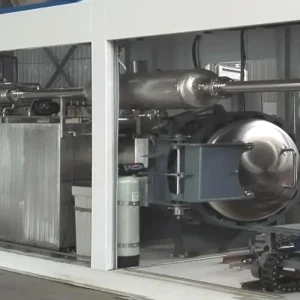
Biosecurity treatment system featuring integrated high-pressure autoclaves and automatic sterilization controls.
Mobile Medical Waste Treatment

Mobile Medical Waste Steam Unit

A self-contained, trailer-mounted high-temperature steam sterilization system designed for rapid deployment and rural healthcare support.
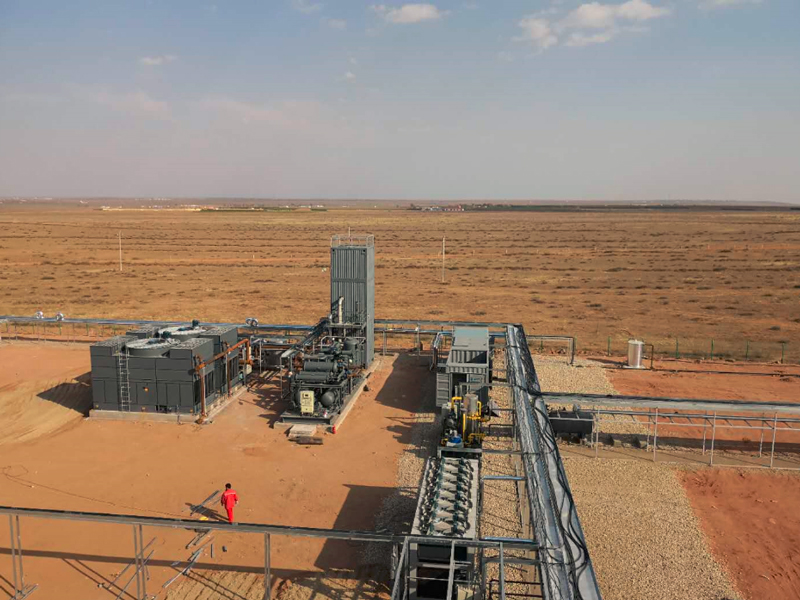
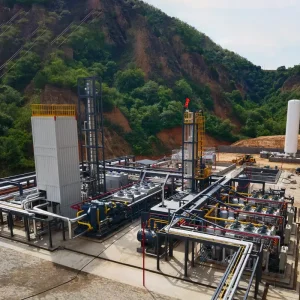
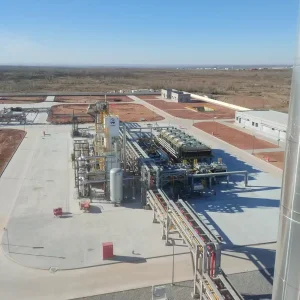
Well Gas Liquefaction Project

Well Gas Skid Liquefaction

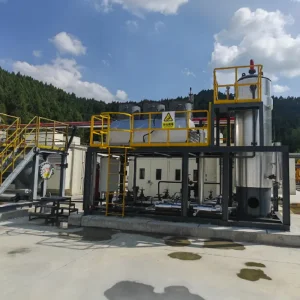
A field-installed, skid-mounted natural gas purification and liquefaction plant designed for efficient gas capture at the wellhead.
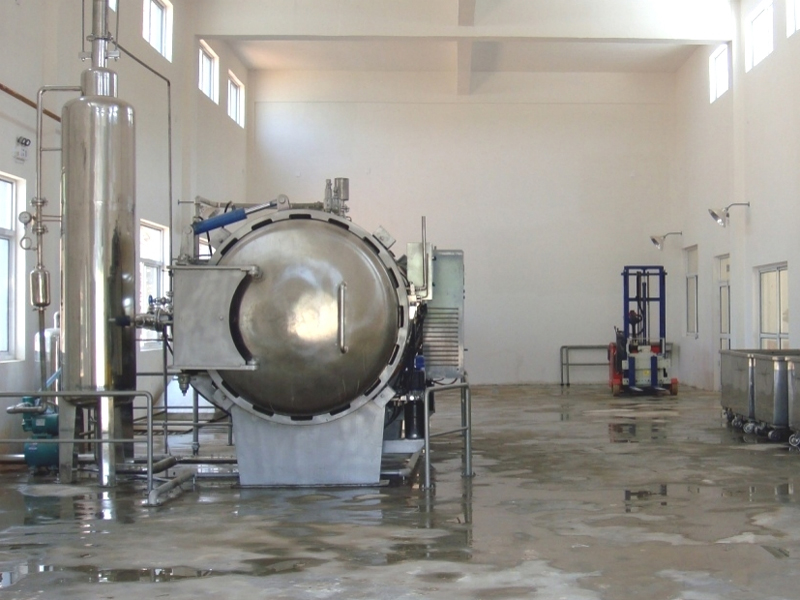
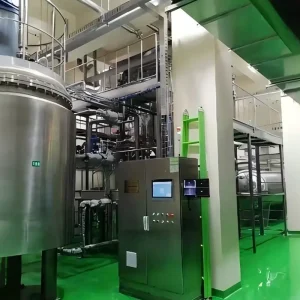
Centralized Medical Waste High-temperature Steam Treatment

Centralized Medical Waste Facility

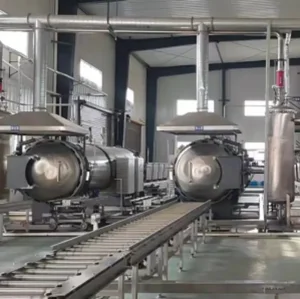
High-volume automated autoclave treatment plant designed for regional municipal medical waste management.

In-Depth Q&A: Technical Considerations for Sourcing Pressure Vessels

1. What design code matches our regional compliance requirements?
For plants in the United States and global offshore projects, ASME Section VIII Division 1 or Division 2 is typically standard. For projects in China, GB150 governs design and manufacturing. In Europe, the Pressure Equipment Directive (PED) 2014/68/EU is mandatory. Our engineering team designs and licenses vessels in compliance with GB150 and ASME structures, providing documentation for import customs and local safety inspections.
2. How does the choice of material impact structural integrity and life expectancy?
Carbon steel vessels (such as Q345R or SA516 Gr. 70) offer excellent cost-efficiency for dry, non-corrosive air storage. For corrosive environments, high humidity, or pharmaceutical/food-grade applications, stainless steel (SS304, SS316L) is preferred to prevent rust contamination. For low-temperature processes (down to -196°C), specialized impact-tested materials like 16MnDR or austenitic stainless steel are required to prevent brittle fractures.
3. Why is an air compressor vessel necessary downstream of a modern rotary screw compressor?
Even though rotary screw compressors provide continuous airflow, an air receiver tank remains critical. It prevents rapid loading and unloading cycles of the compressor motor during minor demand shifts, which reduces energy consumption and mechanical wear. Additionally, it cools the compressed air, causing entrained water vapor to condense so it can be drained before entering downstream dryers or pneumatic tools.
4. What testing protocols are applied to Hebei Hongke Qingneng vessels?
Every pressure vessel undergoes a structured QA routine: 100% material inspection (heat numbers and chemical verification), non-destructive testing (RT/UT on load-bearing weld seams), hydro-static pressure testing at 1.3 to 1.5 times the design pressure limit, helium leak testing for gas purification systems, and paint dry film thickness (DFT) checks.
5. How do customized nozzles and connections optimize plant construction?
Standard tanks often require complex piping modifications on site. Custom engineering allows us to position inlet, outlet, instrumentation, drain, and relief valve connections exactly where your design requires, reducing field piping installation time, pressure drops, and leak risks.

Request a Technical Quote & Layout Assessment

Collaborate with our CAS & Tsinghua-led engineering department to design and manufacture your high-performance air receiver vessels or skid-mounted purification systems.

Contact Our Engineering Team

Core Manufacturing Capabilities:

  • A2 Level High-Pressure Vessel Fabrication License
  • ASME SEC VIII Design & Stamp Equivalency
  • ISO 9001:2015 & Sinopec HSSE Compliant Facility
  • Complete Tail-Gas and Cryogenic Liquefaction Skid Assemblies