Explore our highly integrated systems, customized pressure vessels, and advanced environmental protection equipment manufactured to meet global compliance standards.
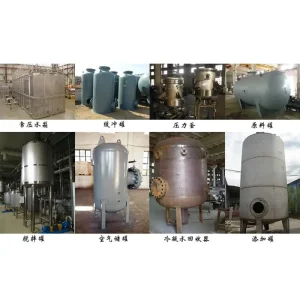
In modern industrial manufacturing and energy production, the structural integrity and design standards of Compressed Air Vessels and non-standard pressure systems define the baseline safety and efficiency of operations. As an industry-leading manufacturer, Hebei Hongke Qingneng Environmental Protection Equipment Co., Ltd. has established itself at the forefront of high-pressure engineering. Established in June 2021 with a registered capital of 78 million Yuan, the company leverages a state-of-the-art facility located in the Sanhe Economic Development Zone, Langfang City, Hebei Province.
Our operational framework focuses on the Research & Development, design, and precision manufacturing of critical pressure vessels, skid-mounted gas treatment systems, chemical tail gas units, industrial refrigeration setups, and high-efficiency bio-wastewater management modules. Supported by a rigorous academic foundation, we develop solutions that optimize system thermodynamics, thermal transfer characteristics, and structural life cycles under demanding pressure conditions.
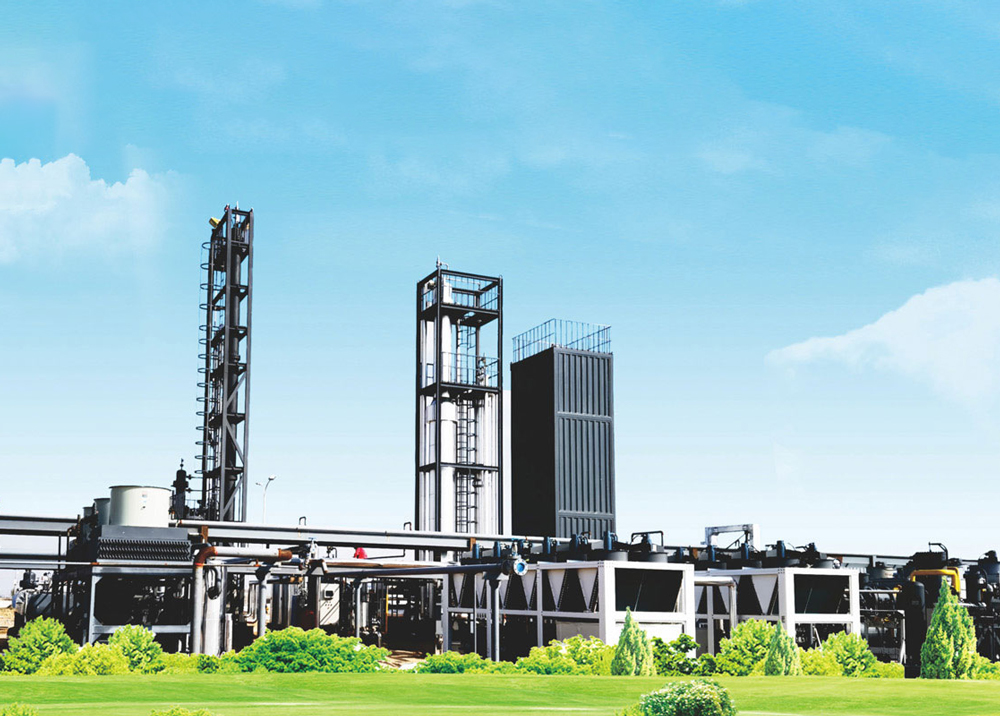
Underpinned by academic research and validated engineering standards, our design framework conforms to rigorous global regulatory codes.
Our core technical team comprises distinguished alumni and researchers from Tsinghua University and the Institute of Physics and Chemistry Technology of the Chinese Academy of Sciences (CAS). By combining fundamental academic research with practical applications, we have secured multiple independent intellectual property patents, ensuring our pressure vessels achieve optimal thermodynamic efficiency.
The company is fully authorized with the A2 level pressure vessel manufacturing license, pressure pipeline components manufacturing license, and GB/T19001-2016 quality system certification. Furthermore, our operations comply with Sinopec HSSE and China Petroleum Health, Safety, and Environment Management System certifications, designating us as a trusted Class II industrial pressure vessel provider.
We engineer pressure systems aligned with global decarbonization goals. By developing robust gas recovery and resource preservation equipment, our installations actively contribute to air pollution control, VOC emissions reduction, and volatile chemical containment, aiding global enterprises in meeting localized environmental safety benchmarks.
An authoritative guide to metallurgy, stress analysis, and international design codes for industrial high-pressure air storage systems.
Industrial compressed air vessels function under cyclic load conditions, making compliance with strict international codes mandatory to prevent catastrophic structural failure. Our manufacturing line uses premium carbon steels (such as Q345R, SA516 Gr. 70) and stainless steel grades (SUS304, SUS316L) to ensure high tensile strength and rust resistance. Every air vessel designed in our facility undergoes rigorous Finite Element Analysis (FEA) to verify stress distribution across the head geometries (ellipsoidal, torispherical, or hemispherical) and nozzle reinforcement profiles. This theoretical validation prevents fatigue crack initiation at welded intersections.
By complying with the ASME Boiler and Pressure Vessel Code (Section VIII, Division 1 and 2), we deliver vessels that meet the exact design margins, joint efficiency coefficients, and corrosion allowances required by engineering buyers in the United States, Europe, and Asia. From calculating the minimum design metal temperature (MDMT) to validating allowable working pressure (MAWP), our engineering drawings are checked by senior certified inspectors.
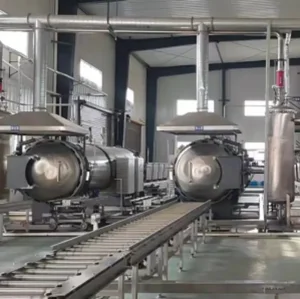
Sourcing compressed air vessels from our factory in Langfang, China, offers distinct supply chain advantages. Our factory is located near major steel manufacturing centers and deepwater shipping terminals, reducing raw material logistics costs and export times. Furthermore, our high degree of automation—incorporating robotic submerged arc welding (SAW), automated gas tungsten arc welding (GTAW), and high-resolution digital non-destructive testing (NDT)—minimizes labor variances. This advanced production line enables Hebei Hongke Qingneng to offer highly competitive pricing structures for custom pressure vessels, skid-mounted LNG equipment, and centralized waste sterilizers, while maintaining exceptional structural quality.
For multinational buyers, local compliance is a key requirement. We supply documentation packages including material test reports (MTRs), hydrostatic test records, ultrasonic/radiographic test certificates (UT/RT), and third-party inspections (such as SGS or TÜV Rheinland). Whether your project demands ASME U-Stamp authorization, European Union CE-PED (Pressure Equipment Directive) certification, or compliance with localized standards like Australia's AS1210 or Brazil's NR-13, we ensure the design passes certification without delay. Our global engineering support team assists clients with local installation procedures, commissioning oversight, and authority approvals.
While standard compressed air vessels store bulk pneumatic power, our product line integrates these components into highly advanced industrial applications. These include:
Pneumatic Storage & Pulsation Dampening: Stabilizing air flow from high-capacity rotary screw or reciprocating compressors.
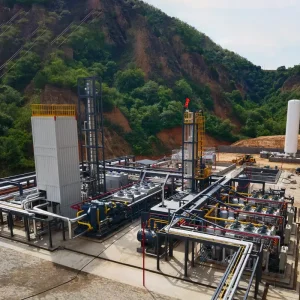
Cryogenic Skid Assemblies: Working with our skid-mounted LNG liquefaction systems to manage natural gas, shale gas, or coalbed methane purification processes.
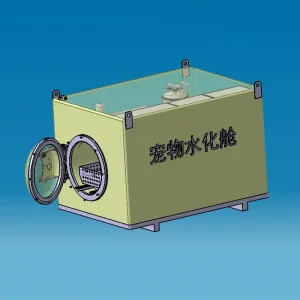
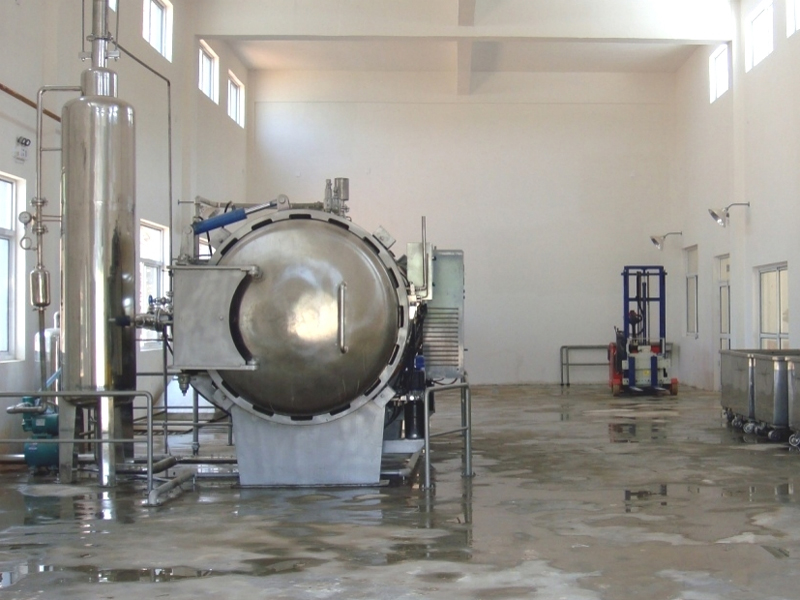
Environmental and Thermal Hydrolysis Systems: Providing high-pressure containment for medical waste steam autoclaves and animal carcass treatment reactors, which require constant high-temperature sterilization.
Our product designs are guided by leading specialists in engineering thermodynamics, low-temperature physics, and pressure vessel design.
Founder & Chairman
Holding a PhD from the Institute of Physics and Chemistry Technology, Chinese Academy of Sciences (CAS), and the title of National Senior Engineer, Dr. Sun has led several major national projects, including the National 863 Program. He has received numerous accolades, such as the Special Prize of Technological Invention from the Chinese Society of Refrigeration and the Beijing Science and Technology Award. He has oversaw the design of over 50 skid-mounted installations, integrating complex thermodynamic physics with heavy fabrication.
General Manager & Senior Engineer
A PhD candidate and Senior Engineer at the Institute of Physics and Chemistry Technology, CAS, Dr. Zou manages our engineering applications and technology commercialization. He has published 24 domestic and international academic papers (with 11 indexed by SCI/EI) and holds 5 patents. His work in phase-change heat transfer has been recognized with the Beijing Science and Technology Award and the Silver Medal of the 19th China International Industry Expo.
Chief Engineer
Dr. Cheng earned his Doctor of Engineering from the Institute of Physics and Chemistry Technology, CAS. He has specialized in phase-change heat transfer characteristics and flow dynamics within complex gas mixtures. Dr. Cheng developed our proprietary Skid-Mounted Natural Gas Liquefaction technology, earning the Special Prize of Science and Technology from the Chinese Refrigeration Society. He oversees all pressure vessel integrity calculations and process piping layouts.
Explore our specialized units for high-pressure storage, cryogenics, and environmental waste treatment.

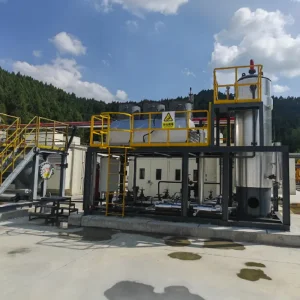
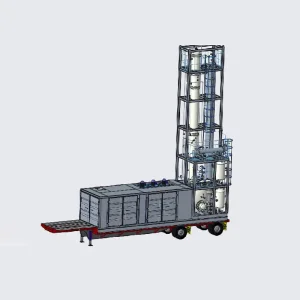
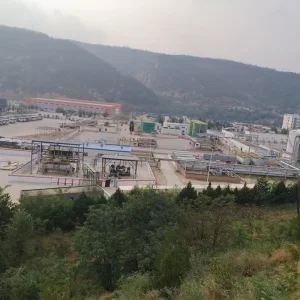
Our industrial systems are deployed globally to support critical projects in gas processing and hazard management.
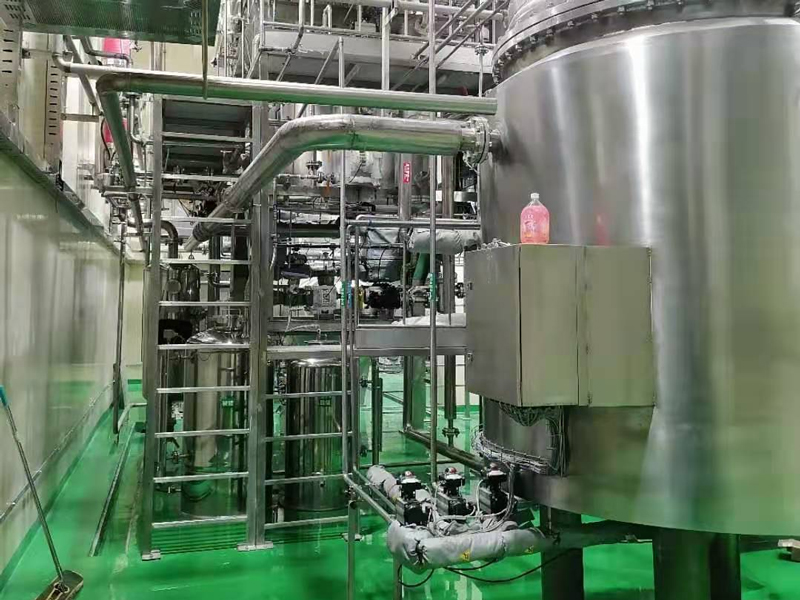
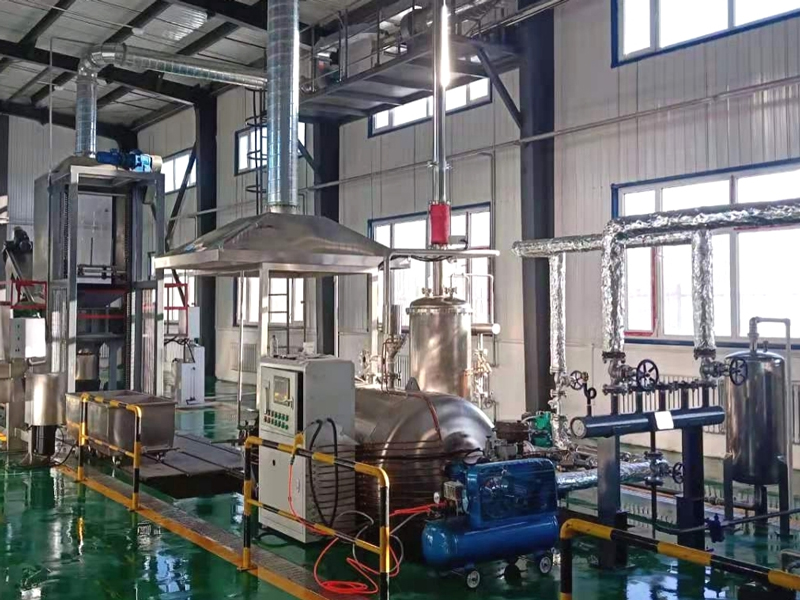
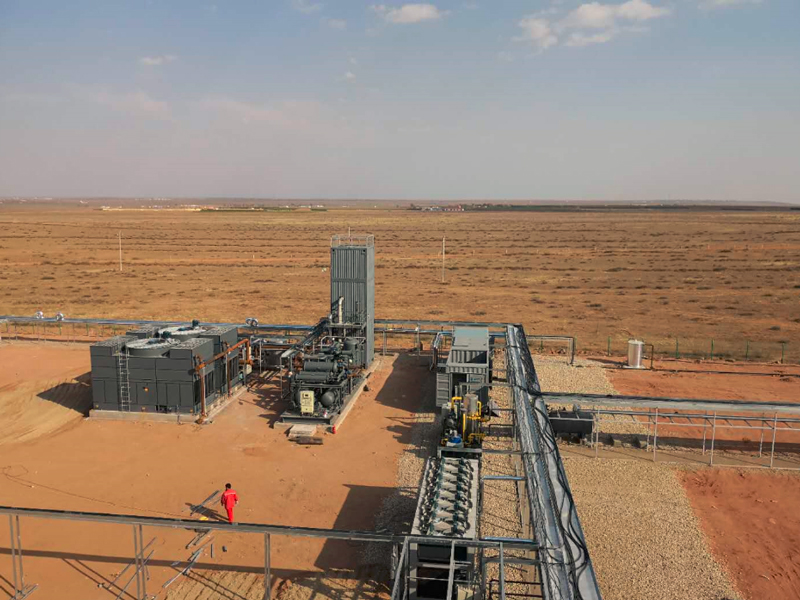
Get authoritative answers on design limits, regulatory compliance, and installation best practices for high-pressure storage systems.
Key factors include: design pressure rating (which must exceed the compressor's peak output pressure), volume capacity (to manage downstream demand fluctuations), materials (carbon steel for dry systems, or stainless steel for corrosive environments), joint efficiency calculations, and localized certifications (ASME Sec VIII, PED, or GB150). Sizing calculations should prevent compressor short-cycling and ensure smooth air delivery.
We use non-destructive testing (NDT) procedures. This includes Radiographic Testing (RT) to inspect internal weld structures, Ultrasonic Testing (UT) for thickness verification, and Magnetic Particle Testing (MT) or Penetrant Testing (PT) for surface inspections. Finally, all vessels undergo a hydrostatic test at 1.3 to 1.5 times the maximum allowable working pressure (MAWP) to ensure weld integrity before shipping.
Yes. Our vessels are engineered to withstand temperatures down to -196°C for LNG skid systems. We use high-alloy materials (such as SUS304) and vacuum-insulated double-wall piping designs. For volatile organic compound (VOC) treatment, our vessels handle gaseous hydrocarbons and chemical emissions, complying with environmental laws.
Standard manufacturing timeframes range from 4 to 8 weeks, depending on design complexity, wall thickness, and required certifications. The process includes design optimization, FEA analysis, material procurement, fabrication, NDT testing, surface treatment, and packaging. Direct access to steel mills helps us maintain reliable delivery schedules.
When ambient air is compressed, water vapor condenses. An air vessel helps cool the air, causing water to pool at the bottom where it can be safely drained. Combining the vessel with automated drains, moisture separators, or desiccant air dryers prevents water from entering downstream pneumatic tools, protecting your equipment from rust and premature wear.
 Hongke Qingneng