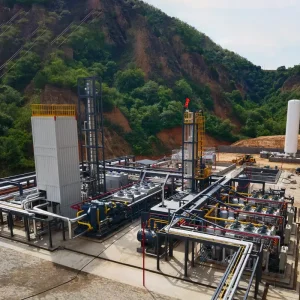
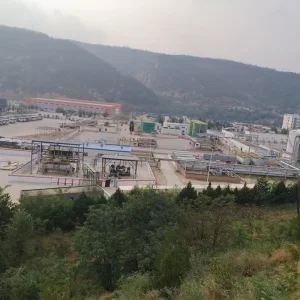
Engineered to meet stringent global standards, delivering high efficiency and maximum structural integrity.
As international energy grids transit toward cleaner burning fuel models, liquefied natural gas (LNG) serves as the primary bridge resource. At the heart of the global LNG supply chain lies the demand for robust, highly efficient LNG Heat Exchangers and purification modules. Modern chemical and energy conglomerates operate under aggressive decarbonization goals, requiring thermal systems capable of performing in extreme conditions—pressures exceeding 10 MPa and temperatures plunging below -162°C.
Key global procurement demands focus heavily on minimizing energy consumption, reducing footprint through skid-mounting, and ensuring the structural integrity of pressure vessels. Hebei Hongke Qingneng Environmental Protection Equipment Co., Ltd. addresses these demands with specialized cryogenic technologies. Backed by a registered capital of 78 million yuan and headquartered within the Sanhe Economic Development Zone, Langfang City, we design and manufacture Class A2 pressure vessels, biological waste treatments, and skid-mounted liquefaction assemblies built to handle these challenges.
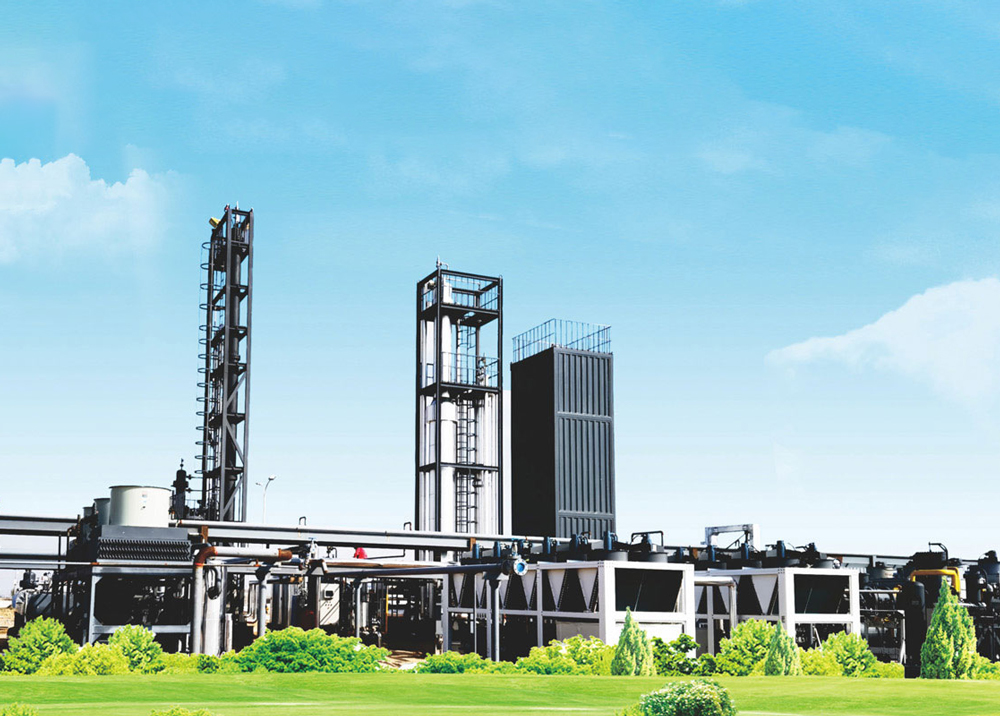
Providing integrated environmental and liquefaction solutions across diverse operating sectors.
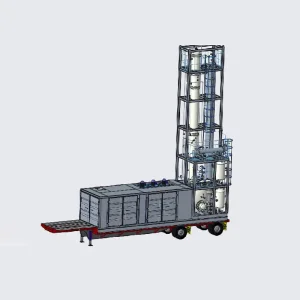
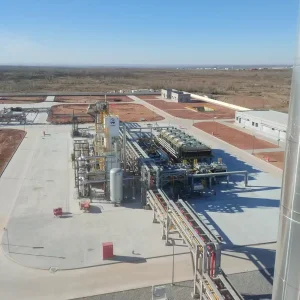
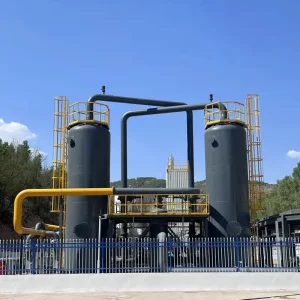
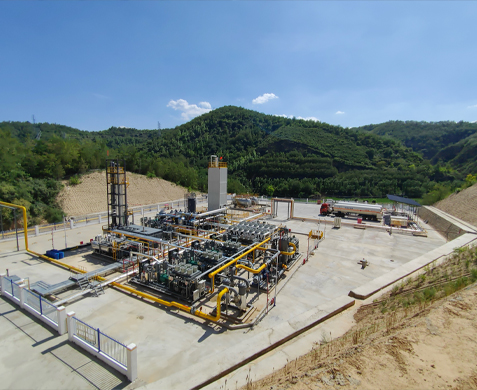
We provide full-process solutions for coalbed methane (CBM), shale gas, and scattered wellhead gas. Our skid-mounted systems facilitate pre-treatment, deacidification, dehydration, heavy hydrocarbon removal, and dynamic liquefaction in remote or space-constrained operations.
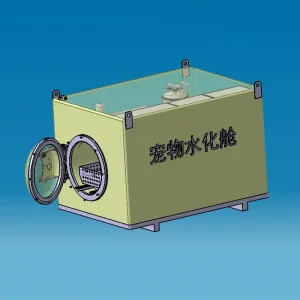
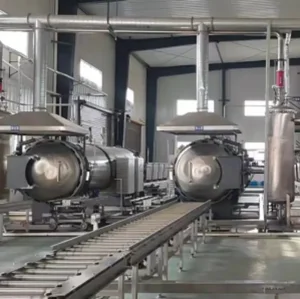
Our centralized and mobile medical waste high-temperature steam treatment equipment features advanced thermal sterilization control systems. Perfect for medical systems, municipal waste processors, and laboratory animal carcass containment.
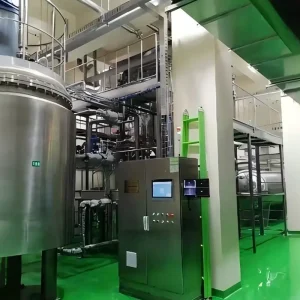
Engineered for refrigeration demands from -40°C down to ultra-deep cryogenic ranges of -180°C. Widely utilized in BOG (Boil-Off Gas) helium extraction, VOC organic waste gas recovery, freeze-dryers (-70°C to -100°C), and high-efficiency vacuum cold traps.
| Application System | Operating Temp Range | Primary Custom Components | Compliant Certification Standards |
|---|---|---|---|
| LNG Skid Liquefaction Box | -162°C to -196°C | High-flux heat exchangers, phase-change piping | GB150, A2 License, ISO9001 |
| BOG Helium Extraction | -180°C to -270°C | Cryogenic separators, vacuum cold traps | Sinopec HSSE, CAS Patent Lineage |
| VOC Recovery & Deacidification | -40°C to -80°C | Shell & tube evaporators, desulphurisation columns | CNPC Environmental standards, GB/T19001 |
| Medical Steam Treatment | Up to 134°C (Saturated Steam) | High-pressure sterilization chambers | A2 Class Vessel Standard |
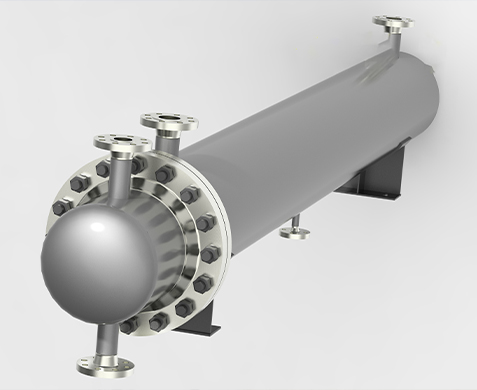
The engineering of cryogenic structures requires deep insights into phase-change heat transfer. Under the supervision of academic pioneers from Tsinghua University and the Institute of Physics and Chemistry Technology, Chinese Academy of Sciences (CAS), Hebei Hongke Qingneng has developed proprietary mathematical modeling techniques to resolve complex multi-component fluid phase changes.
Unlike standardized industrial heat exchangers, LNG operations process multi-stream, non-equilibrium mixtures. Our technical roadmap focuses on managing the phase-behavior profile of Mixed Refrigerants (MRC). By mapping local heat transfer coefficients across complex geometries, our designs minimize temperature differences (pinch point) to under 1.5 K, vastly optimizing cycle thermodynamics.
Led by senior research scientists with recognized contributions to cryogenic thermodynamic patents and military-grade applications.
A national senior engineer who has presided over the National 863 Program, the Natural Science Foundation, and aerospace projects. Recognized with the Special Prize of Technological Invention by the Chinese Society of Refrigeration (2015) and the First Prize of Beijing Science and Technology Award (2016). Over 20 independent R&D patents implemented in industrial sites globally.
Managing Hebei Hongke Qingneng's market deployment and engineering operations. Having published 24 domestic and international academic papers (including 11 SCI/EI indexed papers), Zou has secured 5 national invention patents. Awarded the Silver Medal of the 19th China International Industry Expo (2017).
A thermal process specialist focused on Skid-mounted Natural Gas Liquefaction Units. Recipient of the 2016 First Prize of Science and Technology Award of Beijing. Cheng specializes in mixed working medium phase changes, bringing academic theory to large-scale, modular LNG equipment design.
Heavy industrial projects operate under stringent safety regulations. At Hebei Hongke Qingneng, quality control is integrated into every step of design, sourcing, manufacturing, and validation. With an A2 Level Pressure Vessel Manufacturing License and Sinopec HSSE / China Petroleum Health, Safety, and Environment Management System certifications, our facility complies with international pressure vessel guidelines.
From raw plate ultrasonic testing to final radiographic inspections of weld seams, all processes are fully documented for traceability. Our global engineers assist clients in aligning skid designs with regional requirements, including ASME Section VIII, European PED/CE, and national GB standards.
Insights into the thermal dynamics, materials, and engineering of modern LNG processing.
Mixed Refrigerant Cycles (MRC) involve non-isothermal phase changes where condensing and boiling points change continuously. Standard heat exchangers struggle to balance these variations, leading to thermal pinch points and efficiency losses. Our CAS-developed models compute localized heat transfer coefficients across dynamic temperature curves, allowing us to align condensing and evaporation paths within a 1.5 K difference to maximize energy efficiency.
Thermal cycling from ambient temperatures down to -162°C creates significant dimensional changes. We address this by utilizing low-temperature materials (such as SS304L, SS316L, or specialized nickel alloys) and incorporating flexible piping configurations and expansion loops. Structural analyses verify stress distributions under startup, normal running, and emergency shutdowns to prevent cracking in structural joints.
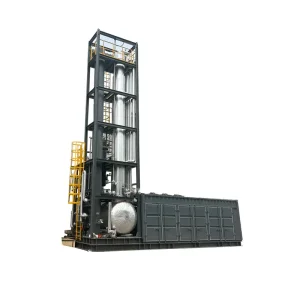
Traditional, site-built LNG plants require complex civil construction and piping hookups. Skid-mounted designs assemble, wire, and test all purification columns, cooling boxes, and compressors on a structural steel frame before shipment. This approach reduces on-site installation timelines by up to 70%, enables quick relocation as well pressure profiles shift, and ensures factory-level assembly quality under laboratory-like clean conditions.
Before liquefaction can occur, moisture, acid gases (CO2, H2S), and heavy hydrocarbons must be removed to prevent solids from freezing and clogging the cryogenic heat exchangers. Our integrated skids feature amine-wash deacidification, molecular sieve dehydration beds, and activated carbon filters. These systems ensure that processed gas complies with the required LNG purity standards (typically CO2 < 50 ppm, H2O < 1 ppm).
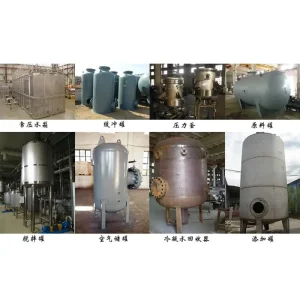
Explore our specialized range of environmental treatment, purification, and recovery equipment.
 Hongke Qingneng