Integrating specialized spiral heat exchange technology, high-pressure vessels, and process automation solutions globally.
Hebei Hongke Qingneng Environmental Protection Equipment Co., Ltd. was established in June 2021 with a registered capital of 78 million yuan. Situated in the core industrial hub of the Sanhe Economic Development Zone, Langfang City, Hebei Province, our enterprise is a recognized vanguard in the research, development, and high-end manufacturing of industrial energy conservation and environmental protection systems.
Our engineering spectrum covers the full design, thermal modeling, structural optimization, and manufacturing of custom pressure vessels (A2 level licensed), advanced medical waste high-temperature steam treatment systems, laboratory animal tissue hydrolysis processors, live toxic wastewater biological decontamination units, and modular skid-mounted integration systems.
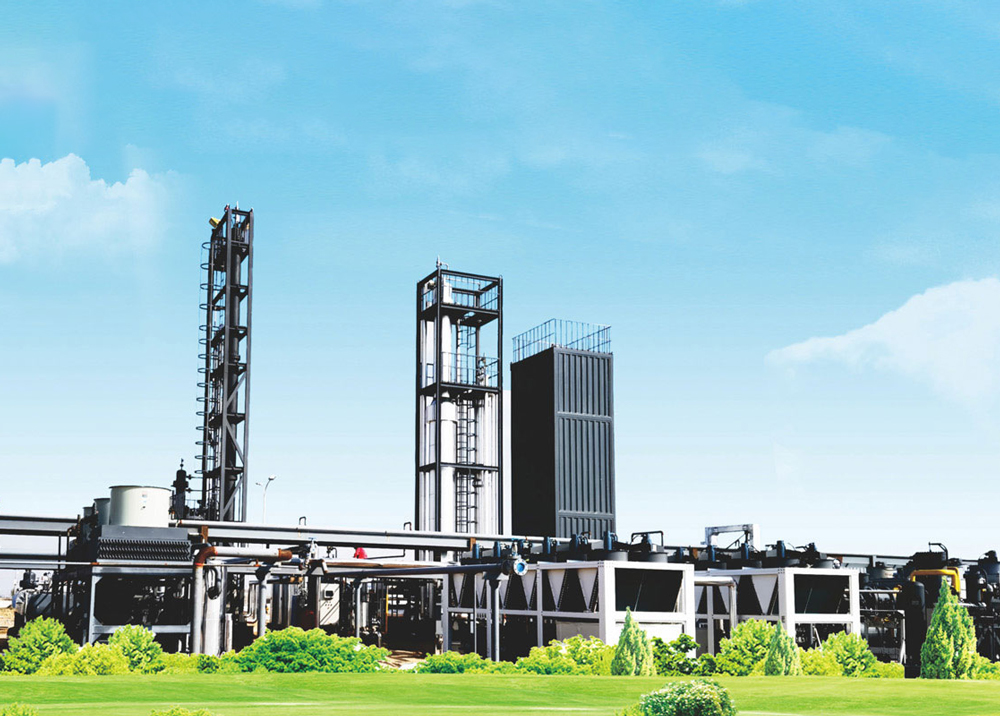
Specifically, we specialize in gas processing, including coalbed methane (CBM), shale gas, and natural gas purification and liquefaction, VOC tail-gas extraction, chemical exhaust scrubbers, sub-zero industrial refrigeration packages, and cryogenic BOG helium extraction lines.
Our engineering leadership originates from elite institutions, including Tsinghua University and the Institute of Physics and Chemistry Technology, Chinese Academy of Sciences (CAS).
Doctor of Engineering from the Institute of Physics and Chemistry Technology, CAS. National Senior Engineer. Dr. Sun has successfully presided over major aerospace, military, and energy projects under the National 863 Program and the National Natural Science Foundation. Recipient of the Special Prize of Technological Invention of the Chinese Society of Refrigeration and the Beijing Science and Technology Award. He holds over 20 independent intellectual property patents applied directly to cryogenic gas plants.
Ph.D. Candidate, Senior Engineer of the Institute of Physics and Chemistry Technology, CAS. Over a decade of execution management in national-level cryogenic special projects, including the "12th Five-Year" major scientific special initiatives. Author of 24 scholarly papers (11 SCI/EI indexed), holding 5 national invention patents. Awarded the Special Prize of Technological Invention of the Chinese Society of Refrigeration (2015) and Silver Medal of the 19th China International Industry Expo.
Doctor of Engineering from CAS. Principal developer of the technological framework: "Development and Application of Skid-mounted Natural Gas Liquefaction Units with Series Specifications." Dr. Cheng has published foundational breakthroughs in multi-component fluid phase-change heat transfer, multi-stream spiral winding thermal optimization, and dynamic fluid dynamics under extreme pressure boundaries.
Exploring the mechanical and thermal foundations that make spiral-wound and spiral-plate exchangers indispensable in LNG liquefaction and hazardous waste recovery.
Modern petrochemical plants, natural gas processing sites, and low-temperature purification processes rely heavily on the thermodynamic performance of heat exchangers. Spiral wound heat exchangers (SWHE) offer high effectiveness because of their geometry: tubes are wound helically around a central core mandrel. This geometry permits an extremely high heat transfer area per unit volume, which can exceed shell-and-tube configurations by over 200%.
In Mixed Refrigerant Cycles (MRC), fluid streams undergo continuous phase transition, transitioning from gaseous states to sub-cooled liquids. Traditional shell-and-tube exchangers suffer from flow maldistribution, phase separation, and mechanical strain caused by thermal expansion gradients. The spiral configuration counters these challenges by enforcing a continuous cross-flow condition across the tube bundles, generating secondary Dean vortices within the helical channels. This enhances convective heat transfer coefficients while maintaining stable pressure drop parameters.
During deep cryogenic operations (down to -180 °C for LNG and -269 °C for Helium systems), materials undergo substantial shrinkage. In a linear configuration, this contraction creates localized mechanical stress concentrations, which can result in catastrophic failure at tubesheet joints.
Our CAS-backed research addresses this through the use of self-compensating helical tube arrays. Each individual winding tube behaves as a miniature spring, absorbing axial and radial thermal contractions without transmitting stresses to the primary tubesheet. Furthermore, by optimizing the winding angle (from 18° to 28°), we minimize boundary layer bypass and maximize flow distribution across the shell side.
Leveraging Langfang's high-tech industrial cluster to build secure, certified, and cost-efficient pressure systems.

Equipped with Chinese A2 class pressure vessel design & manufacturing licenses and pressure pipeline component manufacturing clearances. Fully compliant with GB/T19001-2016 and Sinopec HSSE / China Petroleum Health, Safety, and Environment standards. We design to match ASME Section VIII Div 1/2 requirements for global exports.

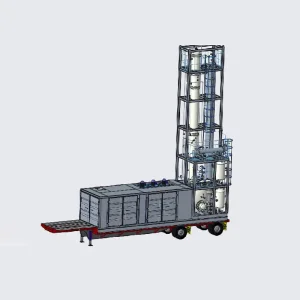
We transition complex process flow diagrams into plug-and-play skid-mounted systems. Complete piping, electrical controls, heat exchangers, separation columns, and instruments are pre-commissioned at our Langfang factory. This reduces on-site erection and installation cycles by up to 60%.

From raw plate pre-processing, automatic tube bundle winding, CNC machining of tube sheets, to specialized heat treatment facilities, we maintain full control over quality and lead times. This vertical integration allows us to deliver high-quality, custom solutions with a 30% cost advantage over western counterparts.
Engineered to excel in critical processes, from raw natural gas purification to medical and laboratory animal residue sterilization.
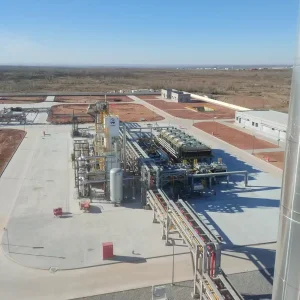
Our skid-mounted LNG systems are deployed in distributed gas fields, coalbed methane locations, and wellheads. They handle deacidification, dehydration, and heavy hydrocarbon removal. Integrated spiral-wound exchangers condense natural gas efficiently under varying composition inputs.
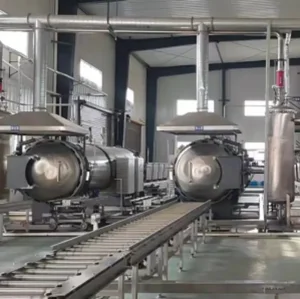
Engineered for biological containment facilities, pharmaceutical production plants, and BSL labs. We develop medical waste high-temperature steam sterilization systems and carcass tissue hydrolysis units. These systems utilize continuous thermal sanitation steps to ensure biosafety.
For chemical complexes, refineries, and manufacturing plants, our tail-gas recovery packages reclaim hydrocarbon components. They clean volatile organic compounds (VOCs) and retrieve value from low-pressure exhaust flows, supporting compliance with global emissions regulations.
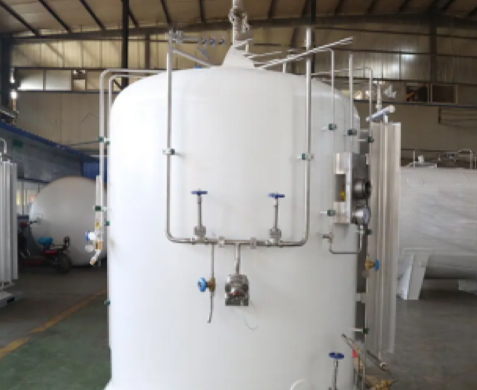
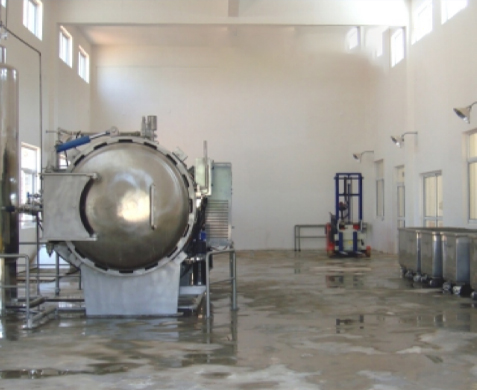
A visual digest of our manufactured equipment, testing arrays, and international skid deliveries.
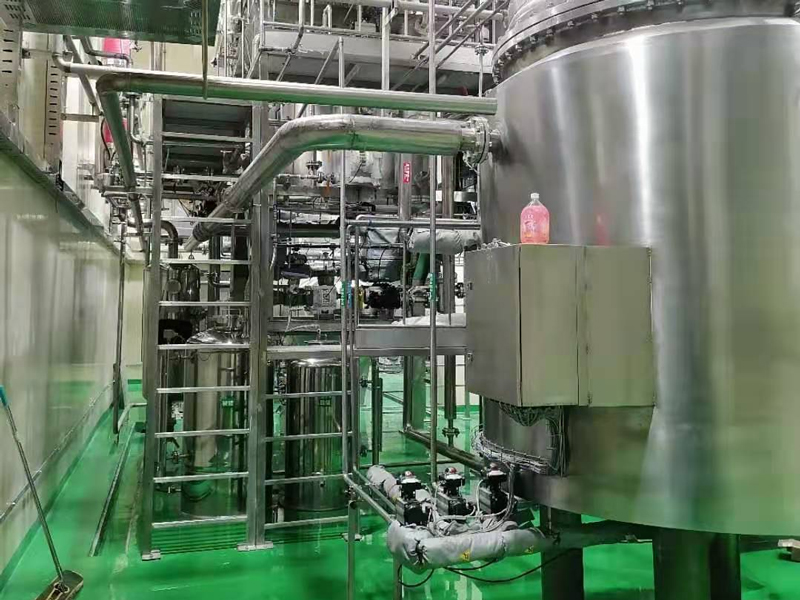
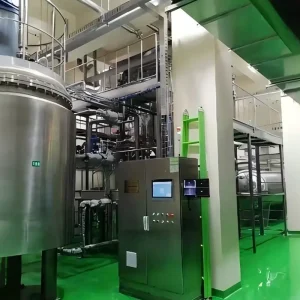
High-efficiency biological tissue hydrolysis system designed for national research labs.
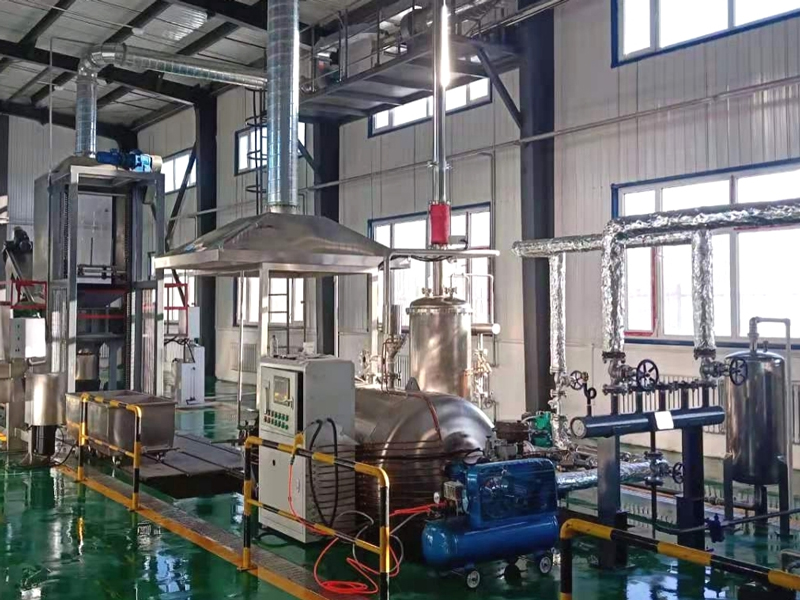
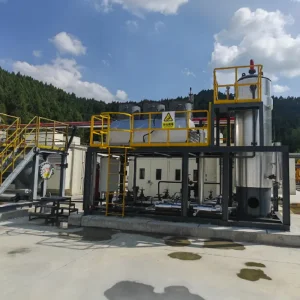
Rapid response, skid-mounted autoclave systems built on heavy-duty vehicle chassis.
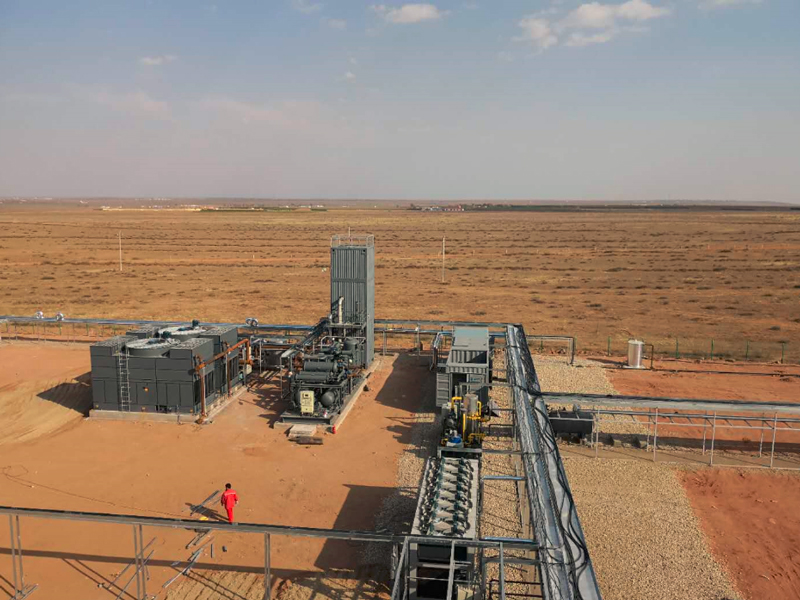
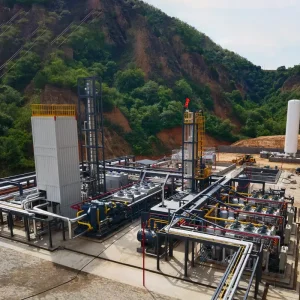
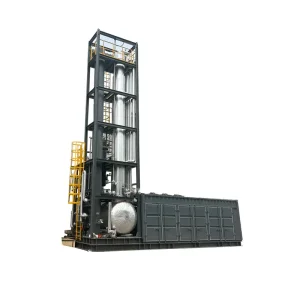
Complete modular process units delivering liquid natural gas directly from wellhead lines.
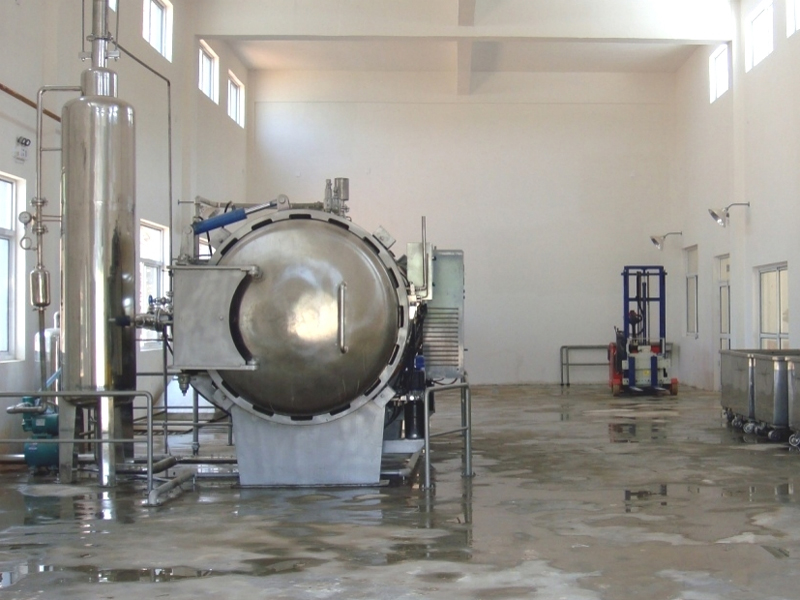
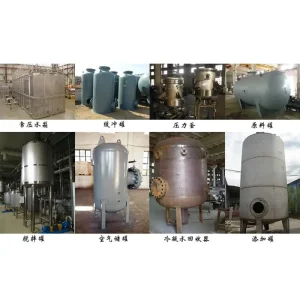
Large capacity industrial pressure systems built for regional biomedical waste sites.
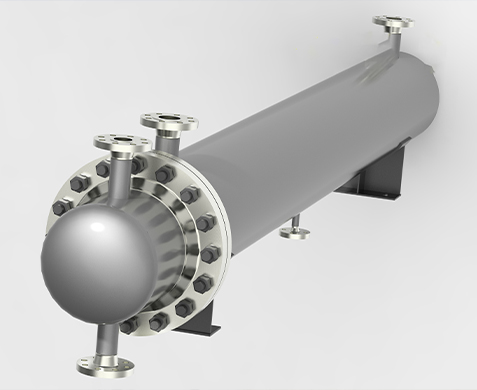
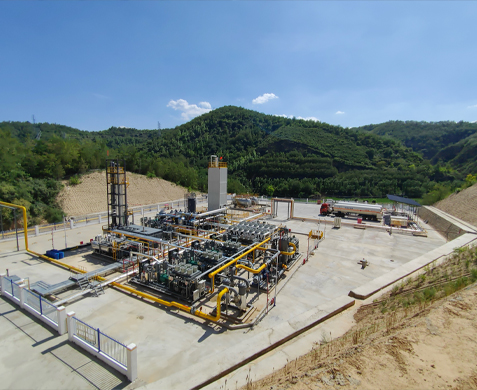
Driving engineering advancements in cryogenic refrigeration and emission-free industrial plants.
As helium resource security becomes a priority, extracting helium from Boil-Off Gas (BOG) in LNG terminals is a critical focus area. We are adapting our multi-stream helical exchangers to support the ultra-low temperatures required for helium extraction. In collaboration with CAS research labs, our current R&D targets high-performance cryogenic compressors and specialized multi-stage spiral cold boxes designed to recover high-purity helium.
Future process plants will require real-time adaptation to changing feed gas configurations. We are integrating micro-sensor arrays within our spiral tube bundles to collect temperature, pressure, and phase distribution data. By combining this data with machine-learning-based predictive maintenance systems, our skids can adjust refrigerant compression cycles automatically, reducing energy consumption by up to 15%.
Answers to key technical questions concerning design standards, pressure safety, and system integration.
Spiral wound heat exchangers (SWHE) offer several key advantages:
1. Higher Heat Transfer Coefficients: The helical path induces secondary Dean vortices, which disrupt boundary layers and improve convective heat transfer coefficients.
2. Compactness: SWHEs provide a significantly larger heat transfer surface area per unit volume compared to shell-and-tube designs.
3. Thermal Stress Tolerance: The spring-like geometry of helical tubes allows them to absorb thermal expansion and contraction cycles without generating high stress at the tube-to-tubesheet joints.
We hold a Chinese A2 level pressure vessel manufacturing license, which requires rigorous auditing of raw materials, weld quality, and structural calculations. Every vessel undergoes non-destructive testing (NDT), including radiographic, ultrasonic, magnetic particle, and liquid penetrant testing. We also perform hydrostatic pressure testing on our certified testing bench. Design calculations can be prepared according to GB150 or ASME Section VIII guidelines to align with international regulatory standards.
Yes, our gas treatment systems are tailored to the specific raw gas configuration. For sour gas feeds, we integrate pre-treatment modules that use amine scrubbing for deacidification and molecular sieve beds for dehydration and heavy hydrocarbon removal. This process prevents hydrate formation and freeze-outs in the downstream cryogenic liquefaction stages.
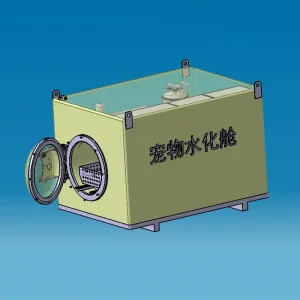
Further engineering systems including tail gas units, pet sterilization chambers, and VOC scrubbers.
Whether you require design calculations for a custom spiral-wound heat exchanger or a skid-mounted natural gas purification system, our engineering team can assist. We provide complete structural modeling, thermal calculations, and manufacturing support.
Please contact our office for details on system integrations, pricing, and compliance certifications.
 Hongke Qingneng