Explore our leading pressure vessels, skid-mounted gas treatment systems, and thermodynamic process installations.
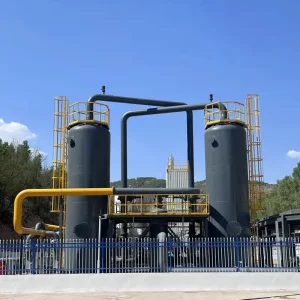
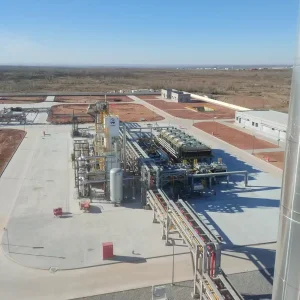
A professional whitepaper mapping structural safety, chemical processes, and fluid dynamics within high-pressure systems.
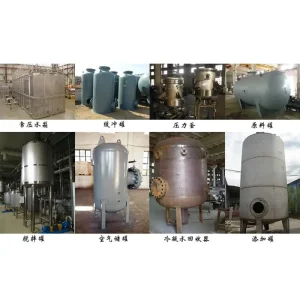
In modern process industries, welded air receivers and pressure vessels constitute the critical heartbeat of fluid automation, gaseous fuel conditioning, and environment preservation plants. From smoothing out pressure pulsations in massive reciprocating compressor arrays to supplying critical safety surge buffers for skid-mounted LNG liquefaction configurations, these storage units perform under extreme mechanical stresses. At a macro level, the global demand for custom-welded air receivers is expanding rapidly. This growth is driven by structural updates in green manufacturing, strict tail gas recovery mandates, and the optimization of downstream hydrocarbon processing systems.
Within large-scale processing installations, such as coalbed methane purification plants, shale gas operations, or volatile organic compound (VOC) recovery systems, welded air receivers provide the necessary capacitance. They act as pneumatic energy accumulators, mitigating load fluctuations and stabilizing system flow profiles. Their design integrity is directly connected to operational energy efficiency. A drop in pressure caused by substandard welding or structural deterioration translates directly into elevated compressor work profiles, resulting in higher operational carbon emissions. Consequently, selecting a verified manufacturer with advanced design capabilities, scientific metallurgy protocols, and comprehensive quality control frameworks is essential for global engineering procurement teams.
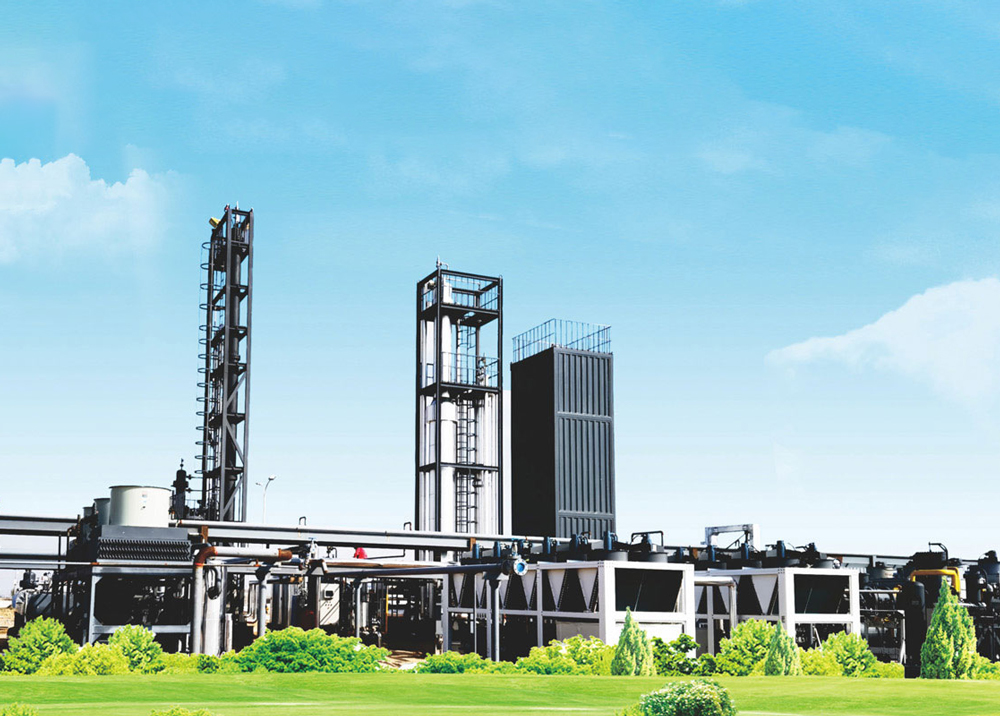
Established in June 2021 with a registered capital of 78 million yuan, our enterprise is located in the Sanhe Economic Development Zone, Langfang City. We focus on design, fabrication, and engineering integrations for the energy conservation and environmental protection sectors. Our core manufacturing capabilities include A2-level pressure vessels, high-temperature medical waste sterilization systems, biological wastewater treatment plants, industrial refrigeration setups, and customized hydrocarbon liquefaction skids.
Our engineering capabilities are supported by a collaborative network of experts from Tsinghua University and the Institute of Physics and Chemistry Technology, Chinese Academy of Sciences (CAS). Our key technical leaders include:
Advanced metallurgical processes and strict testing ensure reliability for critical pressure applications.
Using SAW (Submerged Arc Welding) and GTAW (Gas Tungsten Arc Welding) with automated line fixtures. This produces consistent weld profiles with low defect rates, preventing stress concentrations along longitudinal and circumferential seams.
Every welded air receiver undergoes a strict testing regimen. This includes radiography (RT), ultrasonic testing (UT), magnetic particle inspection (MT), and hydrostatic testing to confirm pressure ratings and structural soundness.
Our facility maintains the China A2 Pressure Vessel License and complies with GB150 guidelines. For global markets, we design and manufacture units according to ASME Section VIII Div 1 and European CE-PED specifications.
Our technical foundations in thermodynamics and cryogenics guide our fabrication choices. We analyze pressure drops, compute gas expansion behaviors, and study temperature fluctuations inside the vessel. This integration of design and manufacturing ensures that our welded air receivers prevent liquid drop-out, control gas turbulence, and deliver consistent flow performance.
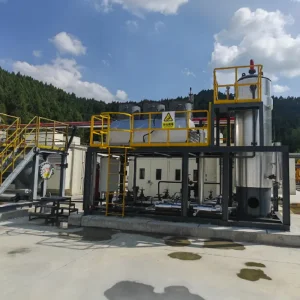
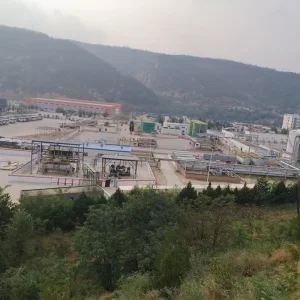
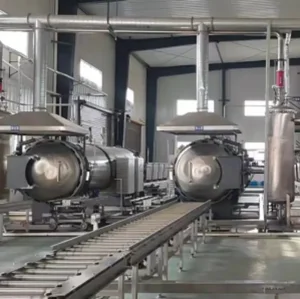
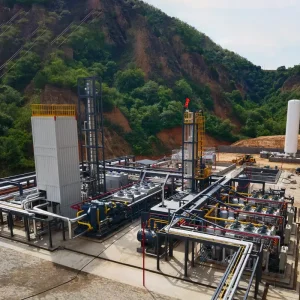
Showcasing field operations, skid assemblies, and advanced environmental installations across varied industries.
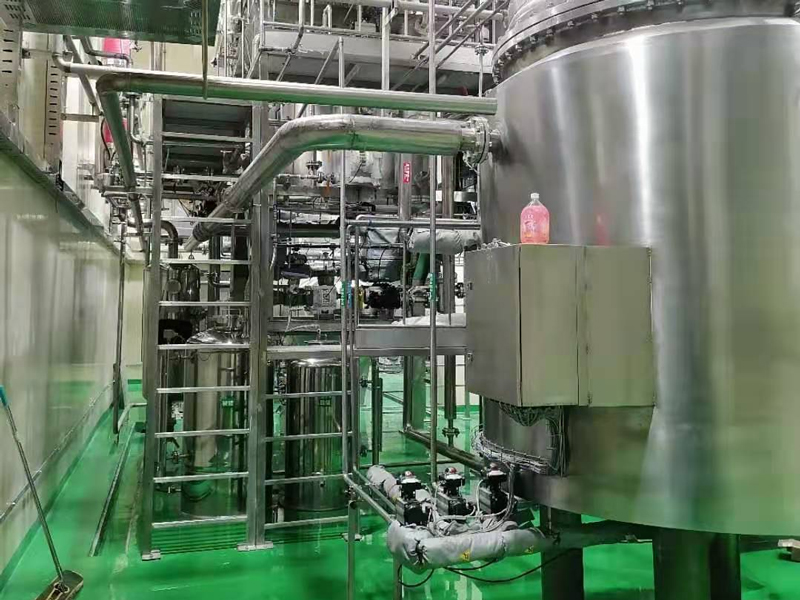
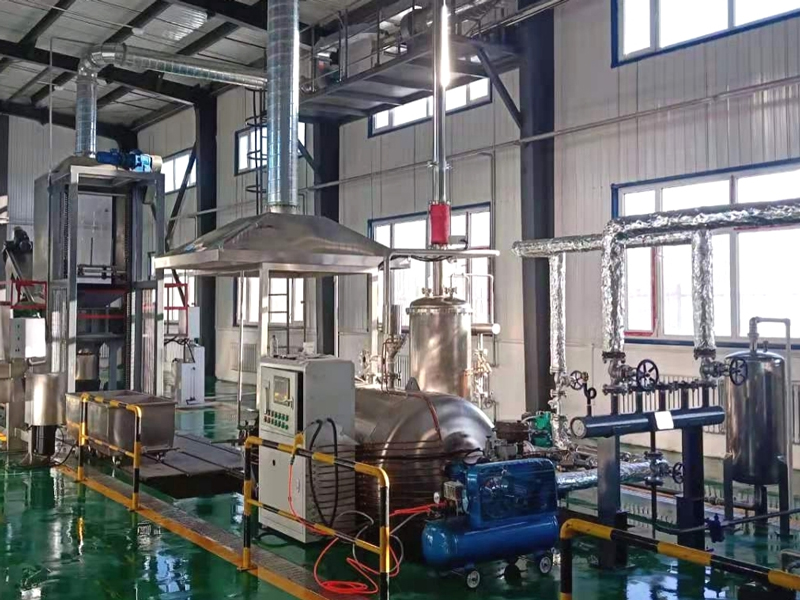
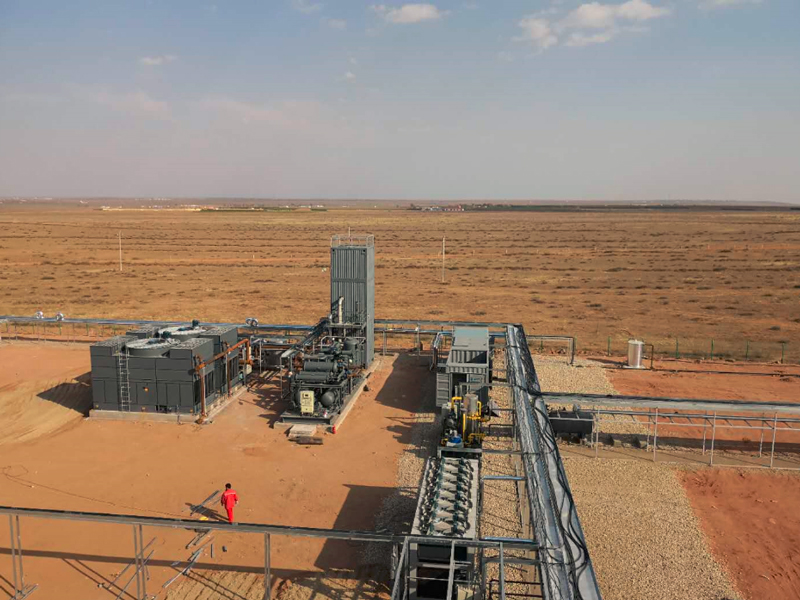
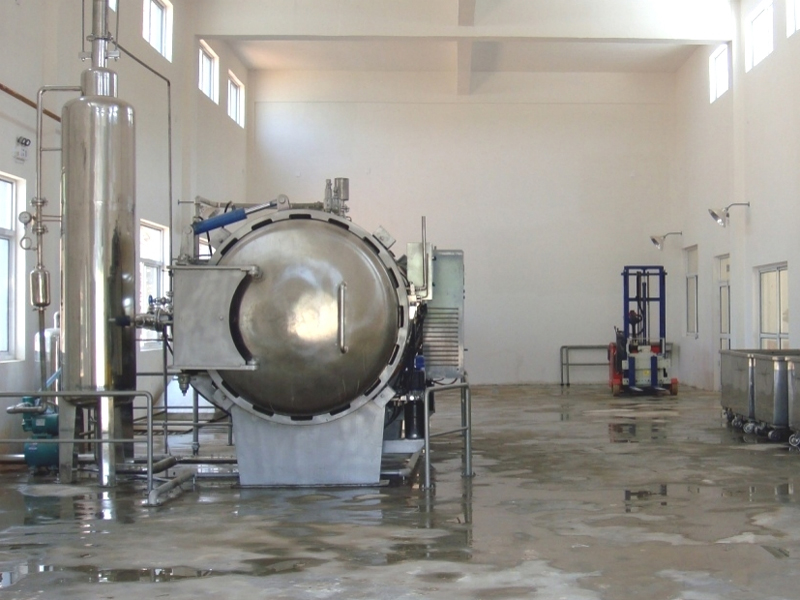
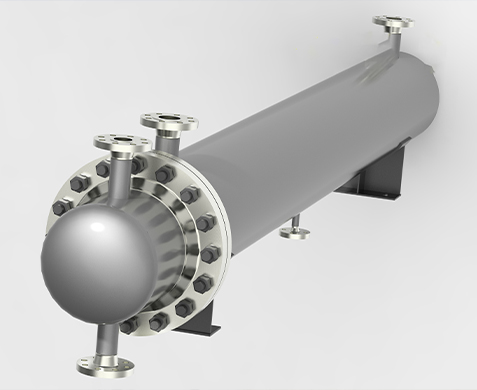
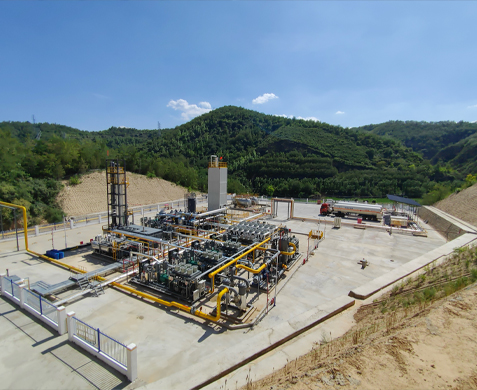
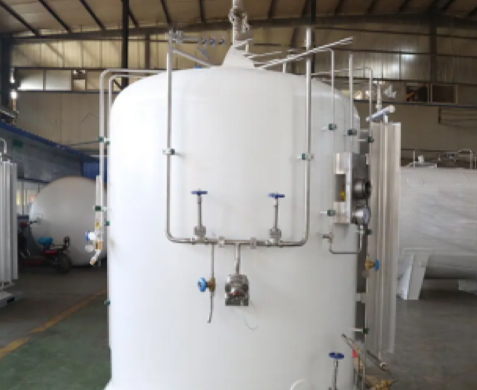
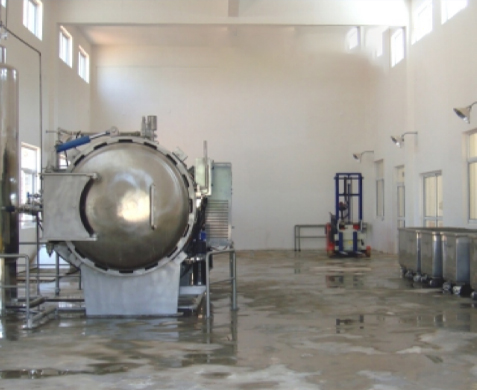
Providing industrial pressure equipment and clean-tech systems to support global operations.




As global energy systems transition to higher efficiencies and integrate hydrogen-blend technologies, the specifications for welded air receivers are evolving. Our research and development focus is directed toward addressing these long-term industry requirements:
To reduce overall skid weight without compromising pressure resistance, we are expanding our use of high-tensile micro-alloyed steels, duplex stainless steels (such as 2205), and internal polymer cladding. These materials are selected to prevent hydrogen embrittlement and resist sour gas corrosion in critical applications.
We are incorporating high-temperature strain gauges, acoustic emission sensors, and wireless telemetry cards directly into our receiver design. This enables real-time structural health monitoring, pressure cycle fatigue analysis, and predictive maintenance schedules for offshore and remote locations.
Technical details, compliance standards, and selection criteria for industrial air receivers.
Our vessels are designed and built according to China's GB150 standard (Pressure Vessels) under our A2 manufacturing license. To support our international customers, we can also fabricate vessels in compliance with ASME Section VIII Division 1 and the European Union’s Pressure Equipment Directive (PED 2014/68/EU), complete with CE marking and third-party inspection documentation.
In liquefaction plants, compression cycles run at high load levels. The air receiver stores compressed gases, cushioning peak flow demands and dampening velocity spikes. This buffering effect helps prevent compressor cycling, stabilizes downstream temperature profiles, and reduces overall electricity consumption by preventing unnecessary pressure drops.
We use a multi-step NDT workflow. Longitudinal and circumferential joints are examined using digital radiographic testing (RT) or phased-array ultrasonic testing (UT). We also perform dye penetrant (PT) and magnetic particle testing (MT) on nozzle connection welds. Finally, every completed vessel undergoes a hydrostatic test at 1.3 to 1.5 times its design pressure to verify structural integrity.
Yes. Utilizing the cryogenics expertise of our engineering team (backed by research from the Chinese Academy of Sciences), we design and fabricate vessels from specialized austenitic stainless steels (such as 304L and 316L) that retain impact toughness at temperatures down to -196°C. These are commonly used in LNG BOG recovery, nitrogen storage, and deep industrial cooling applications.
We offer multiple surface finishes based on the installation environment. For standard industrial use, we perform grit blasting to Sa 2.5 followed by an epoxy zinc-rich primer and polyurethane topcoat. For maritime, coastal, or chemical environments, we provide hot-dip galvanizing, organic polymer linings, or pickling and passivation for stainless steel vessels.
Additional engineering products, recovery systems, and tailored pressure vessels.
 Hongke Qingneng