Explore our leading skid-mounted environmental protection technologies designed and developed in collaboration with top academic research institutions.
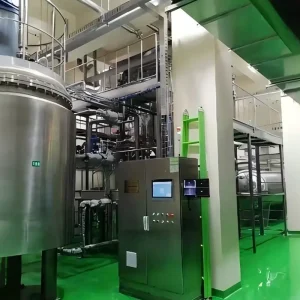
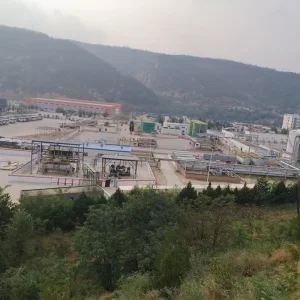
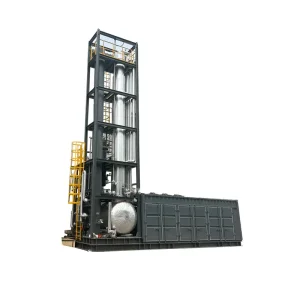
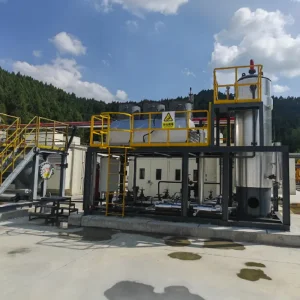
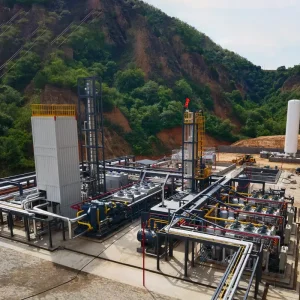
Hebei Hongke Qingneng Environmental Protection Equipment Co., Ltd. (established June 2021, registered capital: 78 million yuan) is a leading national high-tech enterprise focusing on high-grade pressure vessels and ecological protection systems.
We leverage core talents from Tsinghua University and the Institute of Physics and Chemistry Technology, Chinese Academy of Sciences (CAS). Our focus rests on environmental sterilization technology, cryogenics, and skid-mounted natural gas processing units, securing multiple independent intellectual property patents.
The company holds an A2-level Pressure Vessel Manufacturing License, Pressure Pipeline Component Manufacturing License, GB/T19001-2016 Quality System Certification, and Sinopec HSSE / China Petroleum Health, Safety and Environment Management System certifications.
Our complete sets of recovery systems mitigate volatile organic compounds, reduce carbon footprints, and help control air pollution. We provide turnkey ecological systems aligning with global net-zero emissions targets.
Doctorate from the Institute of Physics and Chemistry Technology, Chinese Academy of Sciences (CAS). Dr. Sun has presided over the National 863 Program, natural science foundation projects, aerospace/military initiatives, and CAS Knowledge Innovation projects. He was awarded the 2013 First Prize of Science and Technology of China Coal Industry, the 2015 Special Prize of Technological Invention of Chinese Society of Refrigeration, and the 2016 First Prize of Beijing Science and Technology Award.
Ph.D. candidate at the Institute of Physics and Chemistry Technology (CAS). Zou Xin has managed market business and corporate strategy for years. He has led projects under the "12th Five-Year Plan" National Science and Technology Special Projects and has published 24 domestic and foreign academic papers (including 11 SCI/EI indexed papers), securing 5 national invention patents and 1 software copyright.
Dr. Cheng is a specialist in mixed working medium phase change heat transfer and flow characteristics. He directed the technology development of our Skid-mounted Natural Gas Liquefaction Units, winning the 2015 Special Prize of Science and Technology Award of the Chinese Refrigeration Society and the 2016 First Prize of Science and Technology Award of Beijing.
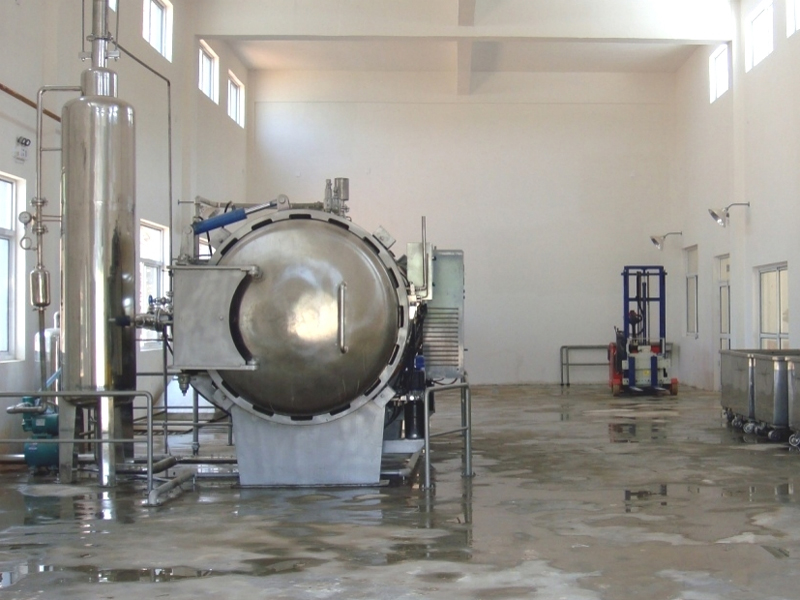
The disposal of hazardous medical waste, clinical pathogen-laden media, and laboratory animal carcasses requires absolute bio-safety guarantees. Modern global bio-safety centers are shifting away from traditional incineration—which generates massive carbon emissions, furans, and toxic ash—towards clean high-temperature sterilization. Our core technology integrates mechanical shredding with high-temperature autoclave steam processing and high-temperature hydrolysis.
By pre-shredding or simultaneously shredding hazardous waste inside a hermetically sealed chamber, steam penetration is maximized. The mechanical breakdown of materials increases the surface area exposed to high-pressure, saturated steam, ensuring complete thermal denaturation of viral, bacterial, and prion proteins. Our pressure vessels are designed to exceed national and international standards, operating under strict temperature-pressure curves (e.g., 134°C - 138°C at 3-4 bar pressures) to guarantee a log-6 (99.9999%) reduction in microbial populations.
Global environmental mandates, particularly under the Basel Convention and the WHO Guidelines for Safe Management of Wastes from Health-Care Activities, require reliable solutions. Our systems are engineered to address waste streams at three macro levels:
The global demand for high-temperature autoclave shredder units and custom pressure vessels is growing rapidly. Market reports indicate that the environmental safety equipment industry is migrating toward "skid-mounted, multi-stage systems." Industrial facilities want plug-and-play solutions to reduce local engineering footprints and expedite commissioning. As an A2-level pressure vessel manufacturing license holder, our Langfang-based factory meets rigorous global standards, supplying equipment configured to match local pressure vessel codes (such as ASME Sec VIII Div 1, PED, or GB150).
| Technology System | Key Process Parameters | Efficacy (Pathogen Destr.) | Environmental Footprint | Optimal Application Scenarios |
|---|---|---|---|---|
| High-Temperature Steam Autoclave + Shredder | 134°C–138°C, Saturated Steam, Internal Shredding | Log-6 Kill Rate (99.9999%) | Zero direct emissions, VOC scrubbing required | Centralized & Mobile Medical Waste Facilities |
| High-Temperature Hydrolysis (Thermal) | 160°C–180°C, Pressurized Liquid Phase | Complete destruction (incl. Prions) | Aqueous discharge, biodegradable waste | Laboratory Animal Carcasses, Bio-Research Facilities |
| Alkaline Hydrolysis (Chemical) | 150°C, NaOH/KOH chemical digestion | Complete destruction of all bio-elements | Low emission, regulated pH liquid output | Pathology labs, high-containment vivariums |
| Traditional Incineration | 850°C–1100°C combustion chambers | Sterile, but leaves bottom ash | High carbon footprint, dioxins, acid gas | Hazardous chemical waste (non-recyclable) |
A unique capability of Hebei Hongke Qingneng is our cross-disciplinary expertise. The process energy required to operate large steam autoclaves and animal carcass treatment systems is closely tied to gas recovery and combustion systems. By designing and manufacturing Skid-Mounted Natural Gas Purification and Liquefaction Units alongside VOC Exhaust Treatment Equipment, we provide a unified energy-environment ecosystem.
For example, industrial waste gas and sterilization exhausts contain trace organic compounds (VOCs). Our multi-stage VOC purification systems utilize deacidification, dehydration, and heavy hydrocarbon removal technologies derived from our natural gas processing systems. This ensures that the gas discharged from autoclave vacuum cycles is cleaned before entering the atmosphere.
Our technologies are proven across several operational scenarios:
Hebei Hongke Qingneng is committed to integrating smart technologies into our pressure systems. Our development roadmap focuses on:
Our solutions have been implemented across major national and international projects, providing clean technology under demanding conditions.
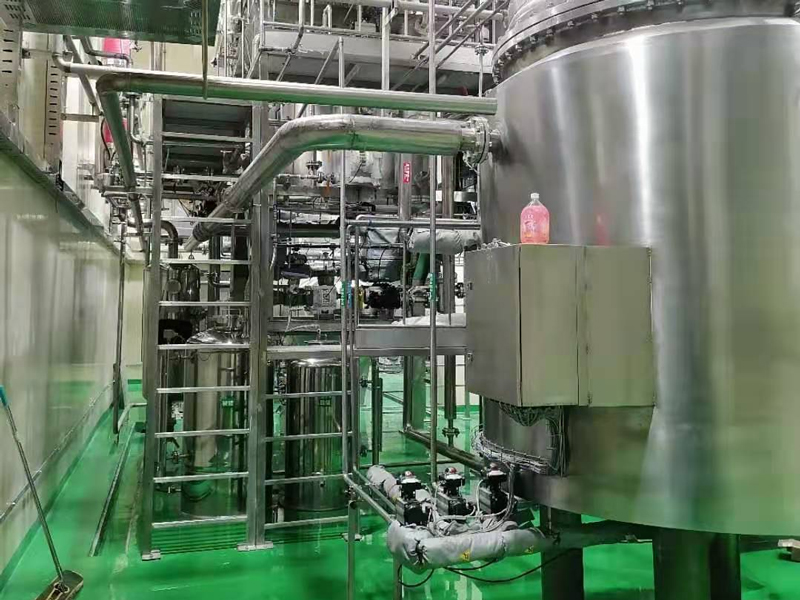
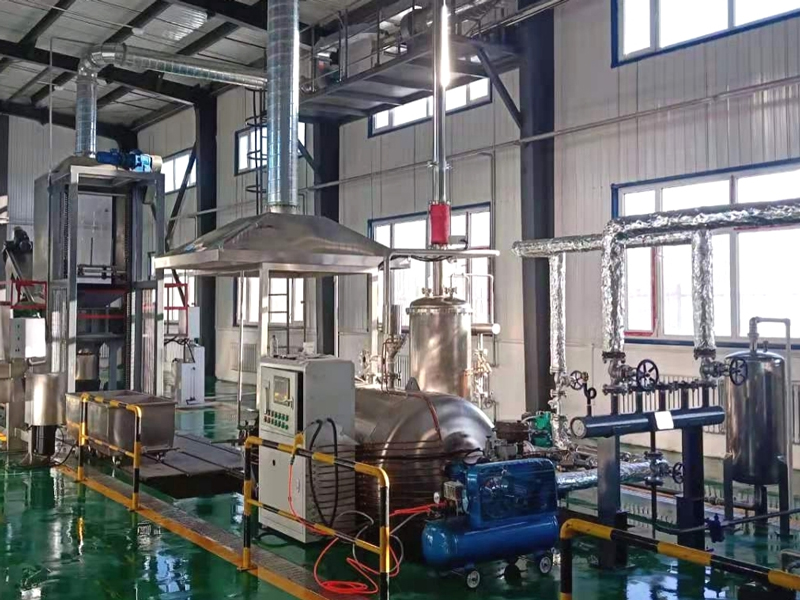
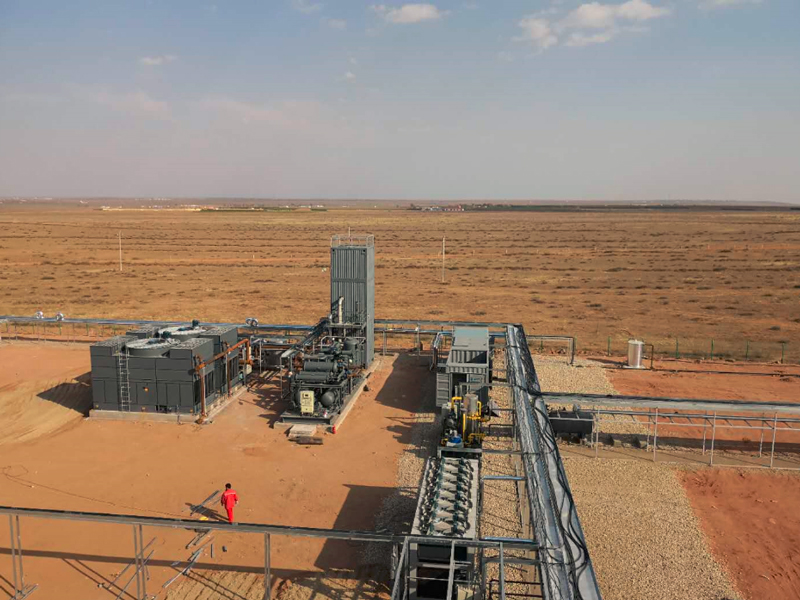
Providing direct answers to essential design and operational parameters for engineering procurement managers.
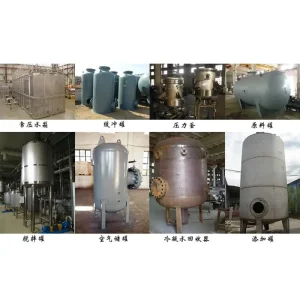
Discover our range of custom heat exchangers, purification plants, and non-standard pressure vessels manufactured to strict industrial standards.
 Hongke Qingneng