Explore our industrial-grade, precision-engineered solutions designed for energy recovery, sour gas sweetening, and emission control.
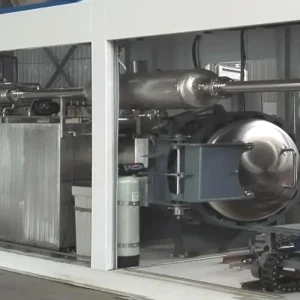
The global transition toward cleaner energy sources has significantly accelerated the demand for high-efficiency gas purification technologies. In the natural gas processing sector, raw feed gas typically contains high levels of sour gas constituents, such as hydrogen sulfide (H₂S) and carbon dioxide (CO₂). Effective removal of these compounds—commonly known as deacidification or gas sweetening—is essential to prevent downstream corrosion, meet pipeline specifications, and reduce emissions.
Modern industrial trends show a clear shift toward skid-mounted, modular deacidification systems. These setups minimize onsite construction risk, offer exceptional spatial flexibility, and support fast deployment. Technologies have evolved from traditional, thermal-intensive amine washes to advanced hybrid configurations, including membrane separation, molecular sieve systems, and vacuum pressure swing adsorption (VPSA). The Integration of carbon capture, utilization, and storage (CCUS) frameworks is pushing manufacturers to refine deacidification performance to meet strict zero-emission standards.
Large-scale energy developers, environmental engineering firms, and industrial operators require deacidification units that offer long-term operational stability and low operational costs (OPEX). Key purchasing requirements include:
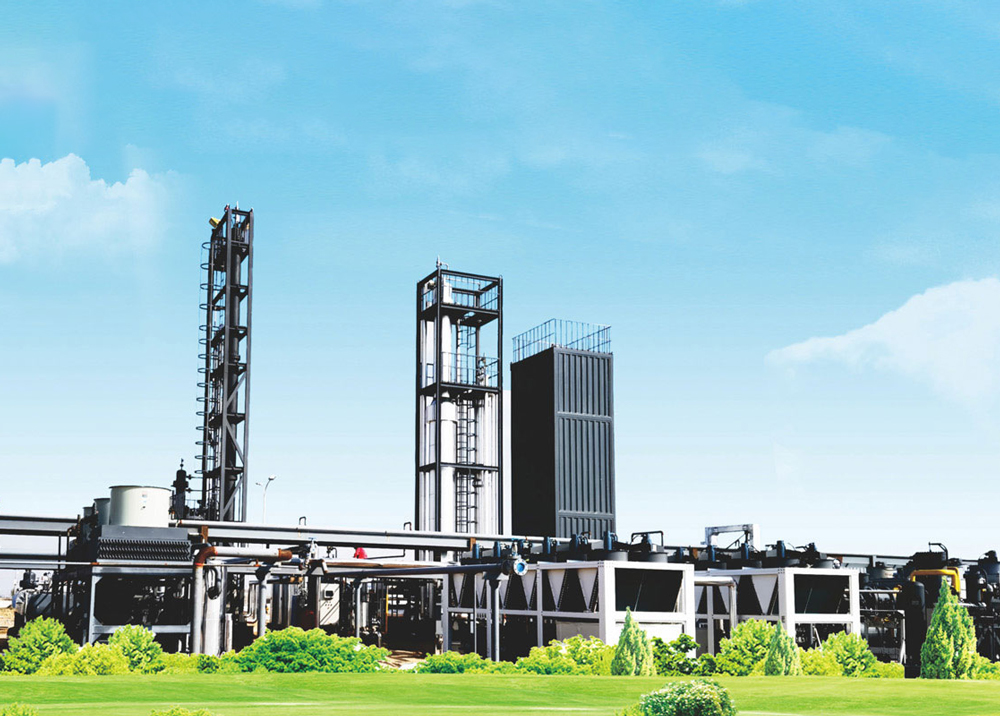
Manufacturing high-capacity gas purification and pressure vessels requires precise engineering and structured supply chains. Based in the Sanhe Economic Development Zone in Langfang City, Hebei Hongke Qingneng Environmental Protection Equipment Co., Ltd. (registered capital of 78 million yuan) operates a advanced Factory 4.0 production base.
Our facility bridges the gap between deep academic research and high-volume industrial production. By combining resources with top-tier research institutes, including Tsinghua University and the Institute of Physics and Chemistry Technology, Chinese Academy of Sciences (CAS), we integrate academic insights directly into our production processes. Our team holds an A2-level pressure vessel manufacturing license, a pressure pipeline component manufacturing license, GB/T19001-2016 quality system certifications, and Sinopec HSSE / China Petroleum HSE qualifications. These credentials ensure that every system we build meets rigorous global compliance standards.
Our competitive advantage is built on our engineering leadership and academic partnerships. Our core R&D team includes:
Founder & Chairman: Holder of a doctoral degree from CAS and a national senior engineer title. Dr. Sun has led several major national projects, including the National 863 Program and National Natural Science Foundation initiatives. He has received the Beijing Science and Technology Award and the Special Prize of Technological Invention from the Chinese Society of Refrigeration.
General Manager: Senior engineer at the Institute of Physics and Chemistry Technology, CAS. Dr. Zou has published over 24 academic papers (including 11 SCI/EI indexed) and holds 5 national invention patents. He oversees our market strategies and commercialization initiatives.
Chief Engineer: Doctor of Engineering from CAS. Dr. Cheng's research focuses on skid-mounted natural gas liquefaction and gas purification systems. His work on the phase change heat transfer and flow dynamics of mixed working mediums has won multiple industrial innovation awards.
Our systems are engineered for diverse industrial applications, ensuring that environmental compliance aligns with resource recovery goals.
Raw gas from coalbed methane wells, shale formations, or standard reservoirs contains acid components that must be removed before liquefaction. CO₂ must be reduced below 50 ppm to prevent freezing in cryogenic heat exchangers. Our skid-mounted purification units combine deacidification, dehydration, and heavy hydrocarbon removal to protect cryogenic components and optimize performance.
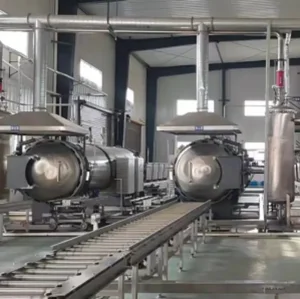
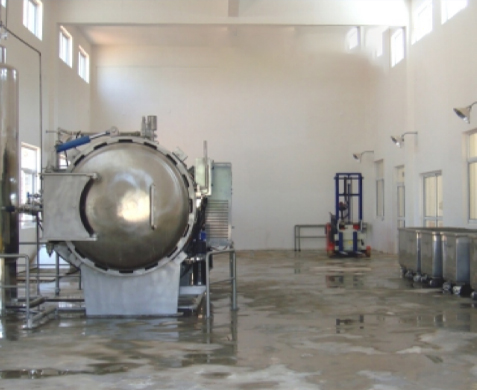
We manufacture centralized and mobile medical waste high-temperature steam treatment systems. These units sterilize pathologically hazardous waste using deep-vacuum cycles and thermal saturation. The automated, skid-mounted design provides reliable sanitation for hospitals, centralized municipal plants, and mobile response teams.
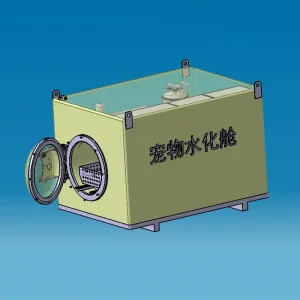
Our high-temperature hydrolysis equipment is designed for laboratory animal carcasses and agricultural waste processing. By using thermal-chemical breakdown, these systems safely neutralize pathogens, reduce waste volume, and support eco-friendly disposal.
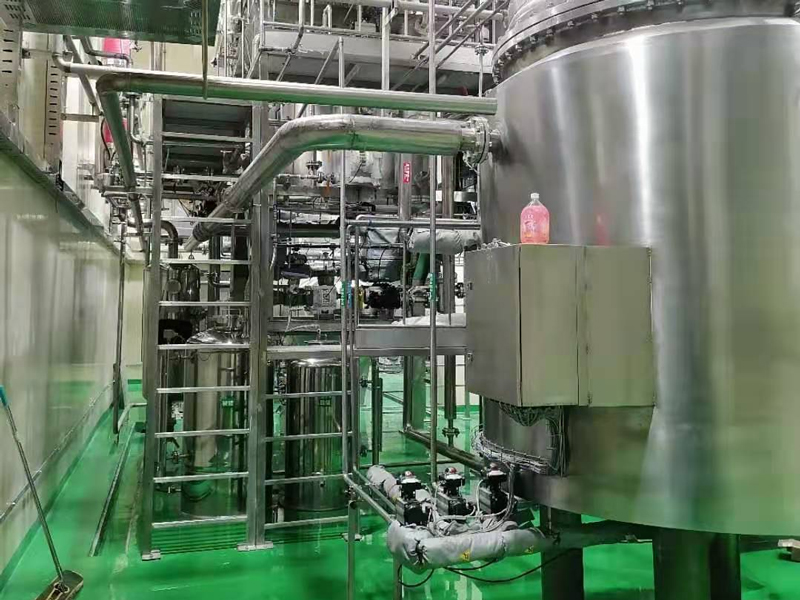
High-pressure, automated bio-safety containment skids built for domestic medical labs.
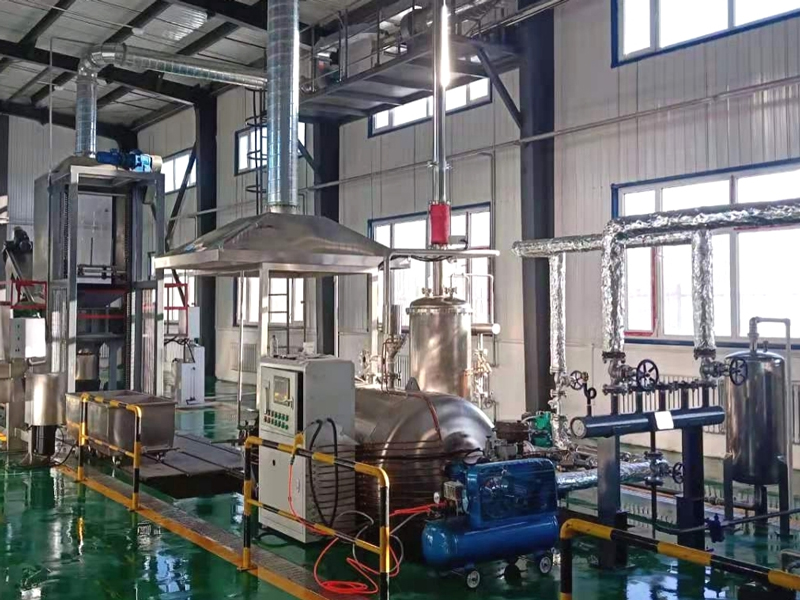
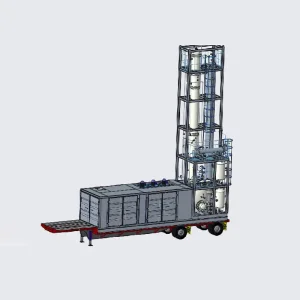
Rapidly deployable sterilization trailers designed for emergency containment and remote areas.
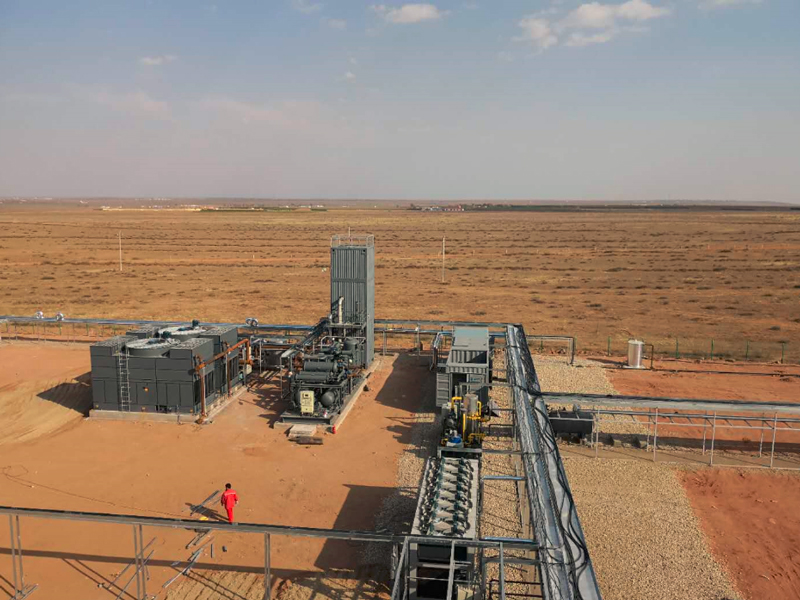
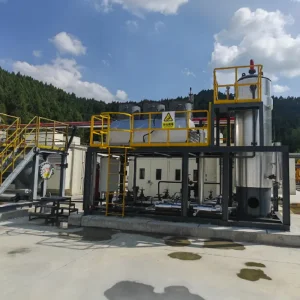
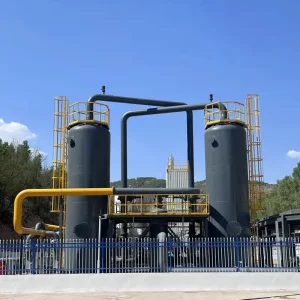
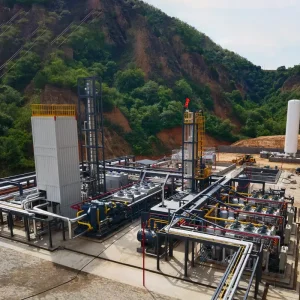
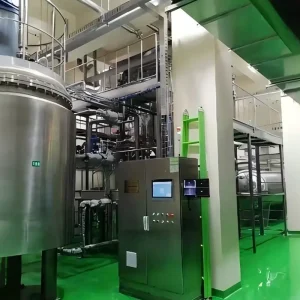
Integrated skid-mounted deacidification and cryogenic BOG recovery system.
Connect directly with our engineering team to receive customized proposals, process simulation models, and equipment datasheets.
Factory Location: Sanhe Economic Development Zone, Langfang City, Hebei Province, China.
Core Solutions: Non-standard pressure vessels, amine gas sweetening skids, high-temperature medical waste sterilizers, and cryogenic VOC recovery devices.
Direct view of our advanced manufacturing workshops, testing benches, and field installation operations.
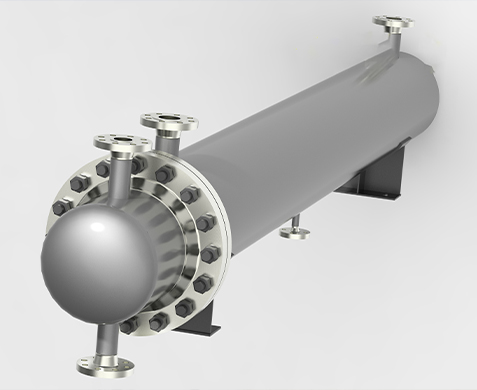
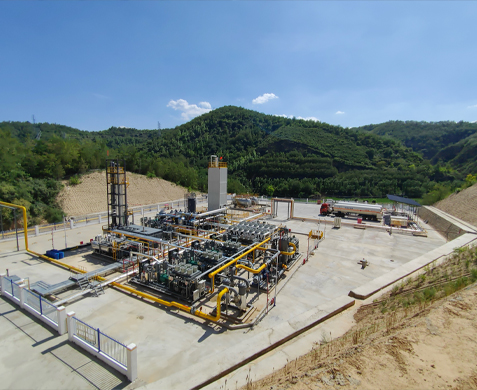
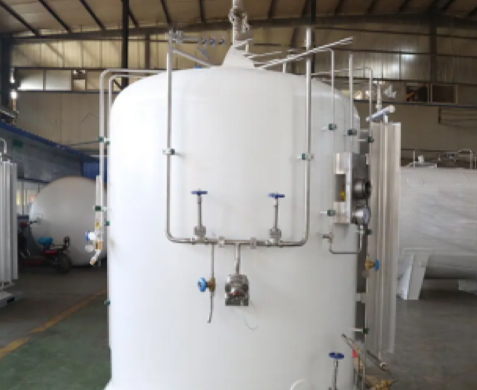
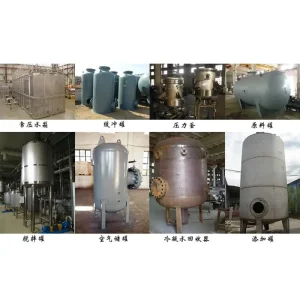
Explore our complete catalog, from heavy chemical vessels to animal carcass tissue processors and purification systems.
 Hongke Qingneng