Explore our foundational thermodynamic and environment-friendly solutions. Integrated skid designs optimized for maximum performance under extreme industrial conditions.
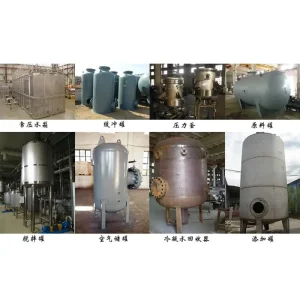
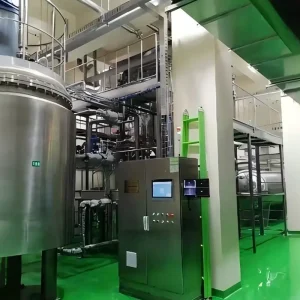
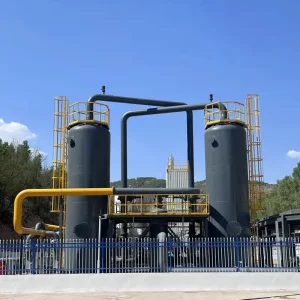
In modern energy management, flash steam recovery represents one of the most critical avenues for recovering wasted thermal energy. A Flash Steam Vessel (also known as a flash vessel or flash drum) is designed to optimize this very thermodynamic process. When high-pressure, high-temperature condensate is discharged into a lower-pressure environment, a percentage of that liquid immediately flashes into dry steam. Without dedicated pressure vessels designed with sophisticated internal droplet separation baffles, this high-energy steam is lost to the atmosphere, dragging down thermal efficiency and increasing boiler fuel consumption.
Global industrial facilities are increasingly forced to cut operational emissions. In chemical manufacturing, petrochemical refining, municipal district heating, and heavy manufacturing, flash steam vessels serve to optimize thermodynamic balance. By installing high-precision separators, steam quality parameters are maintained, shielding turbines and heat exchangers from water hammer and scale deposit risks.
SEO Insight & Technical Edge: A truly efficient flash steam configuration demands careful calculation of the flashing percentage, based on the enthalpy differences between incoming condensate and the target flash pressure. This is precisely why generic non-standard pressure vessels often fall short; custom-engineered thermodynamics are vital for maximizing Latent Heat Recovery.
Hebei Hongke Qingneng Environmental Protection Equipment Co., Ltd. - Leading the Transition in Industrial Decarbonization
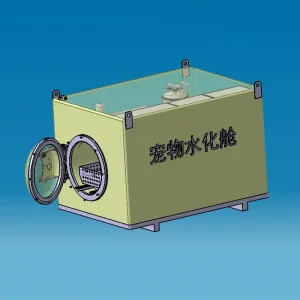
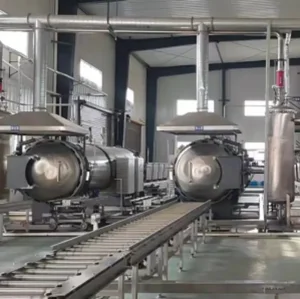
Established in June 2021, Hebei Hongke Qingneng Environmental Protection Equipment Co., Ltd. (registered capital: 78 million yuan) is positioned inside the industrial base of Sanhe Economic Development Zone, Langfang City. We focus on the R&D and manufacturing of energy conservation and environmental protection systems. Our primary engineering catalog spans high-quality pressure vessels, medical waste high-temperature steam treatment equipment, animal tissue (residue) treatment equipment, biological wastewater (live toxic wastewater) treatment equipment, skid-mounted equipment, coalbed methane/shale gas/natural gas purification & liquefaction units, VOC treatment, chemical tail gas treatment, industrial refrigeration, and BOG tail gas helium extraction.
By leveraging a strong manufacturing platform and integrating advanced thermodynamics, our company is committed to supplying global markets with elite flash vessels, heat exchangers, and associated separation equipment. Every skid-mounted system is designed to minimize local installation footprints and expedite commissioning phases.
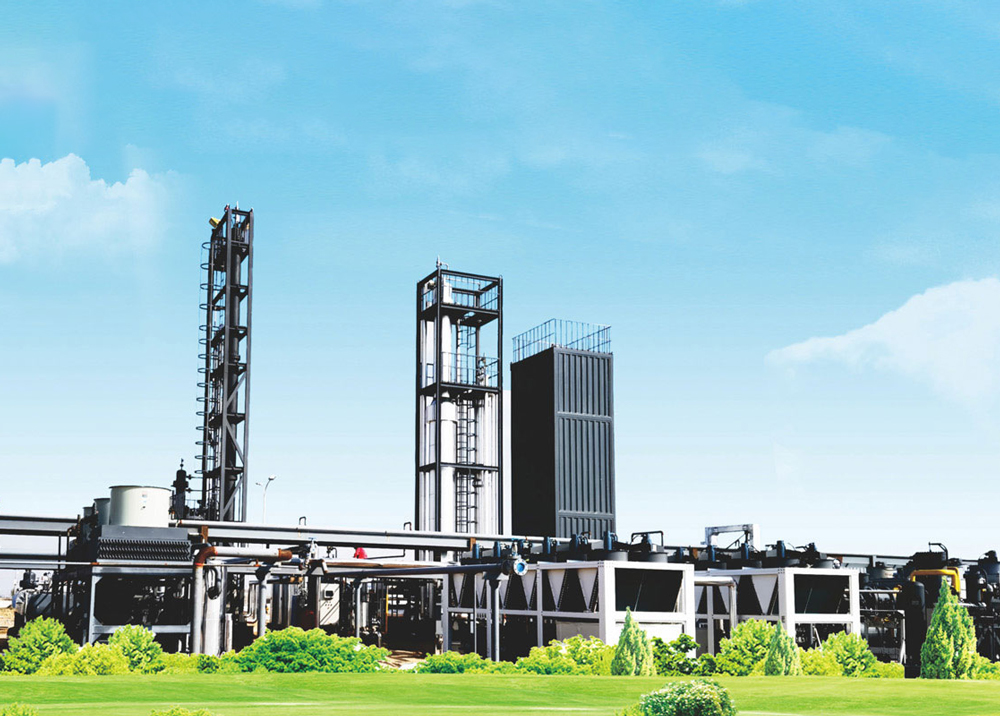
Our team includes engineers from Tsinghua University and the Institute of Physics and Chemistry Technology, Chinese Academy of Sciences (CAS). We hold proprietary patents in skid-mounted liquefaction and industrial gas recovery.
Licensed with A2 level pressure vessel manufacturing, pressure pipeline component manufacturing, GB/T19001-2016 quality systems, Sinopec HSSE, and China Petroleum Health & Safety certificates.
We are dedicated to gas recovery and resource protection across industrial landscapes, driving air pollution reduction, carbon mitigation, and eco-friendly manufacturing.
Our technical capabilities are guided by senior researchers and thermal engineers from the Chinese Academy of Sciences
Founder & Chairman (PhD, CAS)
Obtained his doctorate from the Institute of Physics and Chemistry Technology, Chinese Academy of Sciences. A national senior engineer who has led major national science initiatives, including the 863 Program, natural science foundation projects, and aerospace components development. Awarded the Special Prize of Technological Invention by the Chinese Society of Refrigeration (2015) and holds over 20 independent intellectual property patents applied directly in regional LNG and vessel installations.
General Manager (PhD Candidate, CAS)
Senior engineer at the Institute of Physics and Chemistry Technology, CAS. He has managed business operations and R&D lines for over a decade. Presided over multiple national scientific projects, co-authored 24 peer-reviewed academic papers (11 indexed in SCI/EI), and developed 5 national invention patents. Recipient of the 2016 Beijing Science and Technology Award First Prize.
Chief Engineer (PhD, CAS)
Doctor of Engineering from the Institute of Physics and Chemistry Technology, CAS. His primary research covers phase change heat transfer characteristics and flow properties of multi-component mixed working mediums. He has designed and built numerous skid-mounted liquefaction facilities and advanced separation vessels, combining theoretical thermodynamics with robust pressure vessel layouts.
International buyers, Engineering Procurement Construction (EPC) contractors, and utility companies demand strict compliance when sourcing flash steam vessels. Procurement requirements typically focus on four key criteria:
1. Regulatory and Code Compliance: Any vessel operating under pressure must adhere to strict international standards such as ASME Section VIII Division 1, PED 2014/68/EU, or China's national GB150 code. Possessing an A2 level pressure vessel manufacturing license confirms a factory's capability to process, weld, and inspect high-thickness carbon and stainless steel structures.
2. Material Integrity and Weld Performance: High-temperature flash operations expose vessels to thermal shock and localized corrosion. Factories must use verified materials (e.g., SA516 Gr.70 for shell bodies, SS304/SS316 for internal flash plates) combined with 100% Non-Destructive Testing (NDT), including radiographic and ultrasonic examinations.
3. Skid Integration & Turnkey Shipping: Modern project timelines require modular solutions. Sourcing pre-packaged piping, skid structures, bypass manifolds, level instruments, and pressure relief valves pre-certified at the manufacturing plant minimizes site construction delays.
Certified weld procedures and materials to meet global high-pressure vessel regulations.
Recognized environmental, health, and safety management frameworks for challenging installations.
Finite element analysis (FEA) applied to simulate temperature variations and reduce thermal fatigue.
Internal moisture separators customized to match specific condensate flow velocities.
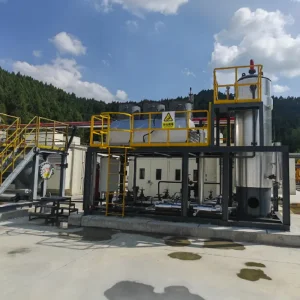
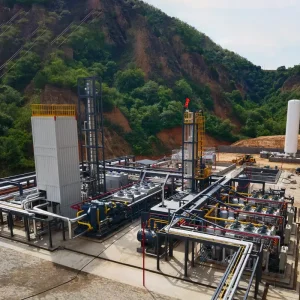
Real-world deployments across medical, natural gas, biological waste, and petrochemical sectors
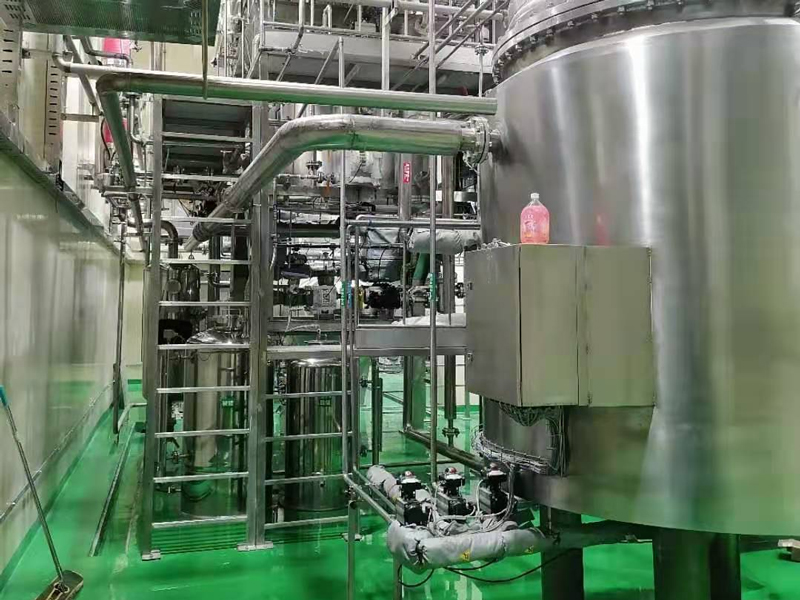
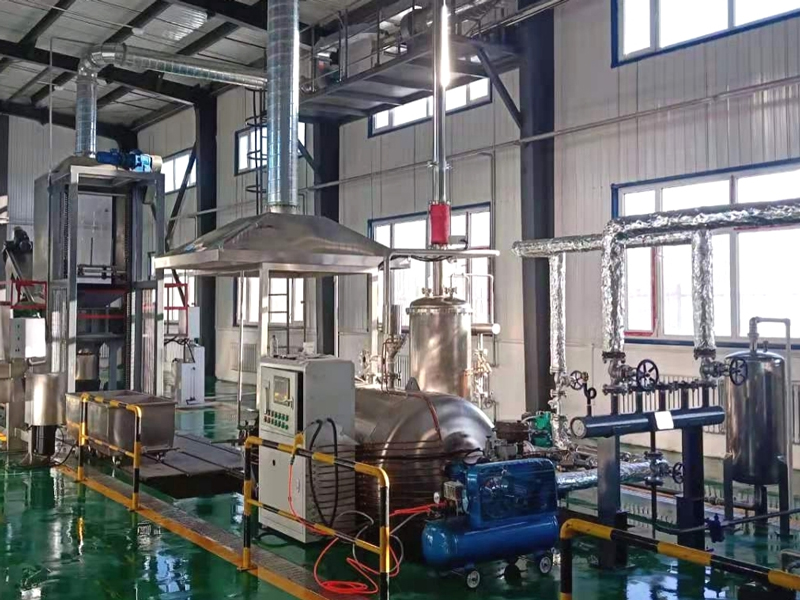
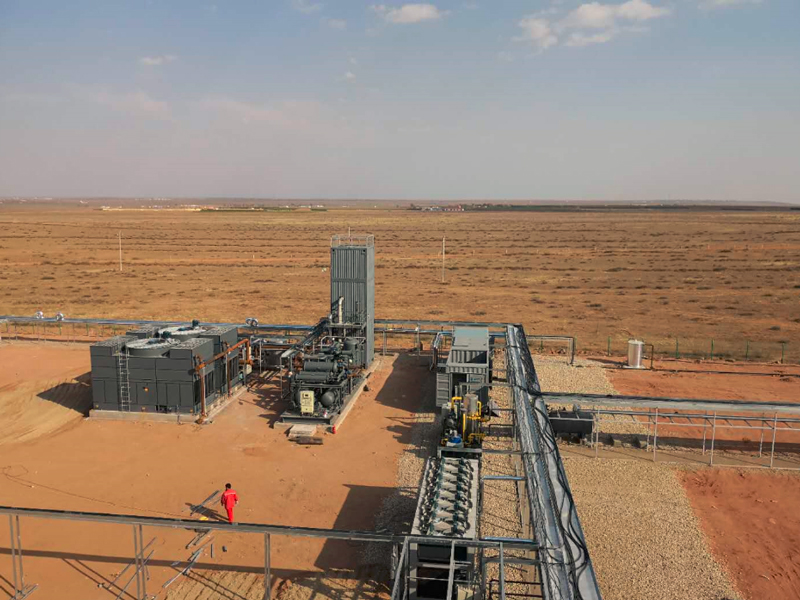
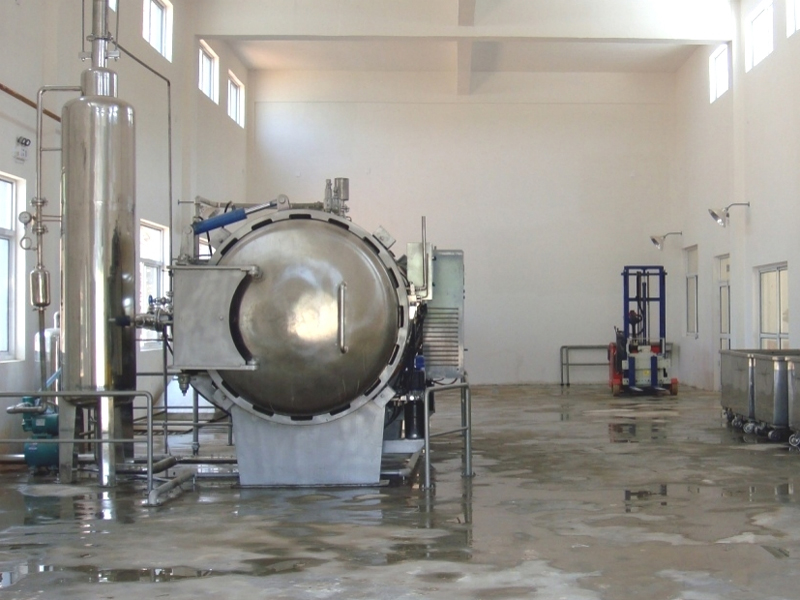
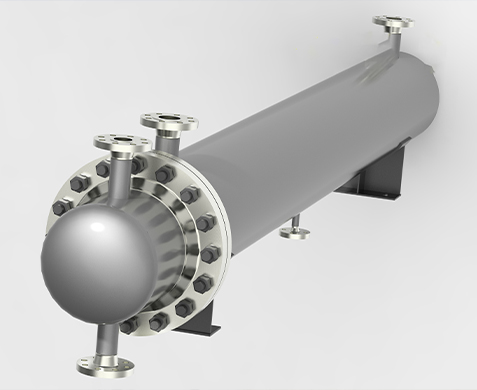
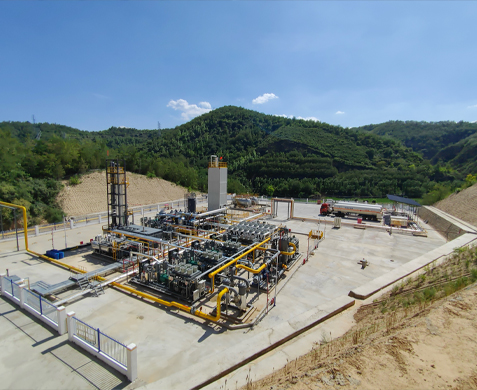
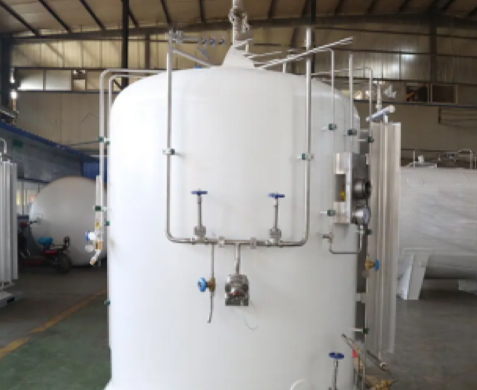
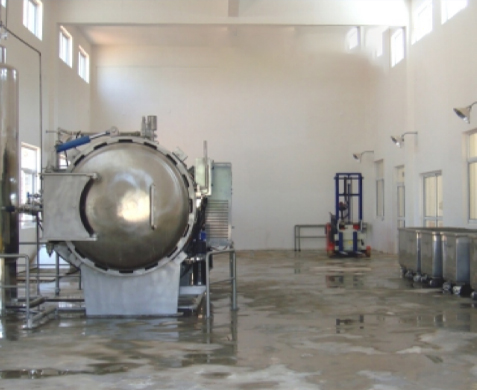
Shipping industrial equipment internationally requires deep knowledge of local codes and field conditions. At Hebei Hongke Qingneng, we coordinate directly with clients’ engineering teams during the FEED (Front-End Engineering Design) phase. Our custom non-standard pressure vessels and high-temperature steam systems are optimized for local conditions, factoring in seismic criteria, wind loads, and thermal variance.
We provide comprehensive quality documentation, including welding procedure specifications (WPS), non-destructive testing reports, hydrostatic test logs, and raw material mill certificates. This ensures quick customs clearance and smooth approvals from local safety regulators.
The next generation of flash steam vessels will be highly integrated. Instead of operating as isolated mechanical separation components, flash vessels are evolving into digital energy hubs. By integrating smart flow controllers and variable pressure regulators, modern flash systems automatically adjust to upstream production spikes.
We are continuously refining internal baffle designs to separate water droplets with lower pressure losses, targeting over 99.8% dryness fractions in recovered steam. This provides higher quality steam back into plant loops, reducing the workload of steam boilers and driving lower energy bills and carbon emissions.
Addressing the key engineering and procurement considerations for custom pressure vessels
Partner with Hebei Hongke Qingneng to customize your pressure vessels and recovery skids. Get in touch with our engineering team for technical evaluations.
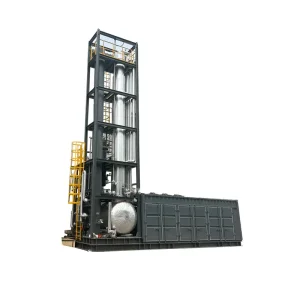
Contact Our EngineersA further selection of our high-temperature, environmental, and skid-mounted systems engineered to optimize plant performance.
 Hongke Qingneng