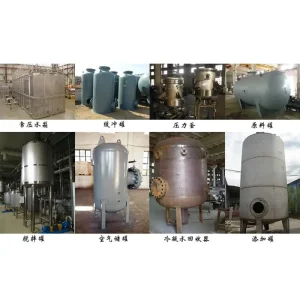
Explore our engineering excellence through state-of-the-art gas treatment plants, cryogenic processing skids, and standard-compliant storage systems.
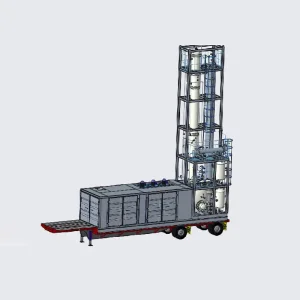
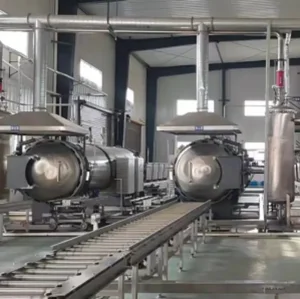
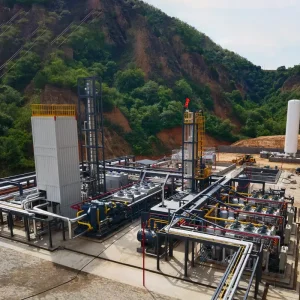
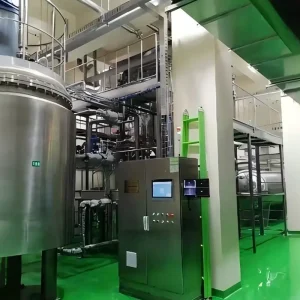
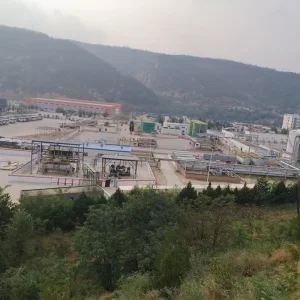
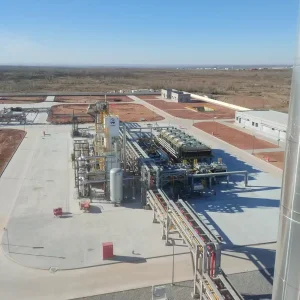
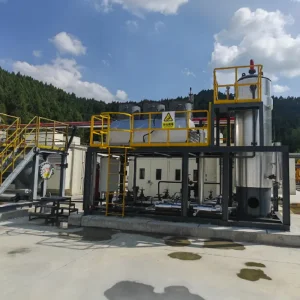
Established in June 2021 with a registered capital of 78 million yuan, our enterprise specializes in the research, design, and manufacturing of energy conservation and environmental protection systems. Situated in the industrial base of Sanhe Economic Development Zone, Langfang City, our operations deliver state-of-the-art engineering solutions to global infrastructure and resource protection sectors.
Our comprehensive production spectrum includes: standard and non-standard pressure vessels, medical waste high-temperature steam treatment equipment, biological wastewater treatment systems, skid-mounted natural gas purification and liquefaction modules, VOC exhaust treatments, industrial cryogenics, and BOG helium extraction devices. We operate at the intersection of thermal physics research and commercialized heavy manufacturing.
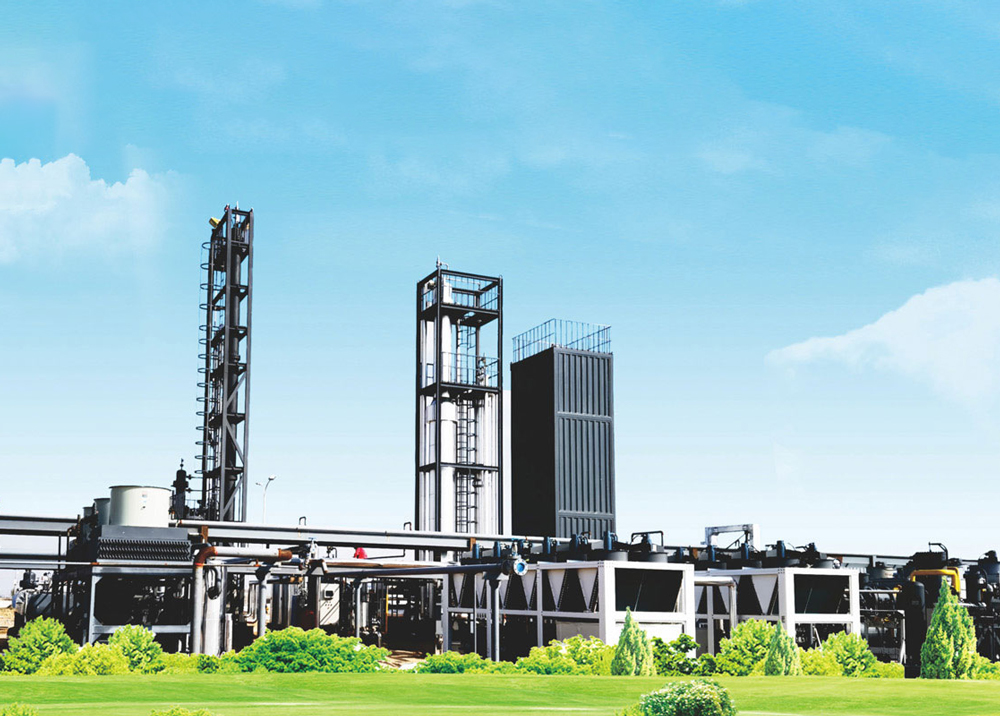
Our core capabilities are driven by elite academics from top-tier research institutes, integrating advanced cryogenic physics and thermal dynamics with industrial manufacturing.
Holding a PhD from the Institute of Physics and Chemistry Technology, Chinese Academy of Sciences (CAS), Dr. Sun is a national senior engineer. He has presided over the National 863 Program, natural science foundation projects, and aerospace-grade systems.
Recipient of the First Prize of Science and Technology of China Coal Industry (2013), Special Prize of Technological Invention of Chinese Society of Refrigeration (2015), and First Prize of Beijing Science and Technology Award (2016).
A Ph.D. candidate and senior engineer from the Institute of Physics and Chemistry Technology, CAS. He has directed several national-level science and technology special projects during the "12th Five-Year Plan" and aerospace initiatives.
Author of 24 major academic publications (11 indexed in SCI/EI) and owner of 5 national patents. Awarded the Special Award of the 7th China Refrigeration Society Technological Invention (2015).
Doctor of Engineering from the Institute of Physics and Chemistry Technology, CAS. Developer of key technologies for modular, skid-mounted natural gas liquefaction systems.
Recognized for his fundamental research in multi-component mixed working medium phase changes, boiling heat transfer characteristics, and multi-phase flow dynamics in complex industrial environments.
Our manufacturing and processing adhere to strict quality frameworks, enabling us to serve the most demanding global buyers in oil, gas, and clinical fields.
Collaborative research with Tsinghua University and the Chinese Academy of Sciences enables us to model complex thermal processes, fluid dynamics, and phase transformations prior to actual vessel fabrication.
Holding the A2 Level Pressure Vessel Manufacturing License, Pressure Pipeline Component Manufacturing License, GB/T19001-2016 quality system certifications, and Sinopec HSSE / China Petroleum HSE management credentials.
We target significant carbon reductions and zero-leakage configurations, providing technologies engineered for gas recovery, voc degradation, and clean waste destruction.
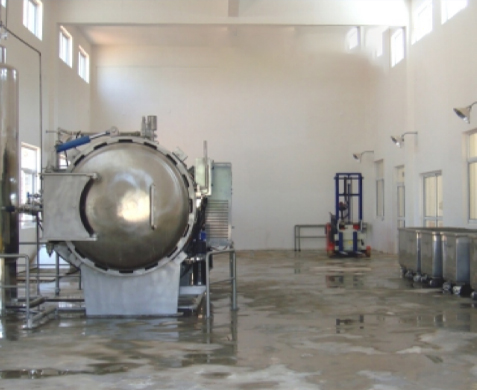
Our Langfang production hub implements modern Factory 4.0 methodologies to solve global supply chain bottlenecks. By integrating advanced automatic submerged arc welding (SAW), high-precision CNC tube-sheet drilling, and robotic plasma cutters, we maintain dimensional tolerances far exceeding basic industry requirements.
Our raw material supply chain benefits from strategic positioning near northern China's leading metallurgical clusters. This guarantees immediate access to certified low-carbon steel, duplex stainless steel (e.g., 2205), and super alloys (Inconel, Monel) at competitive prices. Combined with our localized control over engineering, machining, non-destructive testing (NDT), and final skid packaging under one roof, we reduce project lead times by up to 35% compared to western fabricators.
Every vessel and modular skid undergoes systematic quality gates, including radiography testing (RT), ultrasonic testing (UT), helium leak testing for high-vacuum systems, and hydrostatic testing to ensure zero structural failure points.
Providing standardized skid assemblies and custom process vessels for energy extraction, clinical sanitation, and ecological preservation.
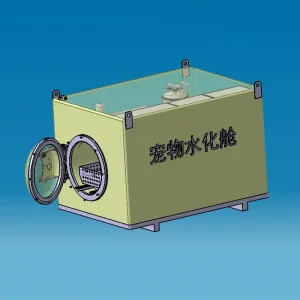
High-temperature steam treatment systems designed specifically for clinical waste sterilization, and state-of-the-art carcass thermal hydrolysis processing units optimized for containment laboratories.
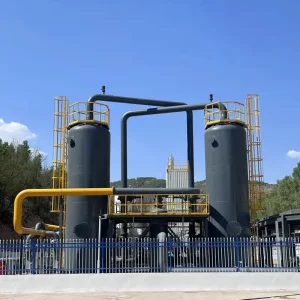
Turnkey skid-mounted liquefaction facilities and treatment units targeting shale gas, coalbed methane, desulphurisation, dehydration, and high-efficiency recovery of scattered tail gas.
Proprietary helium extraction schemes utilizing low-temperature fractionation processes down to -180°C, high-vacuum cold traps, and deep freeze-drying configurations.
Our technology roadmap prioritizes key research fields that will define the future of pressure vessels and gas processing. First, we are expanding our mixed refrigerant cycles (MRC) to optimize energy consumption down to -196°C, aiming for high-capacity liquid hydrogen (LH2) transport and containment. This involves researching new austenitic alloys and barrier structures to counter hydrogen embrittlement under extreme pressure.
Second, we are focusing on BOG (Boil-Off Gas) recovery and Helium extraction. Liquid Helium extraction at cryo-temperatures is critical for quantum computing and medical imaging. Our team has developed low-pressure, high-efficiency distillation systems capable of separating helium from trace sources down to parts-per-million levels.
Third, we are upgrading our smart-skid systems. By embedding industrial IoT gateways and fiber-optic thermal arrays, we enable real-time stress monitoring and fatigue prediction in critical vessels. This transforms static hardware into an active, self-monitoring node, minimizing maintenance intervals and preventing catastrophic pressure drops in processing fields.
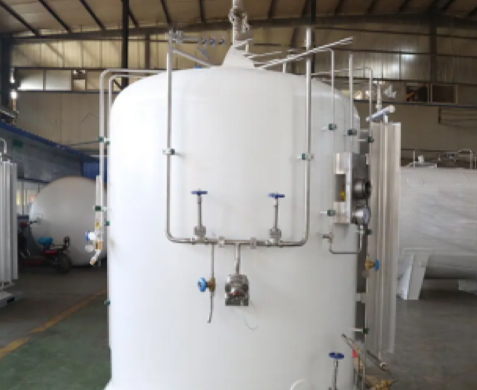
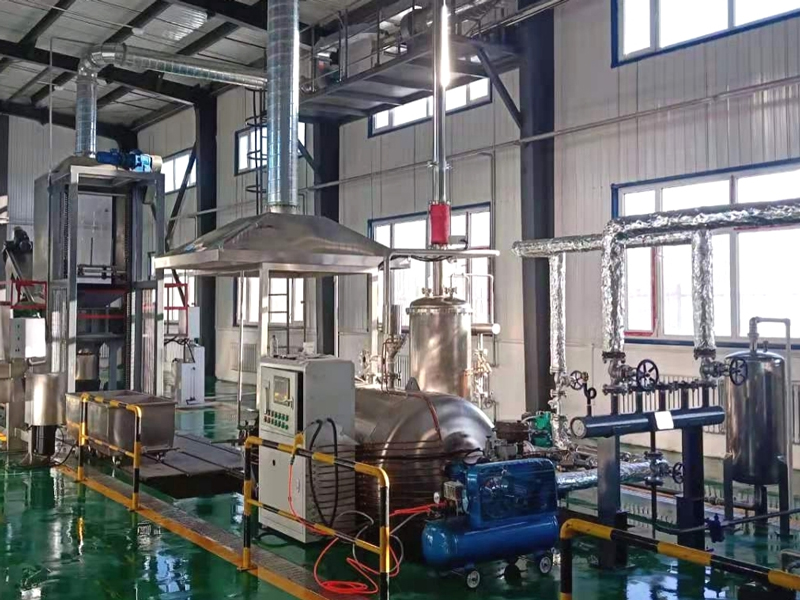
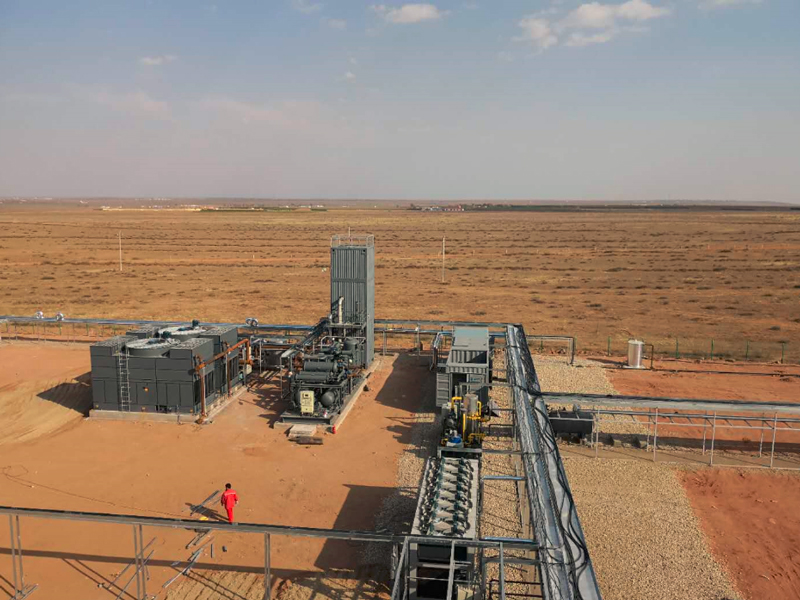
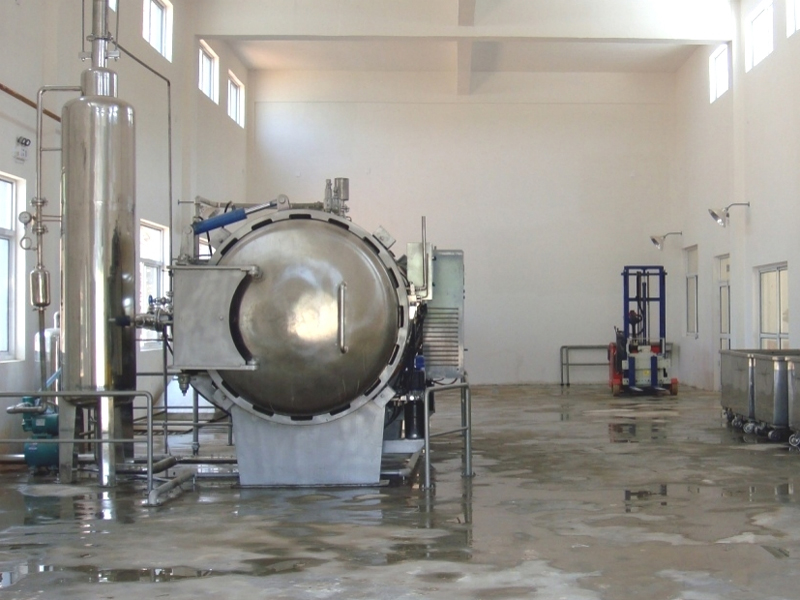
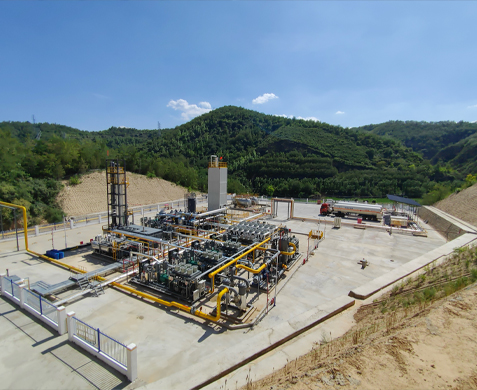
Selected engineering references demonstrating successful deployments across cryogenic gas plants and environmental systems.
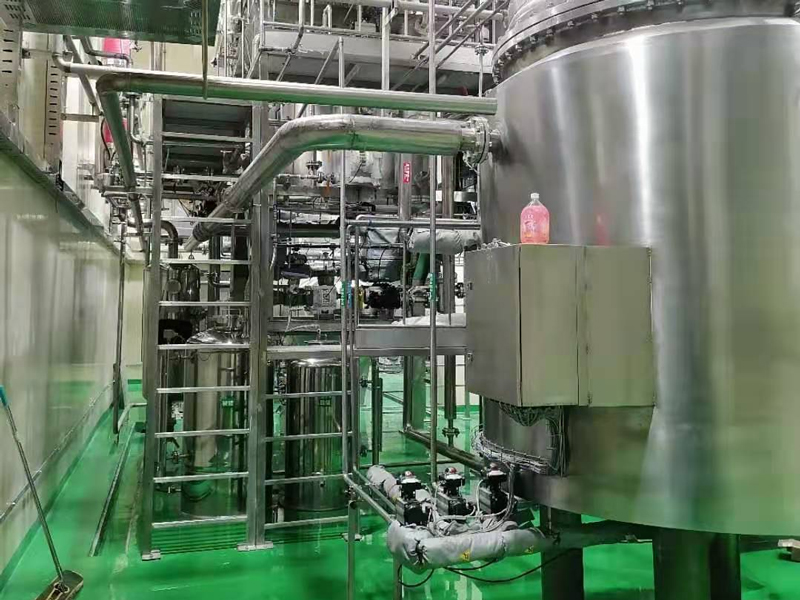
For international procurement teams, selecting pressure vessel fabricators is not just about price; it requires strict adherence to regional design codes. Our engineering office matches custom designs with the ASME Boiler & Pressure Vessel Code (BPVC Section VIII Division 1 & 2), European PED (2014/68/EU), CE marking directives, and China's GB150 codes.
To reduce risk for international EPC contracts, we support third-party inspection agencies including SGS, TÜV, BV, and DNV. Each shipment is accompanied by a Quality Dossier comprising material test reports (MTRs), weld procedure specifications (WPS), non-destructive testing reports, heat treatment graphs, and hydro-testing records.
We provide comprehensive lifecycle support. From initial processing calculations and thermal modeling, to factory acceptance tests (FAT), packaging, and site installation supervision (SAT), our field service engineering team is ready to assist your local installation teams, ensuring quick integration with site utilities.
In-depth insights into code compliance, structural customizability, thermal performance, and logistics for complex vessel fabrications.
We design and manufacture our equipment in strict accordance with national and international codes, including the A2-level Pressure Vessel Manufacturing License (China), GB150 standard, and we can coordinate designs to meet ASME Section VIII standards. Our QA protocols cover weld inspections, hydro-testing, and third-party validation to guarantee maximum reliability.
Yes. We specialize in custom, non-standard pressure vessels, high-temperature hydrolysis reactors, shell-and-tube heat exchangers, and cryogenic vacuum cold traps. Our engineering team uses advanced thermal analysis and CAD tools to design vessels for high pressure, high vacuum, and corrosive environments.
Skid mounting consolidates components—including purification reactors, cold boxes, pipelines, controls, and instruments—into a structural steel frame. This layout is tested and configured at our factory before shipping, reducing onsite civil engineering and structural work, and cutting commissioning timelines by up to 50%.
Our medical waste autoclave systems use saturated steam under pressure to penetrate infectious waste. This automated process achieves thermal destruction of pathogens, meeting stringent bio-safety regulations. System variants are available in centralized layout configurations as well as mobile, containerized skids.
Our BOG tail gas systems use low-temperature extraction technology to recover valuable gases from LNG storage. By integrating advanced separation and cryo-condensation columns, we extract high-purity Helium, turning waste gases into a valuable revenue stream.
Browse our custom pressure vessels, hazardous waste autoclaves, and low-temperature refrigeration systems designed to enhance plant safety and productivity.
 Hongke Qingneng