High-Quality Wholesale The Hot Stove Suppliers & Factory

Next-Gen Industrial Thermodynamics, Gas Purification, and EPC Skid Assemblies

Whitepaper: Industrial Hot Stoves & Thermodynamic Optimization

Analyzing thermal efficiency, custom engineering, and the decarbonization of heavy industrial heat generation.

In modern process industries, the Industrial Hot Stove (Hot Air Stove) is not merely a heat source; it is the thermal engine driving large-scale drying, calcining, chemical reactions, and environmental gas treatments. As global industries lean into carbon-neutral targets, the engineering design of hot air stoves must transition from simple fossil fuel combustion to multi-fuel flexibility, high-ratio heat recovery, and precise temperature-profile controls. This whitepaper analyzes how advanced thermodynamics and fluid dynamics optimize non-standard pressure equipment and hot stoves to achieve unprecedented efficiency levels.

1. The Thermodynamics of High-Performance Hot Air Stoves

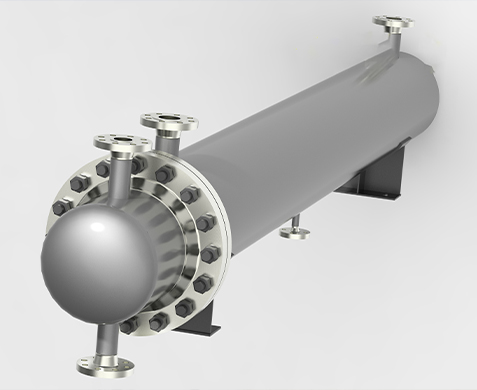
To achieve high thermodynamic efficiency, contemporary hot stoves deploy multi-stage heat exchangers and recuperative burners. The primary objective is to maximize the heat transfer from flue gases to process air while keeping NOx emissions below regulatory thresholds (e.g., <50 mg/Nm³). By utilizing advanced computational fluid dynamics (CFD) modeling, our engineering team optimizes the combustion chamber geometry to ensure uniform temperature fields, avoiding localized hotspotting which degrades heat exchanger walls. The incorporation of shell-and-tube configurations designed under A2 pressure guidelines ensures that structural integrity is maintained even when operating at temperatures exceeding 600°C.

2. Integrating Hot Stoves with Environmental Systems

One of the key trends in modern chemical plants is the integration of hot air stoves with VOC exhaust treatment systems. The hot stove serves a dual purpose: it supplies clean thermal energy to pre-heat organic gases before catalytic oxidization, and it utilizes thermal energy recovered from the VOC destruction phase to warm incoming process streams. This closed-loop thermal integration reduces external fuel consumption by up to 40%, proving that environmental compliance can align with dramatic operating cost reductions.

78M
Registered Capital (RMB)
50+
LNG & Environmental Projects
A2
Pressure Vessel License
20+
R&D Patent Portfolio

3. China Supply Chain & Factory Advantages in Sanhe

Located in the Sanhe Economic Development Zone, Langfang City, our manufacturing hub stands at the epicenter of China’s advanced heavy equipment industrial cluster. This strategic geography provides several core advantages to global procurement teams:

  • Direct Raw Material Access: Sourcing high-grade pressure-vessel steels, titanium, and specialized alloys with complete mill certificates, reducing raw material lead times by 30%.
  • Highly-Skilled Labor Pool: Proximity to major scientific institutions ensures access to certified pressure-pipe welders, NDT (Non-Destructive Testing) inspectors, and advanced automation technicians.
  • Optimized Shipping Infrastructure: Close access to Tianjin Port and Beijing’s logistics pipelines allows for fast, cost-efficient shipping of massive, skid-mounted industrial assemblies.

Academic Leadership & Scientific Credibility

Our technologies are developed and verified by elite researchers from Tsinghua University and the Institute of Physics and Chemistry Technology of the Chinese Academy of Sciences (CAS).

Dr. Sun Zhaohu

Founder & Chairman | CAS PhD & Senior Engineer

Dr. Sun has presided over the National 863 Program, natural science foundation projects, and military aerospace applications. He has won the Special Prize of Technological Invention of the Chinese Society of Refrigeration and the First Prize of the Beijing Science and Technology Award. He holds over 20 independent intellectual property rights.

Zou Xin

General Manager | PhD Candidate & Senior Engineer (CAS)

Zou Xin has led market operations and scientific programs including the "12th Five-Year Plan" national major special projects. He has published 24 academic papers (11 indexed in SCI/EI), applied for 5 national invention patents, and secured major scientific accolades in refrigeration and gas liquefaction.

Dr. Cheng Kuwei

Chief Engineer | CAS Engineering PhD

An expert in thermodynamics, Dr. Cheng pioneered the technology development of skid-mounted natural gas liquefaction units. His research on the phase change heat transfer characteristics and flow dynamics of mixed working media is key to our hot stove and cryogenic heat exchanger designs.

Global Procurement, Compliance & Localization

Bridging Chinese manufacturing powerhouse capacities with strict international regulatory expectations.

Regulatory Certification

All pressure vessels, hot air stoves, and custom gas skids are engineered to meet global standards. We hold the Chinese A2 level pressure vessel manufacturing license, pressure pipeline component manufacturing license, GB/T19001-2016 (ISO 9001) certification, and Sinopec HSSE/CNPC Health & Safety credentials.

Skid-Mounted Modularity

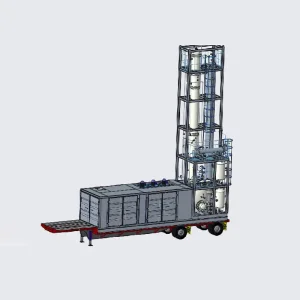
Understanding that global companies require fast deployment, our hot stoves, gas purification plants, and liquefaction units are built inside skid assemblies. This modular construction means 95% of assembly happens in our Langfang factory, reducing client on-site commissioning time by up to 60%.

Lifecycle Service Model

We provide localized engineering support through strategic local partnerships, including initial CFD boundary analyses, 3D pipe layout integration, and complete startup commissioning support. We keep spare heat-exchanging tubes, high-temperature valves, and controls ready for rapid export dispatch.

4. Future Industry Trends: Decarbonized Hot Blast and Gas Systems

The industrial gas and thermal sector is undergoing a profound paradigm shift. Here is how our R&D efforts are actively anticipating the demands of next-decade industrial production:

  • Transition to Hydrogen-Rich Fuels: Future hot stoves must burn blended gas streams containing high hydrogen ratios. Our burner systems are modeled to withstand higher flame speeds and combustion temperatures without causing localized heat-exchanger creep.
  • Integration with Carbon Capture (CCUS): The flue-gas output of modern industrial heaters is targeted for carbon sequestration. We design our thermal units with closed-loop flue recirculation options to increase the CO2 concentration in the exhaust, lowering the subsequent carbon-capture energy penalty.
  • Intelligent Thermal Profiling: Through the application of AI and IoT sensors, our newer installations monitor heat stress in real time, predicting refractory degradation or boiler tubes failure before they result in unscheduled plant downtime.

5. Core Application Scenarios

Our integration solutions serve highly specialized markets internationally:

  • Energy Recovery: Collecting coalbed methane, shale gas, or low-pressure flare gases and routing them through a skid-mounted liquefaction plant for liquid fuel production.
  • Environmental Protection: Supplying clean thermal energy to incinerators processing hazardous medical waste and animal carcasses while complying with zero-pathogen discharge guidelines.
  • Petrochemical Processing: High-efficiency hot blast units for cracking chambers, regeneration heat for molecular sieve de-acidification systems, and nitrogen-gas pre-heating.

Technical Q&A: Industrial Hot Stoves & Pressure Vessels

Get answers to common engineering, procurement, and design queries directly from our PhD-led engineering desk.

Q1: How do you achieve thermal efficiency over 90% in your hot air stove designs?
We achieve high efficiency by applying a multi-stage heat recovery system (combining recuperators with economizers) that lowers the exhaust flue gas temperature down to 120°C. Additionally, we use CAS-patented insulation geometries to minimize radiation heat losses through the stove casing, maintaining outer shell temperatures near ambient levels.
Q2: What steel grades do you employ for non-standard pressure vessels and high-temperature stoves?
For low-to-medium temperature zones, we utilize Q345R or Q370R boiler plate steel. In high-temperature combustion sections and heat exchanging tubes, we employ premium heat-resistant stainless steels such as 304, 316L, 310S, or specialized Inconel alloys to resist high-temperature oxidation and prevent metallurgical creep.
Q3: Are your skid-mounted LNG liquefaction and VOC systems customizable for specific project flow rates?
Yes. Every skid system is custom engineered. Our team of CAS doctoral engineers simulates the process dynamics based on your specific gas composition, inlet pressure, and flow rates. We design custom molecular sieve beds, heat exchangers, and cold box systems tailored for flow rates ranging from 5,000 Nm³/d to 500,000 Nm³/d.
Q4: How does Hebei Hongke ensure welding quality on A2 pressure vessels?
We operate under a strict ISO 9001/GB quality control system. All critical welding seams undergo 100% Non-Destructive Testing (NDT) including RT (Radiographic Testing) and UT (Ultrasonic Testing). Every completed pressure vessel is hydrostatically and pneumatically tested before obtaining its third-party inspected quality passport.
Q5: Can your hot stoves run on alternative fuels like biogas or low-BTU tail gases?
Absolutely. We design multi-fuel and low-calorific burners capable of processing low-BTU tail gas, biogas, or gasified biomass. By customizing burner nozzles and integrating gas-mixing systems, we ensure stable combustion even under volatile fuel feed rates.

Real-World Applications & Cases

View some of our high-quality equipment installations working in the field.
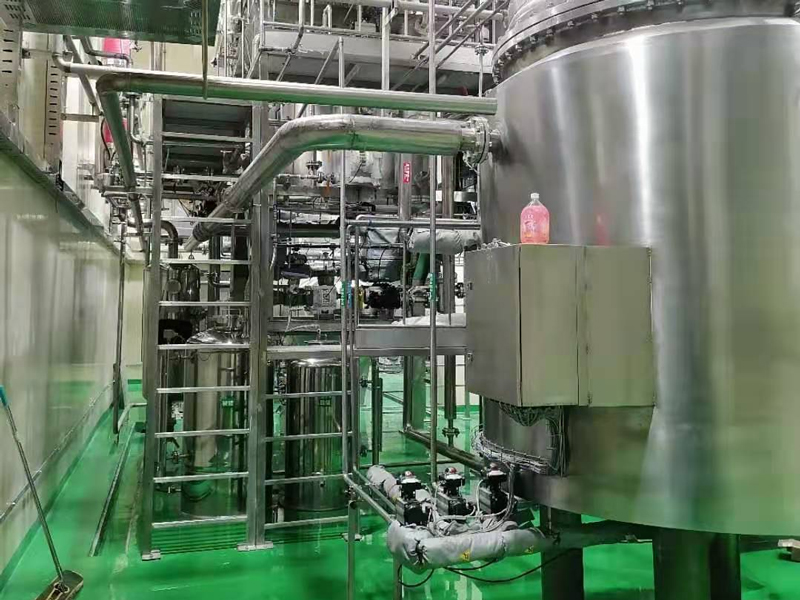
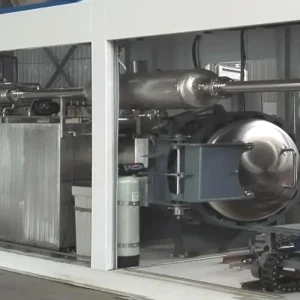
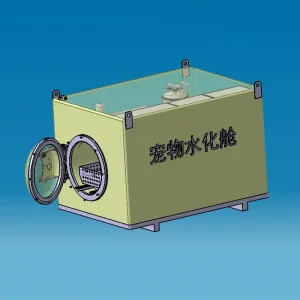
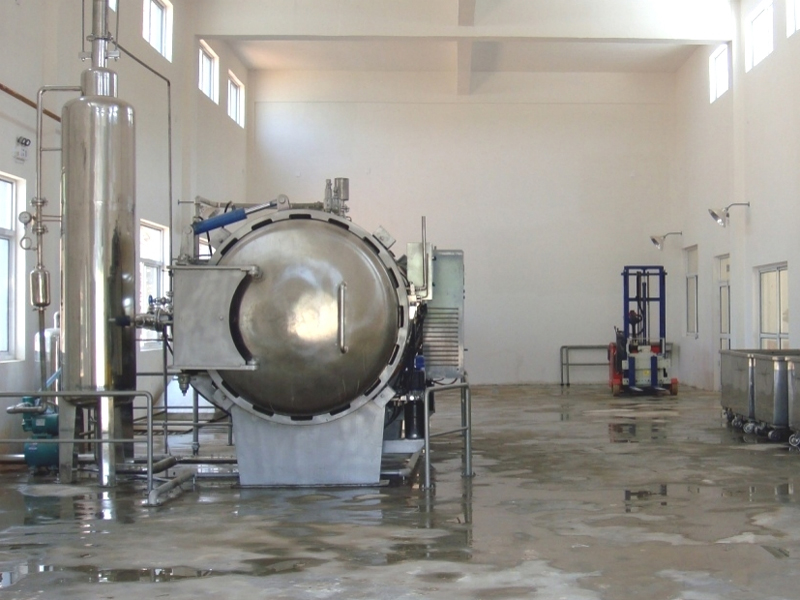
Laboratory Animal Residue

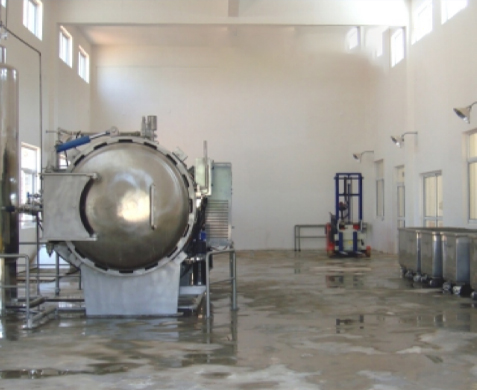
Laboratory Animal Residue Harmless Treatment

Mobile Medical Waste

Mobile Medical Waste Disposal Equipment

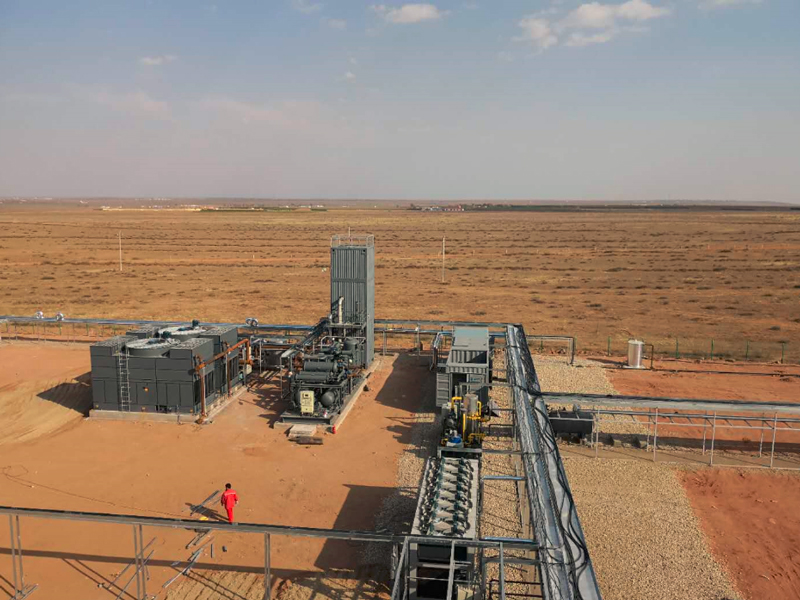
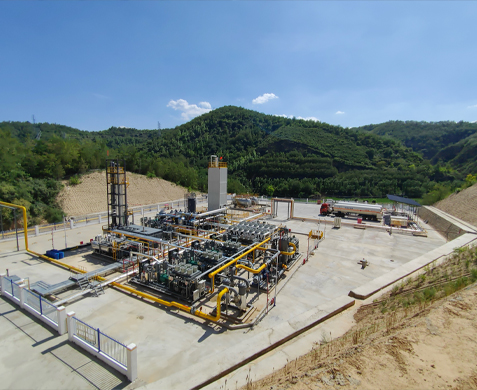
Well Gas Liquefaction

M3/d Well Gas Liquefaction Project

Centralized Medical Waste

Centralized Medical Waste Steam Treatment

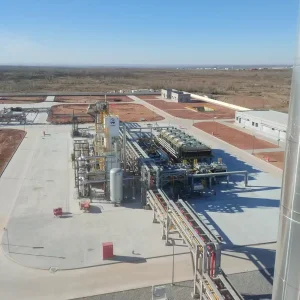
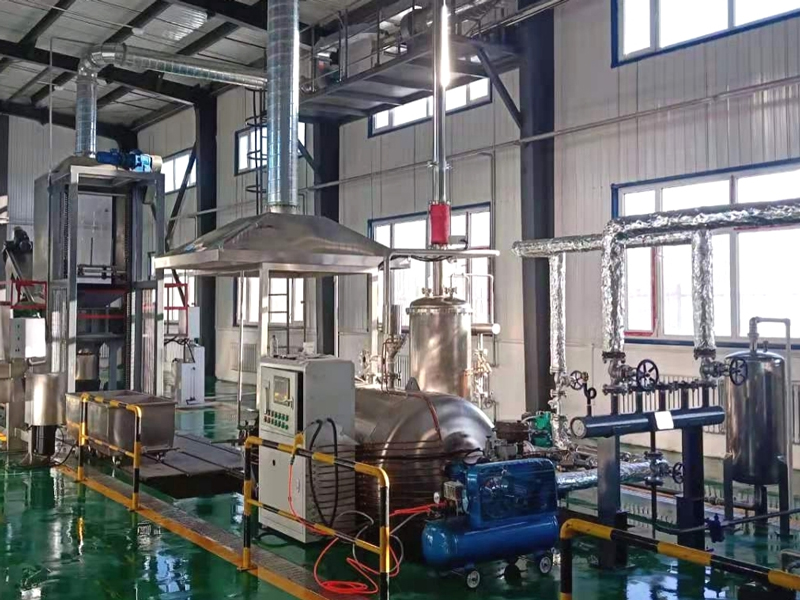
Industrial Installation 1

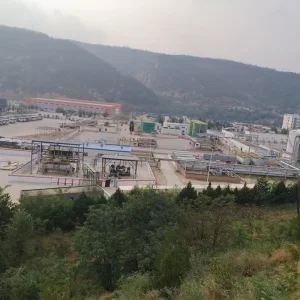
Plant Configuration Block A

Industrial Installation 2

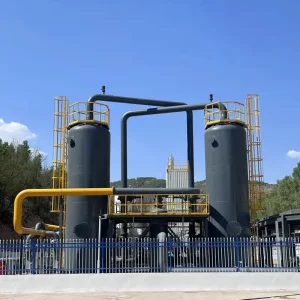
Thermodynamic Skid Assembly

Industrial Installation 3

Reactors and Piping Skid

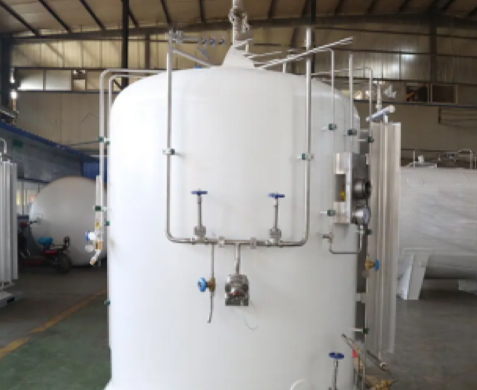
Industrial Installation 4

High-Pressure Storage Assembly