Cutting-edge ecological treatment systems engineered for Sri Lanka's veterinary laboratories, livestock processing facilities, and pet clinical environments.
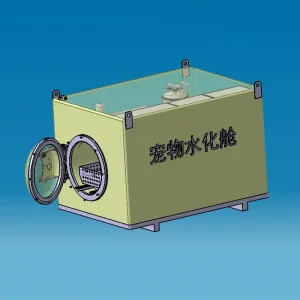
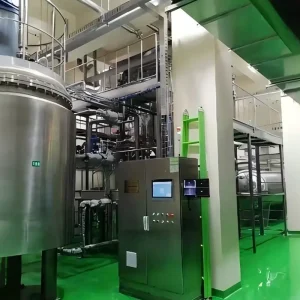
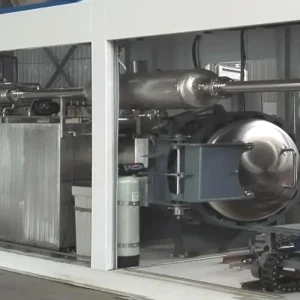
As Sri Lanka advances its agricultural infrastructure, livestock production systems, and healthcare networks, managing organic bio-hazardous waste has transitioned from a municipal utility concern to a critical national biosecurity priority. Animal tissue residues, deceased veterinary subjects, livestock processing by-products, and clinical lab remnants pose high biological hazards. If left untreated, they risk contamination of ground and surface water tables, spread zoonotic diseases like avian influenza and foot-and-mouth disease, and emit severe volatile organic compounds (VOCs) that compromise public air quality.
This industry whitepaper explores the integration of high-temperature thermal hydrolysis, autoclaving, and non-standard pressure vessels to treat biological residues efficiently. Developed with engineering backing from top research bodies, including the Institute of Physics and Chemistry Technology of the Chinese Academy of Sciences (CAS), our equipment offers Sri Lankan industries a sustainable, zero-emission alternative to traditional incineration. We outline technical pathways, local regulatory compliance, economic feasibility, and mechanical specifications designed for the tropical conditions and unique municipal challenges of Sri Lanka.
Delivering engineering excellence backed by independent research and development platforms, serving global markets.
Sri Lanka's economic hubs—including the Western, North Western, and Central provinces—house expanding commercial poultry farming, dairy cultivation, and marine fisheries. Cities like Kurunegala, Gampaha, and Negombo are epicenters for animal husbandry and processing. Proper management of animal mortality and processing residues is heavily monitored by the Central Environmental Authority (CEA) of Sri Lanka under the National Environmental Act (NEA).
Traditional methods like open burials or basic furnace incinerations face severe drawbacks in the island nation:
By shifting to high-temperature hydrolysis and sterilization systems, facilities can drastically reduce fuel use. High-temperature steam under pressure liquefies tissue and eliminates pathogens without combustion, producing sterile bone/meat meals or organic soil conditioners, which align with Sri Lanka's national drive for organic fertilizers and sustainable resource recovery.
Hebei Hongke Qingneng Environmental Protection Equipment Co., Ltd. was established in June 2021, with a registered capital of 78 million yuan. It focuses on the R&D and manufacturing of energy conservation and environmental protection industry in the industrial base of Sanhe Economic Development Zone, Langfang City.
The company is engaged in the design and manufacturing of various pressure vessels, medical waste high-temperature steam treatment equipment, animal tissue (residue) treatment equipment, biological wastewater (live toxic wastewater) treatment equipment, skid-mounted assembly of various equipment, coalbed methane/shale gas/natural gas purification and liquefaction, VOC treatment, chemical tail gas treatment, industrial refrigeration, BOG tail gas helium extraction and other environmental protection equipment.
We adhere to the business philosophy of "innovation-driven development, service-led upgrading", delivering highly customized, robust systems to withstand demanding tropical maritime environments.
Our technologies are designed and optimized by leading academic figures and national engineering specialists.
Founder and Chairman
Doctor's degree from the Institute of Physics and Chemistry Technology, Chinese Academy of Sciences (CAS); National Senior Engineer. Dr. Sun has presided over the National 863 Program, National Natural Science Foundation projects, and major aerospace/military projects. He has been awarded the First Prize of Science and Technology of China Coal Industry, the Special Prize of Technological Invention of the Chinese Society of Refrigeration, and the First Prize of Beijing Science and Technology Award.
General Manager & Senior Engineer
Senior Engineer at the Institute of Physics and Chemistry Technology, CAS. Presided over the "12th Five-Year Plan" national major science and technology specials. Published 24 academic papers (11 indexed in SCI/EI) and holds 5 patents. Recipient of the Special Award of the 7th China Refrigeration Society Technological Invention Award and Silver Medal of the 19th China International Industry Expo.
Chief Engineer
Doctor of Engineering from the Institute of Physics and Chemistry Technology, CAS. Focuses on phase change heat transfer characteristics and flow properties of mixed working mediums. He has presided over the process design and implementation of multiple liquefaction systems and non-standard waste processing pressure vessels worldwide.
Our plant stands out globally by meeting strict safety protocols and environmental metrics.
Leveraging engineering lineage from Tsinghua University and the Chinese Academy of Sciences, we lead research in waste heat recovery, advanced thermal sterilization processes, and automated skid integration.
We hold the A2-level pressure vessel manufacturing license, pressure pipeline component manufacturing license, GB/T19001-2016 quality system certification, and Sinopec HSSE / China Petroleum HSE management system certifications.
Our systems reduce carbon footprint, prevent secondary bio-contamination, and support national directives for pollution control, resource recovery, and ecosystem conservation.
Thermal hydrolysis subjects organic animal tissues to high pressure (typically 3 to 6 bar) and elevated temperatures (130°C to 160°C). Under these parameters, peptide bonds in proteins cleave, and complex fats break down. This destroys all viral, bacterial, and spore-forming pathogens (including heat-resistant agents of Anthrax or Clostridium species). The residue is converted into a sterile liquid and a small volume of mineralized bone residue.
A primary concern with animal rendering and tissue treatment is the emission of volatile organic compounds (VOCs), hydrogen sulfide (H2S), and ammonia (NH3). Our systems route exhaust gases through multi-stage treatment configurations:
For modular implementation, we build systems as pre-assembled, skid-mounted units. These setups arrive tested and wired, minimizing field installation time at Sri Lankan facilities. Using A2-level pressure-rated stainless steel (SUS304 or SUS316L), the chambers resist corrosion from organic acids and sanitizing agents, ensuring a long operational lifespan.
Examine our real-world project outcomes across biological waste treatment, animal processing, and medical sterilization.
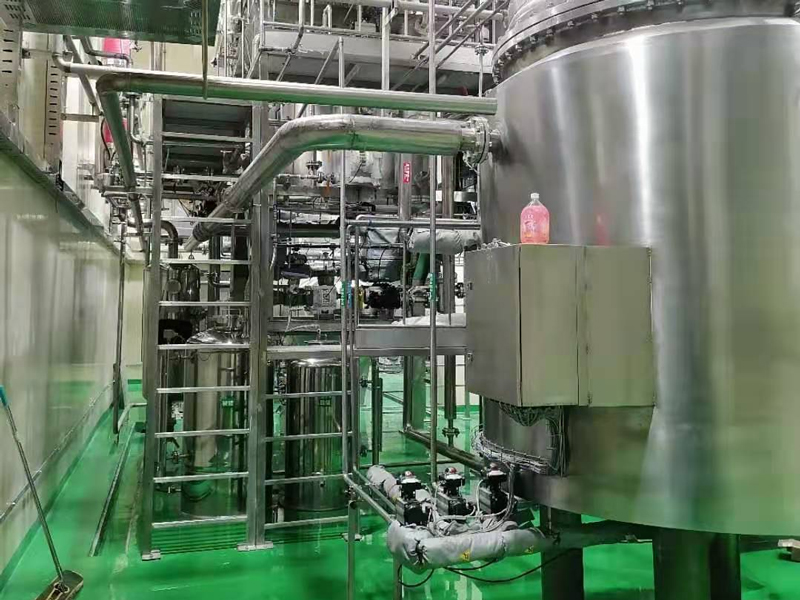
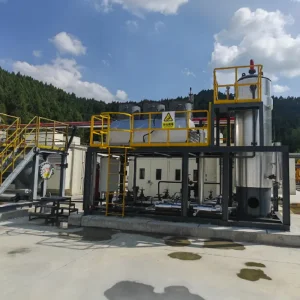
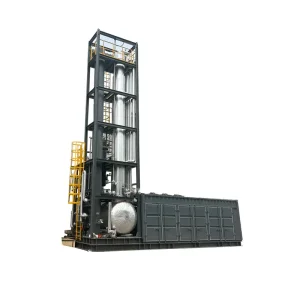
A turnkey biological safety installation utilizing high-temperature thermal hydrolysis to process medical laboratory animal carcasses, achieving complete sterilization and zero odor emission.
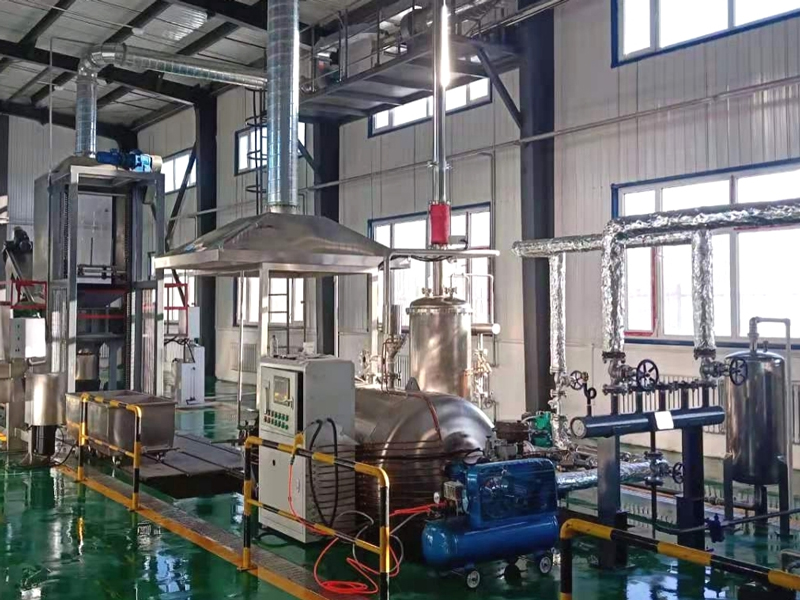
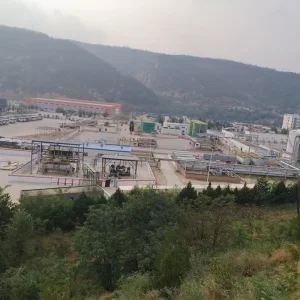
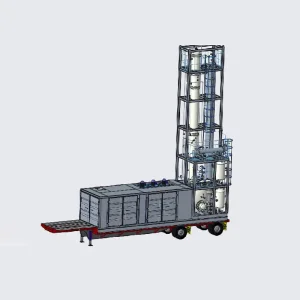
Trailer-mounted high-temperature steam sterilization system designed for emergency response, agricultural quarantine zones, and remote rural clinics.
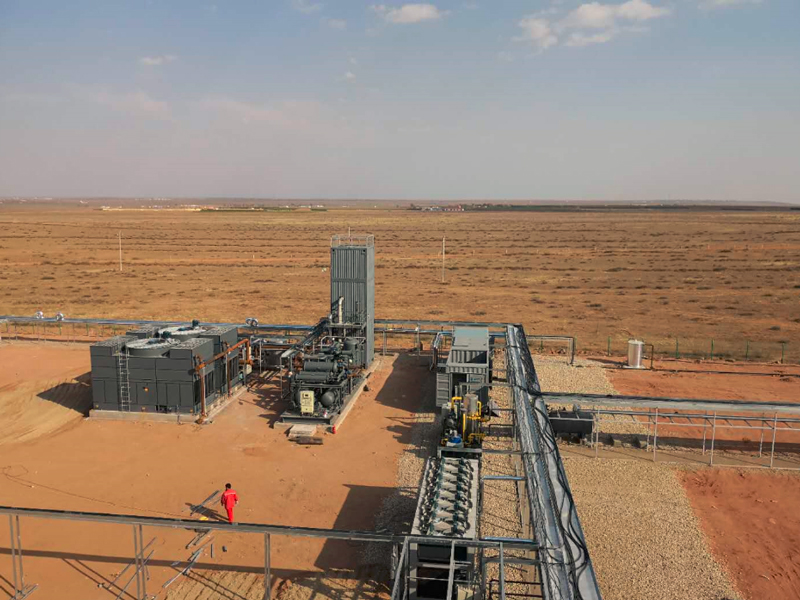
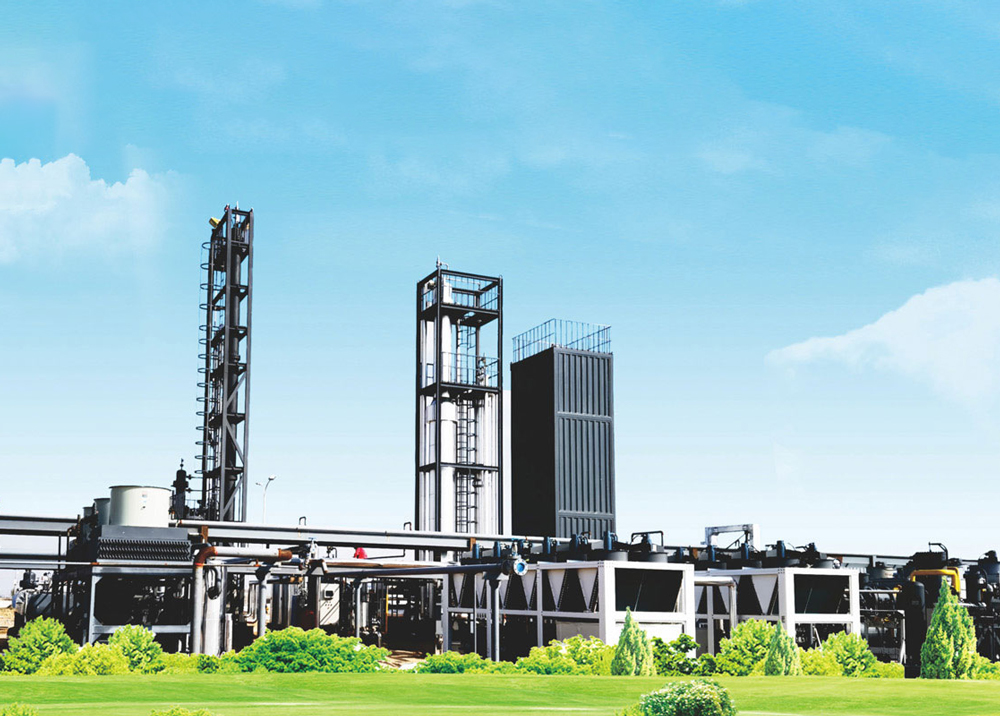
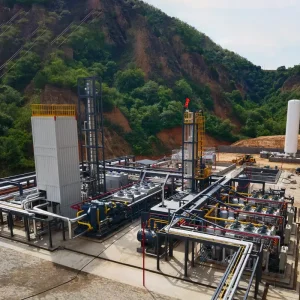
High-pressure purification and liquefaction modules showcasing our engineering capabilities in non-standard pressure vessels and cryogenics.
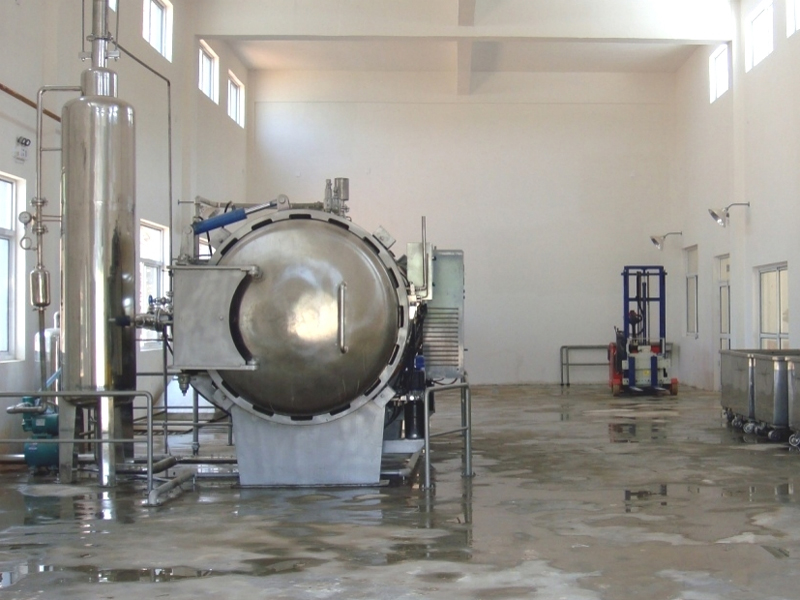
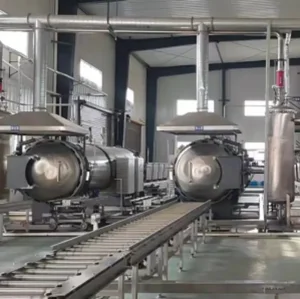
Large-capacity autoclave setup with automated loading, vacuum cycles, and integrated exhaust gas shredder/condenser system.
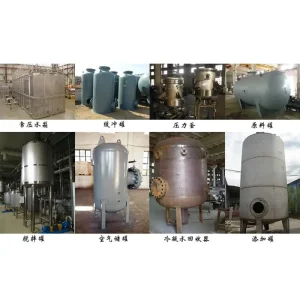
Our manufacturing capabilities cover a wide range of biological, environmental, and thermal engineering domains.
Addressing essential technical, logistical, and environmental regulatory questions for stakeholders in Sri Lanka.
Discover our broader product catalog, supporting clean energy projects, VOC abatement, and custom industrial pressure systems.
Whether you are planning a municipal animal residue treatment facility in Colombo, upgrading a veterinary clinic's bio-safety equipment in Kurunegala, or building custom chemical pressure systems, our team provides tailored technical support.
Speak directly with our senior process engineers to receive a system layout design, energy recovery assessment, and project quotation.
 Hongke Qingneng