Engineered to comply with Barcelona's stringent waste protocols and EU Directive (EC) No 1069/2009 for Class 1-3 animal by-products.
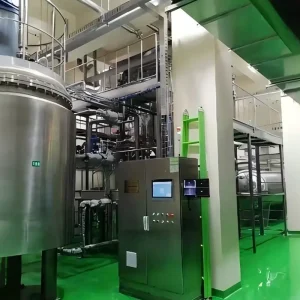
A Technical Whitepaper on Biosafety Standards, Emission Regulations, and High-Performance Sterilization Architectures.
Barcelona and the broader Catalonia region represent one of Southern Europe’s most dense veterinary science research networks and intensive agricultural clusters. With key institutions such as the Universitat Autònoma de Barcelona (UAB) veterinary school, major biomedical research hubs, and large-scale meat processing facilities across Girona and Lleida, the management of animal tissues, residues, and infectious biological waste is heavily scrutinized.
Compliance with European Regulation (EC) No 1069/2009, which governs animal by-products (ABP) not intended for human consumption, is mandatory. The law classifies materials into three categories: Category 1 (high-risk TSE/BSE risk), Category 2 (manure and animal tissues exceeding chemical safety levels), and Category 3 (surplus food and low-risk animal products). To address these categories safely and prevent pathogens from entering the food chain or the environment, advanced high-temperature hydrolysis and pressure sterilization systems are indispensable.
All animal residue and carcass processing machinery must hit minimum standard profiles of 133°C core temperature for at least 20 uninterrupted minutes at a pressure of 3 bar. This ensures the total destruction of heat-resistant pathogens, including prions, spores, and viruses.
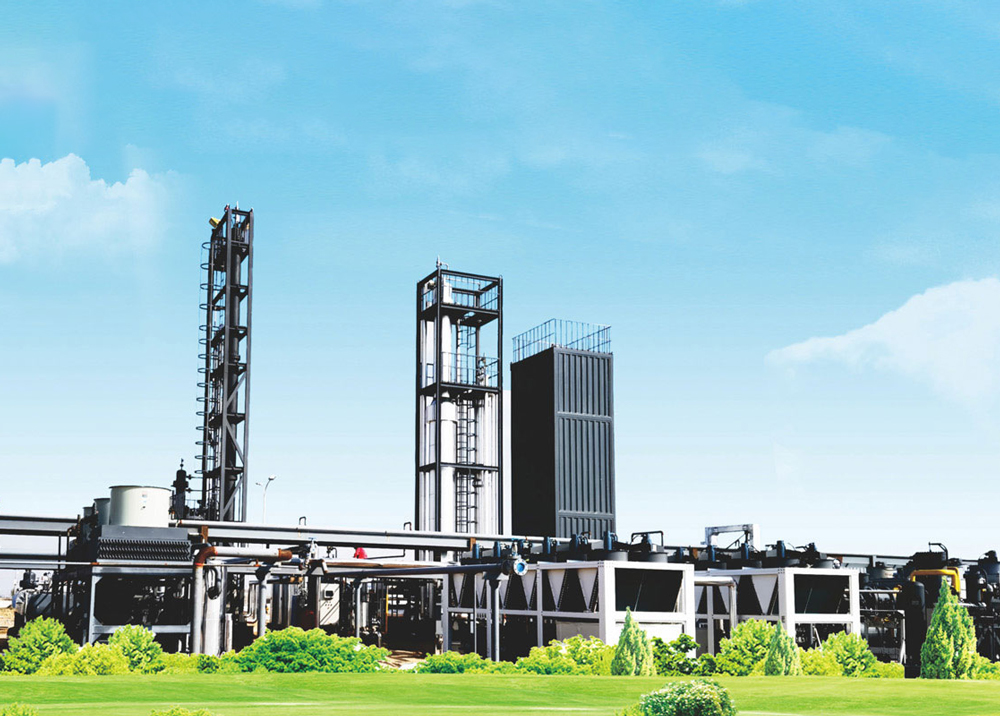
Analyzing key parameters of operational cost, environmental impact, carbon footprint, and biosafety compliance.
| Parameter | Alkaline Hydrolysis (Pet Hydration/Lab Digesters) | High-Temperature Steam Sterilization | Traditional Incineration |
|---|---|---|---|
| Operating Temp & Pressure | 150°C - 180°C @ 4-6 bar | 134°C - 147°C @ 3-4 bar | 850°C - 1100°C @ Atmospheric |
| Carbon Footprint & Emissions | Extremely Low (90% less than incineration) | Very Low (Steam generation dependent) | High CO2 & Volatile Organic Compounds (VOCs) |
| Effluent Output | Sterile liquid effluent (fertilizer base) | Solid dehydrated residue, sterile condensate | Fly ash, bottom ash, and flue gas emissions |
| Barcelona Urban Permitting | Simplified zoning, no air emission permits required | Standard industrial zoning with VOC scrubbing | Highly restricted, complex air quality approvals |
| Pathogen Destruction | Prions, viruses, bacteria completely dissolved | Full sterilization of standard pathogens | Thermal destruction (complete mineralization) |
Designed and stamped under PED 2014/68/EU and ASME Section VIII Div 1 standards.
Hydrolysis closed-loop design eliminates carcinogenic dioxins and greenhouse gases.
Skid-mounted heat exchangers recycle residual steam to slash utility costs by up to 35%.
Full PLC integration, tracking cycle parameters, temperature datalogging, and real-time diagnostics.
Hebei Hongke Qingneng Environmental Protection Equipment Co., Ltd. brings top-tier Chinese Academy of Sciences and Tsinghua University R&D directly to European projects.
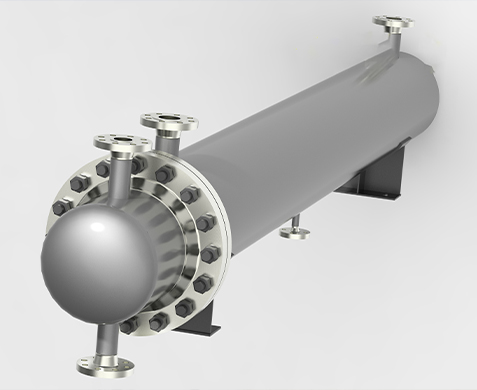
Established in June 2021 with a registered capital of 78 million yuan, Hebei Hongke Qingneng Environmental Protection Equipment Co., Ltd. specializes in energy conservation, industrial pressure vessels, and advanced sterilization tech. Operating in the Sanhe Economic Development Zone, Langfang City, our facility holds the prestigious A2-level pressure vessel manufacturing license and GB/T19001-2016 quality certifications.
By blending deep physics and chemical technology research with state-of-the-art automated manufacturing, we provide robust skid-mounted assemblies for municipal, industrial, and clinical institutions worldwide. Our systems are built to endure intensive, continuous duty cycle loads while safeguarding biological containment zones.
From university laboratories to medical waste centers, discover how our equipment functions under real-world operating conditions.
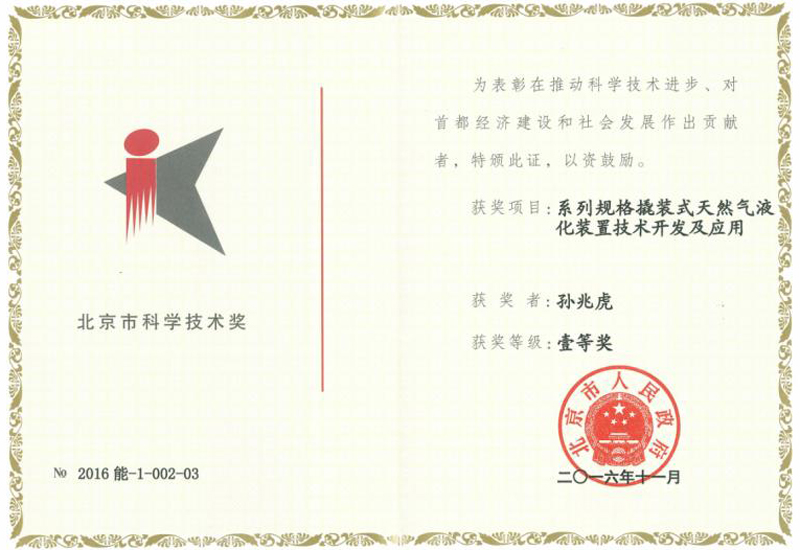
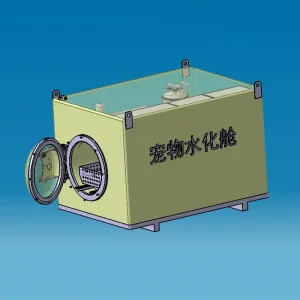
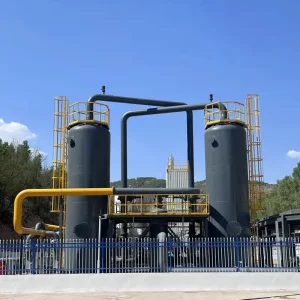
Deploys high-temperature hydrolysis to treat transgenic mouse carcasses, preventing biological leakage in metropolitan biomedical facilities.
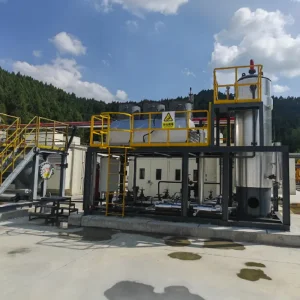
Skid-mounted emergency containment unit engineered for flexible regional responses to biological outbreaks in Catalonia.
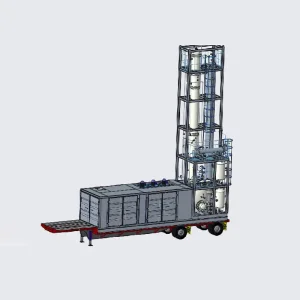
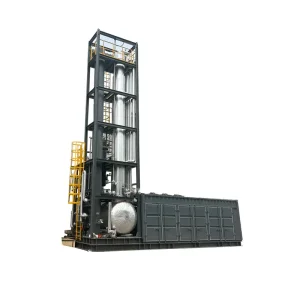
Custom engineered gas purification and liquefaction plant designed for municipal waste-to-energy recovery networks.
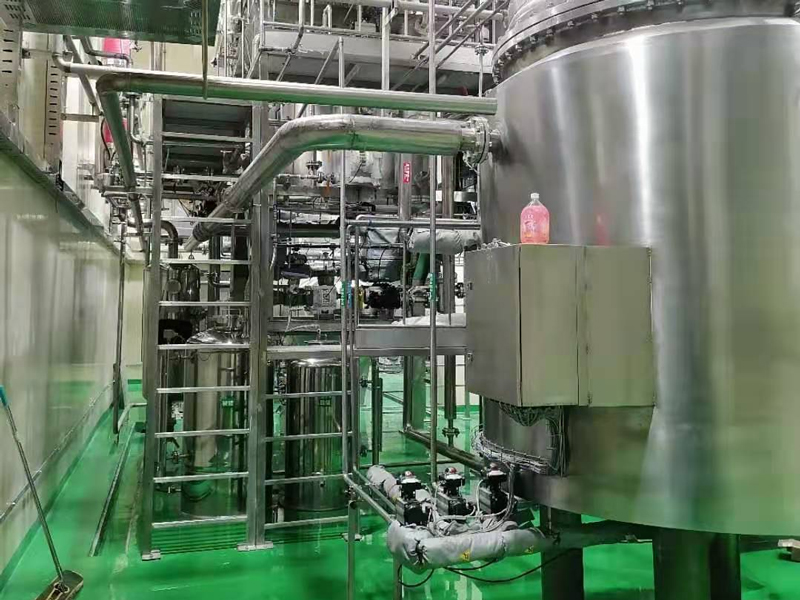
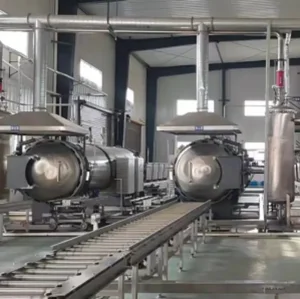
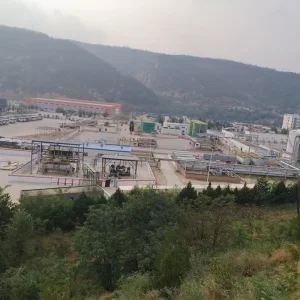
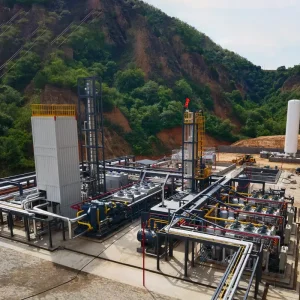
Treats massive quantities of high-risk biological waste and hospital residues daily, ensuring municipal safety compliance.
Bridging heavy manufacturing excellence with European compliance for lower CapEx and rapid delivery.
Sourcing large-scale animal residue treatment systems from our advanced Chinese factory gives our European partners a profound market edge. We merge regional cost efficiencies, raw material procurement networks, and top-tier industrial labor with the design practices of the EU. The result is equipment that can cut capital expenditures (CapEx) by 30% to 50% compared to systems manufactured locally in Western Europe, with no compromise on quality.
Additionally, Hebei’s manufacturing base sits near major international deep-water ports, guaranteeing streamlined logistical routes directly to Barcelona. Our factory manages the entire design, material sourcing, structural fabrication, system assembly, PLC programming, and FAT (Factory Acceptance Testing) internally. This end-to-end management reduces sub-vendor delays, offering lead times that beat Western competitors by months.
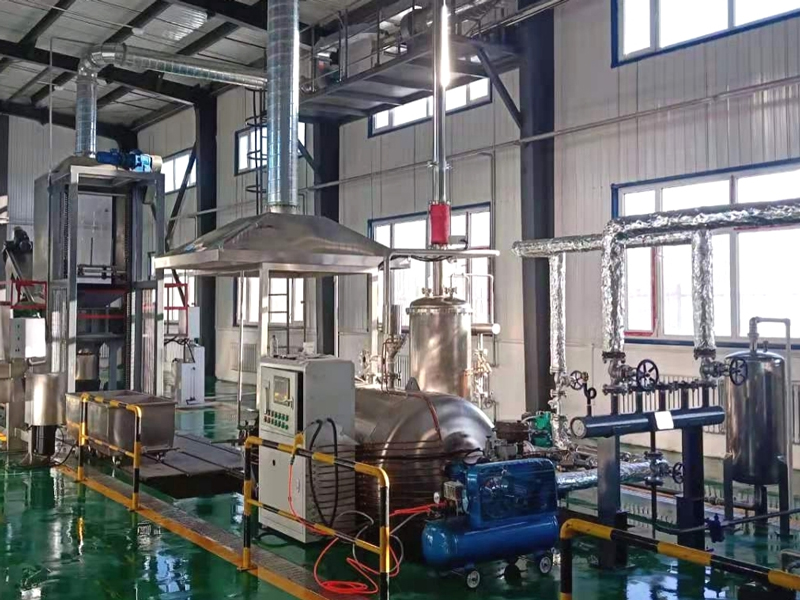
Explore our complete inventory of industrial gas treatment, LNG liquefaction, pet hydration, and biomedical waste equipment.
Answers to common questions about engineering specs, EU biological standards, and system installation in Barcelona.
 Hongke Qingneng