As a prominent member of the European Union, Poland is bound by strict waste directives, particularly Directive 2008/98/EC on waste and local adaptations under the Polish Act on Waste (Ustawa o odpadach). With the introduction of the digitalized waste tracking database—the BDO (Baza Danych o Produktach i Opakowaniach oraz o Gospodarce Odpadami)—every kilogram of clinical, pathological, and hazardous medical waste must be accounted for with absolute traceability.
Historically, incineration was the predominant treatment pathway for medical waste in voivodeships like Masovia, Silesia, and Lower Silesia. However, operating incineration plants in Poland has faced sharp headwinds due to skyrocketing carbon taxes under the EU Emissions Trading System (ETS), rising fuel costs for secondary combustion chambers (required to hold gases at 1100°C for 2 seconds), and vocal local resistance to greenfield municipal incinerator approvals.
This shift has catalyzed the demand for centralized high-temperature steam treatment (autoclaving). Modern autoclave solutions that incorporate mechanical shredding and vacuum-pulse sterilization operate with a carbon footprint that is up to 70% lower than incinerators. They produce zero volatile organic chemical (VOC) emissions, eliminate bottom-ash disposal issues, and significantly reduce operational expenditure (OpEx) for waste management concessionaires in the Polish market.
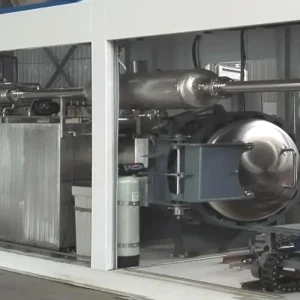
Centralized medical waste steam sterilization relies on the precise balance of saturated steam pressure, temperature, and exposure duration. Our systems employ a advanced process flow designed to ensure zero cold-pockets, even within highly dense or high-moisture medical waste loads containing plastics, fabrics, and contaminated liquids.
| Parameters / Features | High-Temperature Steam Autoclaving (Hongke Technology) | Traditional Incineration |
|---|---|---|
| Direct Carbon Emission (CO2) | Negligible (only indirect emissions from electricity/steam generation) | High (direct fossil fuel combustion and waste plastics oxidation) |
| Primary Exhaust Gas Stream | Sterilized air and steam condensates (easily deodorized & cooled) | Flue gases containing acid gases (HCl, SO2), NOx, and heavy metals |
| Hazardous Ash Byproduct | None. Solid residue is classified as non-infectious municipal waste | Fly ash and bottom ash must be treated as hazardous waste (expensive disposal) |
| Capital Expenditure (CapEx) | Moderate. Quick skid-mounted installation and commissioning | Extremely High. Requires massive flue gas cleaning lines (SCR, dry scrubbers) |
| Social Acceptance (Poland/EU) | High. Negligible environmental impact and easily zoned in light industrial parks | Low. Heavy public opposition ("NIMBY" factor) and difficult zoning permitting |
The logistics of medical waste collection in Poland are characterized by a hub-and-spoke model. While major hospitals generate large volumes, numerous outpatient clinics, laboratories, and regional healthcare centers generate smaller volumes that must be systematically collected and treated.
In densely populated hubs such as the Silesian Metropolitan Area (Katowice, Gliwice) and Masovian Voivodeship (Warsaw outskirts), commercial waste operators build centralized facilities handling between 5 and 30 metric tons of clinical waste daily. Our large-scale centralized autoclaves, paired with automated internal shredders and heavy-duty conveyor systems, handle continuous runs with minimal manual intervention. The integration of advanced PLC controls allows operators to feed cycle logs directly into their enterprise resource planning (ERP) systems, satisfying Polish environmental inspectorate (WIOŚ) audit protocols.
For remote regions such as the Subcarpathian or Podlaskie Voivodeships, where waste transportation distances are long, mobile containerized autoclaves present an efficient alternative. Our skid-mounted mobile units can be mounted on heavy-duty truck chassis or placed inside 20ft/40ft shipping containers. This permits localized sterilization directly at regional clinical hubs, mitigating the biosecurity risks associated with hauling raw infectious materials over public roads.
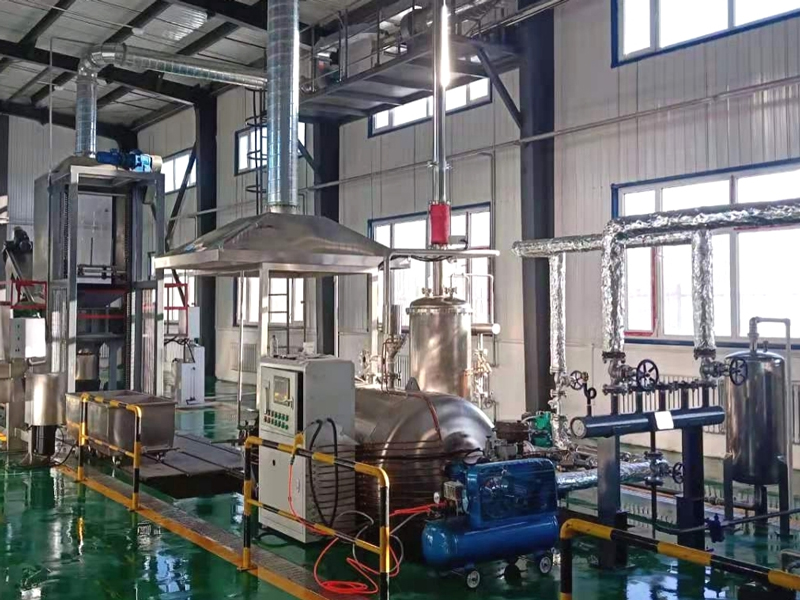
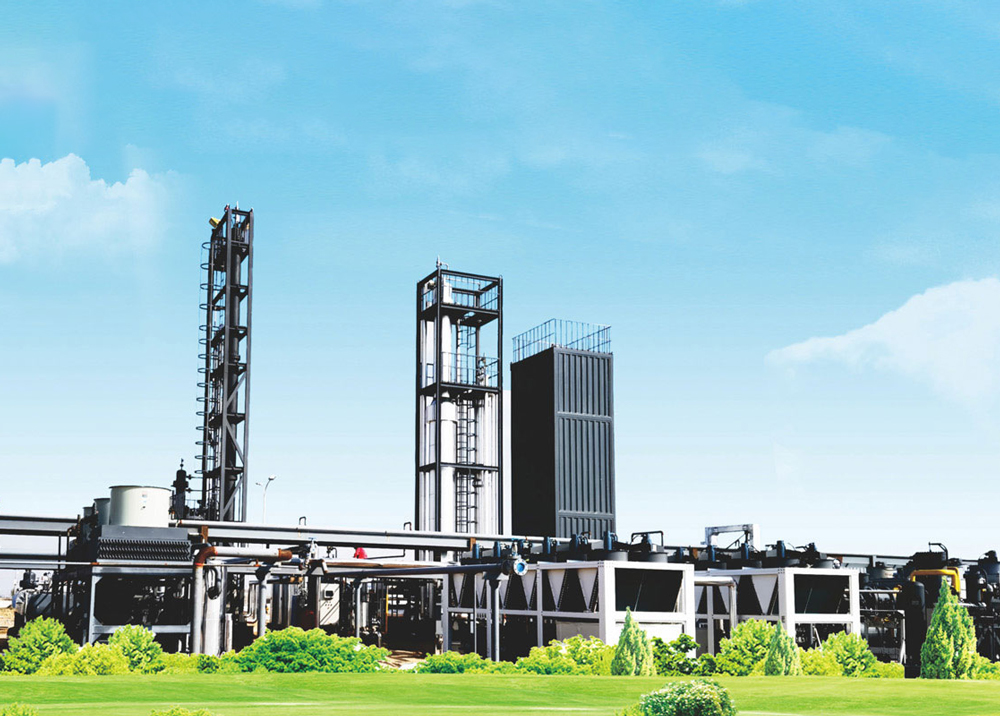
Hebei Hongke Qingneng Environmental Protection Equipment Co., Ltd. (established in June 2021, registered capital of 78 million CNY) stands as an engineering-driven manufacturer located within the Sanhe Economic Development Zone, Langfang City—a vital industrial corridor adjacent to Beijing.
Our core competitive advantage is rooted in our scientific advisory and R&D team, composed of senior engineers and PhD candidates hailing from Tsinghua University and the Institute of Physics and Chemistry Technology, Chinese Academy of Sciences (CAS). Led by our founder and chairman, Dr. Sun Zhaohu (National Senior Engineer, recipient of Beijing Science and Technology Award), we hold over 20 independent intellectual property patents and have designed more than 50 skid-mounted liquefaction and environmental process plants.
Our manufacturing capabilities include:
Industrial pressure vessel design demands rigorous compliance and structural integrity. Our company's core technological processes are guided by three senior academic minds:
Ph.D. from the Institute of Physics and Chemistry Technology, Chinese Academy of Sciences (CAS). National Senior Engineer who has presided over the National 863 Program, aerospace and military projects, and holds the Special Prize of Technological Invention of the Chinese Society of Refrigeration.
Senior Engineer and Ph.D. candidate at CAS. Managed major scientific research special projects, published 24 peer-reviewed academic papers (including 11 SCI/EI indexed papers), and designed multiple software systems for chemical process operations.
Doctor of Engineering from CAS. Expert in multi-phase heat transfer and flow characteristics. Led the technical development of specialized non-standard pressure vessel systems and complex gas recovery lines.
Deploying high-pressure steam equipment in Poland requires strict adherence to European norms. To ensure seamless customs clearance, regulatory approval, and local insurance acceptance, Hebei Hongke Qingneng integrates European standard compliance at every step of manufacturing:
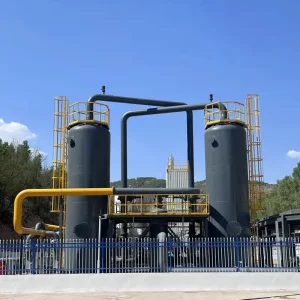
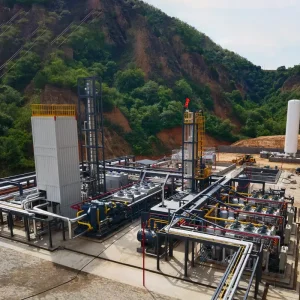
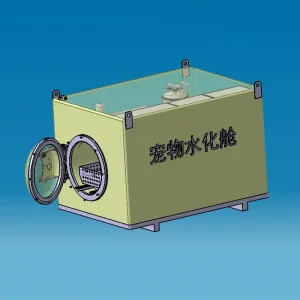
Get in touch with Hebei Hongke Qingneng Environmental Protection Equipment Co., Ltd. for technical specifications, sizing plans, cost estimation, and PED/UDT certification checklists.
Send Inquiry Now Hongke Qingneng