Advanced gas treatment, amine scrubbing, and tail gas recovery systems configured for heavy sulfur removal challenges across Argentina's pipeline networks.
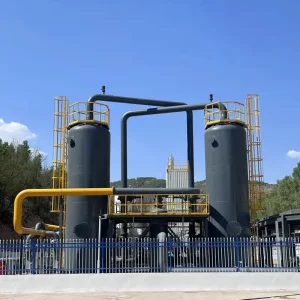
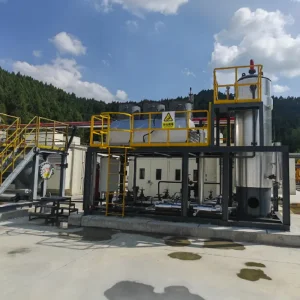
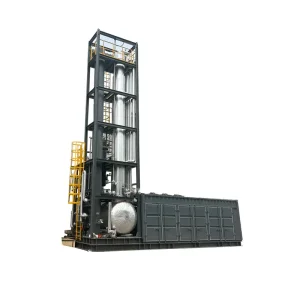
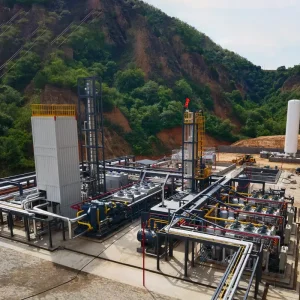
Argentina stands at the center of South America’s gas revolution, driven primarily by the colossal Vaca Muerta formation in the Neuquén Basin. However, raw gas reserves harvested from shale layers frequently present high acidic components, including hydrogen sulfide (H₂S) and carbon dioxide (CO₂). Left untreated, these compounds degrade pipelines, poison downstream reforming catalysts, and violate local ENARGAS transport specifications.
Simultaneously, the agricultural belts of Buenos Aires, Santa Fe, and Córdoba are investing heavily in municipal bio-methane and waste-to-energy facilities. To feed municipal grids safely, reliable desulfurization scrubbing towers are mandatory to reduce H₂S levels below 5 ppm.
Under the guidelines of the IMO, WHO, and regional EPA counterparts, the global processing industries have drastically clamped down on sulfur dioxide (SO₂) emissions. Modern desulfurization technologies are shifting from high-cost operations to energy-efficient recovery systems.
Leveraging deep academic collaborations with elite Chinese institutes to engineer premium environmental processing systems.
Originally established in June 2021 with a registered capital of 78 million yuan, Hebei Hongke Qingneng Environmental Protection Equipment Co., Ltd. is a high-tech pioneer headquartered in the Sanhe Economic Development Zone, Langfang City. We are backed by elite talents from Tsinghua University and the Institute of Physics and Chemistry Technology, Chinese Academy of Sciences (CAS).
Under the guidance of our founder, Dr. Sun Zhaohu (Ph.D. from CAS, senior national engineer, first-prize winner of China Coal Industry Award), and Zou Xin (Ph.D. candidate, general manager, recipient of Beijing Science and Technology Award), we hold over 20 independent intellectual property patents, specializing in skid-mounted desulfurization, pressure vessels, and cryogenic separation technologies.
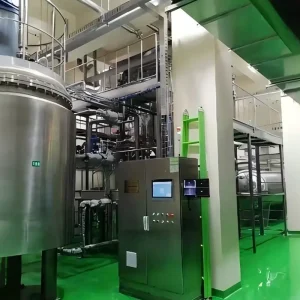
Highly modular pre-commissioned skid packages. Minimizes mechanical on-site installation work by up to 70% in high-risk zones like Neuquén.
Equipped with state-of-the-art phase equilibrium simulation tools to predict amine degradation and optimize H₂S recovery under high pressure.
Leveraging internal research from the Chinese Academy of Sciences to configure optimal liquid-to-gas ratios and prevent foaming issues.
Partnering directly with our Chinese factory delivers significant capital efficiency, deep customization, and world-class quality assurances. Our production advantages include:
| Parameters | Amine Gas Sweetening | Dry Absorption |
|---|---|---|
| Best Scale | Medium to High Flow Rates | Low Flow / Trace H₂S |
| Inlet H₂S Concentration | Up to 10,000 ppm | < 500 ppm |
| Outlet Cleanliness | < 4 ppm | < 1 ppm |
| Regenerative Ability | Highly Regenerative | Disposable/Batch Replace |
| Capital Cost (CapEx) | Moderate to High | Low Initial Cost |
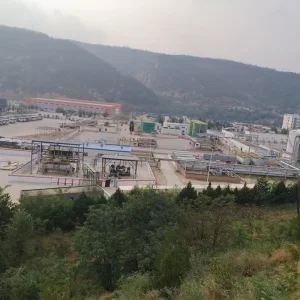
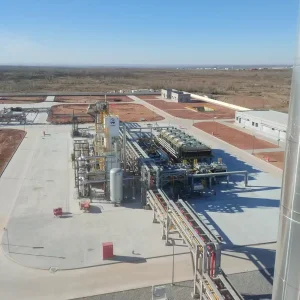
Demonstrated performance and reliable execution across extreme environments and challenging installations.
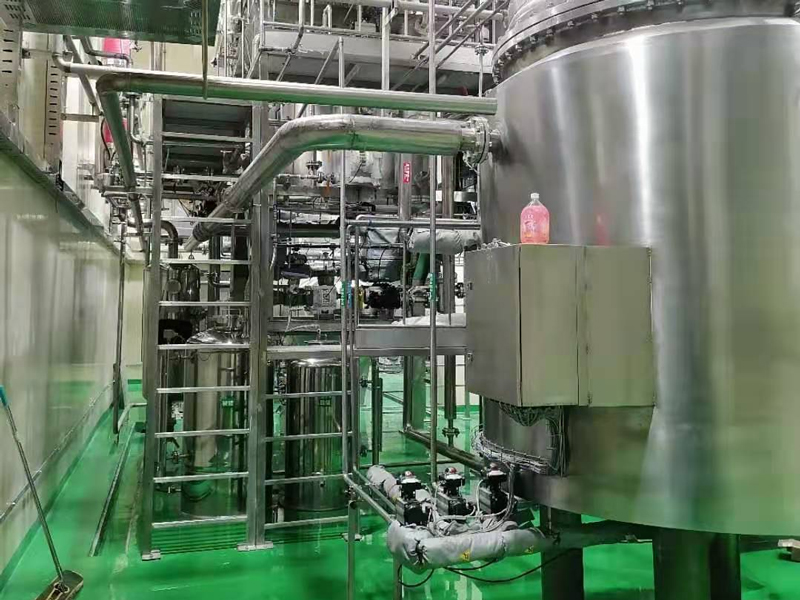
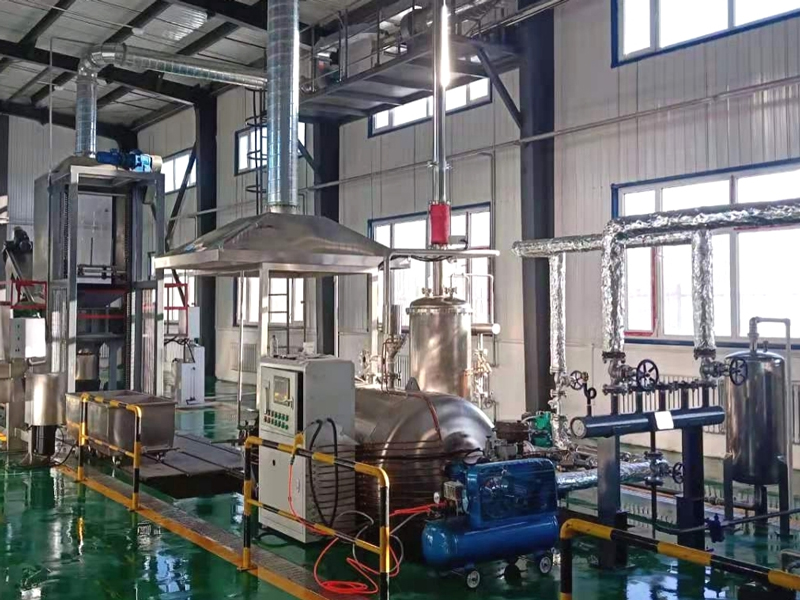
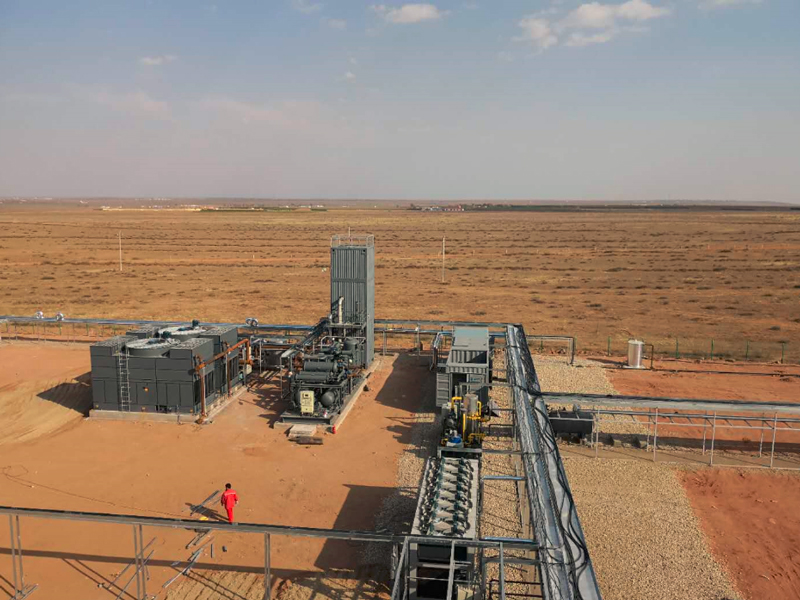
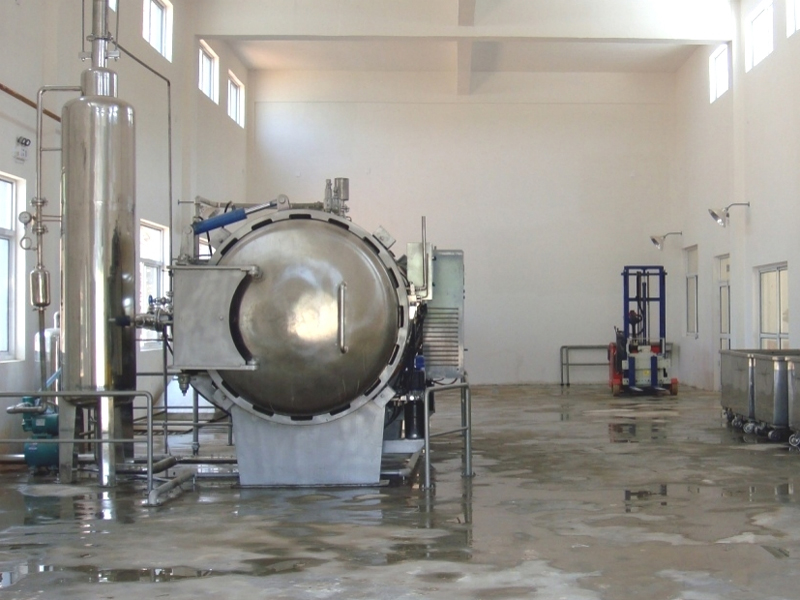
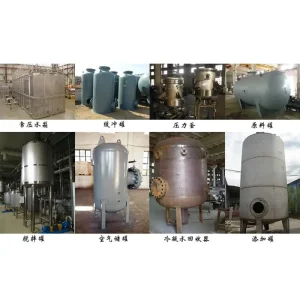
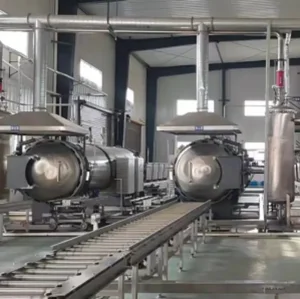
Explore our complete manufacturing range of non-standard pressure vessels, purification columns, and industrial cooling packages.
Technical advice from our lead engineers addressing specific local procurement and operational conditions.
Under ENARGAS (Ente Nacional Regulador del Gas) regulations, natural gas entering trunk pipelines (such as the Gasoducto Néstor Kirchner) must strictly restrict H₂S content to a maximum of 5 mg/m³ (equivalent to approximately 3.5 - 4 ppm). Our skid-mounted amine treatment and dry chemical absorption systems are engineered to target outlet values below 2 ppm, ensuring uninterrupted grid injection.
Yes. We possess the national A2 level pressure vessel manufacturing license, which permits us to fabricate custom, thick-walled non-standard vessels. We manufacture products in full compliance with ASME Section VIII Division 1 codes and can collaborate with international third-party inspectors (such as SGS, TÜV, or BV) to verify compliance before shipment to Argentina.
Biogas systems in agricultural regions like Buenos Aires and Córdoba process gas containing high levels of H₂S (often between 1,000 and 5,000 ppm). Direct combustion without desulfurization produces SO₂ emissions and causes rapid corrosion of combined heat and power (CHP) engines. Our compact iron oxide dry desulfurizer skids or biological scrubbing units provide a cost-effective solution for local farms.
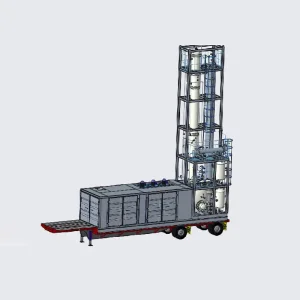
Vaca Muerta is located in a semi-arid, remote region with high labor mobilization costs. A stick-built installation requires significant field welding, NDT testing, and electrical wiring. Our skid-mounted LNG, desulfurization, and purification systems are pre-assembled, wired, and cold-tested in our factory in Langfang. Once onsite, operators only need to connect piping manifolds and electrical power.
 Hongke Qingneng