Discover our high-performance modular plants engineered for the specific requirements of Southeast Asia's gas field conditions.
Understanding the dynamics of offshore fields, marginal reserves, and localized gas utilization strategies.
Malaysia is historically positioned as one of the world's most significant players in the global Liquefied Natural Gas (LNG) supply chain. With massive production operations centered in areas like Bintulu, Sarawak, and expanding offshore developments across Sabah and the Malay Basin, the country is witnessing an unprecedented shift. As national oil companies, led by PETRONAS, drive towards the **Net Zero Carbon Emissions by 2050 (NZCE 2050)** goal, traditional midstream technologies must evolve.
Currently, the industrial landscape in Malaysia is transitioning from large-scale, gigawatt-level central liquefaction infrastructure towards **modular, decentralized skid-mounted liquefaction solutions**. This shift is propelled by two major local challenges:
As a leading engineering partner, Hebei Hongke Qingneng Environmental Protection Equipment Co., Ltd. supplies the technological architecture needed to build robust, highly customized processing plants that withstand tropical offshore and onshore conditions in Malaysia.
We blend top-tier scientific research from the Chinese Academy of Sciences and Tsinghua University with rugged fabrication standards.
Ph.D. from the Institute of Physics and Chemistry Technology, Chinese Academy of Sciences (CAS). National Senior Engineer who has led major national science and technology programs. Awarded the Special Prize of Technological Invention by the Chinese Society of Refrigeration and the Beijing Science and Technology Award. Dr. Sun holds over 20 independent intellectual property patents, focusing on mixed refrigerant phase-change heat transfer.
Ph.D. candidate and Senior Engineer at the Institute of Physics and Chemistry Technology, CAS. Author of 24 international and domestic academic papers (11 SCI/EI indexed). Zou has successfully integrated thermodynamic research with commercial skid-mounted liquefaction equipment, winning the 7th China Refrigeration Society Technological Invention Award and the Silver Medal at the 19th China International Industry Expo.
Doctor of Engineering from the Chinese Academy of Sciences. He was awarded the 2016 First Prize of Science and Technology Award of Beijing for his breakthrough project, "Technology Development and Application of Skid-mounted Natural Gas Liquefaction Unit with Series of Specifications." Specialist in phase change heat transfer characteristics and flow behavior of mixed working mediums.
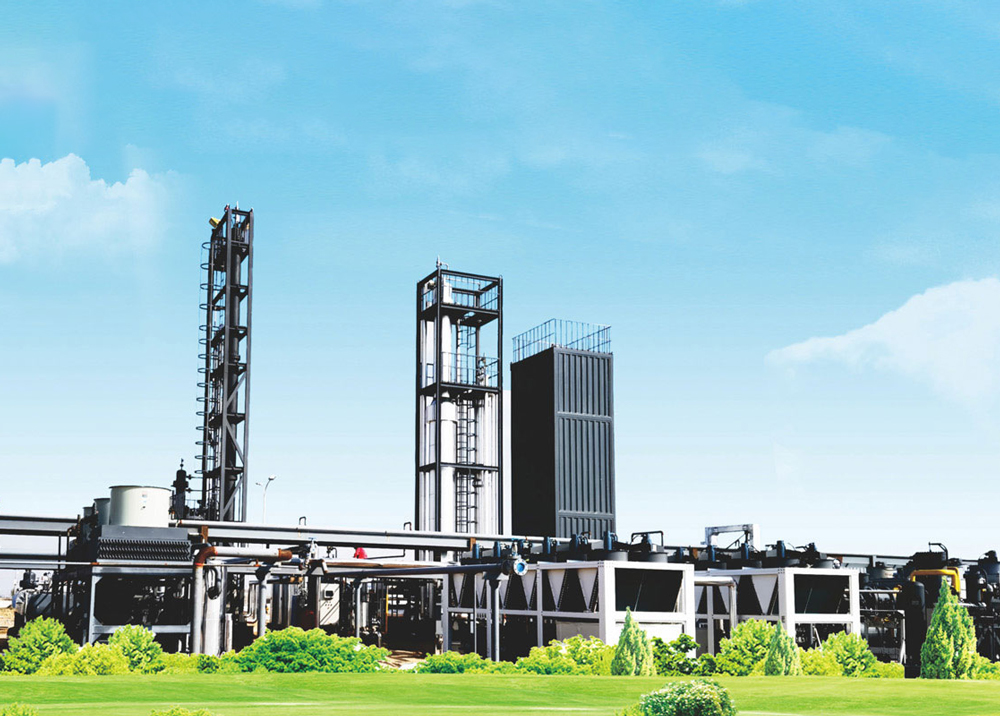
An in-depth look at our advanced cryogenic processes engineered to achieve maximum thermodynamic efficiency.
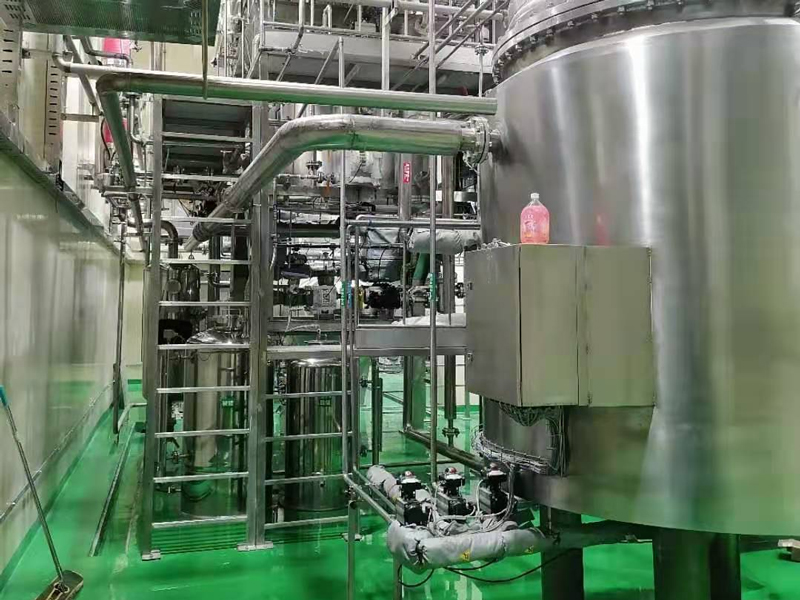
Untreated natural gas contains acid components (H2S, CO2) that freeze at low temperatures and mercury that corrodes aluminum heat exchangers. We deploy advanced MDEA (Methyl Diethanolamine) absorption processes followed by molecular sieve dehydration units and activated carbon beds. Our systems lower moisture content below 1 ppm and CO2 below 50 ppm to guarantee reliable performance downstream.
Depending on the feed gas composition and capacity, we implement the Mixed Refrigerant Cycle (MRC) or Nitrogen Expansion Cycle. MRC utilizes a customized mixture of hydrocarbons (methane, ethane, propane, butane) and nitrogen, matching the cooling curve closely and maximizing thermodynamic efficiency. For remote wellhead applications, the Nitrogen Cycle is preferred due to its safer operating envelope and quick start-up features.
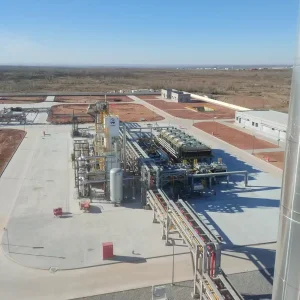
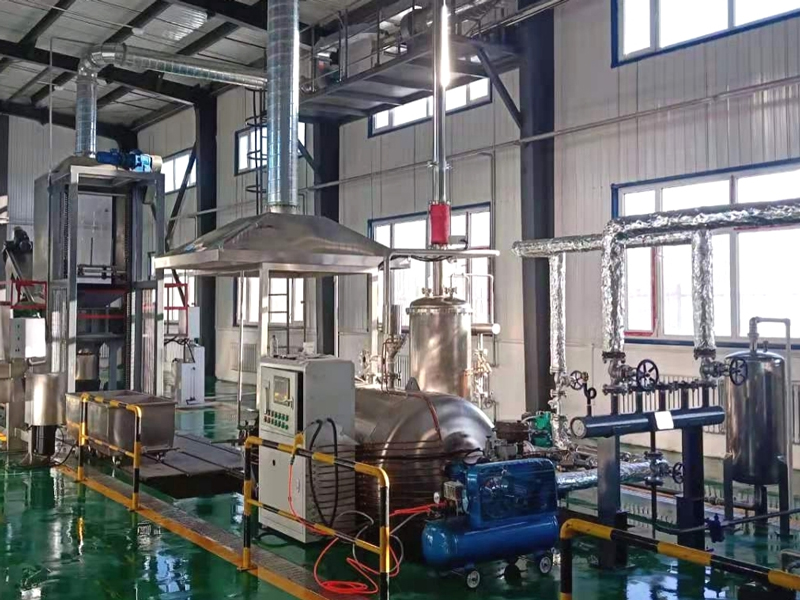
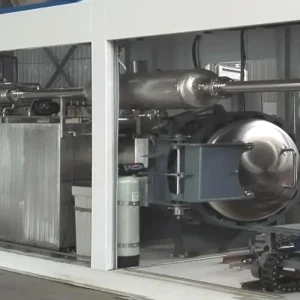
Traditional field construction in remote locations in Sabah or Sarawak presents severe logistics risks. Our plants are entirely pre-fabricated as modular skids, including control valves, heat exchangers, and electrical instrumentation. Factory Acceptance Testing (FAT) ensures minimal piping adjustments during field installation, speeding up commissioning times by up to 50%.
In many gas streams, helium coexists with natural gas. We integrate BOG recovery and helium extraction devices using cryogenic separation. This secondary processing generates additional revenue streams from industrial gas markets, turning standard liquefaction operations into multi-product hubs.
Adapting advanced environmental and energy solutions to Malaysia's geographical and industrial environment.
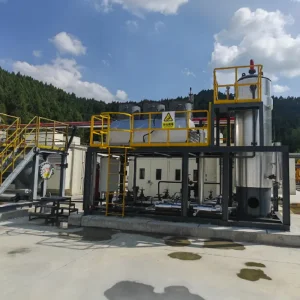
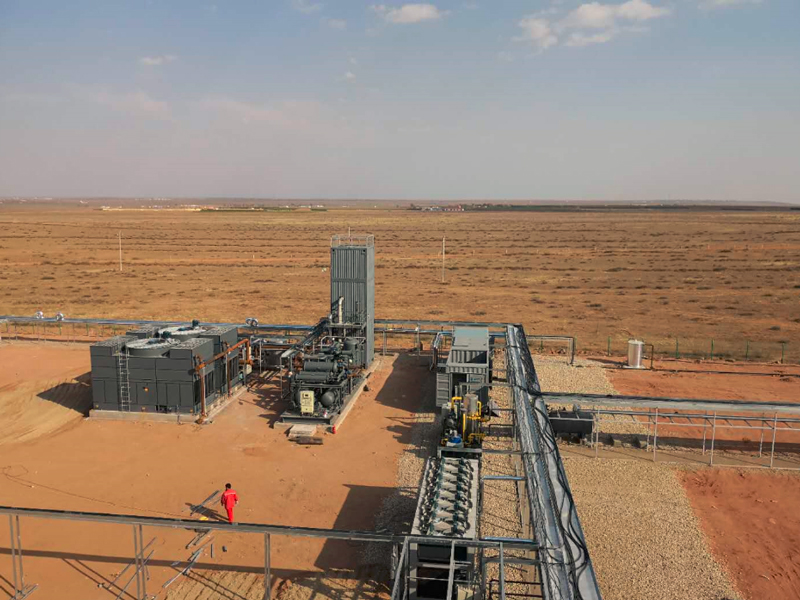
Small gas fields scattered in the South China Sea require light footprint, highly automated modular liquefaction units. Our skid designs are constructed with anti-corrosive marine grade alloys to withstand high humidity and saline atmospheres.
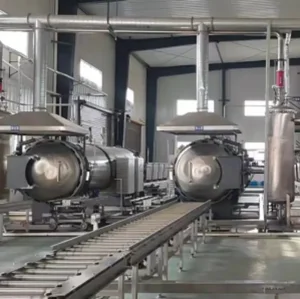
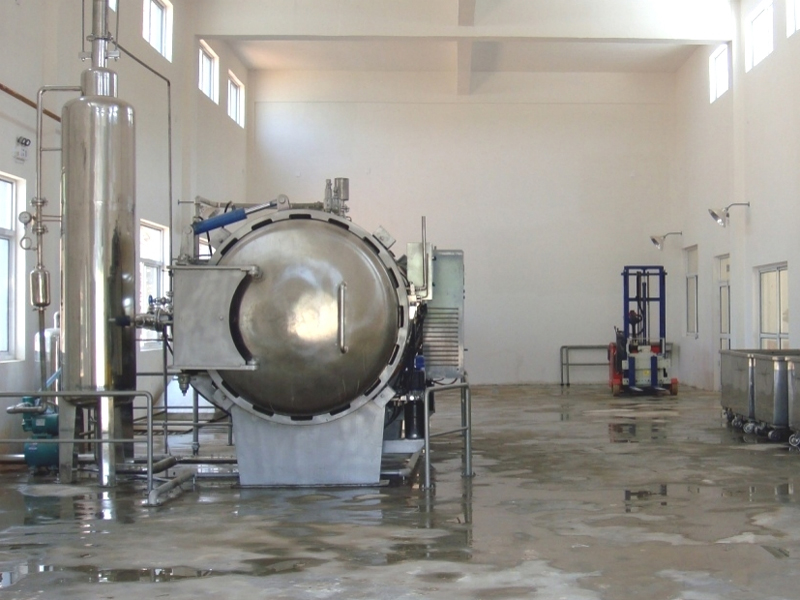
Designed specifically for Malaysia's strict environmental regulations. Our centralized and mobile high-temperature steam sterilization systems process clinical waste safely, preventing biohazard releases without producing harmful incineration emissions.
With hundreds of palm oil mills across the country, capturing methane gas (POME) and upgrading it into Bio-LNG represents a significant frontier. Our purification systems remove CO2/H2S, liquefying it into clean transport fuels.
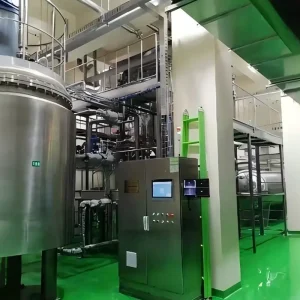
A sample of projects completed under strict international manufacturing standards.
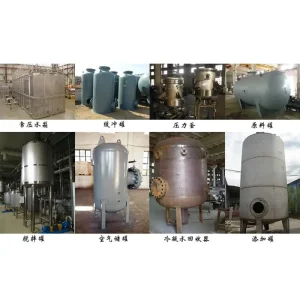
High-precision components built to withstand harsh marine and industrial atmospheres.




We keep exact product configurations online to comply with supply chain transparency standards.
Maintaining complete data lists for industrial sourcing agents across the ASEAN region.
Get direct answers from our academic and senior engineering team on process choices and local regulations.
Consult our engineering team today to review your gas analysis datasheet, capacity targets, and thermodynamic requirements.
Send Inquiry Now Hongke Qingneng