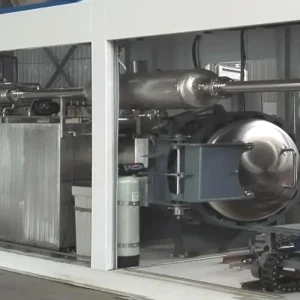
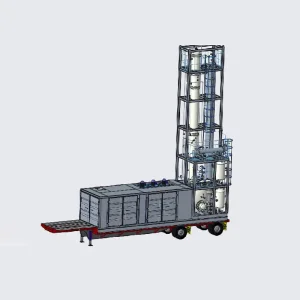
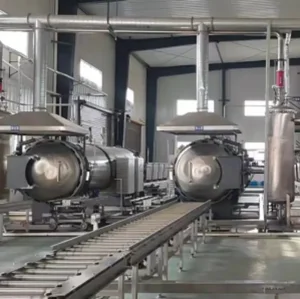
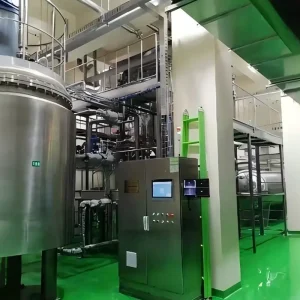
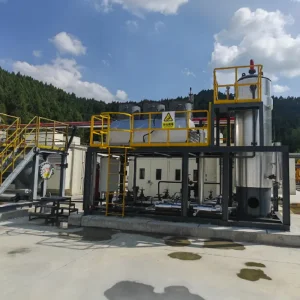
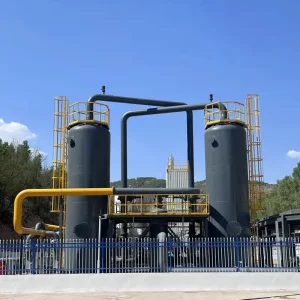
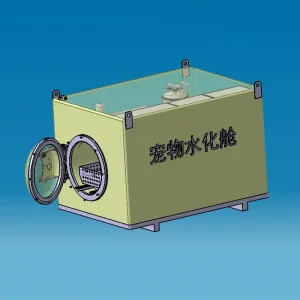
Engineered high-capacity autoclaves, skid-mounted gas treatment systems, and emission control equipment built for Philadelphia's compliance requirements.
The Greater Philadelphia metropolitan area—home to world-renowned healthcare networks, life science research centers, and municipal hospital hubs—generates thousands of tons of biomedical and pathological waste annually. Managing this waste under strict EPA Region 3 mandates and Pennsylvania Department of Environmental Protection (PADEP) regulations poses severe logistical and financial challenges for operators.
Traditional centralized off-site incineration models are subject to soaring transportation liabilities, fuel surcharges, and intensive emission auditing. Mobile medical waste disposal units bridge this operational gap. By sterilizing waste directly at point-of-generation sites across Philadelphia, health systems eliminate transport liabilities, guarantee secure chain-of-custody containment, and achieve substantial operational cost reductions.
By implementing point-of-care mobile treatment systems, academic medical centers and private commercial testing facilities in Philadelphia can process complex waste streams on-demand, reducing physical volume by up to 85% via integrated mechanical shredding.
Backed by elite physical science research institutes, delivering next-generation thermal treatment platforms and non-standard pressure vessel systems.
Established in June 2021 with a registered capital of 78 million yuan, Hebei Hongke Qingneng Environmental Protection Equipment Co., Ltd. is a high-tech manufacturing enterprise operating from the Sanhe Economic Development Zone. We specialize in the R&D and fabrication of high-specification environmental systems, non-standard A2 pressure vessels, biological wastewater systems, animal carcass treatment machinery, and industrial-grade gas recovery equipment.
Ph.D. from the Institute of Physics and Chemistry Technology, Chinese Academy of Sciences (CAS). National Senior Engineer with over two decades of leading state-level "863" aerospace, refrigeration, and energy utilization programs. Awarded the Special Prize of Technological Invention of Chinese Society of Refrigeration and First Prize of Beijing Science and Technology Award.
Ph.D. Candidate & Senior Engineer at the Institute of Physics and Chemistry Technology (CAS). Authored 24 domestic and international SCI/EI academic papers; holds 5 invention patents. Winner of the Special Award of the 7th China Refrigeration Society Technological Invention Award and Silver Medal at the 19th China International Industry Expo.
Doctor of Engineering from the Institute of Physics and Chemistry Technology (CAS). Process architect for multi-stage refrigeration systems, gas recovery loops, and steam thermal transfer mechanics. Pioneer in mixed working media phase change heat transfer characteristics, bridging basic physics with large-scale industrial builds.
Mapping macroeconomic medical waste paradigms onto Philadelphia’s physical and regulatory terrain.
Globally, the treatment of clinical solid waste is undergoing a structural shift away from atmospheric incineration due to tightening dioxin, furan, and particulate emissions limits under global climate accords. High-temperature steam sterilization (autoclaving), coupled with mechanical maceration, is now recognized internationally as the safest and most efficient methodology.
Our skid-mounted and mobile medical waste systems are designed using these global frameworks. Using high-pressure steam at temperature ranges of 134°C - 138°C, they achieve complete microbial inactivation (Log 6 reduction of Geobacillus stearothermophilus spores) without generating hazardous airborne bypass gases.
In Philadelphia, logistics operators navigate highly congested traffic routes, seasonal weather extremes along the Delaware River basin, and strict municipal zoning laws. Standard stationary waste plants are difficult to permit inside city limits.
Hongke Qingneng's mobile, trailer-mounted treatment packages solve these regional constraints. They require minimal footprint, connect directly to utility lines or run fully self-contained using integrated power generation, and provide immediate treatment capability for hospitals, laboratory complexes, and regional disaster hubs in the Delaware Valley.
Decentralized processing with lower carbon footprints and absolute validation capability.
As hospital systems work toward Scope 1, 2, and 3 carbon reduction targets, off-site medical waste transport is increasingly identified as an unnecessary emission driver. Processing biological waste at the hospital loading dock or clinic site drops transit miles to zero.
Our mobile medical waste units feature shred-first autoclaving technology, ensuring steam reaches all internal pockets of materials such as syringes, tubing, and plastic containers. This design reduces waste volume by up to 80-85% while rendering the output unrecognizable and safe for standard municipal landfills, bypassing expensive specialized hazardous landfill disposal fees.
Each system is equipped with continuous data-logging controllers, recording parameters like chamber temperature, vacuum cycles, steam pressure, and exposure time. This automated telemetry yields auditable sterilization logs, simplifying compliance reporting for hospital environmental directors and third-party inspectors.
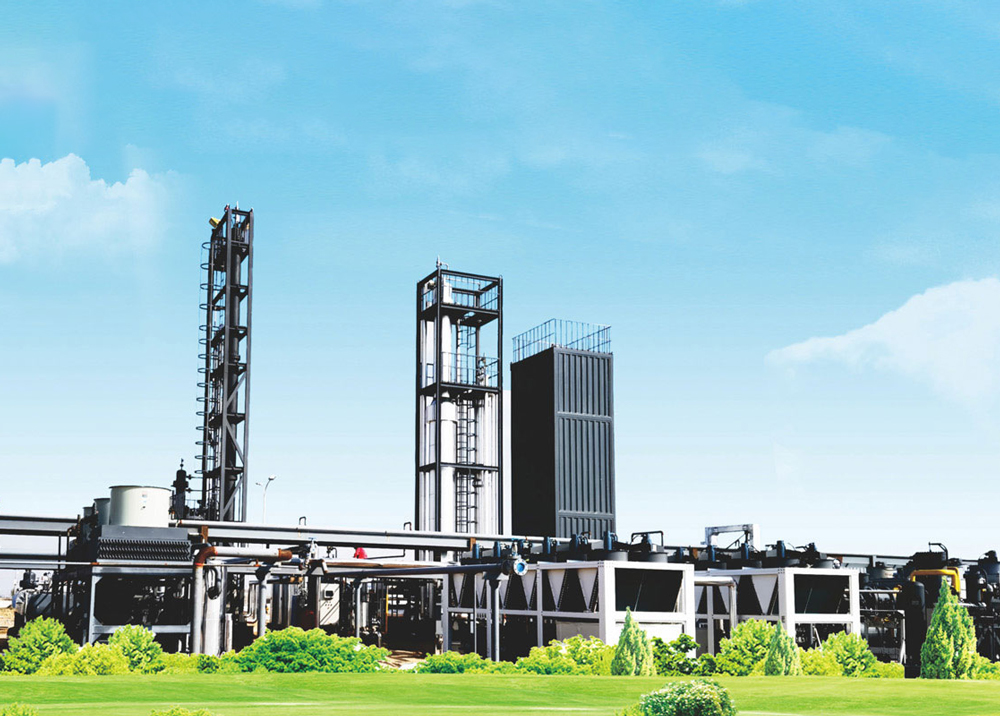
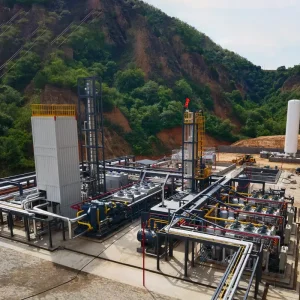
Our high-specification manufacturing facility with A2 pressure vessel production licenses.
Answering technical, regulatory, and mechanical questions about mobile waste processing systems.
High-specification skid systems, environmental recovery units, and specialized pressure vessels.
Work directly with our academic engineering team to specify pressure ratings, feed systems, and compliance options tailored for the Philadelphia market.
Send Inquiry Now Hongke Qingneng