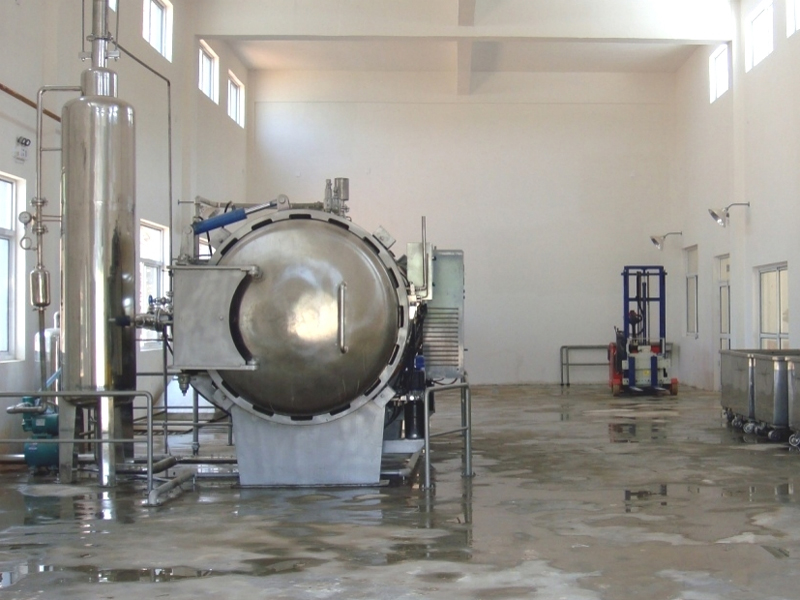
Innovative, environmentally sound, and high-performance processing hardware custom-tailored for Indonesian medical institutions and commercial facilities.
Registered Capital (CNY)
Pressure Vessel License
Skid-Mounted Units Implemented
Sterilization Efficiency Rate
Indonesia, the world's largest archipelagic state comprising over 17,000 islands, faces unique logistical challenges regarding hazardous healthcare waste disposal. Major metropolitan hubs like Jakarta, Surabaya, and Bandung generate tons of daily biomedical waste, which is governed under strict regulations set by the Ministry of Environment and Forestry (KLHK), including the landmark Ministerial Regulation No. P.56/2015. This legal framework dictates rigorous guidelines for the disposal of hazardous and toxic waste (B3 waste) from healthcare facilities.
Historically, incineration was the default method. However, due to geographical fragmentation and strict AMDAL (Environmental Impact Assessment) policies, regional centers struggle with centralized incinerator operations. Air pollution control requirements have pushed the industry towards non-incineration technologies. Decentralized, skid-mounted, or mobile high-temperature steam sterilization (autoclaving) combined with automated shredding is increasingly recognized as the safest, most economical, and compliant path forward.
Mobile autoclaves eliminate the hazardous transit of infectious waste across oceans from remote island clinics to mainland incinerators.
Complete pathogen destruction without harmful stack emissions, securing smooth environmental audits and AMDAL certifications.
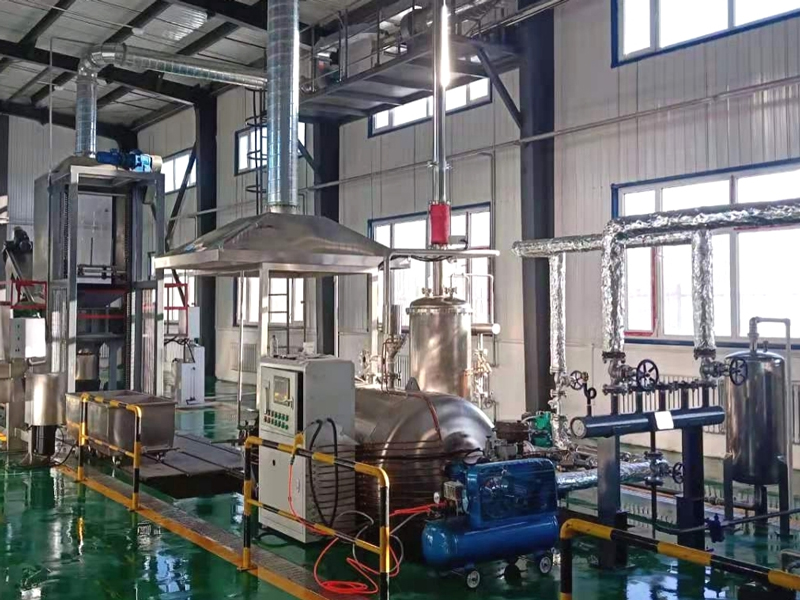
Hebei Hongke Qingneng Environmental Protection Equipment Co., Ltd. (established in June 2021, registered capital of 78 million yuan) brings together elite scientific minds from prestigious Chinese institutions to revolutionize environmental hardware.
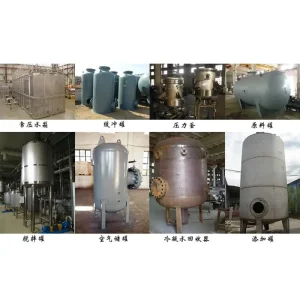
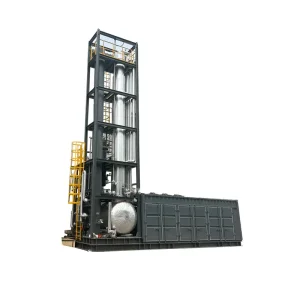
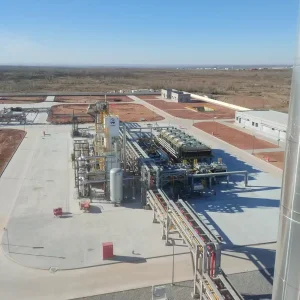
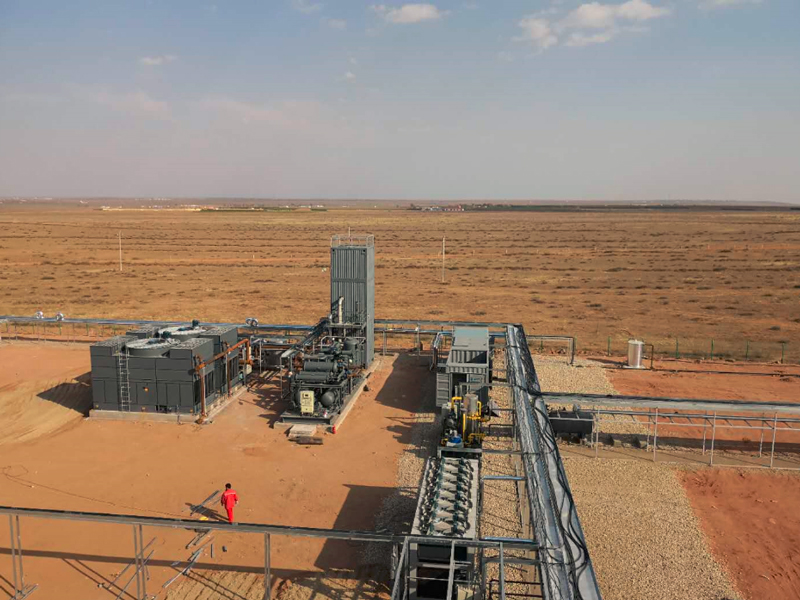
Operating from our state-of-the-art industrial base within the Sanhe Economic Development Zone, Langfang City, we design and manufacture class-leading pressure vessels, medical waste treatment machinery, natural gas purification systems, and cryogenic refrigeration systems. Our technological superiority stems from our core R&D partnerships and leadership team:
Awarded the Special Prize of Technological Invention by the Chinese Society of Refrigeration and the First Prize of the Beijing Science and Technology Award. Dr. Sun has successfully applied dozens of invention patents to large-scale gas and environmental projects nationwide.
Specialist in thermal engineering and system design. Author of 24 international papers (including 11 SCI/EI). Recipient of the Beijing Science and Technology First Prize and Silver Medalist of the 19th China International Industry Expo.
Expert in theoretical modeling and practical implementation of skid-mounted thermal recovery and high-pressure steam mechanics. Led the development of mixed working medium systems and custom pressure vessels.
Uncompromising engineering standards backed by national licenses and global compliance metrics.
We hold the A2 Level Pressure Vessel Manufacturing License, Pressure Pipeline Component Manufacturing License, GB/T19001-2016 Quality Management Certification, and Sinopec HSSE / China Petroleum Safety Management approvals.
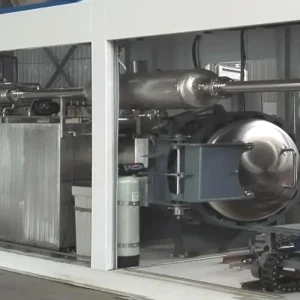
All mobile equipment is built on robust, heavy-duty structural steel skids with integrated vibration dampening, pre-wired instrumentation, and automated PLC control systems for plug-and-play operations in rugged terrains.
By transitioning from incineration to vacuum autoclaving, our systems produce zero hazardous dioxins, reduce greenhouse gas emissions by up to 75%, and enable post-shredded material recycling.
Beyond mobile medical waste equipment, Hongke Qingneng is a premier global provider of thermal, gas, and refrigeration equipment.

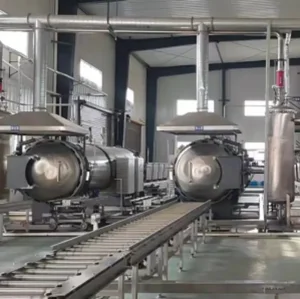
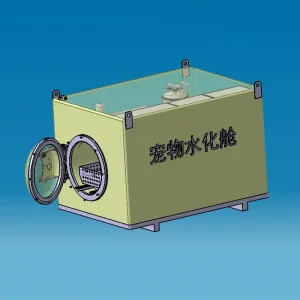
Centralized autoclaves, mobile vehicle-mounted sanitizers, and safe animal tissue processing machinery.

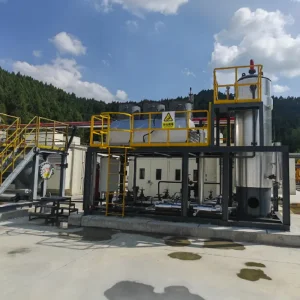
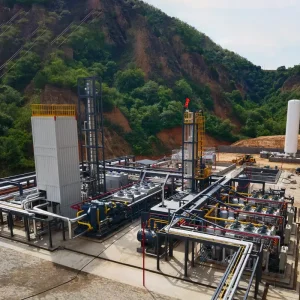
Skid-mounted LNG liquefaction, desulphurisation, and gas purification (CO2/H2S/H2O removal) skids.

Custom shell-and-tube heat exchangers, vacuum cold traps, experimental benches, and ASME tanks.

Ultra-low temperature chillers (-40℃ to -180℃), industrial freeze dryers, and helium extraction systems.
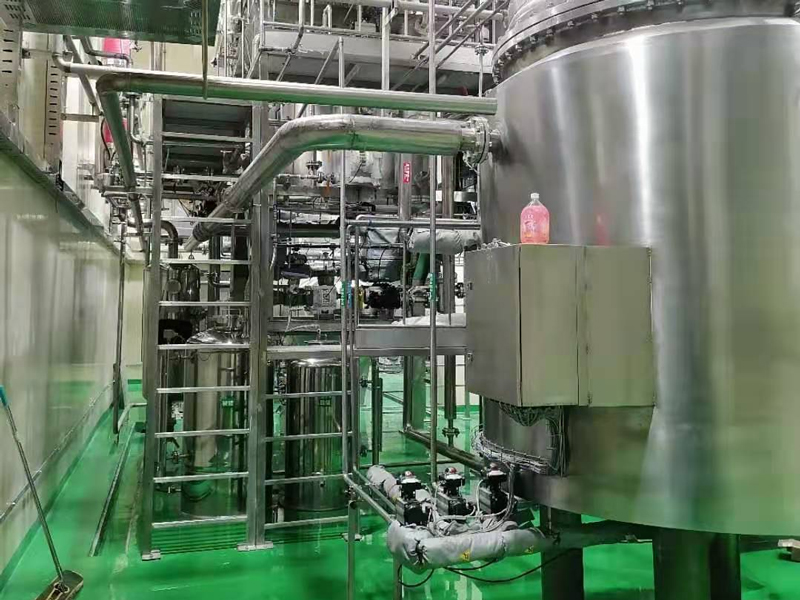
High-integrity industrial solutions manufactured in our A2-licensed production plant.
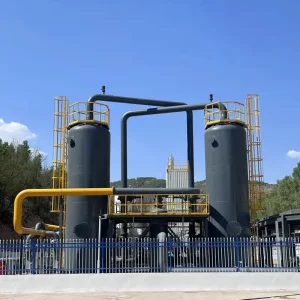
Deploying technological innovations to address severe environmental and energy concerns worldwide.
Our mobile medical waste disposal units employ advanced high-temperature steam sterilization (vacuum autoclaving). This process utilizes saturated steam under pressure to denature microbial proteins and eliminate pathogens, achieving a verified Log 6 (99.9999%) reduction in bacterial spores (specifically Geobacillus stearothermophilus).
Unlike traditional incineration, autoclaving does not produce harmful acid gases, heavy metal fly ash, or organic pollutants, making it the preferred choice for green development.
Highly insulated pressure vessels combined with heat recovery exchangers significantly reduce utility requirements compared to fuel-guzzling burners.
PLC-based touchscreen systems capture cycle temperature, pressure, time, and F0 values. These systems generate records that comply with Indonesian environmental audits.
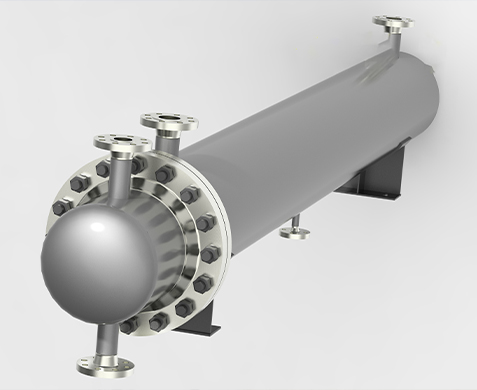
Operating out of Langfang's Sanhe Economic Development Zone, Hebei Hongke Qingneng leverages China's industrial infrastructure to deliver unmatched value to the Indonesian market:
To successfully integrate our equipment into the Indonesian regulatory and commercial landscape, we offer specific localized features:
Our mobile units can be mounted on heavy-duty, multi-axle trailers with integrated diesel generators and water storage tanks. This allows them to navigate rugged roads in rural Sumatra, Kalimantan, or Sulawesi without relying on local power grids.
Given Indonesia's high relative humidity and coastal salinity, our cabinets, structural skids, and electrical enclosures are fabricated from marine-grade 316L stainless steel and treated with anti-corrosion marine coatings.
We supply comprehensive design books, structural drawings, sterilization validation data, and exhaust filtration specifications. This documentation helps local operators secure AMDAL approval and B3 treatment permits from the Ministry of Environment and Forestry.
Our engineers provide on-site commissioning, operator training, and local biological test protocols (using *Geobacillus stearothermophilus* ampoules) to verify equipment compliance before official handover.
Key technical and commercial answers regarding mobile medical waste disposal equipment in Indonesia.
KLHK P.56/2015 requires all non-incineration technologies to achieve a minimum of Log 4 disinfection, complete shredding of sterilized items, and zero toxic emissions. Our high-temperature steam sterilization systems operate at 134°C under 0.22 MPa pressure for 45 minutes, delivering a Log 6 reduction. Integrated heavy-duty shredders render waste completely unrecognizable and reduce volume by 80%, ensuring compliance with landfill acceptance criteria.
Our containerized mobile units are self-contained. The utility requirements depend on the installation site: a flat concrete pad (minimum 6m x 3m), a 3-phase power supply (or we can integrate a generator), a clean water supply line, and a connection to a wastewater treatment system. If local water quality is poor, we can include integrated softeners and filtration systems.
Autoclaves are ideal for infectious waste, sharps, laboratory waste, plastic tubing, gowns, and dressings. However, per international standards and KLHK regulations, they are not suitable for volatile organic chemical waste, radiological waste, or cytotoxic drugs. For pathological tissue waste, we provide customized, high-temperature alkaline hydrolysis chambers.
Each cycle is recorded by a PLC system that logs temperature, pressure, and time. Biological validation is performed using *Geobacillus stearothermophilus* spore indicators. These indicators are placed inside test packs during cycles and incubated to verify complete sterilization.
Yes. We supply critical spare parts (seals, filters, heating elements, valves) with each shipment. Additionally, our engineering team provides remote PLC diagnostics and works with local technical partners in Indonesia to deliver prompt on-site maintenance.
Standard containerized autoclaves are built and tested within 60 to 90 days of order confirmation. Custom pressure vessels fabricated to ASME or custom requirements may take 90 to 120 days, depending on approval processes and engineering design. Sea transit to main Indonesian ports takes approximately 12 to 18 days.
Contact our engineering sales team to request a customized quote, review detailed system drawings, or discuss your facility's specific regulatory requirements.
Send Inquiry Now Hongke Qingneng