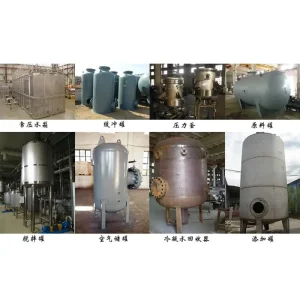
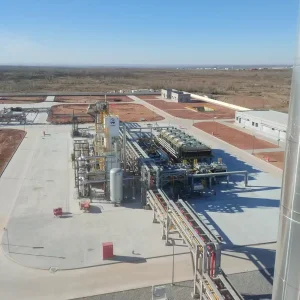
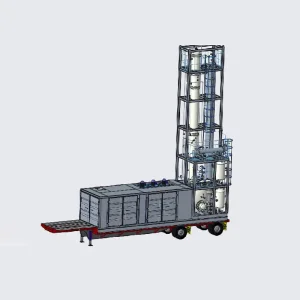
Engineered to international specifications, these non-standard pressure vessels and integrated skids provide high-performance operations across petrochemical plants, animal laboratories, and LNG terminals throughout Saudi Arabia.
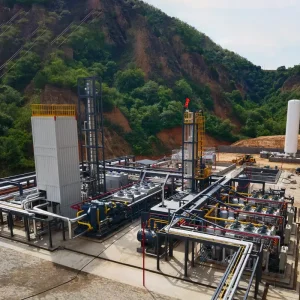
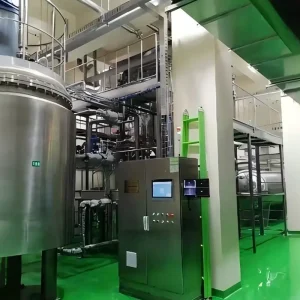
An in-depth analysis of Riyadh's rapid industrialization, the evolution of non-standard pressure vessel manufacturing standards, and how Sino-Saudi partnerships are accelerating project delivery timelines.
Under the ambitious mandate of Saudi Vision 2030, Riyadh is undergoing an unprecedented conversion from a regional administrative capital into a sprawling global industrial and logistics hub. The expansion of the Sudair Industrial City, the Riyadh Second Industrial City, and neighboring oil and gas corridors has created a critical bottleneck for customized, high-specification equipment. Central to this transformation is the downstream expansion of petrochemical installations, localized pharmaceutical synthesis facilities, and extensive natural gas networks supplying power generation plants.
Standardized, catalog-bought pressure vessels consistently fall short when confronted with the complex thermal, chemical, and pressure profiles of modern process plants. Non-standard pressure vessels—individually engineered reactors, fractionating columns, high-temperature fermenters, separators, and storage systems—are the primary structural pillars of these production systems. As Riyadh increases its local chemical conversion rates and ramps up natural gas processing capacities (such as the nearby unconventional gas plays), the demand for high-integrity, tailor-made pressure vessels has escalated dramatically.
In this high-stakes industrial ecosystem, sourcing critical process hardware from certified Chinese manufacturers offers significant strategic benefits. Factories like Hebei Hongke Qingneng Environmental Protection Equipment Co., Ltd. combine deep academic research collaborations with highly automated fabrication facilities. By partnering with leading Chinese research centers—including Tsinghua University and the Institute of Physics and Chemistry Technology, Chinese Academy of Sciences (CAS)—Hongke Qingneng bridges the gap between complex thermodynamic theory and practical mechanical application.
This integration results in process hardware that features optimized fluid dynamics, superior thermal performance, and strict compliance with the American Society of Mechanical Engineers (ASME) standards. Our A2-level pressure vessel manufacturing license, pipeline component certifications, and ISO certifications ensure that all fabricated equipment meets the rigorous safety requirements demanded by Saudi Arabian engineering, procurement, and construction (EPC) management companies.
The global process equipment sector is undergoing a rapid transition toward digital integration and clean operations. Modern industrial operations now require vessels designed to reduce carbon footprints, minimize fugitive emissions, and withstand harsh chemical processes. Here are the key technical developments shaping this sector:
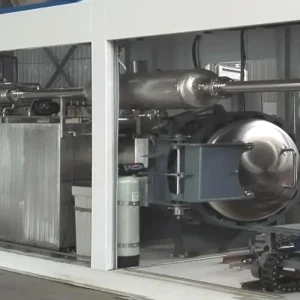
Moving away from field-welded construction, plant operators in Riyadh are prioritizing fully skid-mounted, factory-tested assemblies. This reduces site integration work, minimizes downtime, and ensures that critical components are calibrated in a controlled setting prior to shipment.
To resist sour gas (H2S-rich) degradation, modern vessels use advanced clad plates, duplex stainless steel alloys, and custom post-weld heat treatment (PWHT) methods to prevent stress corrosion cracking.
Our VOC exhaust treatment and industrial refrigeration lines (operating down to -180 °C) integrate multi-stage heat recovery systems. This recovers waste heat or cryo-energy to offset the facility's overall utility demands.
A trusted technical partner specializing in environmental protection equipment, process vessel fabrication, and advanced gas treatment solutions.
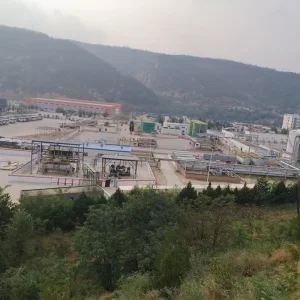
Established in June 2021 with a registered capital of 78 million yuan, Hebei Hongke Qingneng Environmental Protection Equipment Co., Ltd. has quickly become a leader in industrial process equipment design. Based in the Sanhe Economic Development Zone, Langfang City, our advanced production hub is focused on high-efficiency, environmentally friendly process technologies.
We specialize in the design, engineering, and manufacturing of non-standard pressure vessels, medical waste treatment systems, animal tissue hydrolysis units, chemical tail gas units, and industrial refrigeration equipment (-40 ℃ to -180 ℃). By integrating scientific research with advanced manufacturing, we provide global markets, including Riyadh, with high-quality process equipment.
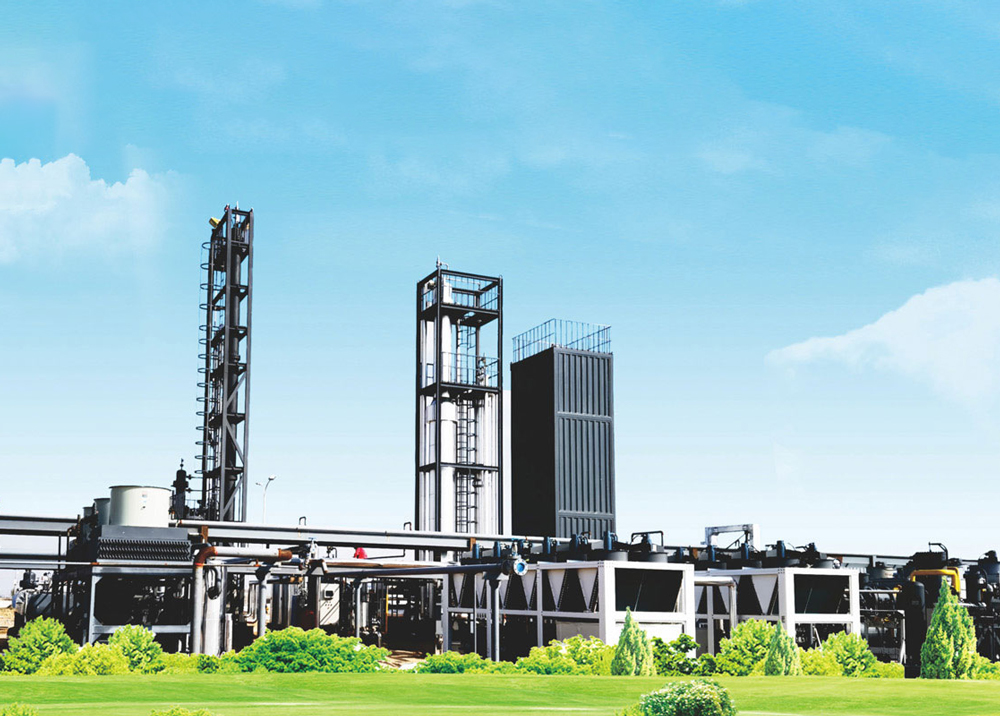
Our engineering division is led by recognized specialists with advanced degrees from China's top academic institutions:
From deep-desert natural gas desulfurization to centralized city-scale biosecurity systems, our customized equipment handles the challenging process environments in Saudi Arabia.
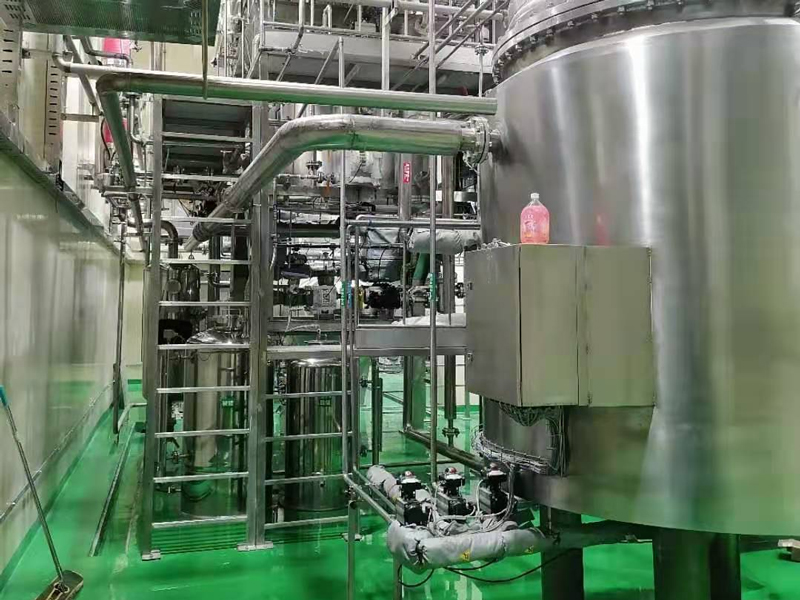
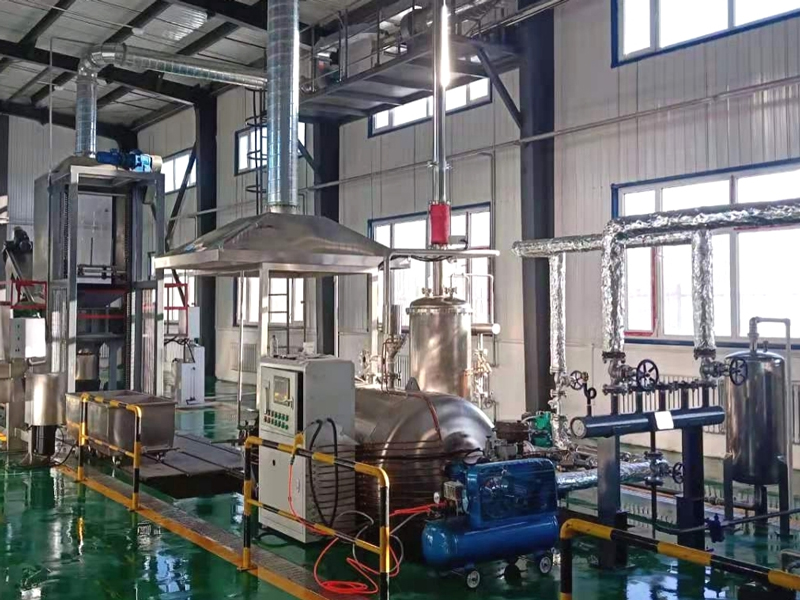
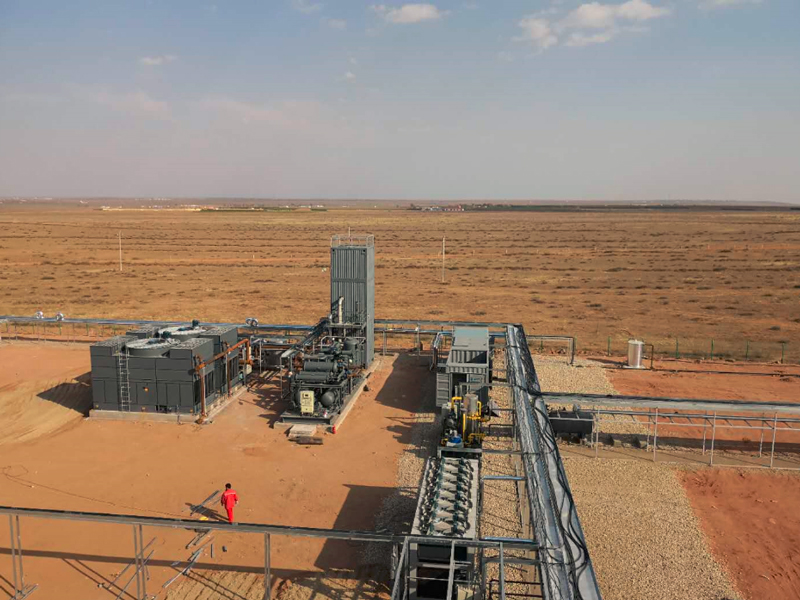
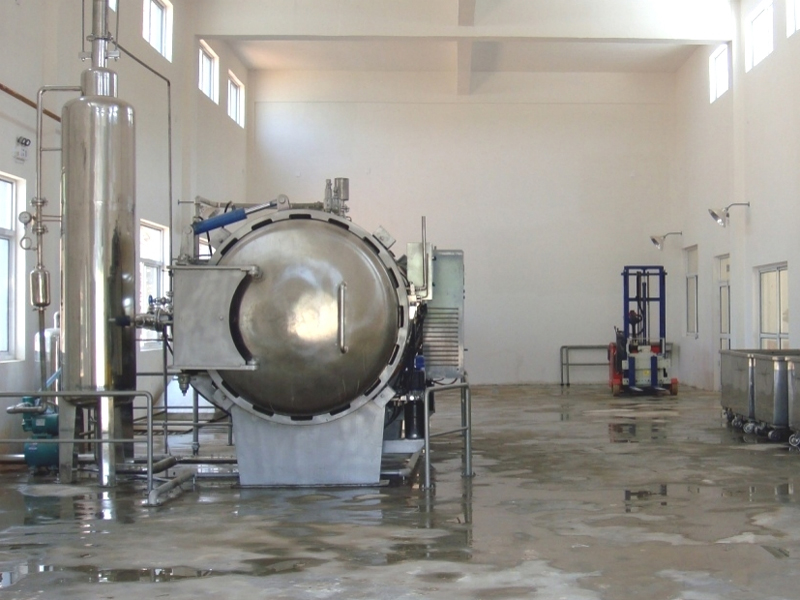
Our engineering division works closely with EPC clients in Riyadh to deliver fully integrated process units. By fabricating in a controlled facility, we perform extensive quality control checks—including ultrasonic, radiographic, and magnetic particle non-destructive testing—to guarantee performance before shipping.
In addition, our cryogenic units are pre-assembled on heavy structural steel skids. These packages are configured for direct placement on concrete foundations at Saudi plant sites, minimizing local construction delays and streamlining final commissioning.
Answers to technical, regulatory, and logistics questions commonly asked by EPC contractors and purchasing departments in Saudi Arabia.
Explore our wider range of thermal treatment equipment, gas processing solutions, and custom non-standard vessels engineered for maximum uptime.
 Hongke Qingneng