Engineered for high mobility, rapid site installation, and peak performance under harsh environmental conditions across Mexico.
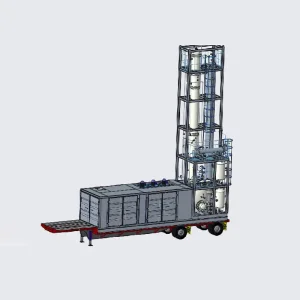
Fully modular LNG plants mounted on heavy-duty mobile skids, engineered to comply with NOM safety parameters for rapid mobilization in central Mexico.
Self-contained liquefaction units optimized for high thermal efficiency, suitable for virtual pipelines supporting Bajío manufacturers.
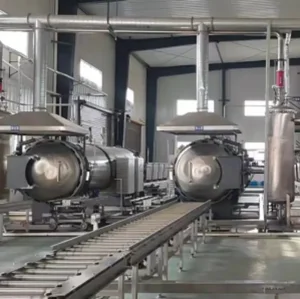
Automated high-temperature sterilization technology designed to treat biomedical waste safely at metropolitan hospital complexes.
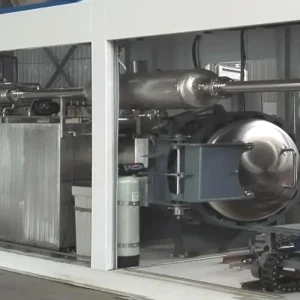
Trailer-mounted steam sterilization units offering rapid deployment for isolated healthcare networks and regional clinics.
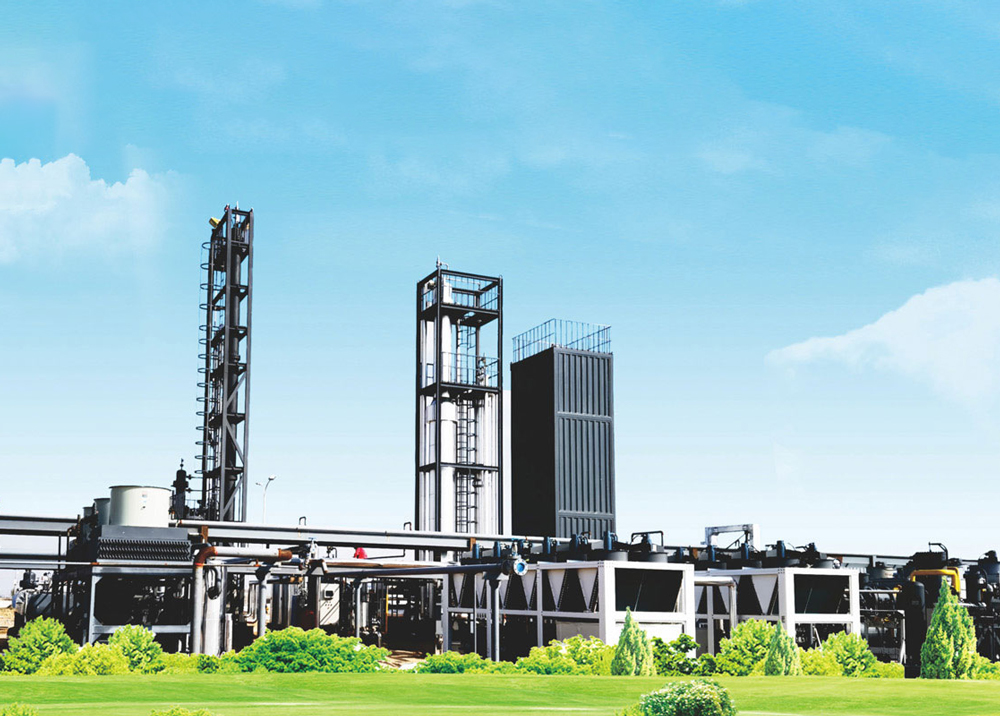
Established with a registered capital of 78 million yuan, Hebei Hongke Qingneng Environmental Protection Equipment Co., Ltd. is a leading engineering and fabrication force located in the Sanhe Economic Development Zone, Langfang City. We focus on the design, manufacturing, and global deployment of various pressure vessels, skid-mounted natural gas purification and liquefaction facilities, and environmental protection equipment.
By leveraging advanced thermodynamic technology from China's top academic institutions—including Tsinghua University and the Institute of Physics and Chemistry Technology of the Chinese Academy of Sciences (CAS)—our systems represent the cutting edge of industrial efficiency. We support international markets, notably Mexico, by offering tailored modular installations that adapt to complex feed gas compositions and local regulatory conditions.
Connect With Our Technical TeamHow the nearshoring boom, pipeline limits, and virtual pipelines are transforming natural gas infrastructure across Mexico's manufacturing corridors.
The influx of global manufacturing centers into Nuevo León, Coahuila, and the Bajío region has created a surge in energy demand. Local natural gas grid expansions are slow and costly. Our truck-mounted and skid-mounted LNG plants act as a direct alternative, allowing factories to secure clean, reliable energy without relying on centralized pipelines.
Extreme weather and geopolitics can disrupt US pipeline imports to Mexico. By establishing decentralized liquefaction terminals, Mexican energy distributors can build local LNG reserves. These systems store gas during low-cost periods and distribute it via trailer-mounted virtual pipelines to ensure continuous operations.
In southern regions like Veracruz and Tabasco, remote wells flare valuable gas due to a lack of pipeline access. Our modular, truck-mounted liquefaction skids allow operators to capture and liquefy this gas on-site, converting an environmental hazard into a commercial asset.
Led by PhD scientists and cryogenic engineers from the Chinese Academy of Sciences (CAS), driving innovation in modular liquefaction plants.
A senior national engineer who has led major science and technology initiatives under the National 863 Program. Dr. Sun's research in engineering thermodynamics has earned several awards, including the Beijing Science and Technology Award and the Special Prize of Technological Invention from the Chinese Society of Refrigeration. He oversees the application of advanced thermodynamic systems to modular, high-capacity LNG plants.
Zou Xin specializes in structural integration and commercial management for cryogenic equipment. He has published 24 academic papers (11 indexed in SCI/EI) and holds 5 patents in thermodynamics. His work in modular gas recovery earned the Silver Medal at the 19th China International Industry Expo, helping bring CAS research to industrial applications in international markets.
Dr. Cheng is a specialist in multi-phase heat transfer and flow characteristics of mixed refrigerants. He has designed and built over 50 sets of small-scale skid-mounted liquefaction installations globally. His developments in mixed refrigerant cycle (MRC) technology make it possible for our plants to handle diverse gas compositions while maintaining high thermodynamic efficiency.
Registered Capital (RMB)
Skid-Mounted Units Deployed
Patents and IP Rights
Pressure Vessel License
Our process engineered for modular, reliable, and high-efficiency liquefaction of natural gas in the field.
Removes acid gases (H2S, CO2), water, heavy hydrocarbons, and mercury. Our custom separation skids utilize amine absorption and molecular sieve beds, ensuring the gas is ready for cryogenic temperatures without freezing or fouling.
Utilizes our Mixed Refrigerant Cycle (MRC) system. By optimizing nitrogen, methane, ethylene, propane, and isopentane fractions, we minimize power consumption at the main compressor, lowering overall operational costs.
Components are pre-piped and pre-wired on structural steel skids with high-vacuum cold boxes. This robust design protects critical systems from dust, wind, and ambient heat during transport and operations.
Integrated with PLC and SCADA control rooms, allowing operators to monitor pressure, temperature, and flow rates remotely. Safety systems include automatic shutoffs and fire and gas detection that comply with international standards.
Proven project deployments showcasing clean energy and municipal solutions designed for high efficiency.
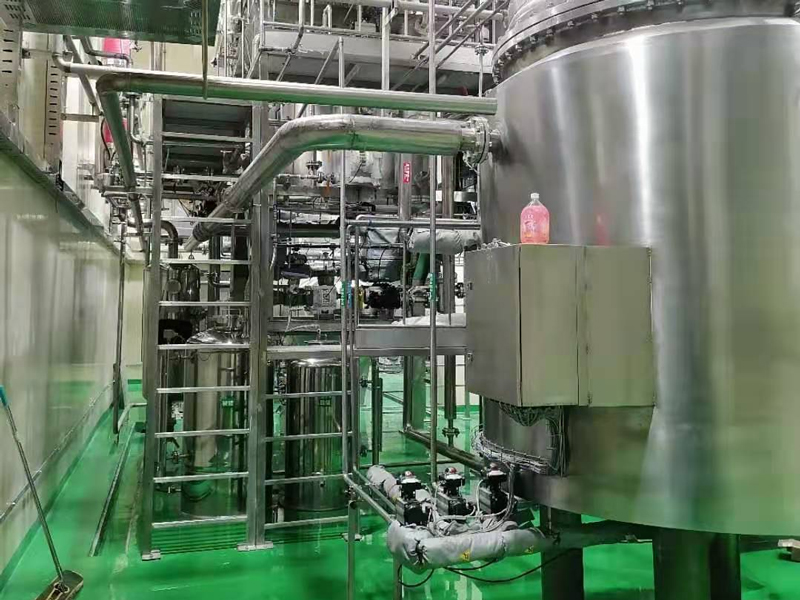
High-temperature sterilization system configured for bio-safety compliance at research institutions in Mexico.
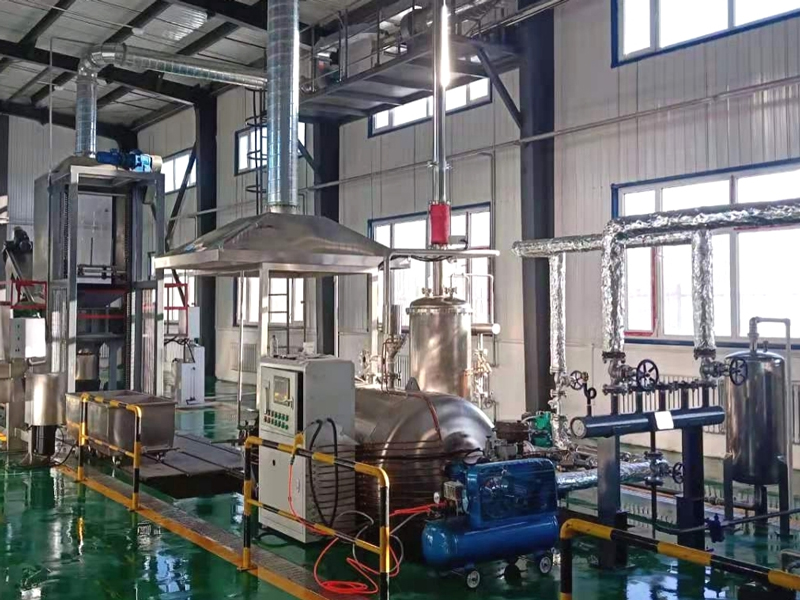
Trailer-mounted steam sterilization unit providing waste processing for regional public clinics.
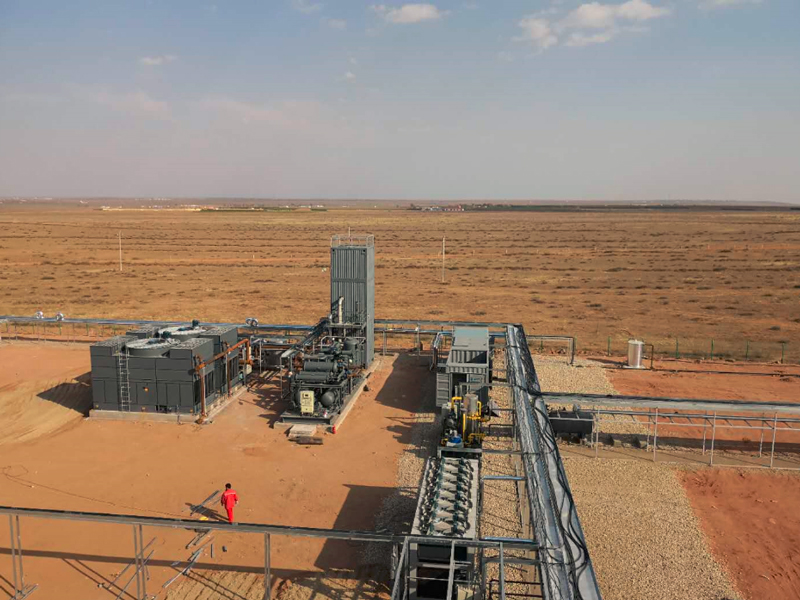
Skid-mounted plant capturing flare gas to produce vehicle-grade LNG for regional shipping fleets.
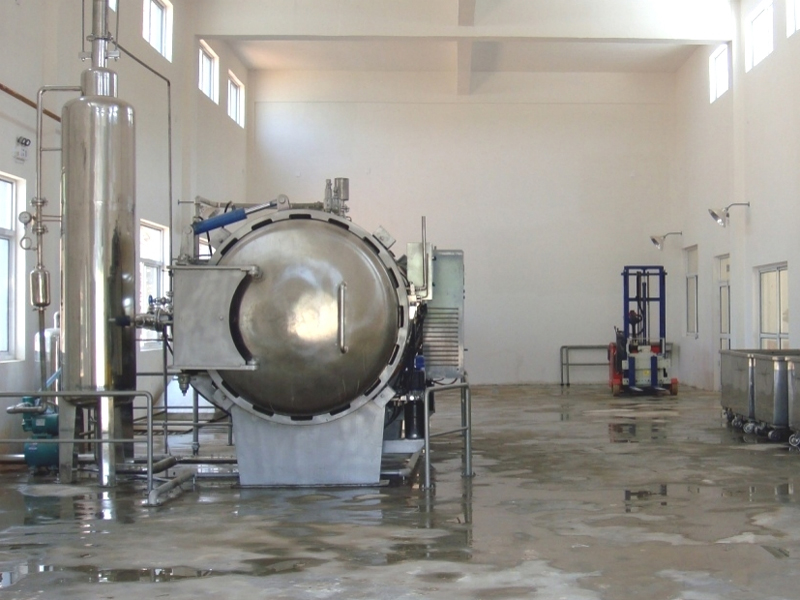
High-volume medical waste treatment center handling clinical residues for major municipal hospitals.
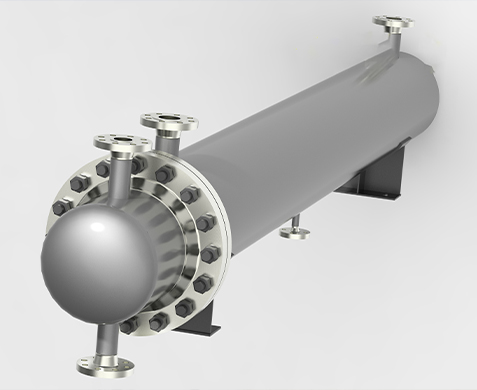
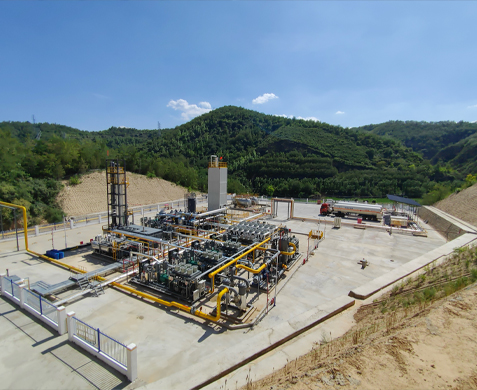
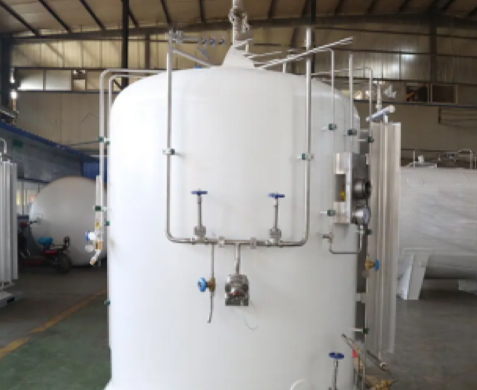
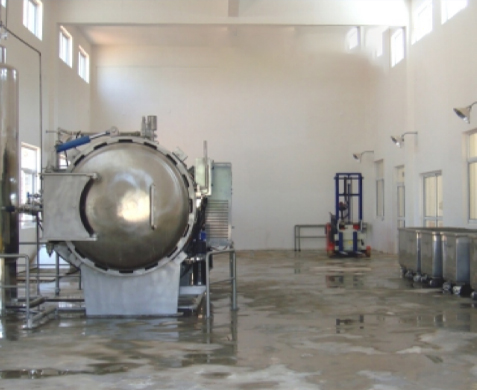
Combining cost-effective manufacturing with strict international standards for reliable project execution.
Our facility in the Langfang Economic Development Zone benefits from integrated supply chains for high-grade steel, cryogenic valves, and instruments.
We build our equipment to align with the regulatory standards required for operations in Mexico.
We work with local engineering and EPC partners in Mexico to ensure safe installation and smooth startups.
Essential technical information regarding modular LNG installations, operation, and logistical processes.
We manufacture modular systems starting from 10,000 Nm3/day up to 200,000 Nm3/day. A standard 50,000 Nm3/day plant consists of three primary skids—purification, liquefaction, and compression—occupying approximately 1,200 square meters. The modular design simplifies transport and reduces on-site foundations.
Our custom purification systems utilize a chemical solvent absorption cycle (MDEA or mixed amines) to reduce CO2 content to under 50 ppm and H2S to under 4 ppm. When needed, we integrate polishing beds containing molecular sieves to protect downstream liquefaction cold boxes from freezing.
Yes. All pressure vessels and high-pressure piping are designed, fabricated, and stamped in accordance with ASME Boiler and Pressure Vessel Code (ASME Section VIII). The structural skids are engineered to meet NOM-013-SECRE and SEMARNAT guidelines, ensuring compliance with Mexican environmental and safety authorities.
Our Mixed Refrigerant Cycle (MRC) systems are designed for high ambient performance. We utilize air-cooled or closed-loop water-cooled heat exchangers sized for temperatures up to 45°C, ensuring the plant maintains nominal liquefaction capacity during peak summer conditions.
Manufacturing and Factory Acceptance Testing (FAT) at our Langfang facility typically take 5 to 7 months, depending on the plant capacity. Ocean transport to Mexican ports like Veracruz, Altamira, or Manzanillo takes about 35 to 45 days. On-site installation and commissioning generally require 4 to 6 weeks.
Yes. We provide commissioning spare parts and a two-year operational wear package with every system. Our engineering team can assist with remote diagnostics and monitoring, while field service technicians are available to support major maintenance activities on-site.
Our complete line of purification, waste treatment, and non-standard pressure equipment designed to support industrial operations.
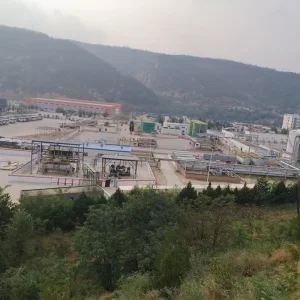
Industrial recovery systems designed to capture volatile organic compounds (VOCs) and reduce emissions at chemical facilities.
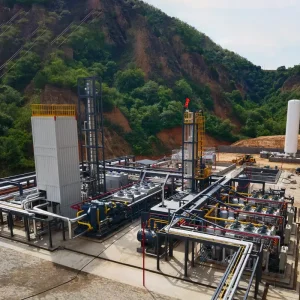
Cryogenic liquefaction systems built to process shale gas and coalbed methane from unconventional reservoirs.
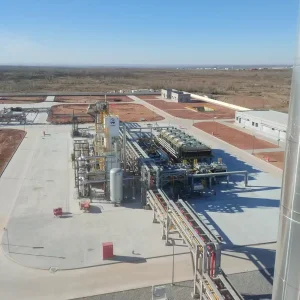
Turnkey support services, from initial thermodynamic modeling and design to long-term operational optimization.
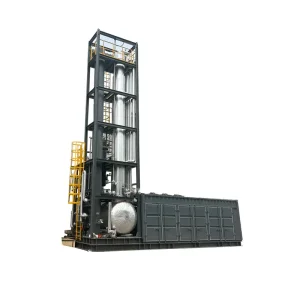
Integrated purification skids featuring chemical absorption and molecular sieve beds to remove H2S, CO2, and water.
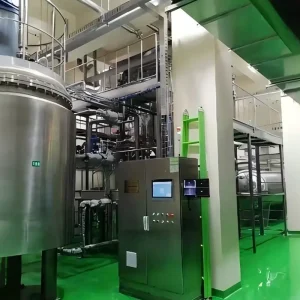
Biosecure hydrolysis systems designed for safe containment and processing at laboratories and agricultural sites.
Cryogenic process systems built on structural skids, optimized for easy mobilization to remote wells and fields.
Pre-assembled and pre-wired liquefaction plants configured to minimize on-site installation time and civil works.
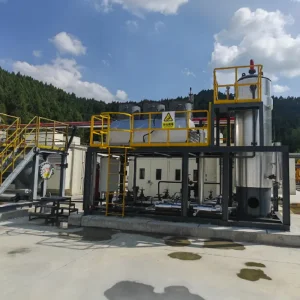
Recovery units designed to capture low-pressure associated gas, reducing flaring and converting waste to usable fuel.
 Hongke Qingneng