Explore our state-of-the-art pressure vessels and processing assemblies designed to meet rigorous global standards.
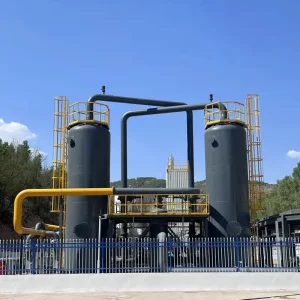
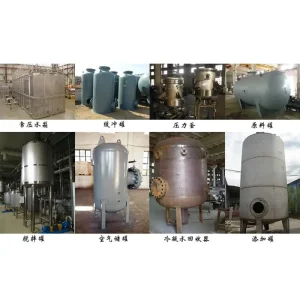
In high-pressure and thermal processing industries, autoclave vessels act as the foundational cornerstone for high-temperature sterilization, chemical synthesis, curing, and bio-waste remediation. Globally, the demand for advanced autoclave systems has transitioned from simple, manually operated vessels to highly automated, smart pressure components that integrate multi-sensor telemetry, precise thermal profiling, and strict structural compliance under fluctuating operational stresses.
Purchasing authorities and EPC (Engineering, Procurement, and Construction) contractors globally now prioritize structural lifecycle performance, thermal efficiency, and standardized compliance certifications (like ASME Section VIII, CE-PED, and GB150) over initial procurement costs. This shift is driven by the rising need for operational reliability, zero-leakage safety barriers, and carbon-reduction targets. By integrating advanced thermodynamic profiles, modern pressure vessels reduce fuel consumption by up to 25% through optimized cycle durations and localized thermal recovery systems.
Backed by the Institute of Physics and Chemistry Technology of the Chinese Academy of Sciences (CAS), our design team translates high-level engineering research into reliable industrial applications.
Dr. Sun holds a PhD from the Institute of Physics and Chemistry Technology, Chinese Academy of Sciences (CAS). As a National Senior Engineer, he has presided over the National 863 Program and key aerospace projects. His innovations have earned the First Prize of Science and Technology of the China Coal Industry (2013) and the Special Prize of Technological Invention of the Chinese Society of Refrigeration (2015).
Dr. Zou is a Senior Engineer and PhD candidate at CAS. He has managed several major science and technology initiatives under the "12th Five-Year Plan" and the National Natural Science Foundation. He has published 24 academic papers (11 indexed in SCI/EI) and holds 5 patents, along with winning the Beijing Science and Technology Award First Prize.
Dr. Cheng obtained his Doctor of Engineering from the CAS Institute of Physics and Chemistry Technology. He is a leading authority on skid-mounted natural gas liquefaction systems. His research into the phase change heat transfer characteristics and flow behaviors of mixed working mediums has won multiple municipal and national refrigeration society awards.
Established in June 2021 with a substantial registered capital of 78 million yuan, Hebei Hongke Qingneng Environmental Protection Equipment Co., Ltd. is located in the Sanhe Economic Development Zone, Langfang City, Hebei Province. We focus on research, development, and high-precision manufacturing for the energy conservation and environmental protection sectors.
Our core capabilities focus on the engineering of high-pressure components, including various pressure vessels, medical waste high-temperature steam treatment autoclaves, animal tissue (residue) processors, biological wastewater (live toxic wastewater) treatment plants, and comprehensive skid-mounted process assemblies. In addition, our academic team designs systems for coalbed methane, shale gas, and natural gas purification/liquefaction, VOC exhaust abatement, chemical tail gas treatment, industrial refrigeration (-40 ℃ to -180 ℃), and BOG tail gas helium extraction.
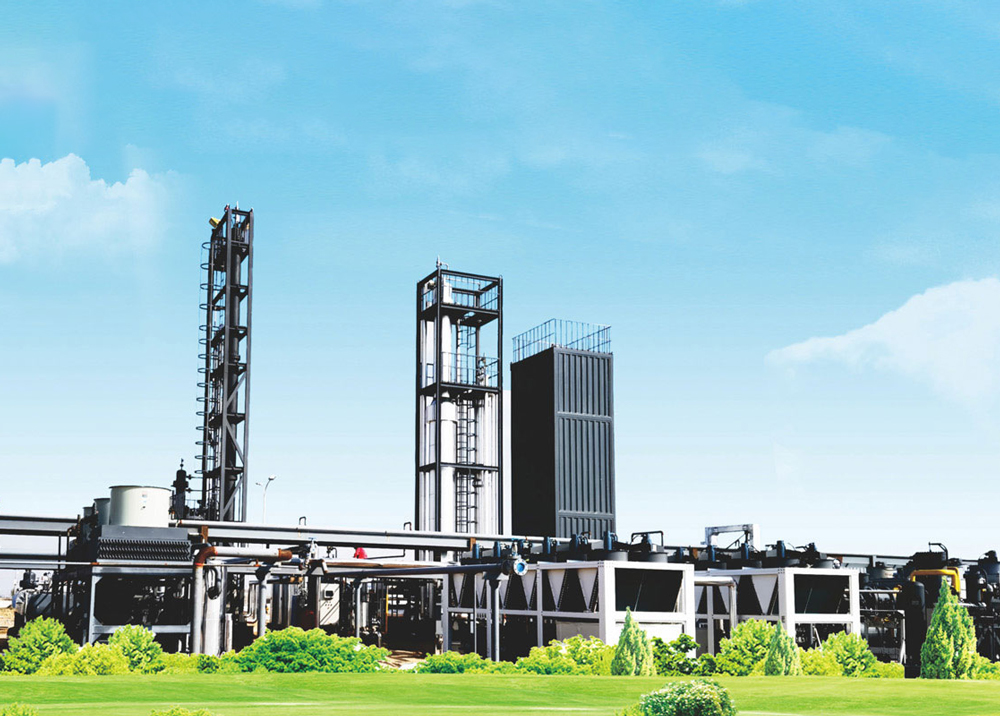
Why global procurers select Hebei Hongke Qingneng for non-standard pressure equipment.
We hold the A2 level pressure vessel manufacturing license and pressure pipeline component manufacturing license. Our facility runs under a registered GB/T19001-2016 (ISO 9001) quality system, Sinopec HSSE, and CNPC Health, Safety and Environmental Management System certifications.
Our engineering expertise lies in custom non-standard vessel design. We handle shell-and-tube heat exchangers, experimental test rigs, and high-pressure chemical reactors. Every configuration is simulated for thermal stresses and pressure cycling using modern design tools.
We believe in engineering solutions for resource recovery and protection. Our systems contribute directly to carbon reduction, air pollution prevention, and waste neutralization. We optimize designs to achieve zero environmental secondary pollution.
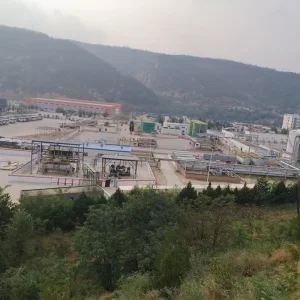
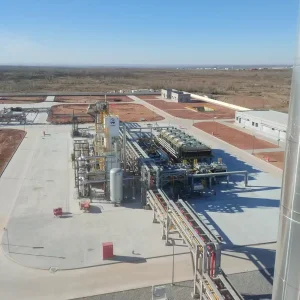
Operational photos displaying our field installations, customized equipment, and certification processes.
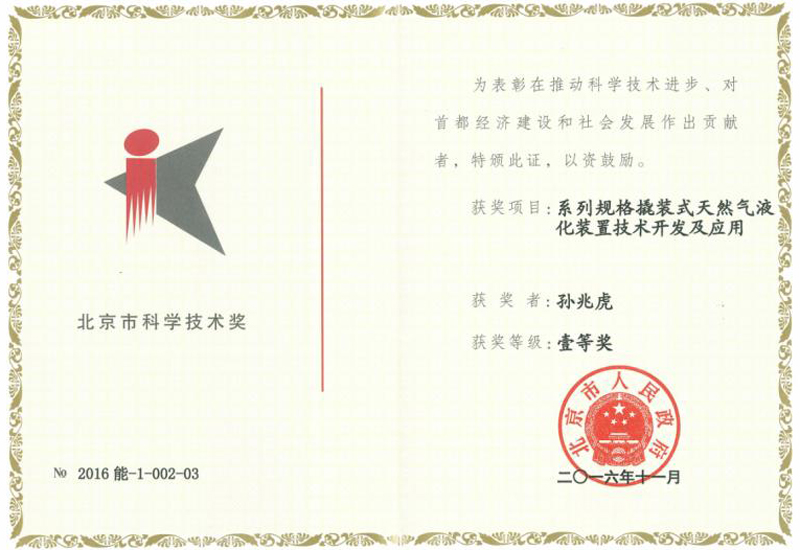
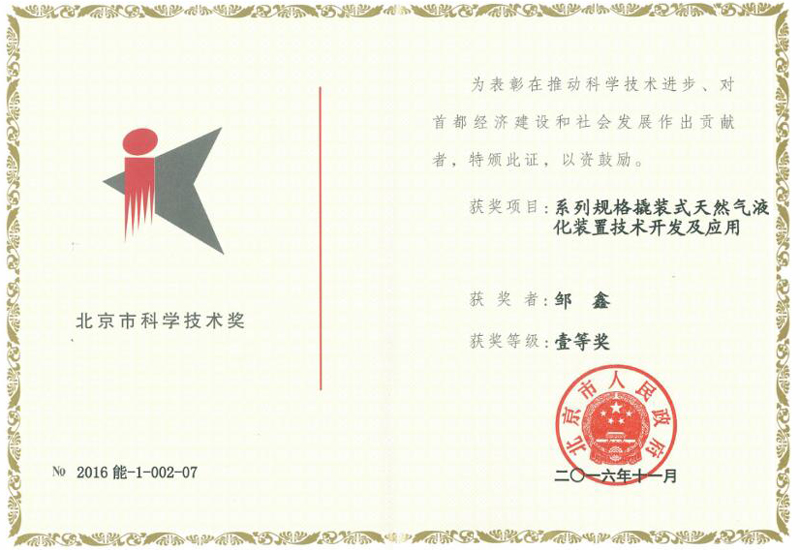
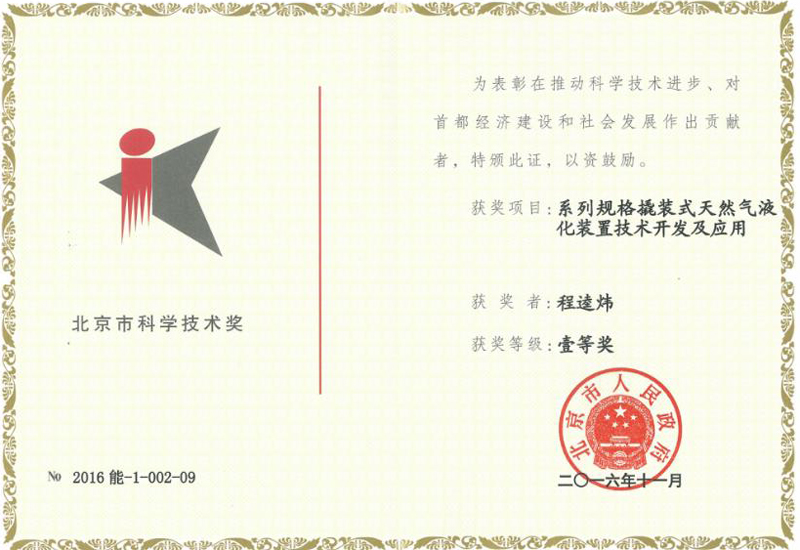
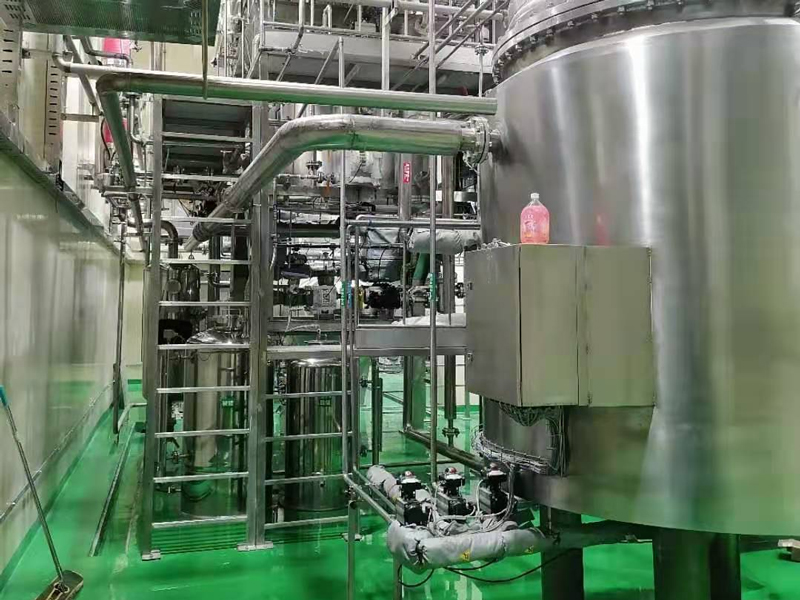
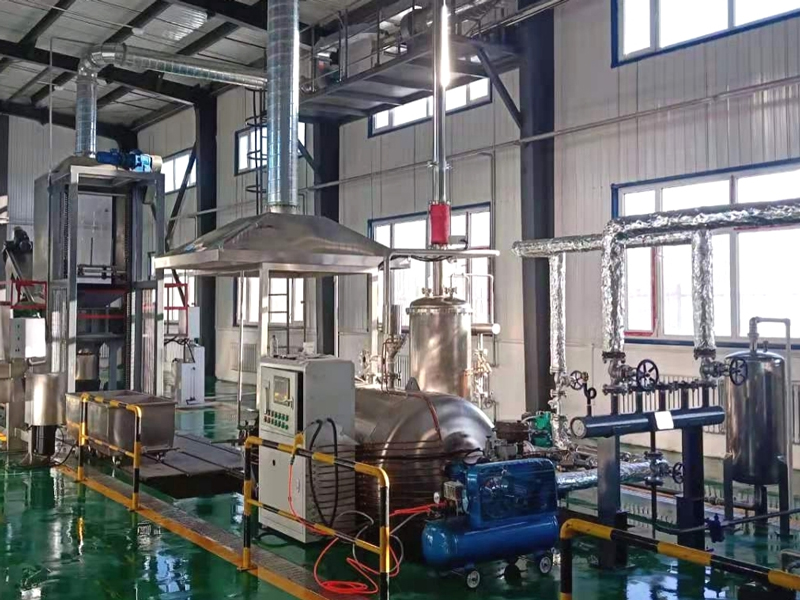
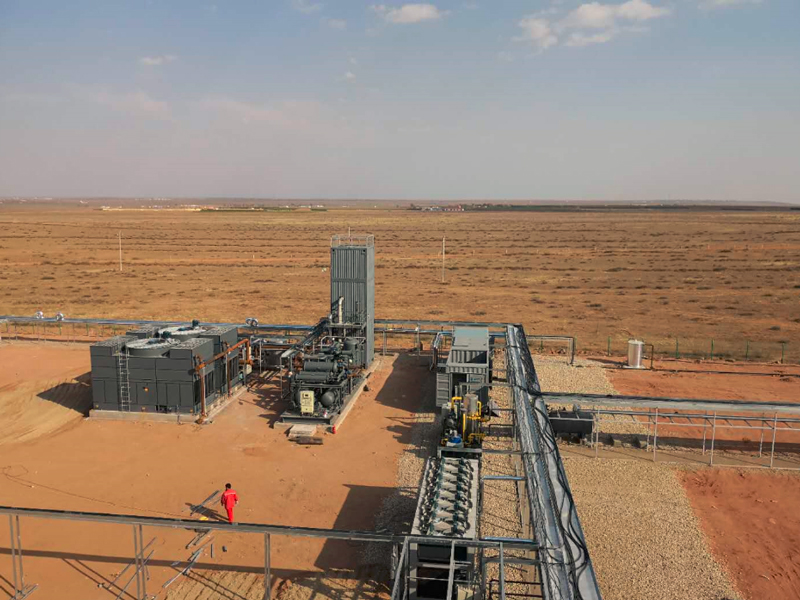
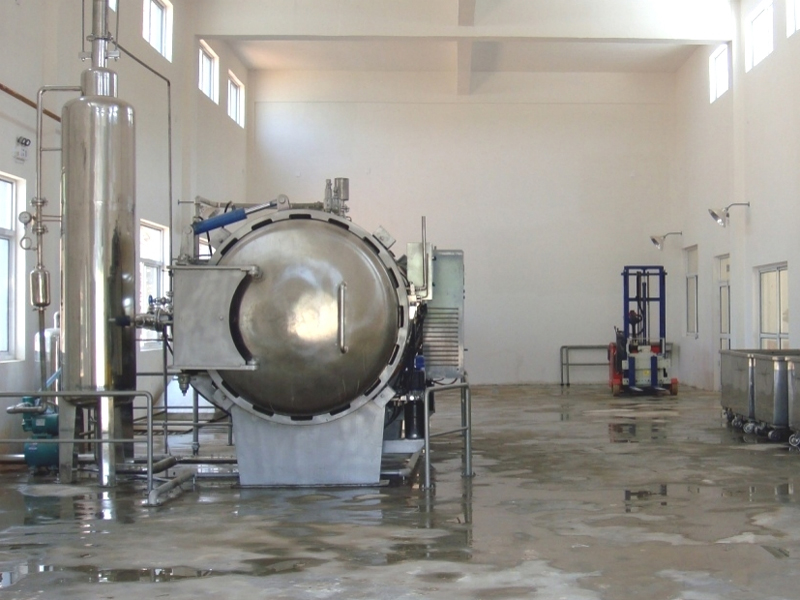
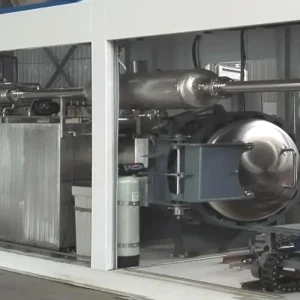
A look inside our advanced manufacturing bays, illustrating specialized machining and pressure testing setups.
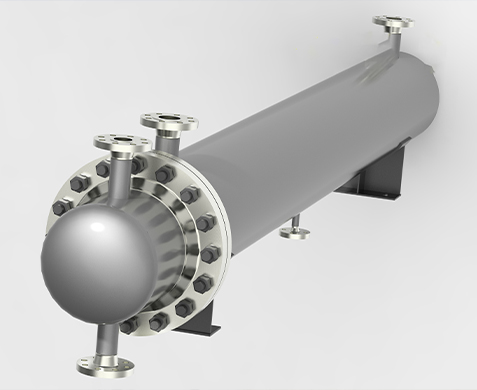
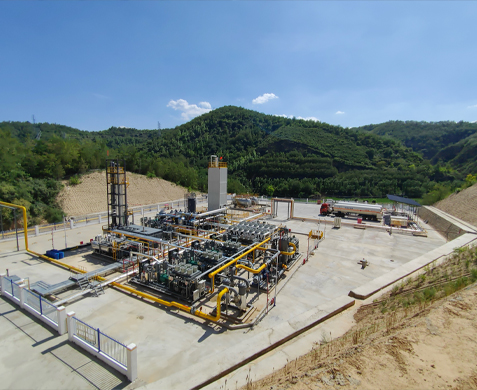
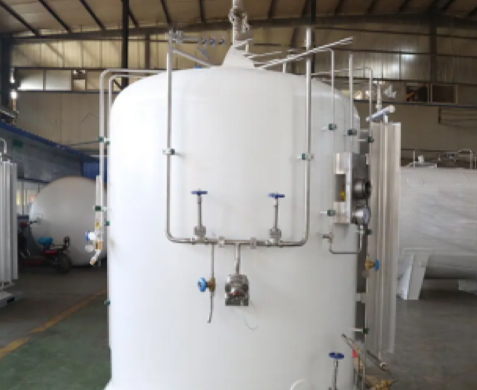
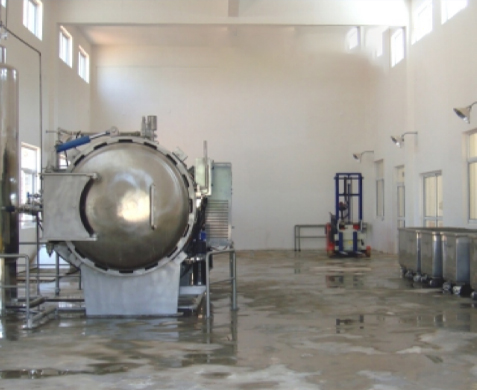
Divided into targeted business sectors to deliver specialized engineering expertise.

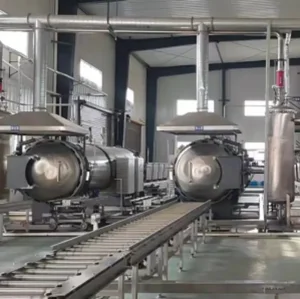
Our autoclave systems play a major role in waste disposal. We supply centralized medical waste high-temperature steam treatment equipment, integrated mobile medical waste disposal units, and animal tissue (residue) processors.

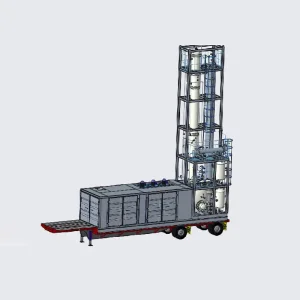
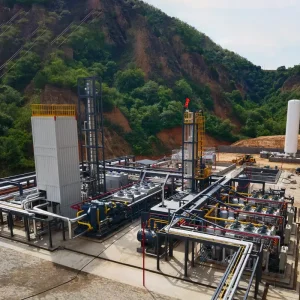
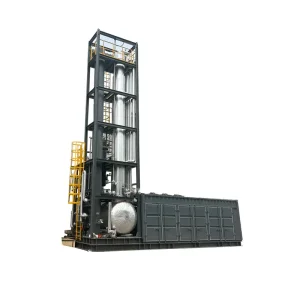
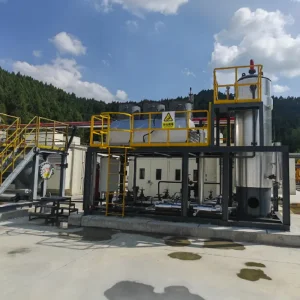
For energy recovery, we deliver skid-mounted liquefaction equipment (for natural gas and associated gas), purification plants (deacidification, dehydration, and heavy hydrocarbon removal), and complete liquefaction plant lifecycle support.

Specializing in custom design engineering. Our line covers non-standard ASME/GB pressure vessels, custom experimental test benches, high-performance shell-and-tube heat exchangers, and hot air furnaces.

Engineered for deep cold applications, including -40 ℃ to -180 ℃ refrigeration machines, -70 ℃ to -100 ℃ freeze dryers, and high-performance vacuum cold traps capable of reaching -135 ℃.
When engineering and sourcing autoclaves from Chinese factories, international buyers must establish criteria that cover both the metallurgical design and the electronic control integration. Below is an engineering overview mapping critical technical metrics:
Critical engineering and compliance questions answered by our academic design team.
Additional non-standard systems manufactured in our facility to support your industrial project needs.
Whether you require ASME code compliance, custom biological waste autoclaves, or modular skid assemblies, our team provides calculated solutions based on CAS thermal research.
Request Technical Proposal Hongke Qingneng