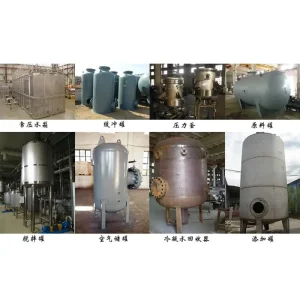
Highly customized engineering systems, from non-standard pressure vessels to high-temperature thermal purification hardware built to match rigorous international standards.
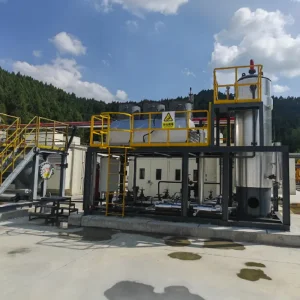
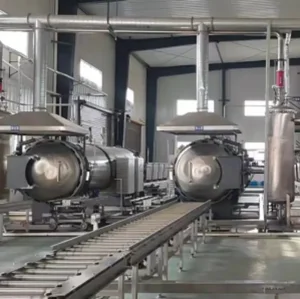
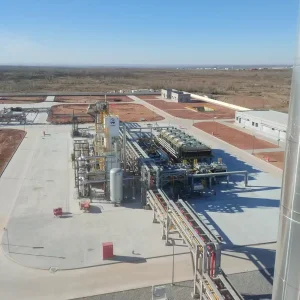
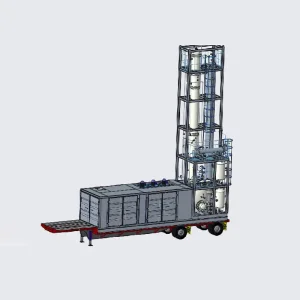
The global transition to a low-carbon economy has positioned hydrogen (H₂) as the cornerstone of clean energy storage and industrial decarbonization. However, handling hydrogen efficiently is one of the most demanding tasks in modern thermal engineering. Hydrogen features unique thermodynamic properties, including extremely high thermal conductivity, low density, high molecular diffusivity, and a negative Joule-Thomson coefficient under normal atmospheric temperatures. Consequently, managing thermal cycles in hydrogen production, storage, transport, and refueling demands high-performance Hydrogen Heat Exchangers engineered to prevent leakage and withstand extreme thermal loads.
In Europe, North America, and the Asia-Pacific region, the expansion of green hydrogen electrolyzers (PEM, ALK, and SOEC) has accelerated the demand for thermal systems capable of high-pressure operation. Concurrently, Hydrogen Refueling Stations (HRS) operating at 35 MPa and 70 MPa require heavy-duty pre-cooling heat exchangers to cool hydrogen down to -40°C before vehicle injection. Meeting these technical requirements has led manufacturers to adopt state-of-the-art metallurgy and fabrication methods, establishing China as a major global source of specialized thermal management systems.
Developing highly reliable hydrogen heat exchangers requires selecting the correct technological route and understanding materials science. Due to the small size of hydrogen molecules, metal structures are highly susceptible to Hydrogen Embrittlement (HE) and hydrogen attack under elevated temperatures and pressures. Our technical teams, backed by research experts from Tsinghua University and the Chinese Academy of Sciences (CAS), select materials based on strict metallurgical requirements, primarily using high-nickel and high-chromium austenitic stainless steels (such as 316L/316Ti) and nickel-based superalloys (such as Hastelloy C276) to guarantee safety and prevent chemical failure.
| Parameter/Feature | Printed Circuit Heat Exchanger (PCHE) | Shell & Tube Heat Exchanger (TEMA Class) | Plate-Fin Heat Exchanger (PFHE) |
|---|---|---|---|
| Pressure Range Capability | Ultra-high (Up to 100 MPa / 1000 bar) | Medium-high (Up to 35 MPa) | Medium (Up to 10 MPa) |
| Thermal Transfer Efficiency | Extremely High (Volumetric area density > 1000 m²/m³) | Moderate (Volumetric area density ~100-200 m²/m³) | High (Volumetric area density ~800 m²/m³) |
| Material Options | SS316L, Hastelloy C276, Inconel 617 | SS316L, Duplex Steel, Carbon Steel | Aluminum alloys, SS316L |
| Leakage Risk Profile | Virtually zero (Solid-state diffusion bonded) | Low (Welded tube sheets, high-reliability joints) | Low-Medium (Requires vacuum brazing) |
| Primary Hydrogen Application | HRS Pre-cooling (-40°C), Supercritical hydrogen | Bulk gas handling, Synthesis reactors | Cryogenic Hydrogen Liquefaction (-253°C) |
Our company leverages the physics of phase change heat transfer and mixed working medium flow characteristics. This design expertise enables us to customize non-standard pressure vessels and thermal equipment for highly complex systems. By combining solid basic research with practical application technologies, our thermal management systems prevent the phase segregation of multi-component mixtures, ensuring high thermal efficiency during gas processing and hydrogen liquefaction stages.
Hydrogen heat exchangers serve specialized roles across various points in the clean energy value chain. Each application requires careful tuning of thermal cycles to maximize performance and maintain safety.
Both Alkaline (ALK) and Proton Exchange Membrane (PEM) electrolyzers generate substantial waste heat during electrochemical splitting. Our heat exchangers cool the hot hydrogen and oxygen streams, recovering thermal energy to preheat feed water and maintaining stable stack operating temperatures.
Rapidly filling a vehicle tank at 70 MPa causes hydrogen to heat up due to compression. To prevent thermal damage to the vehicle tank liner, hydrogen must be pre-cooled to -40°C (per SAE J2601 standards) using high-pressure microchannel or diffusion-bonded heat exchangers that withstand intense cyclic pressures.
Liquefying hydrogen at -253°C requires an efficient multi-stage refrigeration cycle using helium-neon or mixed-refrigerant systems. Our specialized cold traps, high-vacuum insulation systems, and heat exchangers facilitate the Ortho-to-Para hydrogen catalytic conversion, minimizing boil-off gas losses.
Our research and engineering initiatives focus on developing integrated solutions to scale the hydrogen economy, from large centralized production plants to mobile distribution systems.
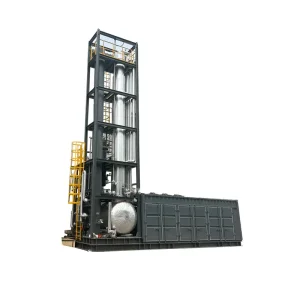
We supply skid-mounted pre-cooling units designed for rapid deployment. These systems integrate high-performance refrigeration machines (-40°C to -180°C) with low-volume heat exchangers to achieve rapid temperature drop and minimal thermal inertia.
During large-scale liquid storage of LNG and LH₂, Boil-Off Gas (BOG) represents a significant energy loss. We build specialized cryogenic cold boxes and helium extraction systems to recover light components, utilizing CAS-certified technology configurations.
Leveraging our A2 Pressure Vessel Manufacture License, we design and manufacture custom shells, tube sheets, and containment systems tailored to high-stress, corrosive, and extreme temperature environments.
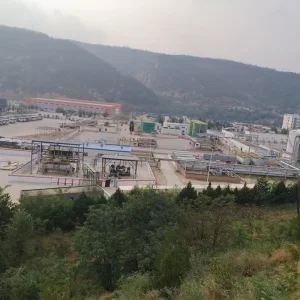
Established in June 2021 with a registered capital of 78 million yuan, Hongke Qingneng operates a high-capacity manufacturing base in the Sanhe Economic Development Zone, Langfang City. We focus on technical research, equipment manufacturing, and application promotion of high-performance energy conservation and environmental protection equipment.
Our core capabilities span the manufacturing of A2-level pressure vessels, pressure pipeline components, biological wastewater systems, VOC treatment equipment, chemical tail gas units, industrial refrigeration systems, and skid-mounted liquefaction assemblies. Backed by Tsinghua University and the Chinese Academy of Sciences (CAS), we hold a number of independent intellectual property patents, operating as a Langfang Municipal R&D Platform.
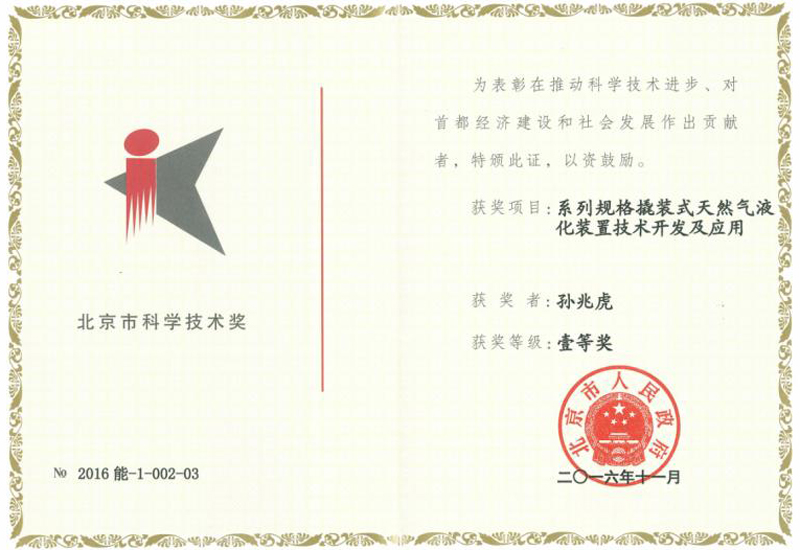
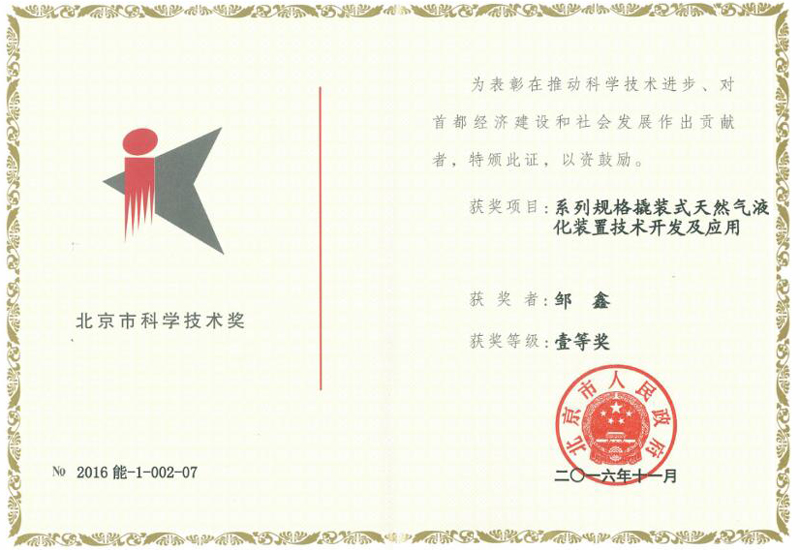
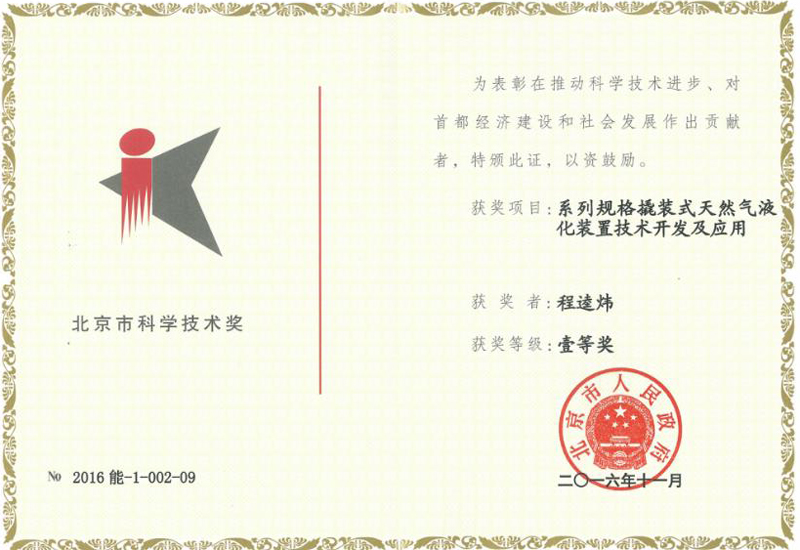
Our solutions target energy recovery, emission reduction, and process optimization. The industrial platforms we build comply with strict ecological and energy requirements in China and global markets.
We work in collaboration with research institutes like Tsinghua University and the Chinese Academy of Sciences. Our research and design focus has yielded multiple independent intellectual property patents, establishing a reliable track record in gas processing and environmental protection projects.
We hold an A2-level pressure vessel manufacturing license, a pressure pipeline component manufacturing license, and GB/T19001-2016 quality system certification. We operate under Sinopec HSSE and China Petroleum Health, Safety, and Environment Management System guidelines.
Our goal is to build equipment that aids in gas recovery, resource protection, carbon emission reduction, and air pollution control, supporting industrial transition to cleaner energy solutions.
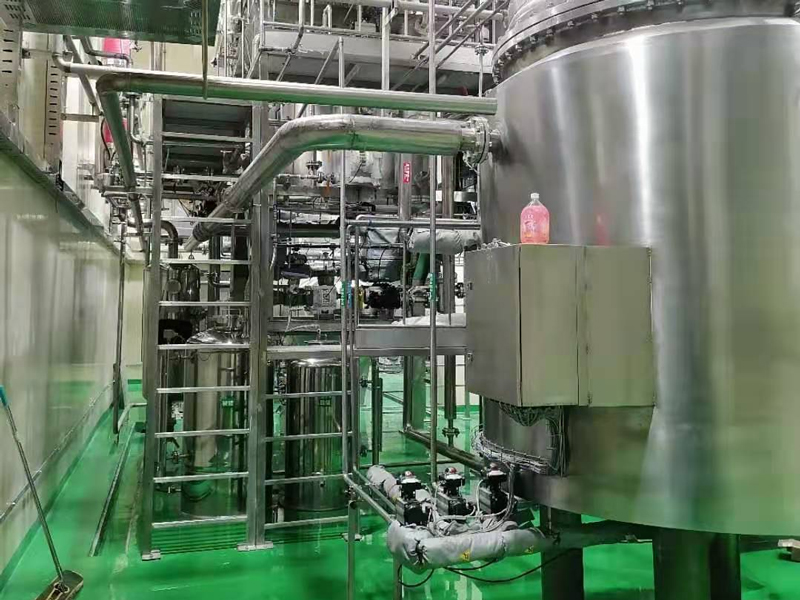
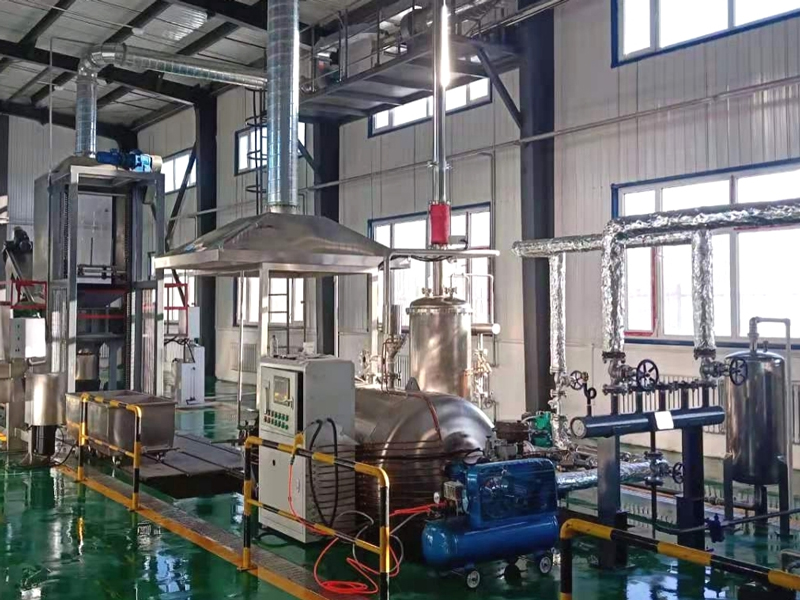
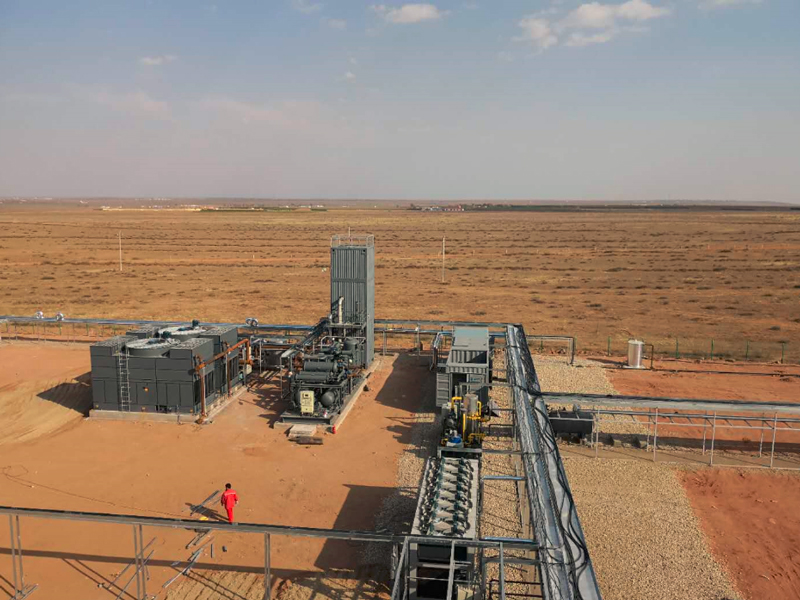
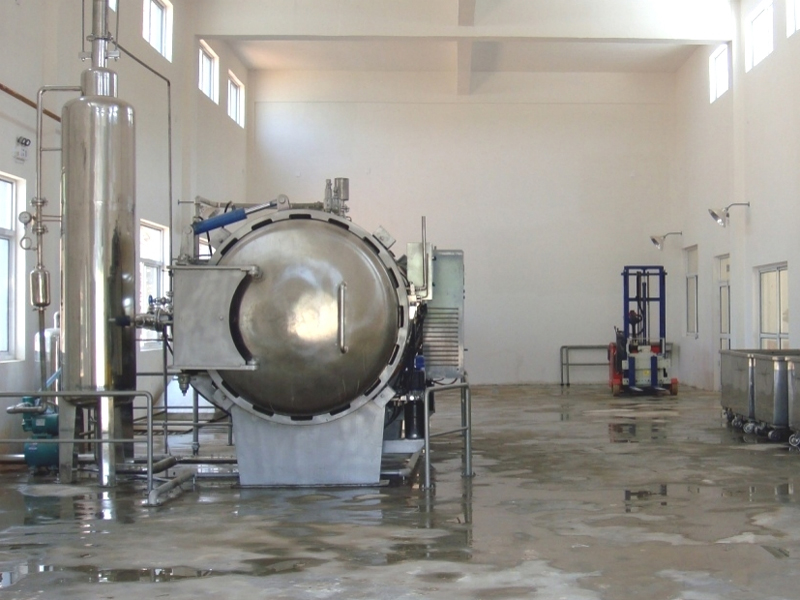
Our production lines are divided into four core areas to meet the demands of natural gas, industrial refrigeration, and environmental protection projects.
• Centralized medical waste high-temperature steam treatment equipment
• Mobile medical waste disposal units
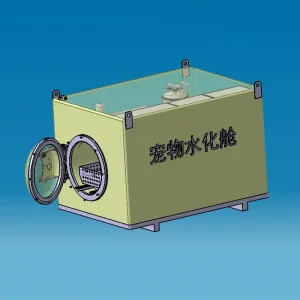
• Animal tissue and residue processing equipment
• Skid-mounted liquefaction equipment (Natural Gas & Associated Gas)
• Gas purification units (Deacidification, Dehydration, Heavy Hydrocarbon Removal)
• Cryogenic Liquefaction Plants
• Non-standard ASME & GB Pressure Vessels
• Advanced scientific experimental test benches
• Specialized Shell & Tube Heat Exchangers
To support high-precision processes, we manufacture industrial refrigeration equipment operating from -40°C down to -180°C, freeze dryers operating between -70°C and -100°C, and vacuum cold traps with temperature ranges down to -135°C. These thermal solutions are critical for managing process stability during cryogenic gas handling and separation phases.
Find technical answers regarding hydrogen heat exchangers, pressure ratings, and engineering configurations.
Explore our manufacturing portfolio, including skid-mounted environmental protection systems, industrial vessels, and gas processing equipment built to exact specifications.
 Hongke Qingneng