Analyzing global supply patterns, core thermodynamic designs, and strategic China manufacturing advantages in fluid containment technologies.
In contemporary fluid dynamics, high-performance HVAC systems, and closed-loop thermal circuits, the small expansion vessel stands as a crucial buffer. By absorbing volumetric variations caused by thermal fluctuations, these systems stabilize hydraulic pressure gradients and safeguard infrastructure against pressure shocks. As global industrial processes shift towards high-efficiency, skid-mounted assemblies, engineering procurement demands high-reliability expansion tanks that conform to international safety protocols.
Hebei Hongke Qingneng Environmental Protection Equipment Co., Ltd., backed by an A2 level pressure vessel manufacturing license, stands at the cutting edge of industrial pressure vessels, tail-gas treatment skid systems, and thermal fluid optimization. Our design architecture uses advanced engineering standards (ASME, GB, and CE equivalent specifications) to guarantee failure-proof performance across critical systems. Whether managing high-temperature steam loops, chemical effluent containment, or cryogenic liquid gas extraction, our custom-engineered non-standard pressure vessels deliver unmatched durability.
Explore our premium industrial product selection, including specialized biological treatment systems, tail-gas recovery components, and high-spec custom pressure structures.
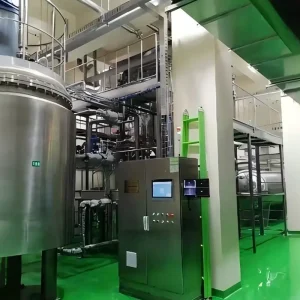
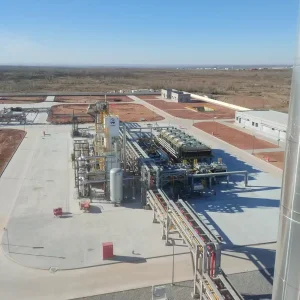
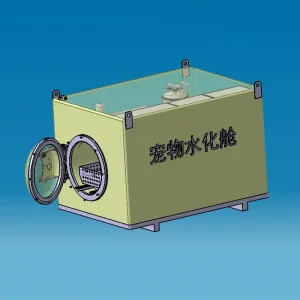
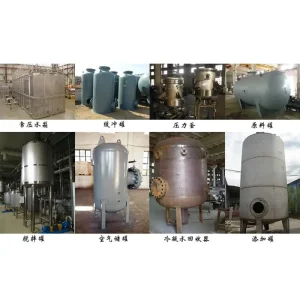
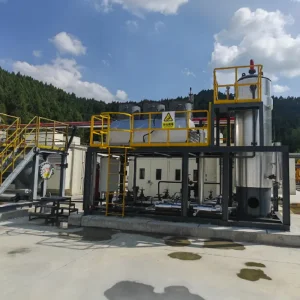
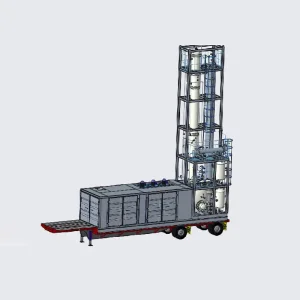
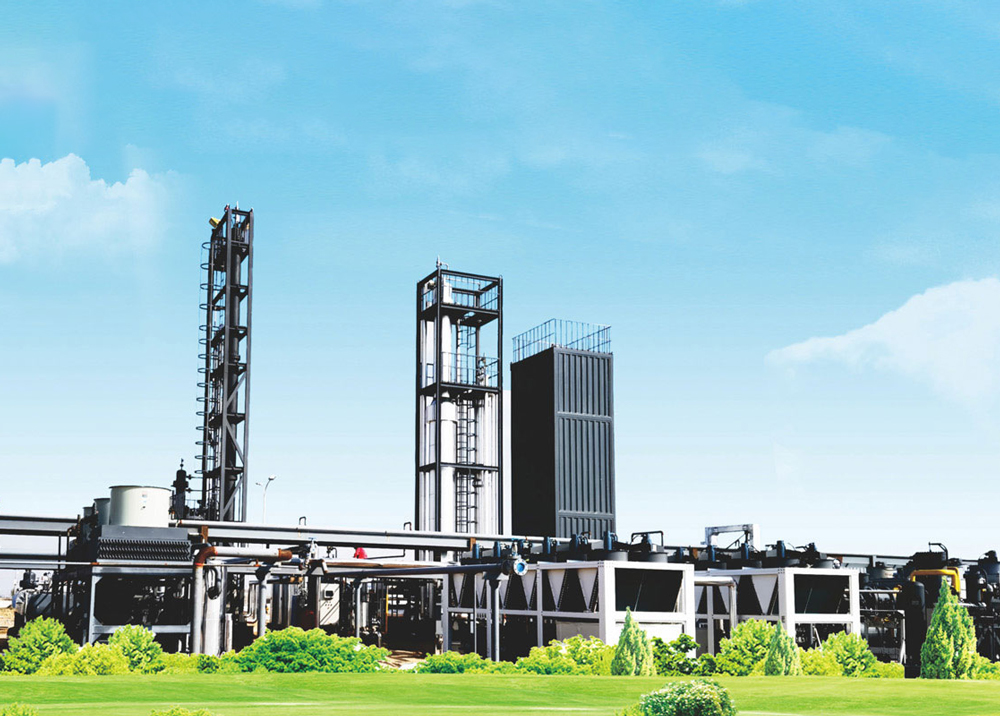
The transition toward sustainable energy infrastructure has forced a paradigm shift in expansion vessel requirements. Modern systems require stricter hermetic sealing, zero membrane migration, and broad chemistry tolerance. While standard commercial HVAC loops typically require simple steel shells with elastomeric bladders, extreme industrial setups require heavy-duty pressure solutions.
In fields like high-temperature organic gas treatment, chemical tail-gas desulfurization, and skid-mounted LNG processing, small expansion vessels regulate pressure fluctuations. At Hebei Hongke Qingneng, we incorporate advanced membrane alloys, precision synthetic rubbers (such as EPDM and Butyl), and thick structural steel shells. This combination ensures our systems can withstand wide temperature swings and high operating pressures without failure.
Combining academic research, strict certification standards, and integrated Chinese manufacturing chains.
Our engineering team includes talent from Tsinghua University and the Chinese Academy of Sciences (CAS). We translate cryogenic physics and advanced thermodynamics research into practical industrial applications.
We hold an A2 pressure vessel manufacturing license, pressure piping component license, GB/T19001-2016 quality system certification, and Sinopec HSSE/CNPC safety management credentials.
Located in the Sanhe Economic Development Zone in Langfang, we have direct access to raw materials and shipping routes, allowing us to offer cost-competitive pressure systems worldwide.
When sizing small expansion vessels for industrial gas recovery systems, VOC containment plants, or municipal steam networks, engineering metrics are critical. Below is a typical baseline reference for our customized configurations:
| Vessel Capacity (Liters) | Standard Design Pressure | Shell Material Options | Membrane Elastomer Type | Temperature Range (°C) |
|---|---|---|---|---|
| 8 to 50 Liters | 6 Bar / 10 Bar / 16 Bar | Carbon Steel / SS304 / SS316L | Butyl / EPDM / Silicone | -20°C to +110°C |
| 60 to 200 Liters | 10 Bar / 16 Bar / 25 Bar | Q345R / Stainless Steel | Highly Crosslinked EPDM | -40°C to +140°C |
| Custom Non-Standard | Up to 100+ Bar (A2 standard) | Low-Temp Steel / Alloys | Special Fluoropolymer / Diaphragm-free | -180°C to +250°C |
Direct oversight from national senior researchers ensures high compliance and structural integrity for all custom pressure vessels.
Doctor from the Institute of Physics and Chemistry Technology, Chinese Academy of Sciences (CAS). National Senior Engineer. He has led projects for the National 863 Program, Aerospace and Military Programs, and the Natural Science Foundation. Recipient of the Special Prize of Technological Invention from the Chinese Society of Refrigeration.
PhD Candidate from the Institute of Physics and Chemistry Technology (CAS). Has managed corporate operations and business divisions for years, leading projects under the "12th Five-Year Plan" and publishing 24 domestic and international academic papers (11 indexed in SCI/EI).
Doctor of Engineering from the Institute of Physics and Chemistry Technology (CAS). Recipient of the Beijing Science and Technology Award. Specialist in skid-mounted gas processing dynamics, multiphase flow heat transfer, and non-standard pressure vessel systems.
Our capabilities extend beyond basic containment tanks to complex system engineering.
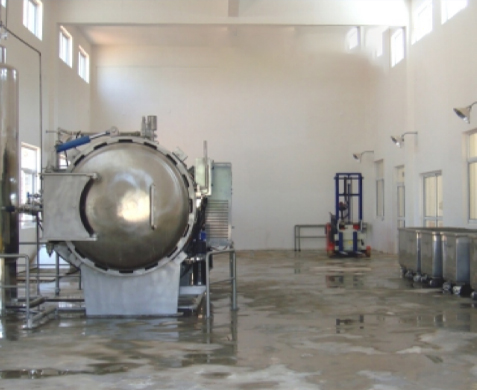
• Centralized/Mobile medical waste high-temperature steam treatment equipment.
• Pathological and laboratory animal tissue hydrolysis treatment systems.
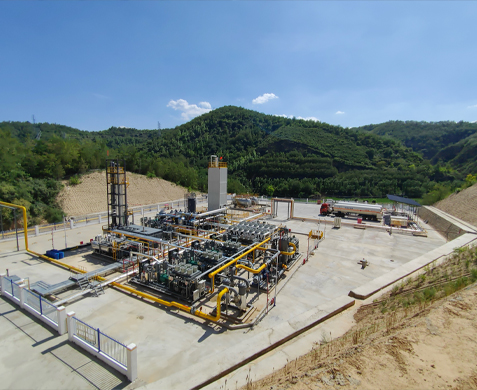
• Skid-mounted gas purification, deacidification, and dehydration loops.
• Integrated gas recovery, BOG tail-gas helium extraction, and LNG liquefaction.
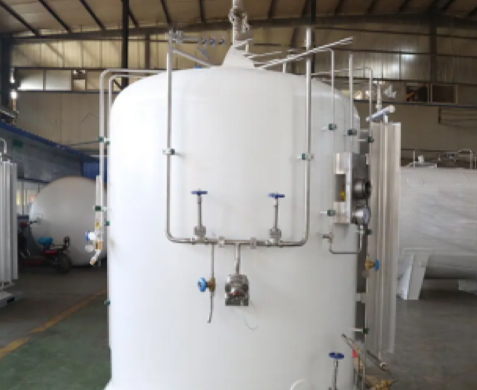
• Design and manufacture of non-standard pressure vessels and storage equipment.
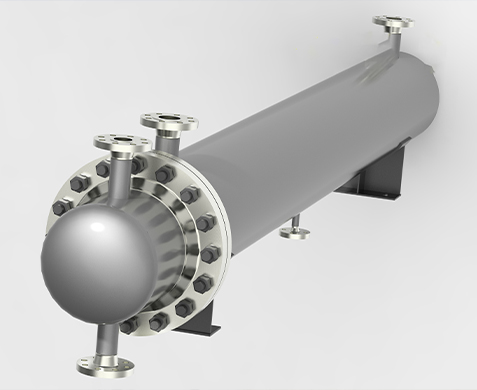
• Heat exchangers and cryogenic refrigeration loops (-40°C to -180°C).
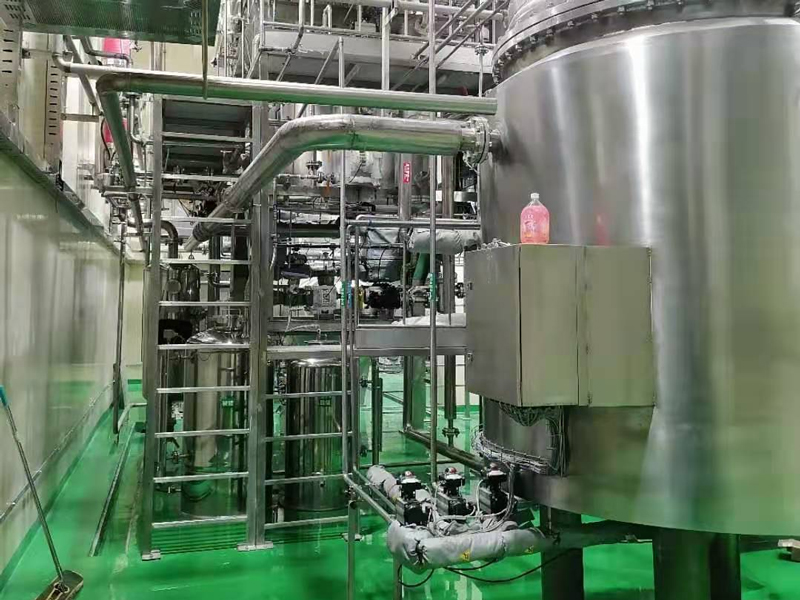
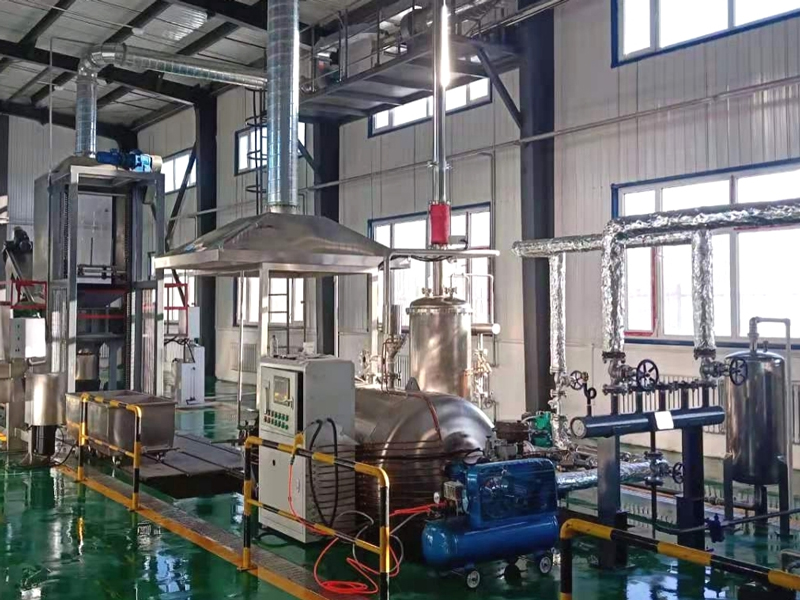
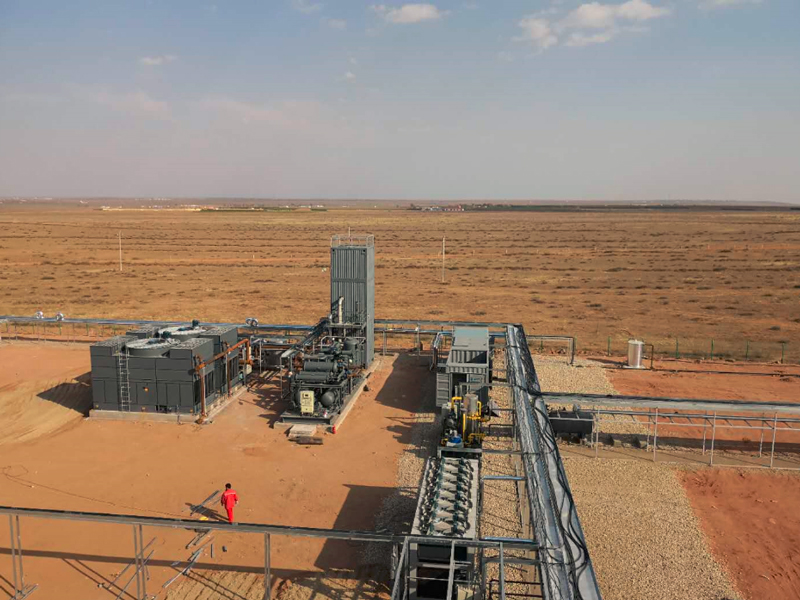
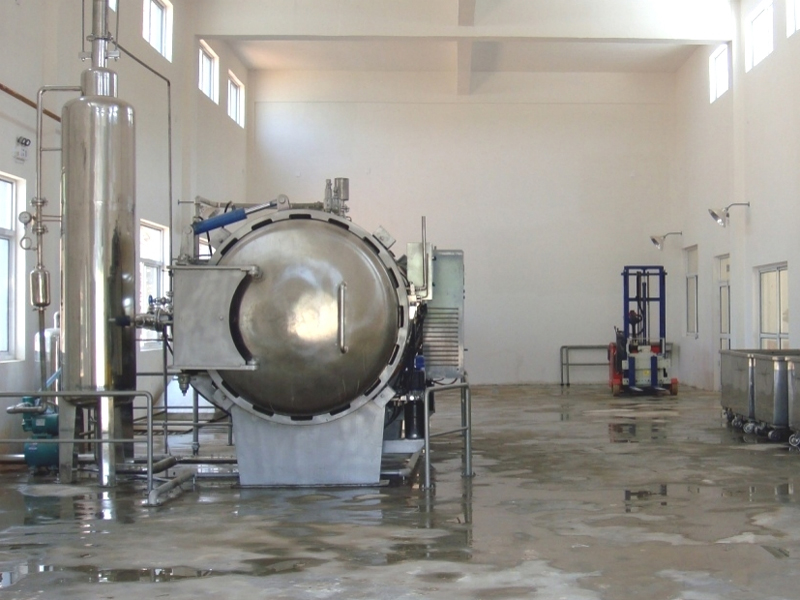
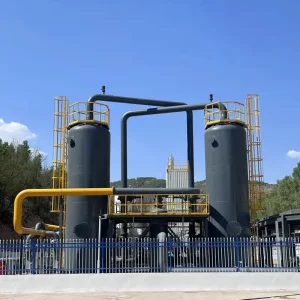
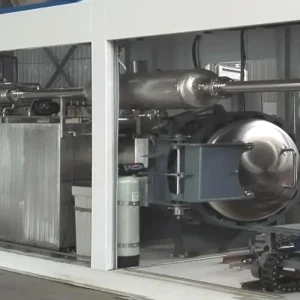
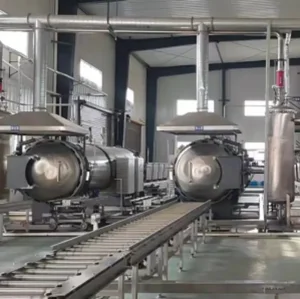
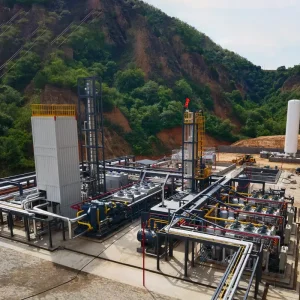
Showcasing our project performance in municipal waste management, gas recovery, and custom fluid skid installations.
Get answers to common technical, design, and manufacturing questions for industrial containment components.
Fluid volume changes with temperature variations. Because liquids are virtually incompressible, thermal expansion causes rapid pressure spikes. An expansion vessel uses a gas-charged bladder to absorb the excess volume, maintaining a stable system pressure.
For applications involving hydrocarbons, acidic gases, or high temperatures, standard EPDM may degrade. We recommend specialized fluoroelastomers, HNBR, or custom diaphragm-free metallic bellows systems depending on the chemical composition.
Yes. While we operate under China's A2 Pressure Vessel manufacturing license, our engineering team can align designs, materials (such as ASTM grades), and testing processes with ASME Section VIII and CE PED specifications.
The pre-charge pressure must be matched to the system's static pressure. If the pre-charge is too high, fluid cannot enter the vessel; if it is too low, the vessel fills prematurely, reducing its capacity to absorb expansion.
In standard HVAC operations, high-quality Butyl or EPDM membranes last 5 to 10 years. In heavy industrial process loops with chemical exposure, periodic inspections are recommended, and membranes should be replaced every 2 to 3 years.
We use non-destructive testing (NDT), including radiographic, ultrasonic, magnetic particle, and liquid penetrant inspection, followed by hydrostatic pressure testing to meet national safety regulations.
Consult with our Ph.D.-led engineering team to design custom, high-reliability pressure vessels for your specific applications.
Browse our range of skid-mounted processing systems, waste steam equipment, and environmental treatment configurations.
 Hongke Qingneng