Explore our high-performance industrial systems engineered for recovery, purification, and extreme-temperature processing.
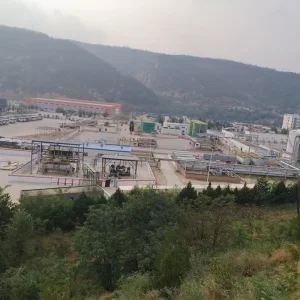
Hebei Hongke Qingneng Environmental Protection Equipment Co., Ltd., established in June 2021 with a registered capital of 78 million yuan, stands at the absolute forefront of energy conservation, cryogenic engineering, and industrial environmental protection systems. Situated in the Sanhe Economic Development Zone, Langfang City, our state-of-the-art facility integrates advanced research and commercial manufacturing to design highly customized thermal and pressure-retaining components.
We are a certified A2 level pressure vessel manufacturer, specializing in high-performance non-standard processing equipment. Our design and production practices comply with the most stringent global standards, supported by our GB/T19001-2016 quality system and Sinopec HSSE / China Petroleum Safety certifications. We bridge the gap between academic innovation and heavy industrial scaling by manufacturing elite spiral heat exchangers, gas liquefaction skids, and animal carcass biosecurity processing units.
Analyzing the hydrodynamic advantages, fouling resistance, and structural mechanics of custom spiral exchangers in demanding process industries.
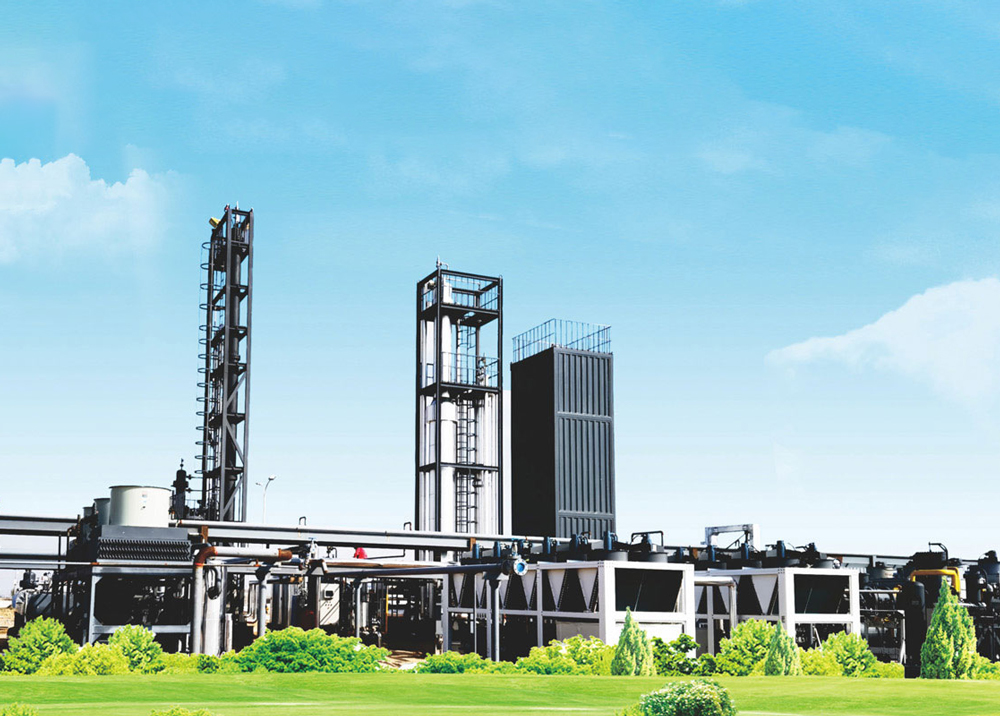
In conventional shell-and-tube exchangers, fluid channels are straight, leading to predictable boundary layers that inhibit optimal thermal transfer. Conversely, spiral heat exchangers (often termed Spiral Exchangers) utilize concentric, curved channels. The continuous curvature induces centrifugal forces on the fluid medium, creating secondary flow patterns known as Dean Vortices.
These vortices disrupt the thermal boundary layer along the tube wall, enhancing turbulent flow even at relatively low Reynolds numbers. As a result, the overall heat transfer coefficient (U-value) is substantially increased, allowing industrial facilities to reduce their footprint while maintaining identical or superior thermal duties compared to traditional configurations.
Fouling remains one of the largest source of operational inefficiencies in petrochemical, wastewater, and organic waste gas treatment facilities. The spiral design mitigates this challenge through a single-channel configuration for each fluid side. If local fouling begins to build up, the cross-sectional area of the channel decreases at that specific location.
This constriction immediately forces a localized velocity spike. The increased shear stress (fluid friction) naturally scrubs the surface clean, preventing structural scaling. This "self-cleaning" property is vital for handling slurries, chemical tail gas condensate, and animal tissue residues, ensuring continuous uptime and lower maintenance costs.
Concentric coiling maximizes thermal exchange area per unit volume. Spiral designs require up to 60% less physical space than shell-and-tube equivalents with identical heat duties.
Optimizes LMTD (Logarithmic Mean Temperature Difference), facilitating extremely tight temperature approaches where the hot exit temperature is very close to the cold inlet temperature.
Seamlessly handles fluids with high concentrations of suspended solids, fibrous organic waste, and viscous slurries without clogging or developing structural cold spots.
Our executive leadership combines cutting-edge theoretical academic backgrounds with intensive field execution experience.
Founder & Chairman
Holds a PhD from the Institute of Physics and Chemistry Technology, Chinese Academy of Sciences (CAS). He is a National Senior Engineer who has presided over the National 863 Program, major Natural Science Foundation funds, and aerospace and military defense initiatives.
Dr. Sun's contributions have earned him the First Prize of Science and Technology of China Coal Industry (2013), the Special Prize of Technological Invention of the Chinese Society of Refrigeration (2015), and the First Prize of the Beijing Science and Technology Award (2016). He holds over 20 independent intellectual property rights.
General Manager
A PhD candidate and Senior Engineer at the Institute of Physics and Chemistry Technology, CAS, Zou Xin has managed Hongke Qingneng's global operations for years. He has published 24 domestic and international academic papers (11 SCI/EI indexed) and applied for 5 national invention patents.
Zou Xin was awarded the Special Award of the 7th China Refrigeration Society Technological Invention Award (2015) and the Silver Medal at the 19th China International Industry Expo (2017).
Chief Engineer
Dr. Cheng earned his Doctor of Engineering from the Institute of Physics and Chemistry Technology, CAS. He is a primary pioneer behind the "Technology Development and Application of Skid-mounted Natural Gas Liquefaction Units with Series of Specifications."
His research focuses on phase change heat transfer characteristics and flow behavior of mixed working media. He has successfully designed over 50 operating liquefaction systems and non-standard thermal equipment suites globally.
Analyzing how industrial developers and EPC contractors utilize our spiral heat exchangers to achieve efficiency and compliance goals.
In heavy industrial processing, the choice of heat transfer technology can dictate the economic viability of the entire facility. Conventional plate-and-frame or shell-and-tube exchangers struggle when handling multiphase fluids, highly particulate-laden streams, and chemical tail gases. Our spiral designs solve these limitations by providing continuous flow paths, minimizing structural stress points, and handling high-temperature differentials safely.
Supports helium extraction and gas processing at extreme ranges from -40°C down to -180°C. Resists thermal contraction stress.
Facilitates condensation of organic waste gases and tail-gas recovery, helping plants comply with strict environmental emissions guidelines.
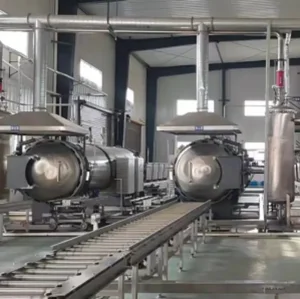
Essential for high-temperature steam sterilization systems processing biological waste and animal tissues safely.
Handles high-solid desulphurization processes and non-standard pressure vessel operations with high thermal stability.
Hongke Qingneng's design roadmap focuses on advancing spiral thermal transfer technology. Key areas of development include:
Ensuring our pressure vessels and environmental systems comply with international standards and safety protocols.
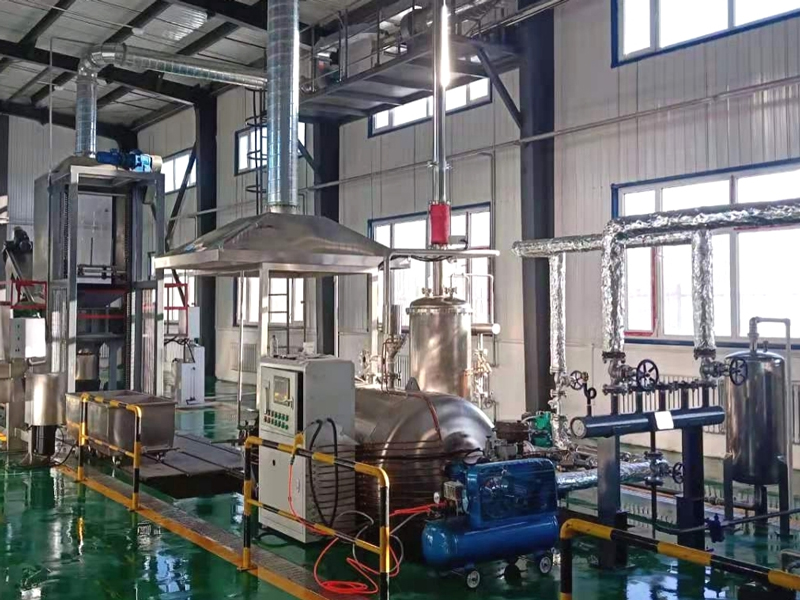
Every non-standard pressure vessel and spiral exchanger manufactured at our facility undergoes rigorous testing, including hydrostatic testing, pneumatic pressure validation, and non-destructive testing (NDT), such as radiographic and ultrasonic weld inspections.
We work closely with global inspection agencies (including SGS, BV, and TUV) to ensure compliance with relevant industrial codes. Our team holds the A2 level pressure vessel manufacturing license, pressure piping component fabrication licenses, and ISO 9001 certifications, ensuring our systems meet global quality requirements.
From initial thermal modeling to on-site commissioning, Hebei Hongke Qingneng provides comprehensive lifecycle support for gas treatment plants, VOC systems, and custom heat exchangers. Our field service engineers assist with installation, optimization, and operator training to ensure smooth project startups.
Review some of our major projects, demonstrating our capabilities in waste management, cryogenic gas recovery, and custom fabrication.
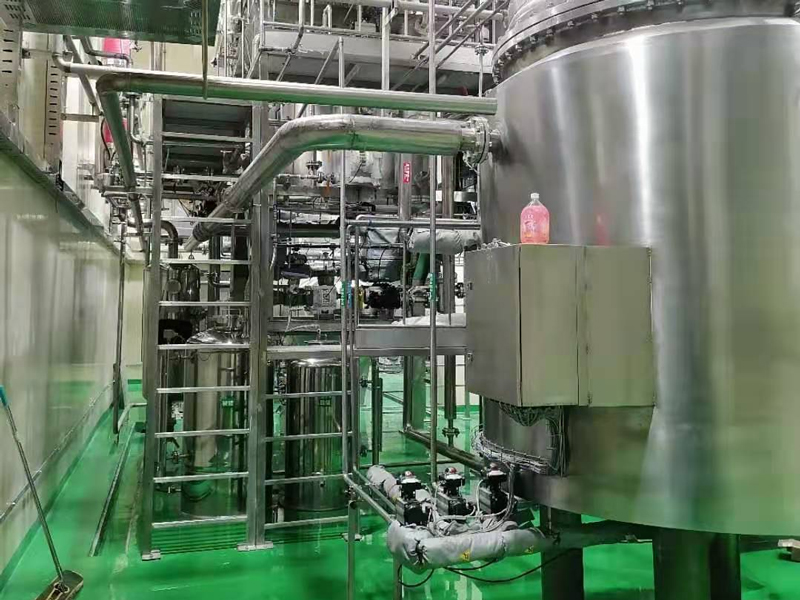
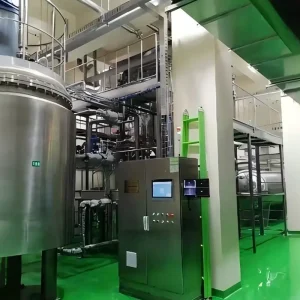
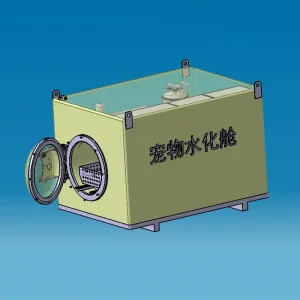
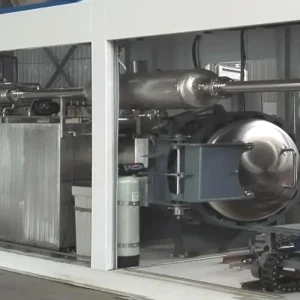
Designed for biosecurity compliance, utilizing high-temperature hydrolysis technology.
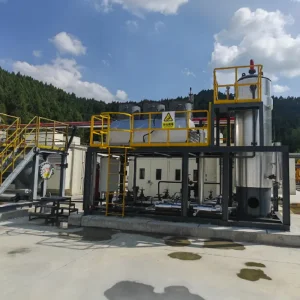
A mobile, self-contained high-temperature steam treatment system for rapid deployment.
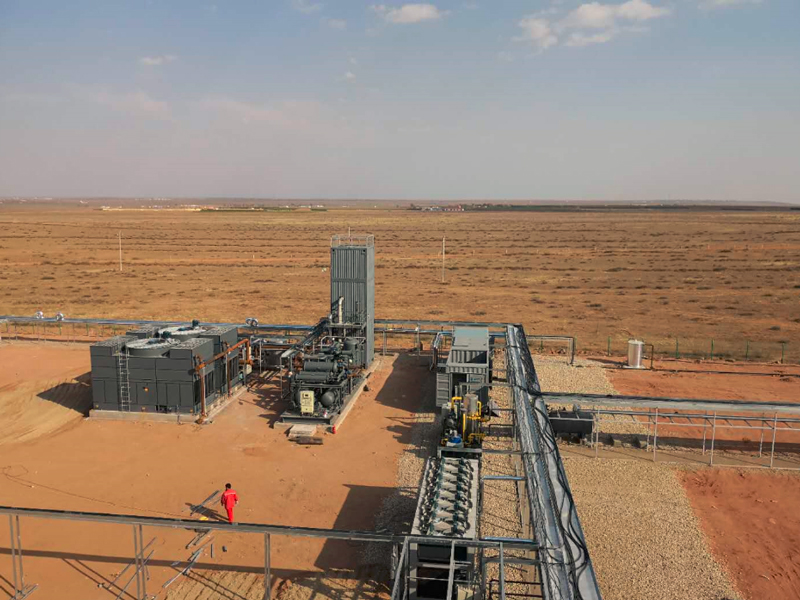
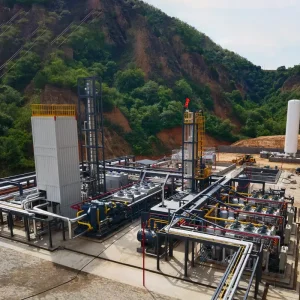
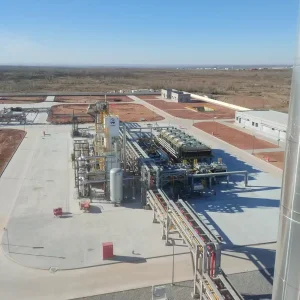
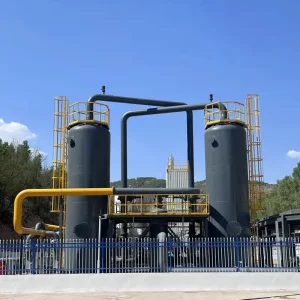
Compact LNG plant designed for capturing and processing stranded wellhead gas.
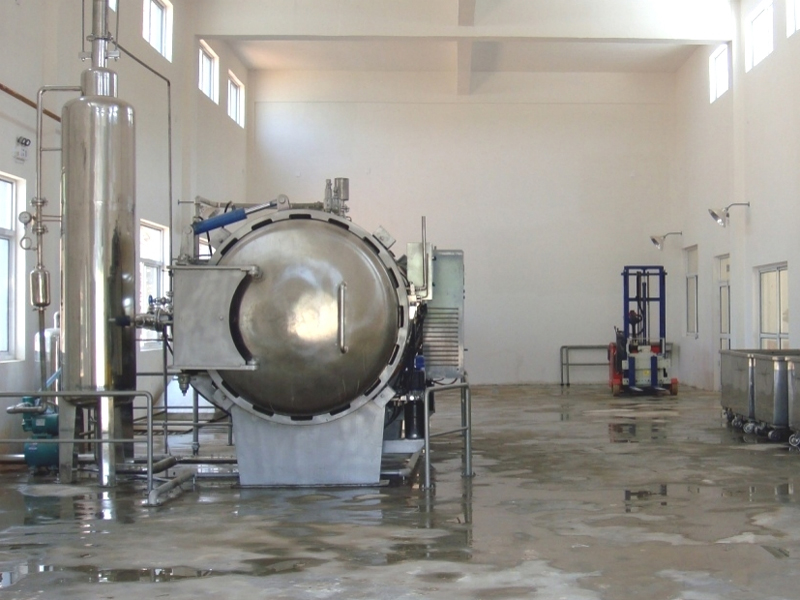
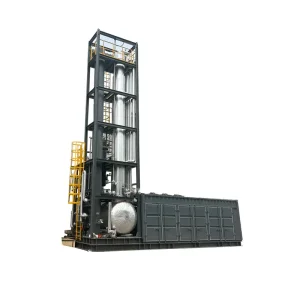
Large-scale industrial sterilization system designed for high-throughput waste processing.
Technical details, operational limits, and maintenance practices for professional engineers and purchasing managers.
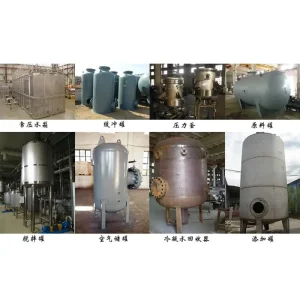
Explore our complete catalog of industrial pressure vessels, desulphurization systems, and recovery skids.
Custom designs engineered to handle demanding operating pressures, corrosive fluids, and unique geometry requirements.
We perform mechanical stress calculations and thermal duty simulations to verify system integrity before fabrication.
Fabrication is performed by certified pressure vessel welders experienced in SS304, SS316L, and duplex stainless steels.
Every unit undergoes NDT weld testing, hydrostatic testing, and dimension verification to ensure compliance with specifications.
Equipment can be skid-mounted, fully piped, and pre-wired for straightforward integration into existing plant systems.
Consult with our design team regarding spiral heat exchangers, pressure vessels, or skid-mounted liquefaction systems. We provide comprehensive thermal calculations and structural designs to meet your specific process requirements.
 Hongke Qingneng