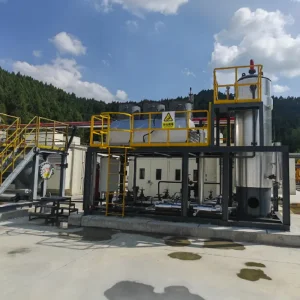
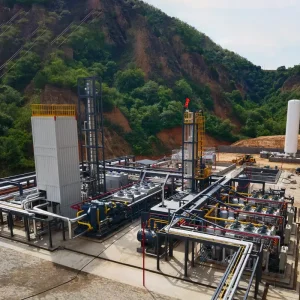
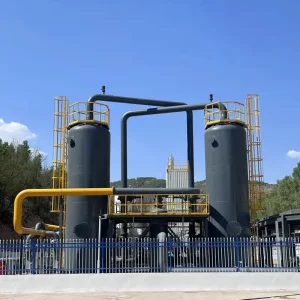
Industrial separation, refining, and gas purification rely extensively on sophisticated mass-transfer operations. As a vital asset class, diversion towers function as critical pressure vessels engineered to manage process flows, control vapour-liquid equilibrium (VLE), and eliminate complex pollutants from industrial waste streams. Understanding the thermo-fluid dynamics inside a diversion tower requires deep expertise in fluid velocity profiles, bubble cap or packing hydraulics, and structural chemical resistance.
At Hebei Hongke Qingneng Environmental Protection Equipment Co., Ltd., we fuse academic scientific progress with advanced structural fabrication. Established in June 2021 with a substantial registered capital of 78 million yuan, our operations in the Sanhe Economic Development Zone, Langfang City, are dedicated to pioneering high-efficiency, skid-mounted environmental, cryogenic, and petrochemical processing infrastructure.
By implementing advanced Computational Fluid Dynamics (CFD) models, our diversion towers are optimized to reduce pressure drop while maximizing gas-liquid interface interaction. This level of customization ensures that plants targeting natural gas liquefaction, VOC control, and chemical tail-gas scrubbers operate with maximum thermodynamic efficiency.
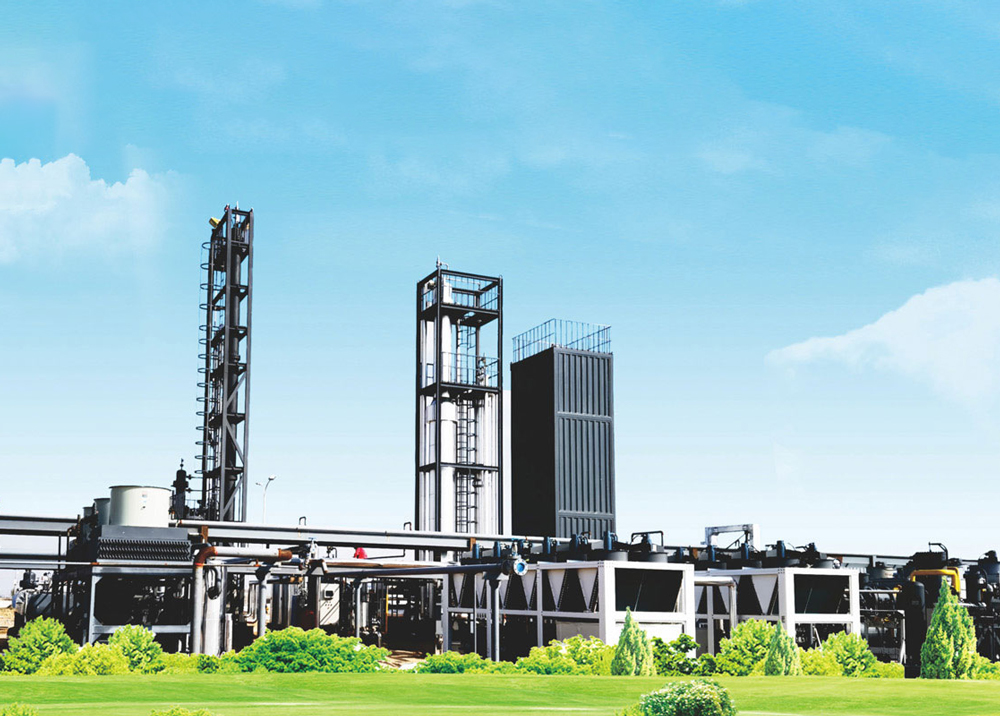
We configure internals (structured packing, random packing, sieve trays, and bubble cap systems) using precise vapour-liquid phase models. This custom configuration eliminates channelling and keeps flow velocities steady, even under wide turndown ratios.
Working with corrosive media like hydrogen sulfide ($H_2S$), heavy organic VOCs, and steam requires elite material selection. Our factory fabricates diversion towers using premium grade SS316L, Duplex 2205, Hastelloy, and specialized interior thermal clad coatings.
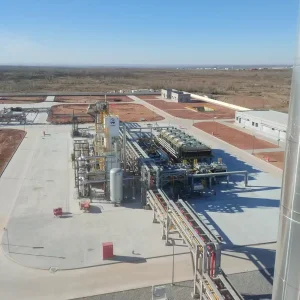
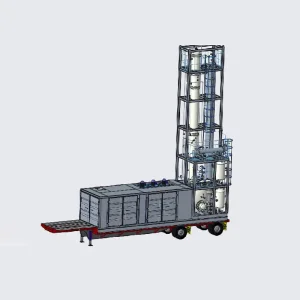
By packaging towers, piping, valves, instrumentation, and control units into structural steel skids, we minimize onsite construction. Modularization accelerates deployment schedules by up to 50% compared to stick-built field structures.
Our strategic base in the Langfang industrial corridor provides direct access to high-grade raw steel, advanced structural pipe mills, and standard ASME flanged component suppliers. This integrated supply chain reduces input costs and eliminates transport-related component delays.
To secure Class A2 pressure vessel compliance, we utilize robotic submerged arc welding (SAW) and laser tracking equipment. Automatic welding guarantees ultra-consistent weld profiles, lowering the risk of micro-cracks and ensuring all units pass strict radiography testing (RT) and ultrasonic inspection (UT).
Beyond our domestic A2 pressure vessel license, we implement strict quality controls certified to GB/T19001-2016 (ISO 9001:2015), alongside Sinopec HSSE and CNPC (China Petroleum) health, safety, and environmental management systems. This certification framework ensures easy integration into major international EPC project parameters.
Our engineering breakthroughs are powered by senior researchers from the Institute of Physics and Chemistry Technology, Chinese Academy of Sciences (CAS) and Tsinghua University.
Dr. Sun earned his Ph.D. from the Institute of Physics and Chemistry Technology, CAS. As a National Senior Engineer, he has directed key National 863 Program initiatives, natural science foundation projects, and aerospace components development. He has received the Beijing Science and Technology Award (First Prize) and the Chinese Society of Refrigeration Technological Invention Award. Under his leadership, the company has secured more than 20 independent intellectual property patents, deploying over 50 large skid-mounted environmental and natural gas liquefaction plants globally.
With an extensive research portfolio at the Institute of Physics and Chemistry Technology, CAS, Zou Xin has managed major aerospace, military, and private industrial science partnerships. He has authored 24 scientific papers (11 indexed in SCI/EI) and holds 5 national patents. His work on specialized thermal dynamics earned him the Silver Medal at the 19th China International Industry Expo and the Beijing Science and Technology Award.
Dr. Cheng holds a Doctor of Engineering from the CAS Institute of Physics and Chemistry Technology. A pioneer in mixed refrigerant cycles and phase-change fluid heat transfer, he designed and implemented the "Technology Development and Application of Skid-mounted Natural Gas Liquefaction Units with Series Specifications". His process engineering expertise guides the structural layout of our non-standard pressure vessels and diversion tower systems.
Global procurement teams must balance structural safety, local environmental codes, and shipping constraints. At Hongke Qingneng, we address these concerns through three main strategies:
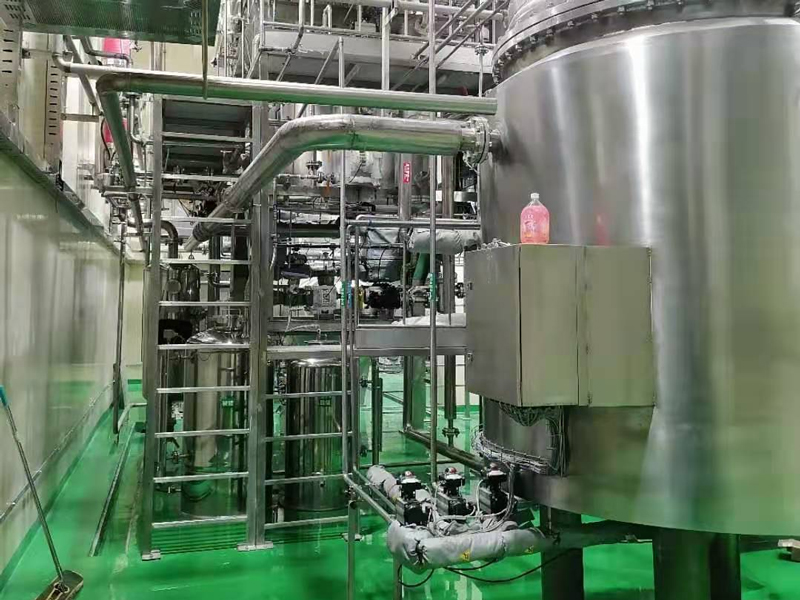
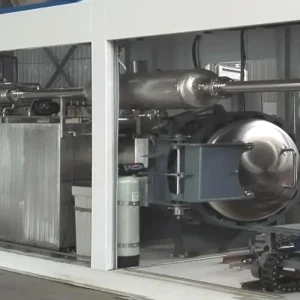
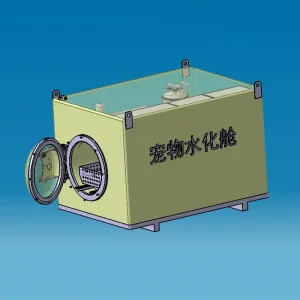
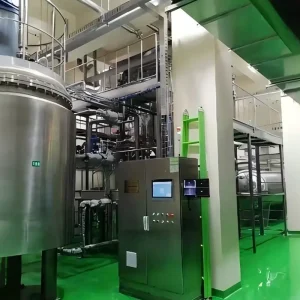
High-efficiency, high-temperature hydrolysis system built for biosafety research labs and medical universities.
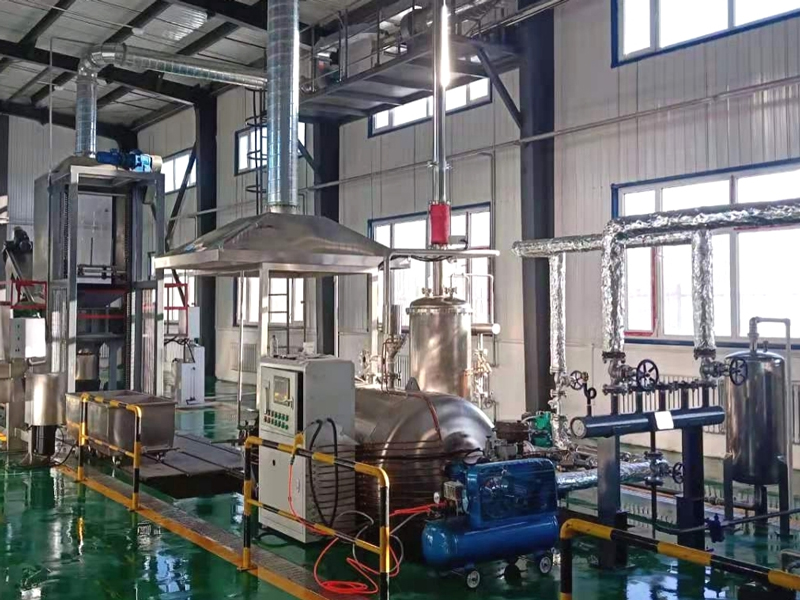
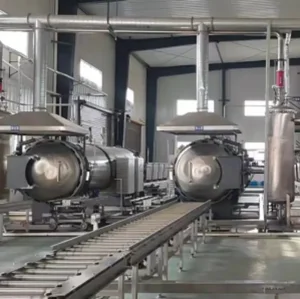
Skid-mounted and trailer-integrated high-temperature steam sterilization systems for remote healthcare zones.
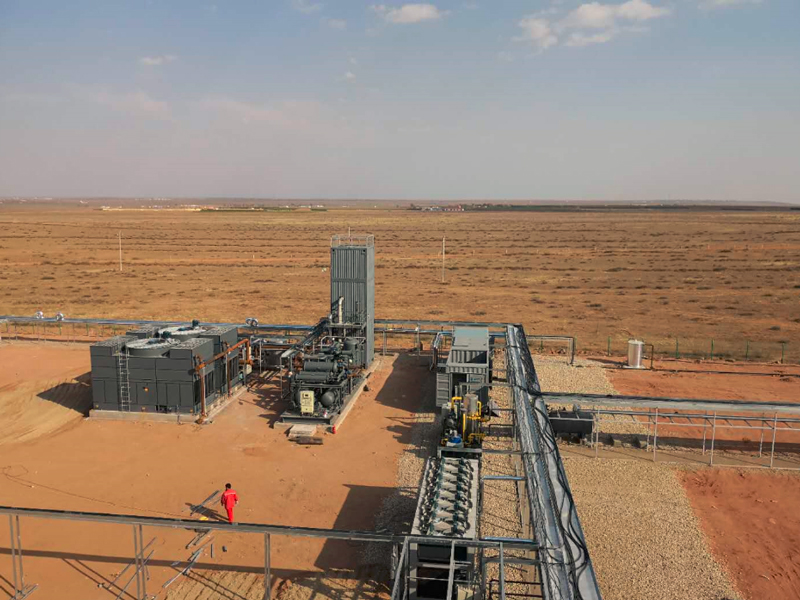
Small to mid-scale skid assemblies capturing flare gas and processing associated gas at remote wells.
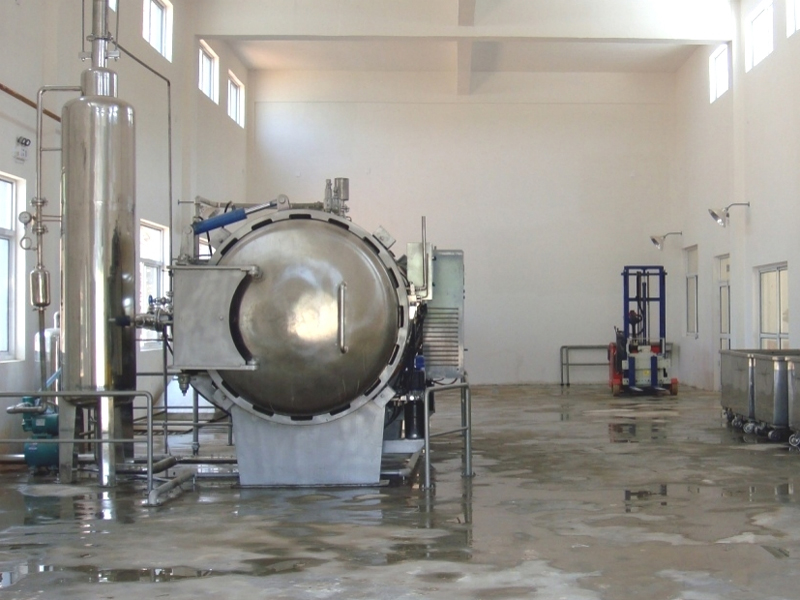
Large-scale municipal waste autoclave complexes processing clinical waste with zero emissions.
Sizing depends on gas flow rate, composition, liquid-gas ratio, operating pressure, temperature limits, and target purity. We use these variables to calculate tower diameter, column height, and the optimal packing or tray design to prevent flooding and ensure stable mass transfer.
Class A2 pressure vessel status certifies our facility to design and weld vessels for high-pressure operations. This licensing requires strict audit trials, qualified weld procedures (WPS), certified materials, and verified non-destructive testing (NDT).
Yes. We specialize in complete, factory-tested skid-mounted systems. Our team handles everything from internal components to piping, instrumentation, and control packages, ensuring the entire skid is ready to deploy upon site connection.
We select chemical-resistant metals, including SS316L, duplex steels, or specialty alloys. When required, we perform post-weld heat treatment (PWHT) to relieve residual stress and prevent stress corrosion cracking (SCC) in sour environments.
Our CAS and Tsinghua research partnerships allow us to incorporate advanced gas separation and cryogenic technology. This academic expertise ensures our process columns and environmental plants operate at high efficiency levels.
 Hongke Qingneng