Engineered to meet the stringent demands of modern heavy industries, including petrochemical, biopharmaceutical, and cryogenic gas processing.
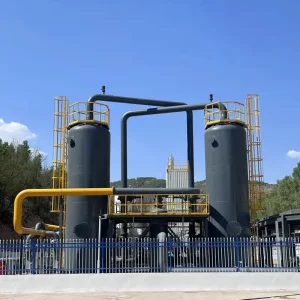
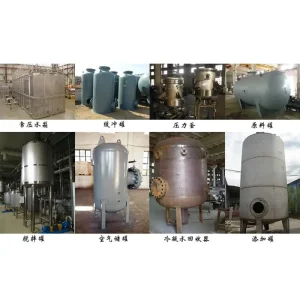
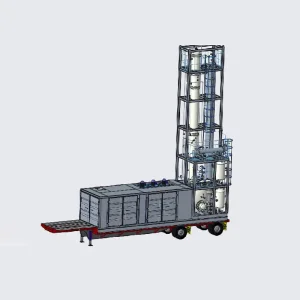
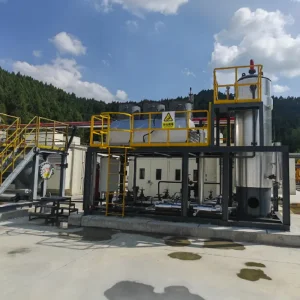
Hebei Hongke Qingneng Environmental Protection Equipment Co., Ltd., established in June 2021 with a registered capital of 78 million yuan, stands at the forefront of China's green technology boom. Based in the industrial hub of Sanhe Economic Development Zone, Langfang City, we bridge academic brilliance with practical manufacturing capacity.
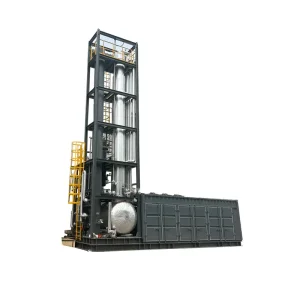
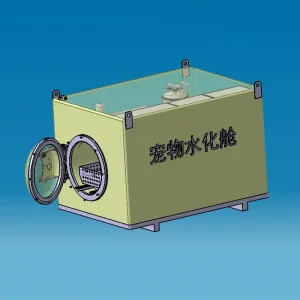
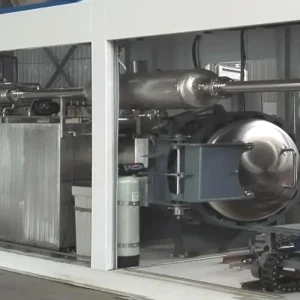
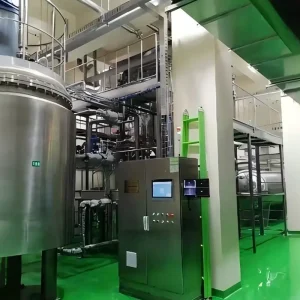
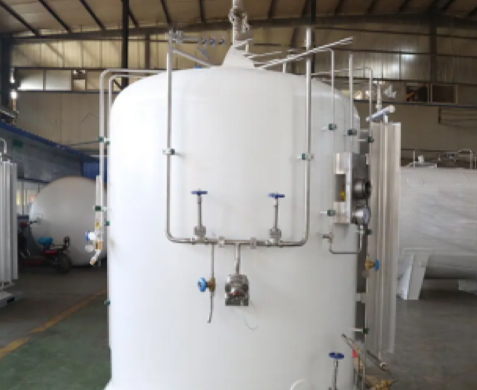
Our focus lies in the R&D and manufacturing of energy conservation and environmental protection systems. We deliver bespoke pressure vessels, medical waste treatment setups, animal tissue processing equipment, live toxic wastewater treatment systems, and skid-mounted configurations for natural gas liquefaction, coalbed methane, shale gas, VOC treatment, and industrial refrigeration.
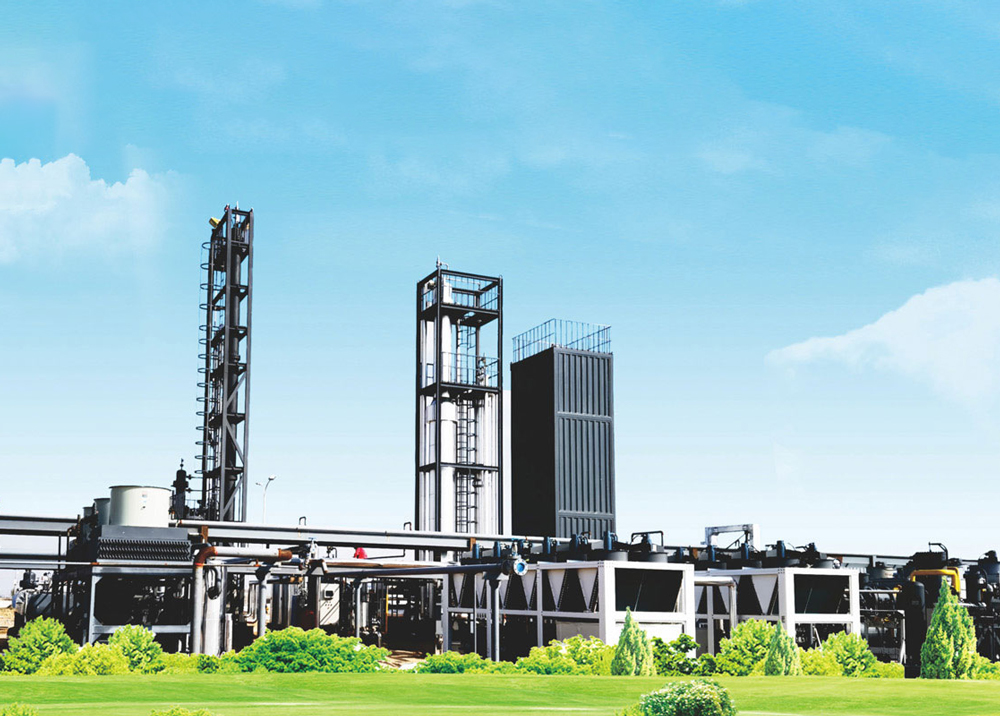
Guided by distinguished scientists and engineers from China's top academic institutions, pushing technical boundaries in thermodynamics and cryogenic systems.
Delivering high-tech processing modules across clean energy production, industrial waste abatement, and process engineering.
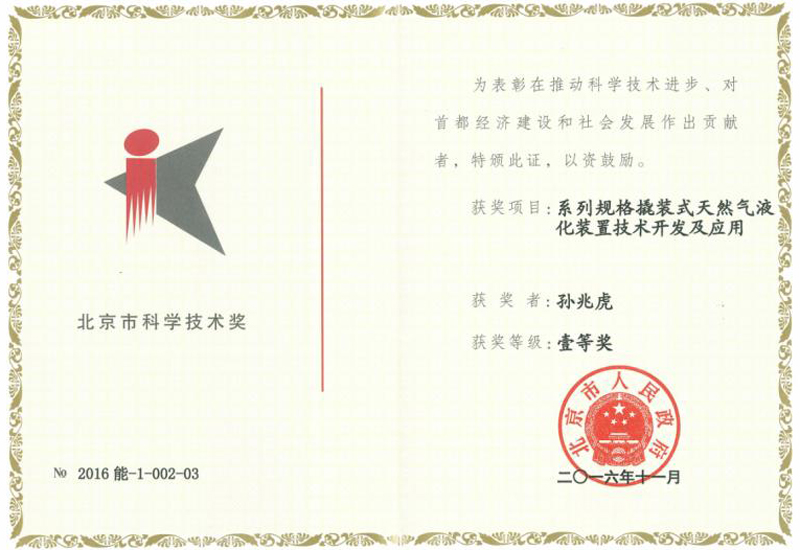
Our collaborative infrastructure with the Chinese Academy of Sciences (CAS) and Tsinghua University ensures every filter system and liquefaction skid benefits from modern thermodynamic modeling. We do not just build metal vessels; we optimize fluid dynamics, heat transfer parameters, and capture kinetics to yield lower operational costs for our clients.
Over the last decade, our leadership has focused on skid-mounted gas treatment systems. Traditional systems require complex on-site civil works. Our design approach emphasizes pre-tested, skid-mounted modular frames, shrinking construction timelines by up to 60% and ensuring leak-proof operation in volatile gas environments.
Why industrial procurement teams choose Hebei Hongke Qingneng for complex separation and containment projects.
Located within the Bohai Economic Rim, we leverage direct partnerships with Tier-1 steel mills to procure quality structural steel, SS316L, and specialty alloys with full mill test reports.
Our workshops utilize advanced submerged arc welding, multi-axis CNC machining, and automated non-destructive testing (NDT) systems to achieve zero-defect welding lines.
Certified under GB/T19001-2016 (ISO 9001), Sinopec HSSE, and CNPC HSE management systems. Our engineering department specializes in crossing the chasm between diverse global standards.
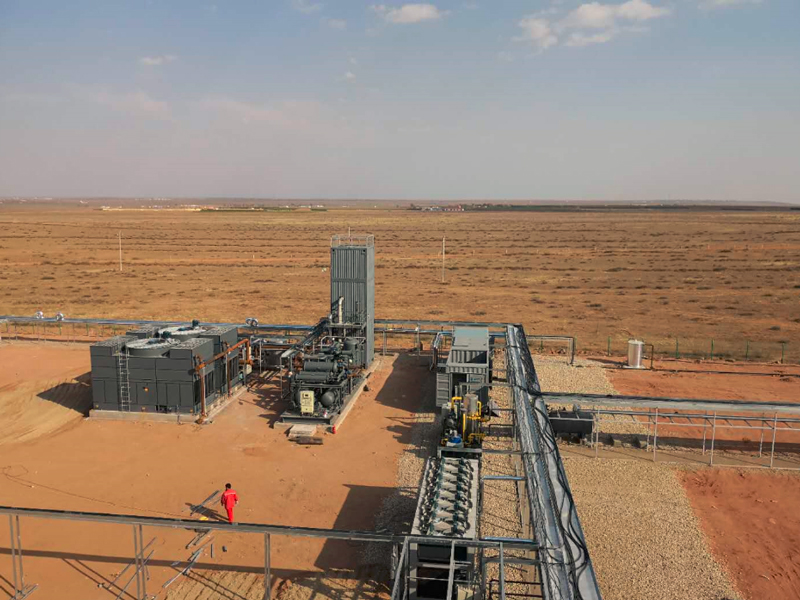
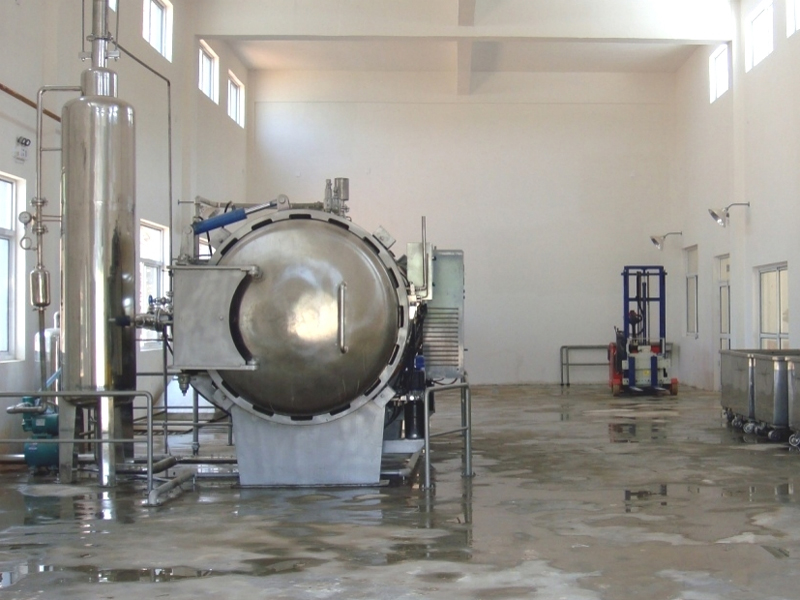
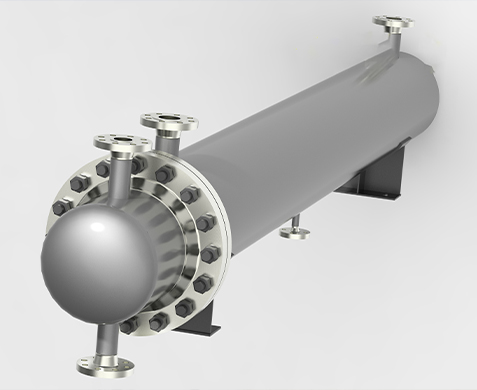
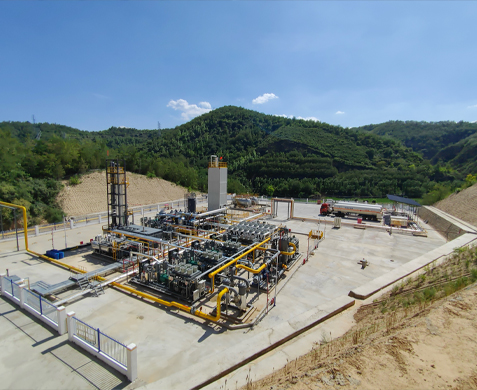
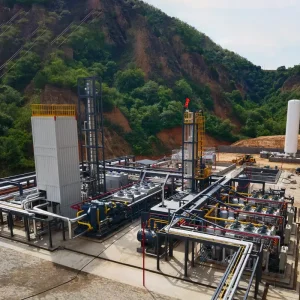
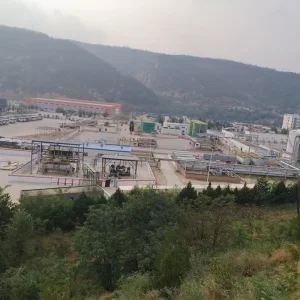
Explore some of our heavy environmental protection installations in high-stakes operating environments.
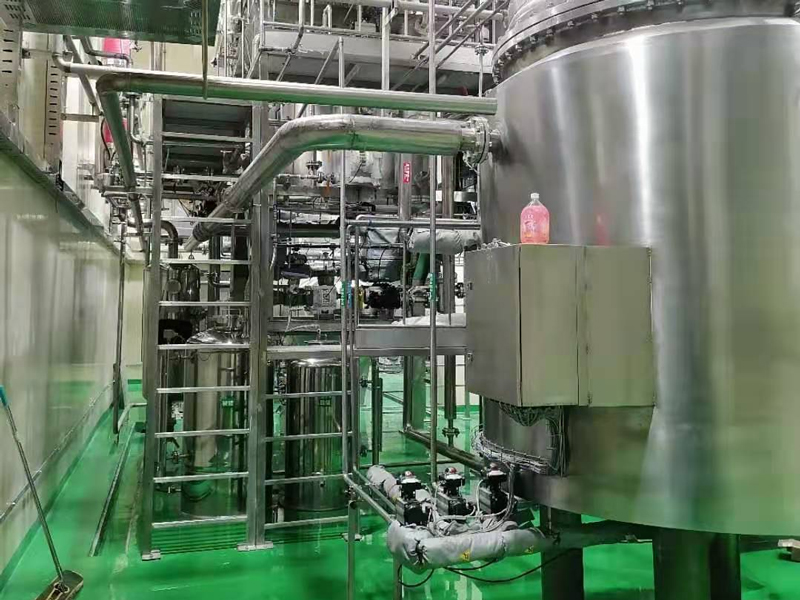
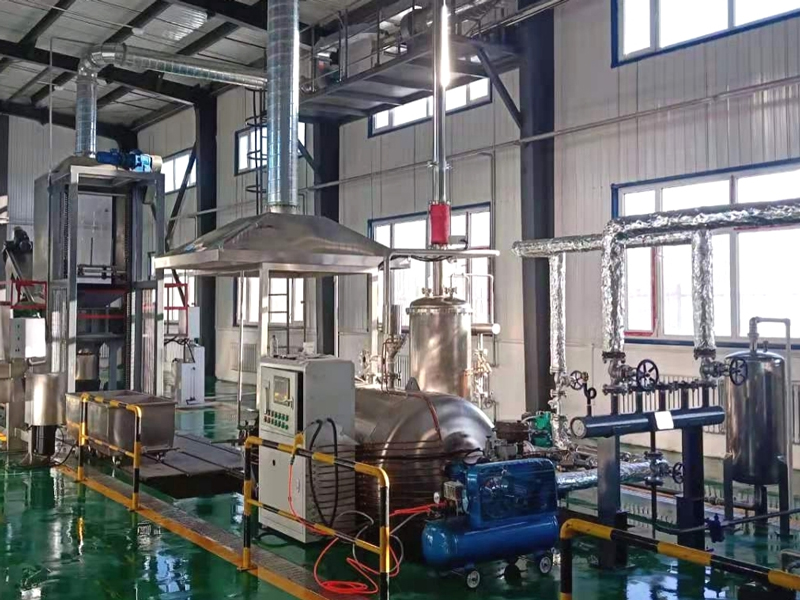
Procuring capital equipment from China requires thorough alignment with local directives. Whether your project demands compliance with the ASME Boiler and Pressure Vessel Code (BPVC) in North America, the Pressure Equipment Directive (PED) in Europe, or CRN registrations in Canada, our engineering office bridges the gap.
We supply complete engineering drawings, welding procedure specifications (WPS), non-destructive testing (NDT) maps, and third-party inspection certifications (SGS, TUV, BV) as standard deliverables. By managing compliance at the source, we help clients avoid regulatory delays and commissioning bottlenecks during on-site integration.
Industrial separation, purification, and filtration form the backbone of modern chemical refining, natural gas treatment, and environmental control systems. As global standards tighten for sulfur emissions, greenhouse gas discharge, and biological hazardous waste, traditional filtration systems face performance limits. Modern gas systems must operate at higher velocities, higher temperatures, and extreme pressures while maintaining low mechanical wear.
Dry and wet desulphurisation systems are critical for managing raw natural gas streams and industrial flue gas. Dry desulphurisation utilizes solid-state metal oxide sorbents (such as zinc oxide or iron oxide) to chemically bind hydrogen sulfide (H2S). Our systems feature multi-chamber configurations that allow for online bed changeout without shutting down operations. For larger volumes, wet desulphurisation units utilize chemical or physical solvents to absorb acid gases, incorporating optimized spray nozzles and mist eliminators to minimize solvent carryover.
With natural gas liquefaction shifting toward decentralized fields, skid-mounted LNG systems have gained traction. By pre-assembling the purification (deacidification, molecular sieve dehydration, and heavy hydrocarbon removal) and liquefaction units onto a steel frame, transport and installation costs are minimized. A key focus of our recent R&D is the extraction of high-value helium from Boil-Off Gas (BOG) in LNG storage facilities, utilizing cryogenic separation combined with pressure swing adsorption (PSA) technology.
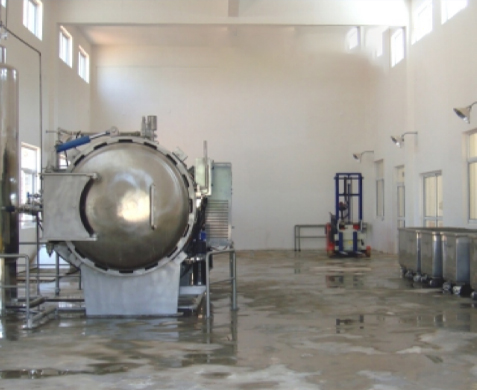
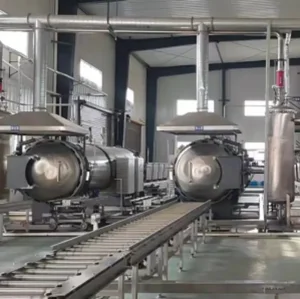
Thermal hydrolysis and high-temperature steam sterilization systems serve as barriers against pathogen spread in medical facilities and research labs. Designing vessels for biological waste requires eliminating internal dead zones where bio-agents can pool. Our systems utilize mirror-polished SS316L internal surfaces, steam jackets, and automated validation programs to achieve complete pathogen neutralization.
Answers to common engineering questions regarding custom pressure vessels, purification skids, and global procurement logistics.
We hold the Chinese national A2 level pressure vessel manufacturing license (conforming to GB150). Our engineering department can design, calculate, and fabricate systems to align with ASME Section VIII Division 1 and PED codes, and we regularly coordinate with third-party testing agencies (TUV, BV, SGS) for international delivery.
Using Computational Fluid Dynamics (CFD) modeling, we analyze flow distribution across adsorption beds and catalytic chambers. This prevents channeling, ensures uniform fluid velocity through molecular sieves or carbon beds, and extends desolventizer and catalyst life.
Depending on capacity and process complexity, basic engineering and detailed design typically require 4-6 weeks. Procurement of long-lead alloys and instrumentation combined with fabrication takes 12-16 weeks. Testing, pre-commissioning, and packaging are completed in 3-4 weeks.
Our autoclaves feature dual-stage vacuum pumps for thorough air removal, ensuring complete steam penetration. Exhaust gases pass through high-efficiency particulate air (HEPA) filters before discharge. High-accuracy sensors monitor temperature and pressure across the entire cycle to verify decontamination.
Yes, we provide commissioning support. Our engineers can supervise site installation, check electrical and piping connections, perform final loop tests, and train local operations staff. We also support remote diagnostics for PLC automation systems.
We manufacture cascade refrigeration plants and helium liquefiers capable of operating from -40°C down to -180°C. These systems use multi-component mixed refrigerants optimized by our CAS researchers for efficiency and thermodynamic stability.
Our systems combine multi-stage condensation, activated carbon concentration, and catalytic oxidation. This approach recovers high-value solvents and reduces remaining hydrocarbons to meet local emission limits, lowering overall operating costs.
Yes. All critical structural and pressure-retaining welds undergo NDT, including Radiographic Testing (RT), Ultrasonic Testing (UT), Magnetic Particle Testing (MT), and Dye Penetrant Testing (PT). The full documentation package is handed over to the client upon shipment.
Additional engineering solutions designed for high pressures, extreme temperatures, and harsh chemical environments.
 Hongke Qingneng