Explore our high-performance solutions engineered for the world's most demanding thermal and environmental processing requirements.
A comprehensive examination of thermodynamics, pressure boundary engineering, and industrial efficiency pathways.
In modern industrial thermal systems, the conservation of energy and the minimization of entropy generation are paramount. A Flash Steam Vessel (commonly referred to as a flash tank) stands as a core component in optimizing condensate systems. When high-pressure condensate is discharged to a lower pressure regime, its thermal capacity exceeds the saturated liquid enthalpy limit of the new pressure level. This thermodynamic excess manifests as rapid vaporization, producing high-purity flash steam.
Integrating a flash vessel into your steam loop is not merely an operational utility; it is a critical strategy for energy recovery. By converting sensible heat from high-pressure condensate into latent heat in low-pressure steam, industrial facilities can reuse this thermal energy for preheating, process steam headers, or secondary heat exchange. This reduces the requirement for virgin fuel consumption in steam boilers, leading directly to lower carbon emissions and operational cost savings.
The flashing phenomenon is governed by the conservation of enthalpy. The quantity of flash steam generated ($x$) can be calculated using the thermodynamic properties of water and steam:
Where:
Without an optimally designed flash steam vessel, this vaporized volume creates dynamic two-phase slug flow in condensate return headers, causing pipe hammering, accelerated corrosion, and elevated backpressure on steam traps, which compromises upstream heat exchanger efficiency.
| Initial Pressure (barg) | Flash Pressure (barg) | Sensible Heat Deficit (kJ/kg) | Flash Steam Yield (%) | Equivalent Fuel Savings (%) |
|---|---|---|---|---|
| 10.0 | 0.5 | 354.1 | 15.8% | 12.4% |
| 8.0 | 1.0 | 272.5 | 12.1% | 9.5% |
| 6.0 | 0.2 | 238.4 | 10.6% | 8.3% |
| 15.0 | 2.0 | 468.2 | 20.8% | 16.3% |
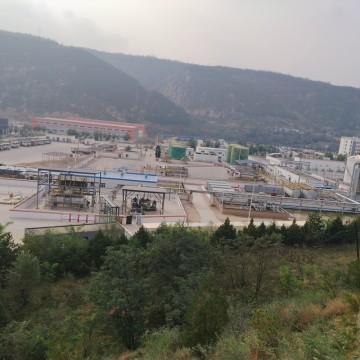
As the industrial manufacturing hub of the world, China has developed an integrated ecosystem for heavy engineering and pressure vessel fabrication. Our production base in the Sanhe Economic Development Zone, Langfang City, capitalizes on these regional advantages to deliver high-specification flash steam vessels globally.
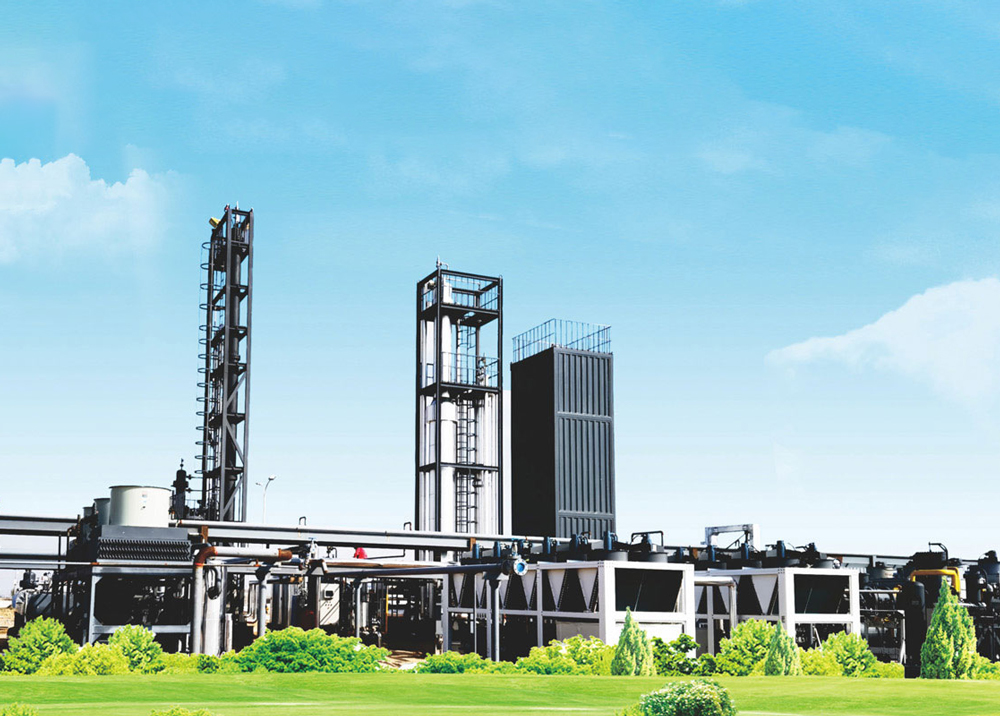
Our solutions are developed by industry-recognized researchers, bringing academic rigor and engineering excellence to our environmental and thermal systems.
Founder & Chairman
Obtained a doctor's degree from the Institute of Physics and Chemistry Technology, Chinese Academy of Sciences (CAS). A senior engineer who has led national programs including the 863 Program and Natural Science Foundation projects.
Awarded the First Prize of Science and Technology of China Coal Industry (2013) and Beijing Science and Technology Award First Prize (2016). Presided over 20+ independent R&D patents.
General Manager & Senior Engineer
Ph.D. candidate and Senior Engineer at the Institute of Physics and Chemistry Technology, CAS. Presided over the company's market and engineering operations for years.
Published 24 academic papers (11 SCI/EI indexed), author of 5 national invention patents. Recipient of the Special Award of the China Refrigeration Society (2015) and Beijing Science and Technology Award First Prize (2016).
Chief Engineer
Doctor of Engineering from the Institute of Physics and Chemistry Technology, CAS. Specialist in skid-mounted natural gas liquefaction systems and industrial thermodynamics.
A leading researcher in phase change heat transfer characteristics and flow dynamics of mixed working media. He directs the process design for our environmental and thermal equipment portfolios.
From centralized clinical waste sterilization to natural gas purification and chemical off-gas treatments.
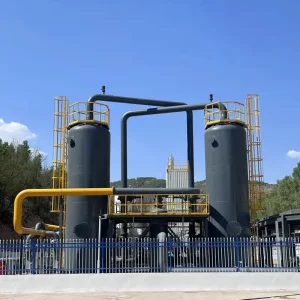
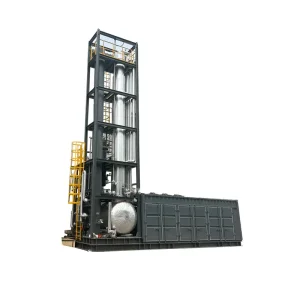
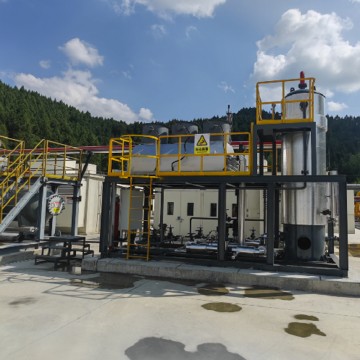
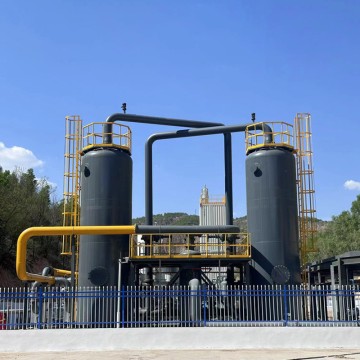
Utilized in heavy hydrocarbon extraction and natural gas dehydration skid assemblies. Our vessels separate gas/liquid phases under high pressures, preventing condensate carry-over in downstream piping.
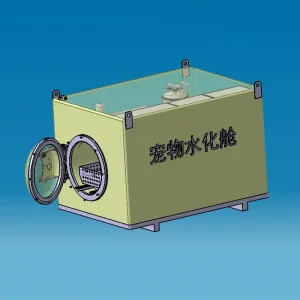
Designed to support high-temperature steam treatment equipment for medical waste. Ensures that steam parameters remain saturated at target pressures (above 134°C) to guarantee microbial destruction.
Custom sanitary-grade non-standard pressure vessels built for biopharmaceutical lines, engineered to maintain steam purity and withstand repeated CIP/SIP thermal cycling.
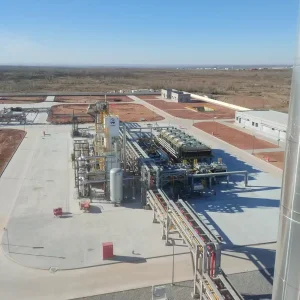
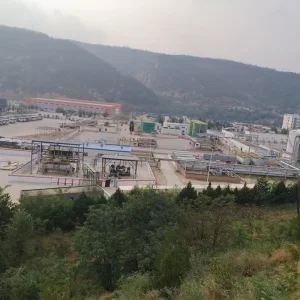
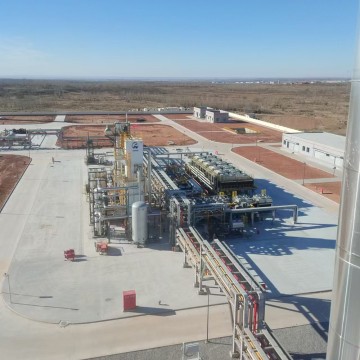
Real-world projects demonstrating our systems deployed across industrial thermal plants, gas fields, and medical waste facilities.
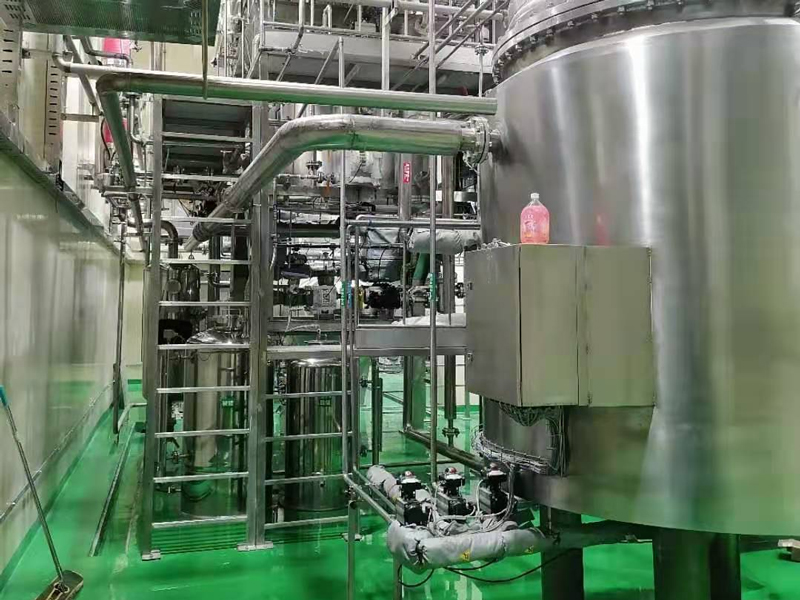
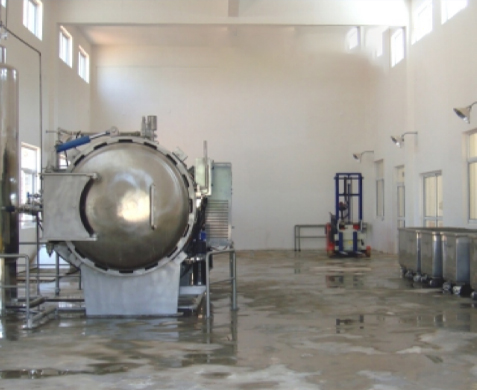
High-pressure sterilization system configured for bio-safety containment facilities.
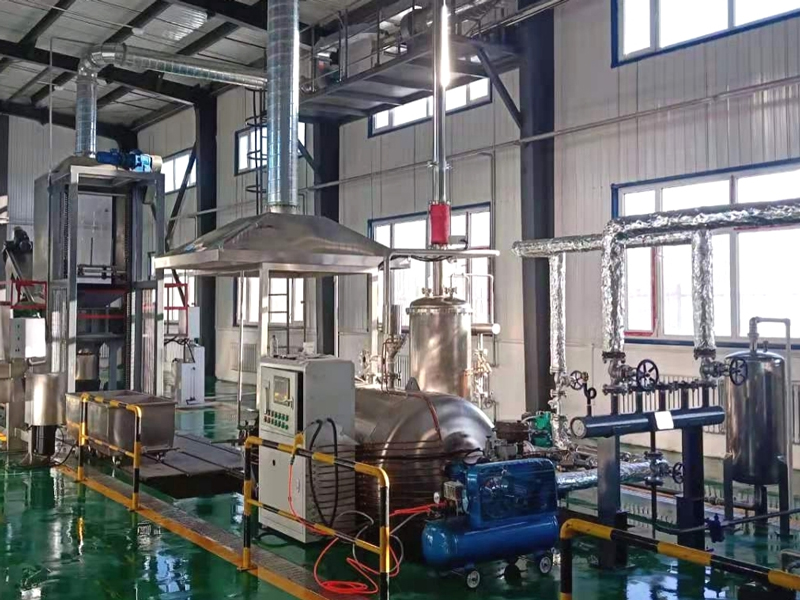
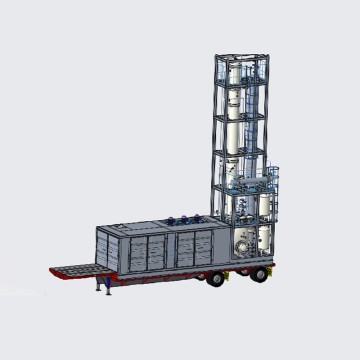
Trailer-mounted steam processing unit for emergency environmental response.
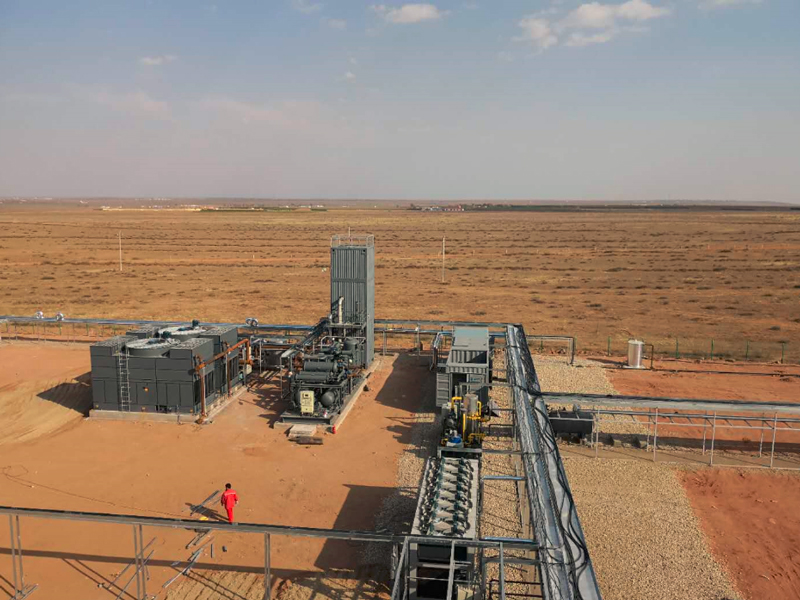
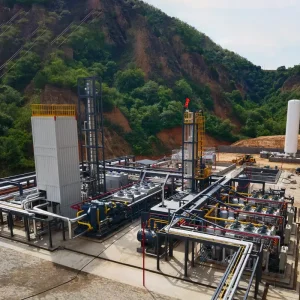
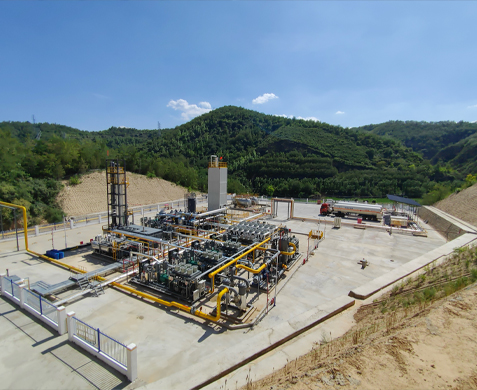
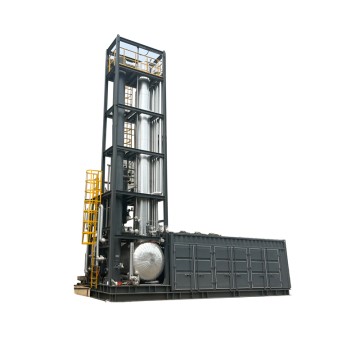
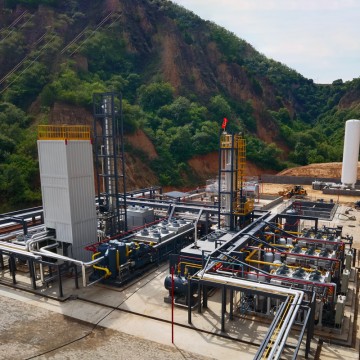
Cryogenic processing skids designed for remote shale gas monetization.
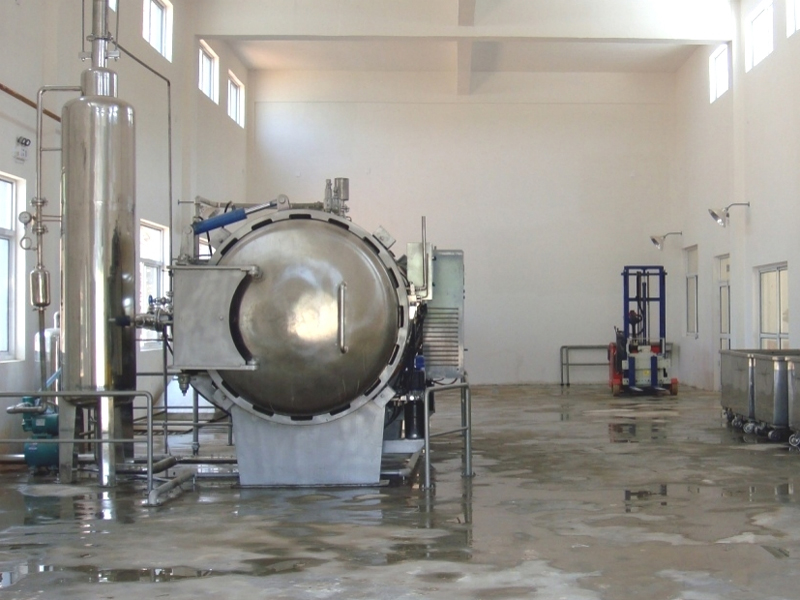
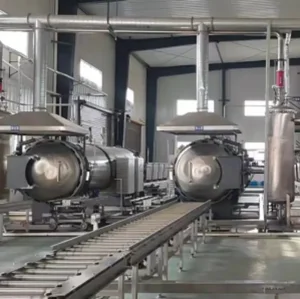
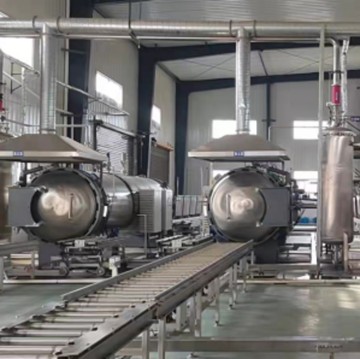
Multi-ton daily processing facility utilizing high-pressure saturated steam.
Ensuring compliance, reliability, and thermodynamic efficiency when sourcing industrial flash steam vessels.
Proper liquid-to-vapor separation requires specific internal geometry inside the flash vessel. Sizing guidelines dictate that the vertical upward velocity of the exiting flash steam must not exceed the droplet entrainment velocity:
Where:
Our vessels are designed with specialized internal baffle plates and mist eliminators to maximize steam dryness (approaching 98%), preventing erosion in low-pressure steam mains and ensuring high heat transfer performance.
Leveraging specialized manufacturing certifications and academic partnerships to deliver high-performance environmental systems.

Centralized and mobile high-temperature steam sterilization systems for clinical and biological wastes.

Skid-mounted gas purification, deacidification, dehydration, and LNG liquefaction plants.

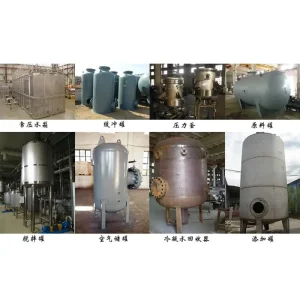
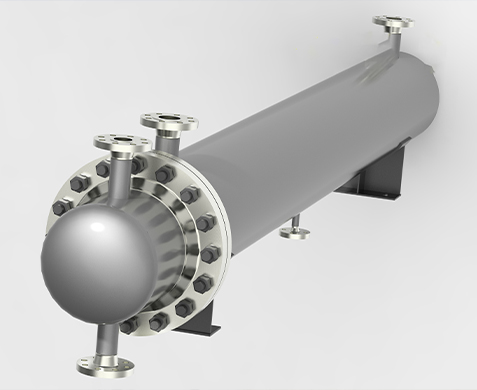
Shell-and-tube heat exchangers, experimental test rigs, and custom industrial pressure systems.

Deep-temperature units (-40℃ to -180℃), freeze dryers, and vacuum cold traps.
Expert guidance addressing sizing, integration challenges, and operating parameters of flash steam vessels.
The vessel diameter is sized based on the vapor velocity. The cross-sectional area must be large enough to reduce the upward steam velocity below the entrainment threshold (typically 1.5 to 3.0 m/s depending on operating pressure). If the steam velocity is too high, liquid droplets are swept into the low-pressure outlet header, leading to wet steam and potential water hammer in downstream systems. Our engineers utilize proprietary sizing software to calculate the exact diameter for your custom process parameters.
Both codes define strict safety boundaries for pressure vessels, but differ in safety factors, allowable material stresses, and testing protocols. ASME Section VIII is standard across the Americas and many global sites, while GB-150 is the national standard in China. Our facility holds Chinese A2 manufacturing qualifications, meaning our structural engineering team can design vessels to satisfy either standard, ensuring fully certified integration at your plant site.
Skid-mounted integration compiles all components—including the flash vessel, steam valves, safety vents, condensate level controls, and instrumentation—onto a rigid structural steel frame. This configuration allows for fabrication, testing, and alignment in our factory under controlled conditions, minimizing onsite pipework, reducing field installation time, and lowering deployment costs.
Annual inspection of internal baffles or demister pads is recommended to identify scaling or erosion. The level control valve, pressure safety valve, and bottom blowdown line must be tested routinely. Depending on the chemical purity of your steam loops, corrosion coupons or ultrasonic wall-thickness tests should be conducted every two years to verify wall integrity.
Input your process parameters to receive a customized sizing proposal and vessel quote from our engineering team.
Explore our wider range of skid-mounted desulphurisation, VOC recovery, and cryogenic processing systems.
Engineered to client specifications at our Langfang manufacturing base.
 Hongke Qingneng