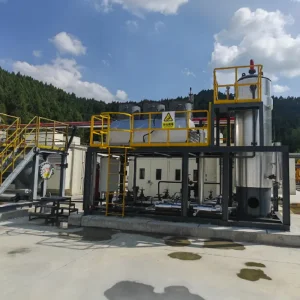
Engineered for extreme performance, compliance, and thermal reliability across critical process systems.
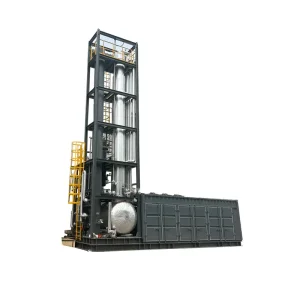
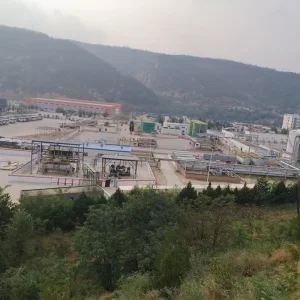
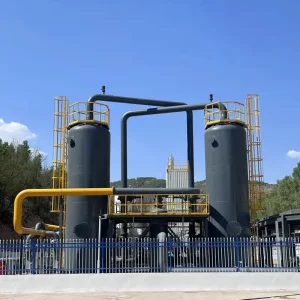
The global industrial refrigeration, purification, and sub-zero gas processing industries are undergoing a massive transition driven by the necessity for decarbonization, increased thermal efficiency, and the development of localized resource pipelines. High-capacity freezer equipment, low-temperature liquefaction skids, and advanced purification setups represent the backbone of this transformation. These systems are no longer merely auxiliary tools; they are highly integrated thermal loops operating under high pressures, cryogenic conditions, and complex chemical environments.
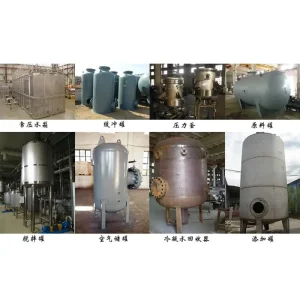
Industries such as LNG liquefaction, coalbed methane (CBM) capture, helium extraction, and heavy petrochemical separation require exact control of multi-component fluid mixtures. These processes rely on thermal dynamics down to -180°C and below. Crucial to this efficiency is the optimization of mixed refrigerant processes, the design of non-standard pressure vessels that can withstand intense cryogenic stresses, and structural skids that minimize site integration challenges while ensuring safety and compliance.
Delivering sustained environments from -40°C to -180°C, optimized for deep hydrocarbon condensation and gas recovery systems.
Engineered and manufactured in strict compliance with safety codes to survive rapid thermal fluctuations and high pressures.
Robust catalytic and thermal purification to remove acids, moisture, and heavy fractions, eliminating system fouling risk.
To manage these complex systems, engineering and manufacturing entities must maintain a strict level of technical competence. Purely commercial operations cannot offer the technical depth required to design, calculate, simulate, and fabricate bespoke heat exchangers, cold traps, and column structures. It is here that Hebei Hongke Qingneng Environmental Protection Equipment Co., Ltd. demonstrates its expertise.
A premier Chinese manufacturing factory specializing in environmental protection and cryogenic pressure systems.
Established in June 2021, with a registered capital of 78 million yuan, Hebei Hongke Qingneng Environmental Protection Equipment Co., Ltd. is located in the Sanhe Economic Development Zone, Langfang City. The company focuses on research, development, design, and manufacturing within the energy conservation and environmental protection sectors.
Our manufacturing range covers A2 level pressure vessels, centralized and mobile medical waste high-temperature steam treatment equipment, biological wastewater systems, animal tissue treatment setups, VOC capture plants, and skid-mounted purification and liquefaction modules for shale gas, natural gas, and coalbed methane. We also excel in low-temperature industrial refrigeration, helium extraction from BOG (Boil-Off Gas), and non-standard shell-and-tube thermal exchangers.
Registered Capital (RMB)
Pressure Vessel License
Invention Patents
Active Plant References
Industrial cryogenic equipment relies heavily on scientific research and thermal engineering. Our core technical framework is developed in cooperation with leading scientific institutions, including Tsinghua University and the Institute of Physics and Chemistry Technology, Chinese Academy of Sciences (CAS). Our team includes recognized experts in engineering thermodynamics.
Ph.D. from the Institute of Physics and Chemistry Technology, CAS, and a National Senior Engineer. He has led projects under the National 863 Program, the Natural Science Foundation, and aerospace/military programs. Recipient of the Special Prize of Technological Invention of the Chinese Society of Refrigeration (2015) and the First Prize of the Beijing Science and Technology Award (2016). He has managed the deployment of over 50 sets of skid-mounted liquefaction facilities.
Ph.D. candidate and Senior Engineer at the Institute of Physics and Chemistry Technology, CAS. He has managed commercialization and engineering delivery for over a decade. Principal investigator on national science and technology special projects, author of 24 academic papers (11 SCI/EI indexed), and holder of 5 patents. Co-recipient of the 2015 Technological Invention Award and the 2017 Silver Medal of the 19th China International Industry Expo.
Ph.D. in Engineering from the Institute of Physics and Chemistry Technology, CAS. Specialist in multi-component mixed refrigerant cycle thermodynamic processes. Developed the key specifications for skid-mounted natural gas liquefaction. His research has addressed phase change heat transfer characteristics and flow behavior of mixed fluids in micro-channel and shell-and-tube exchangers.
This academic and engineering expertise ensures our designs are built on proven thermodynamic principles. We use advanced computer modeling to simulate fluid flows, phase separation, and thermal stress points before fabrication begins.
China's manufacturing sector provides significant cost and schedule advantages, especially in heavy engineering and environmental equipment. The industrial clustering in Sanhe and the wider Hebei region gives us access to a highly integrated supply chain for raw materials, heat exchangers, valves, and control elements.
Key manufacturing factors that keep our products competitive globally include:
These factors allow us to provide cost-effective equipment to global operators while maintaining high performance and quality standards.
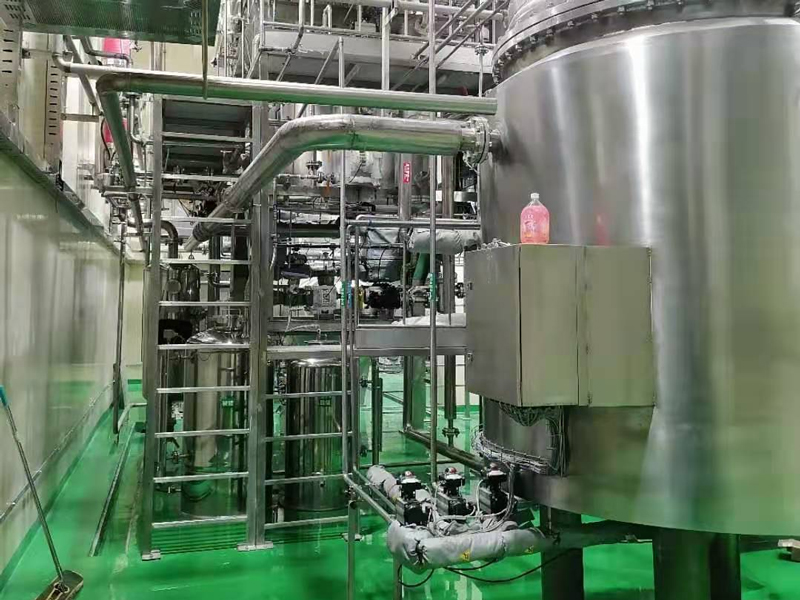
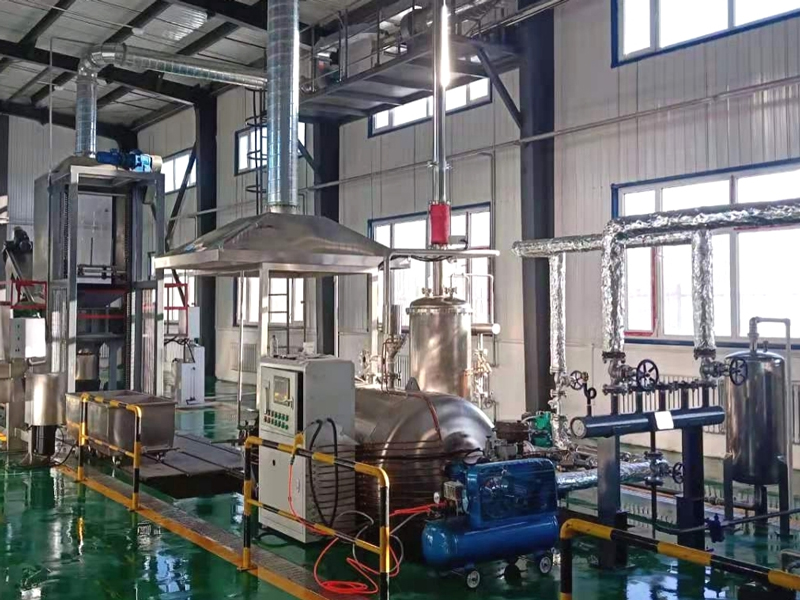
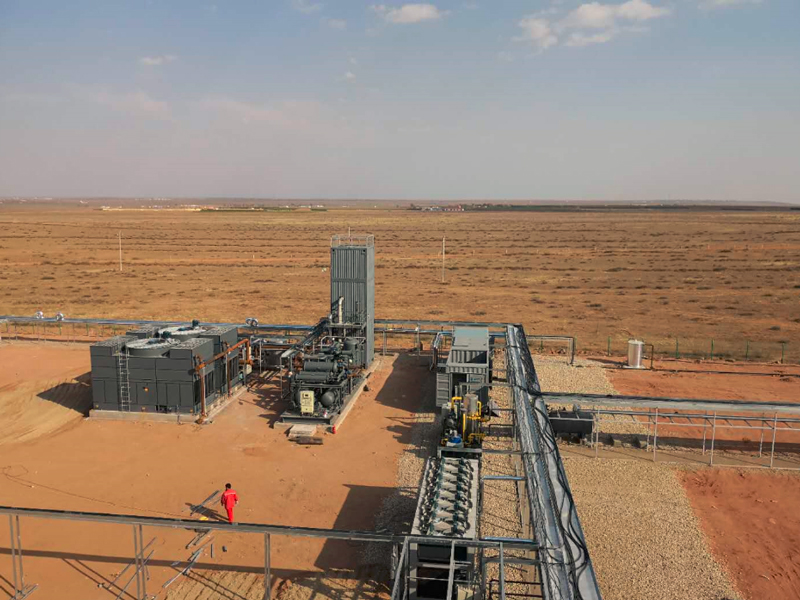
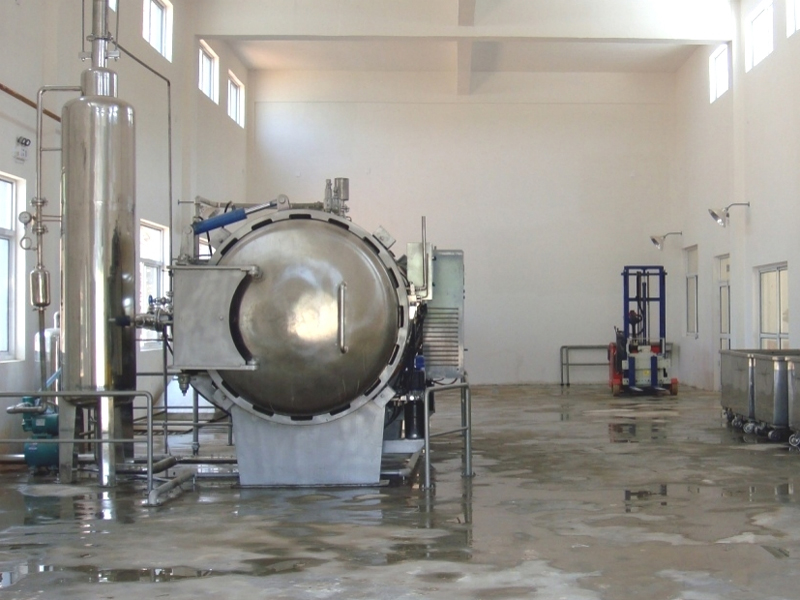
Processing natural gas, coalbed methane, or shale gas requires removing impurities like carbon dioxide, hydrogen sulfide, water vapor, and heavy hydrocarbons. Our deacidification, dehydration, and heavy hydrocarbon removal skids prepare gas streams to meet strict pipeline or liquefaction specifications.
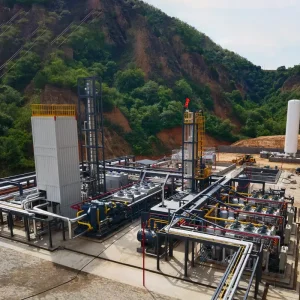
For gas liquefaction, our skid-mounted LNG units use mixed refrigerant cycles to cool and condense natural gas at temperatures below -160°C. These systems are modular, allowing fast deployment to remote fields to capture flared or vented gas, converting environmental liabilities into fuel assets.
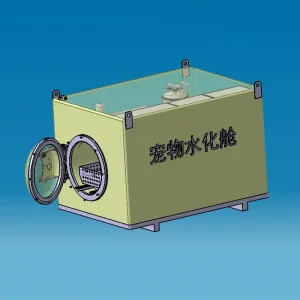
Effective treatment of biological and medical waste requires reliable autoclave and steam disinfection technologies. Our high-temperature steam treatment systems use automated vacuum cycles to ensure thorough heat penetration into dense waste matrices.
These units process infectious waste, clinical residues, and laboratory biological materials. By using computerized temperature and pressure logging, they provide verifiable treatment that meets public health and environmental protection regulations.
In specialized manufacturing and chemical processes, temperatures between -40°C and -180°C are required. Our industrial chillers and vacuum cold traps (-135°C) support chemical synthesis, pharmaceutical freeze-drying, and specialized semiconductor processes.
Additionally, our recovery units extract helium from Boil-Off Gas (BOG) at LNG terminals. Using deep cryogenic separation, they recover trace helium to supply demanding applications in scientific research, medical scanning, and electronics manufacturing.
Buying engineered equipment from international suppliers requires careful evaluation of design compliance, manufacturing standards, and project schedules. We offer a structured path from early concept drawings to final site startup:
Answers to technical and commercial questions about our products and manufacturing standards.
We manufacture in accordance with the GB150 Chinese national standard, matching our A2 level manufacturing credentials. We can also align our fabrication, material testing, and non-destructive testing with ASME Section VIII Div. 1 and CE-PED standards to satisfy localized engineering requirements.
We optimize the mixed refrigerant cycle (MRC) by adjusting the nitrogen, methane, ethane, propane, and butane ratios to fit the feed gas pressure and temperature. By matching the cooling curve, we reduce compressor energy consumption and maximize overall LNG yield.
Skid-mounted configurations are fully assembled, piped, wired, and tested in our factory. This minimizes on-site assembly work, reducing field construction costs, risks, and installation timelines, particularly in remote areas.
Our medical and animal waste systems use pre-vacuum stages to remove air pockets from the sterilization chamber. Saturated steam is then introduced under pressure, maintaining temperatures of 134°C or higher for the required exposure time to ensure complete sterilization.
For temperatures below -45°C down to -196°C, we use austenitic stainless steels like 304, 304L, and 316L, or specialized nickel alloys. This prevents low-temperature embrittlement and maintains structural strength under high operating pressures.
Explore our full line of pressure systems, treatment equipment, and skid-mounted purification modules.
 Hongke Qingneng