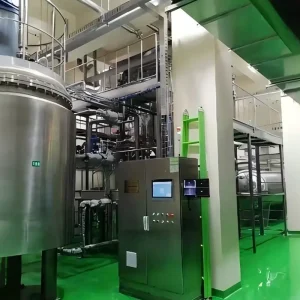
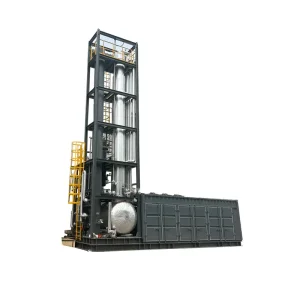
The global demand for industrial gas liquefaction systems has witnessed unprecedented growth over the past decade. Driven by the aggressive transition toward cleaner energy matrices, decentralized natural gas liquefaction, and cryogenic storage facilities, industrial operators require highly optimized, low-boil-off liquefaction packages. As major economies target carbon neutrality, the recovery of associated gas, shale gas, and coalbed methane (CBM) has shifted from a regulatory compliance burden to a highly profitable environmental asset.
Modern liquefaction processes depend heavily on advanced thermodynamic cycles, specifically the Mixed Refrigerant Cycle (MRC) and Nitrogen Expansion systems. For remote oil fields and decentralized gas reserves, standard massive base-load liquefaction plants are economically unviable. Instead, the global procurement focus has transitioned toward skid-mounted, mobile, and modular LNG liquefaction plants that minimize site construction work, lower initial CAPEX, and allow rapid redeployment as well-head pressure fluctuates.
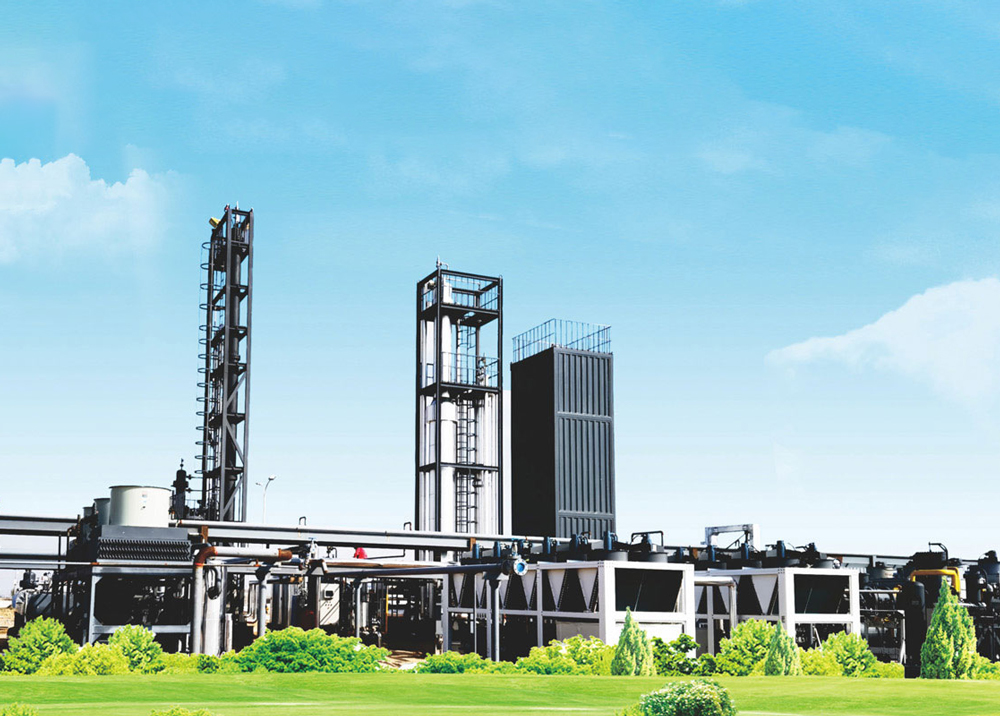
In the global market, China has consolidated its position not merely as a cost-efficient manufacturing base, but as a technological pioneer in high-temperature hydrolysis, gas purification, and cryogenic separation technologies. The convergence of heavy industrial manufacturing with Industry 4.0 digitisation has enabled Chinese factories to design, simulate, and manufacture highly complex skid assemblies with extreme precision.
Based in the Sanhe Economic Development Zone, Langfang City, Hebei Hongke Qingneng Environmental Protection Equipment Co., Ltd. represents the pinnacle of this shift. The localization of metallurgy pipelines, control valves, automated welding cells, and non-destructive testing (NDT) capabilities inside a single industrial cluster allows Chinese manufacturers to offer lead times that are 30% to 50% shorter than traditional European or North American counterparts, with no compromise on international engineering standards (such as ASME, GB, or CE directives).
Information Gain: Why Modular Skid Integration is Replacing Field Fabrication: By integrating the liquefaction compressor, purification column (deacidification, dehydration, heavy hydrocarbon removal), and cold box onto a unified structural skid, global engineering firms reduce onsite installation risk. Over 95% of piping, electrical wiring, instrumentation loop checks, and hydrostatic testing are executed within the factory under controlled ambient conditions.
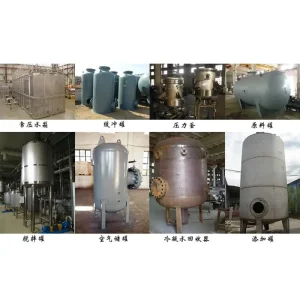
Certified to fabricate non-standard pressure vessels capable of operating under high pressure ranges.
R&D fueled by engineering breakthroughs from the Chinese Academy of Sciences.
Strict adherence to CNPC and Sinopec HSSE / HSE management standards.
Complete lifecycle from initial process simulation (HYSYS) to onsite commissioning.
Holding a doctorate from the Institute of Physics and Chemistry Technology, Chinese Academy of Sciences (CAS), Dr. Sun is a national senior engineer. He has spearheaded major projects under the National 863 Program and the Natural Science Foundation. His pioneering work has received several awards, including the Beijing Science and Technology Award and the Special Prize of Technological Invention by the Chinese Society of Refrigeration.
A Ph.D. candidate and senior engineer at the CAS Institute of Physics and Chemistry Technology. Zou Xin has successfully managed complex projects and municipal R&D platforms, authoring 24 domestic and international academic papers (including 11 SCI/EI index publications). He holds 5 national patents and won the Silver Medal at the 19th China International Industry Expo.
Doctor of Engineering from the CAS Institute of Physics and Chemistry Technology. Dr. Cheng specializes in process design optimization for skid-mounted natural gas liquefaction. His research on phase change heat transfer characteristics and flow behavior of mixed refrigerants underpins the high efficiency of Hebei Hongke's proprietary liquefaction systems.
International procurement teams evaluating liquefaction plants prioritize parameters that directly impact lifetime Levelized Cost of Liquefied Gas (LCOLG). The main factors include:
Our solutions target these priorities directly. From low-temperature industrial refrigeration packages (-40℃ to -180℃) to VOC treatment and helium extraction from boil-off gas (BOG), our equipment delivers verified performance under extreme field conditions.
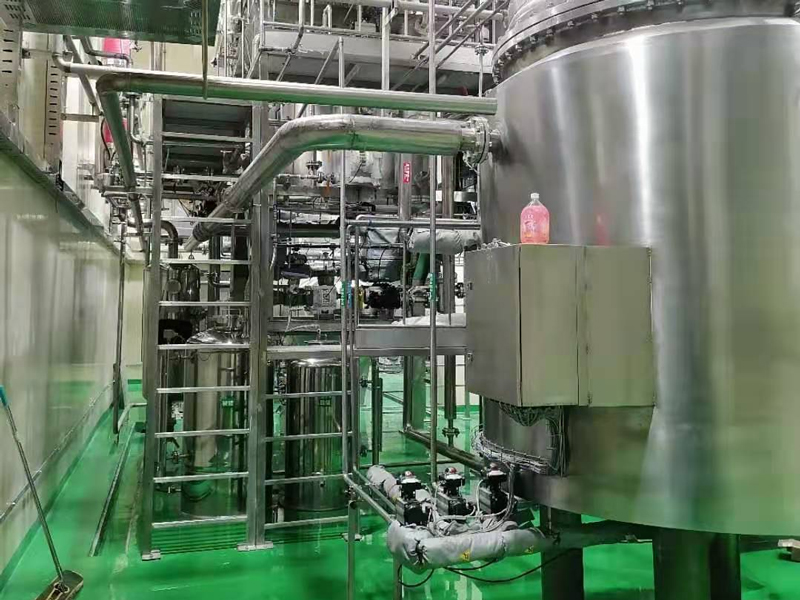
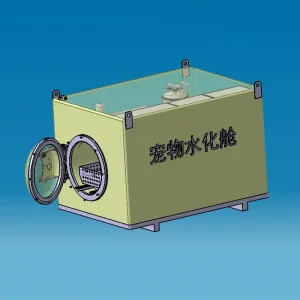
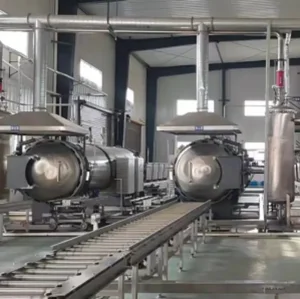
Animal Residue Harmless Treatment
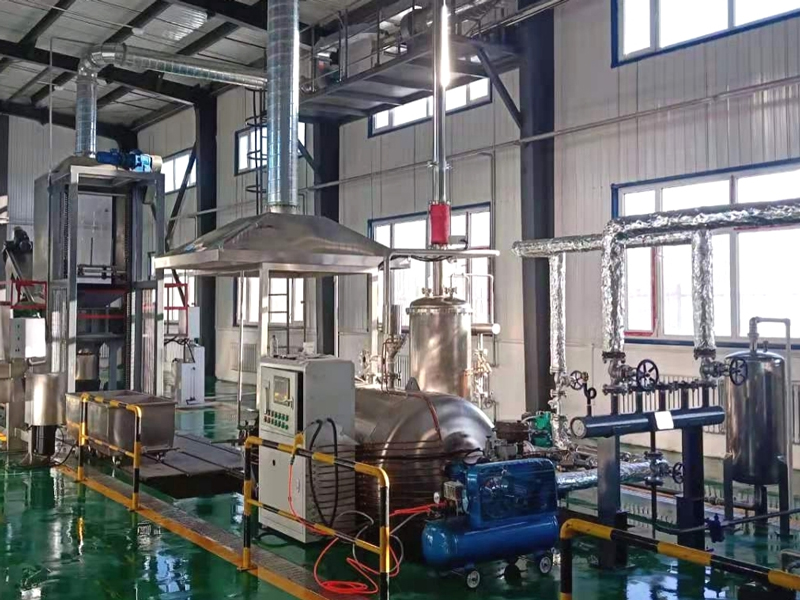
Mobile Medical Waste Unit
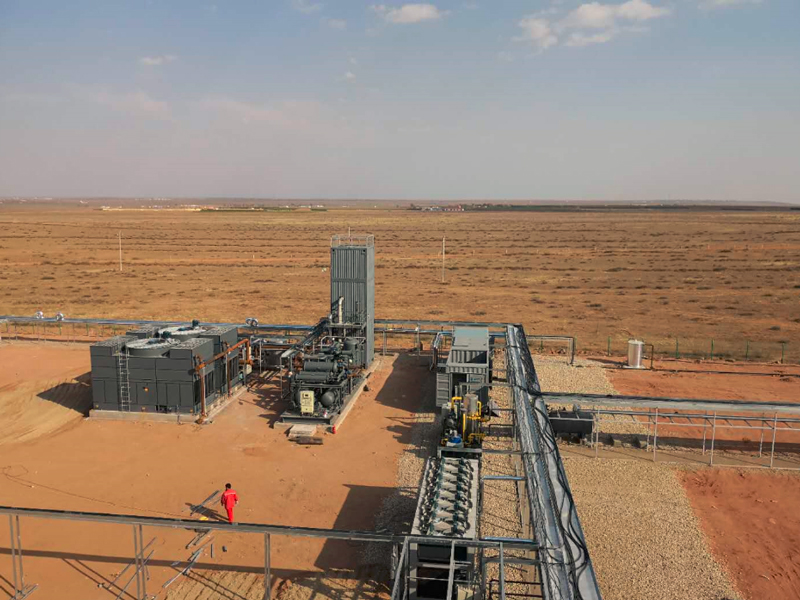
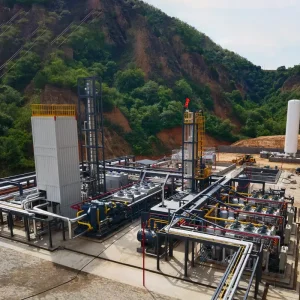
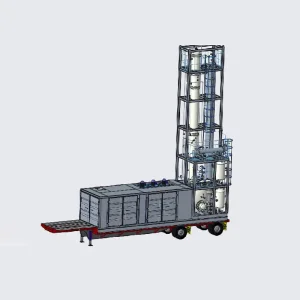
Wellhead Gas Liquefaction Project
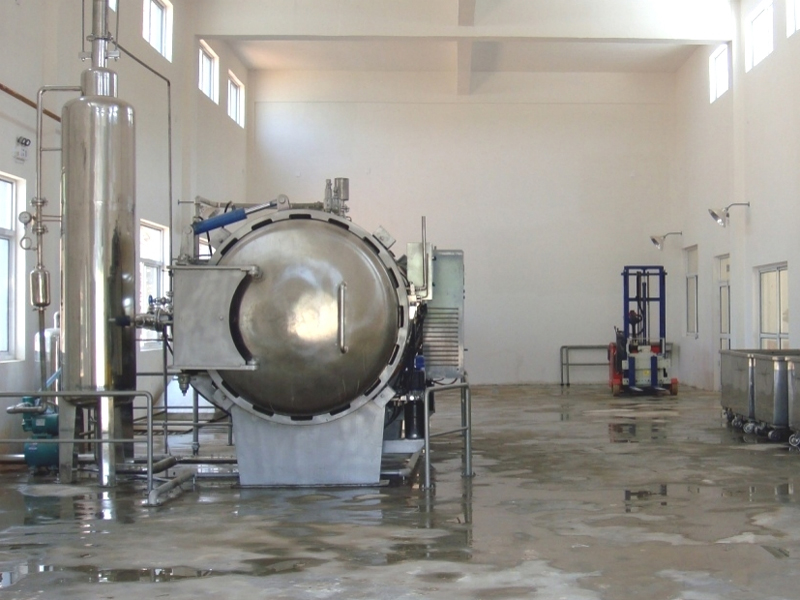
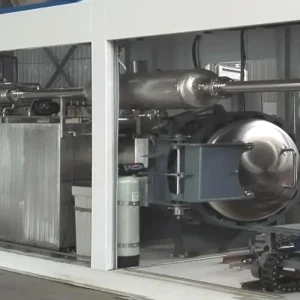
Medical Waste High-Temp Steam Plant
Skid-mounted configurations are fabricated and tested in-house. This design dramatically minimizes site erection time, avoids expensive local labor costs, and enables simple relocation when field pressures drop. It is highly suitable for associated flare gas recovery, shale gas wells, and isolated natural gas reserves.
Our MRC process utilizes custom mixtures of nitrogen, methane, ethane, propane, and butane. Based on research from CAS, we optimize these combinations to align with the temperature-enthalpy profile of the natural gas stream, achieving a high thermodynamic efficiency and lower specific power consumption compared to pure nitrogen expansion loops.
The animal tissues undergo high-temperature and high-pressure steam treatment, which breaks down complex biological tissues, kills pathogens, and yields sterile organic liquids and bone residues. This process meets international bio-security guidelines and is highly suitable for laboratory and agricultural applications.
Yes, our facility holds the A2 level pressure vessel manufacturing license and GB/T19001-2016 quality system certifications. We routinely customize heat exchangers, shell-and-tube reactors, and columns according to international codes to satisfy local regulatory standards.
Get in touch with our CAS-backed engineering team to design your customized liquefaction skids, purification packages, or non-standard vessels.
 Hongke Qingneng