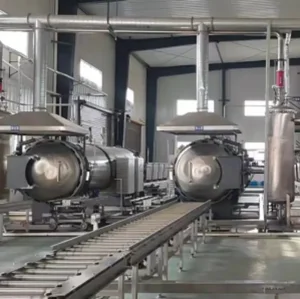
Explore our leading catalog of certified high-temperature sterilization chambers, environmental containment plants, and cryogenic gas skids.
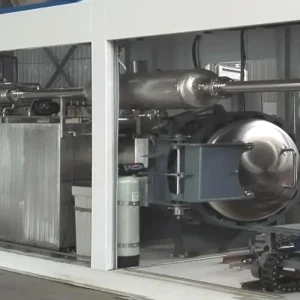
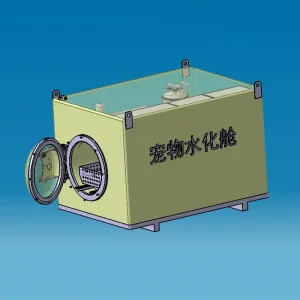
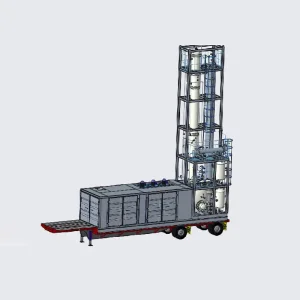
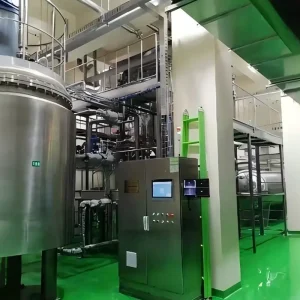
A deep dive into surface finishing, structural integrity, and process hygiene parameters for biopharmaceutical, chemical, and cryogenic gas industries.
In high-purity processing sectors, a Polish Vessel is not merely a tank with a shiny surface; it is a critical component engineered to prevent bacterial adhesion, corrosion, and cross-contamination. Surface finish quality is measured in Roughness Average (Ra). For instance, in bio-processing and pharmaceuticals, sanitary vessels must achieve an Ra < 0.4 μm, often requiring a combination of mechanical polishing and Electropolishing (EP).
Electropolishing is an electrochemical process that removes microscopic peaks from the stainless steel surface, creating a specular finish. This process not only optimizes cleaning efficiency (CIP/SIP cycle parameters) but also enhances the chromium-to-iron ratio on the surface, dramatically improving corrosion resistance against aggressive chemical sterilants.
Depending on the operating pressures and structural requirements, our non-standard pressure vessels utilize grade 304, 316L, or Duplex (SAF 2205) stainless steel. The low carbon content in 316L is crucial to mitigate chromium carbide precipitation during welding, ensuring that the heat-affected zones (HAZ) retain their rust-proof properties. Our manufacturing facility follows strict protocols for separation of carbon steel and stainless steel processing to avoid cross-contamination of iron particles.
To operate effectively as a globally recognized supplier, adherence to standard codes such as ASME Section VIII Division 1, European PED (Pressure Equipment Directive), and China's GB150 is mandatory. Each polished vessel produced by Hebei Hongke Qingneng Environmental Protection Equipment Co., Ltd. undergoes meticulous non-destructive testing (NDT), including radiographic testing (RT), ultrasonic testing (UT), dye penetrant inspections, and hydrostatic pressure verification, accompanied by full material traceability reports (MTRs) and weld logs.
Bridging academic research with heavy industrial production to pioneer environmental protection and cryogenic solutions.
Hebei Hongke Qingneng Environmental Protection Equipment Co., Ltd. was established in June 2021, with a registered capital of 78 million yuan. Located in the industrial base of Sanhe Economic Development Zone, Langfang City, the company focuses on the R&D and manufacturing of energy conservation and environmental protection systems.
We specialize in the engineering of various pressure vessels, medical waste high-temperature steam treatment equipment, animal tissue (residue) treatment equipment, biological wastewater (live toxic wastewater) treatment systems, and skid-mounted assemblies for LNG liquefaction, coalbed methane purification, industrial refrigeration, and helium extraction (BOG tail gas).
By strictly integrating our A2 level pressure vessel manufacturing license and quality management systems (GB/T19001-2016 / ISO9001, Sinopec HSSE, and CNPC HSE), we ensure every component delivers outstanding performance in the most demanding operational environments.
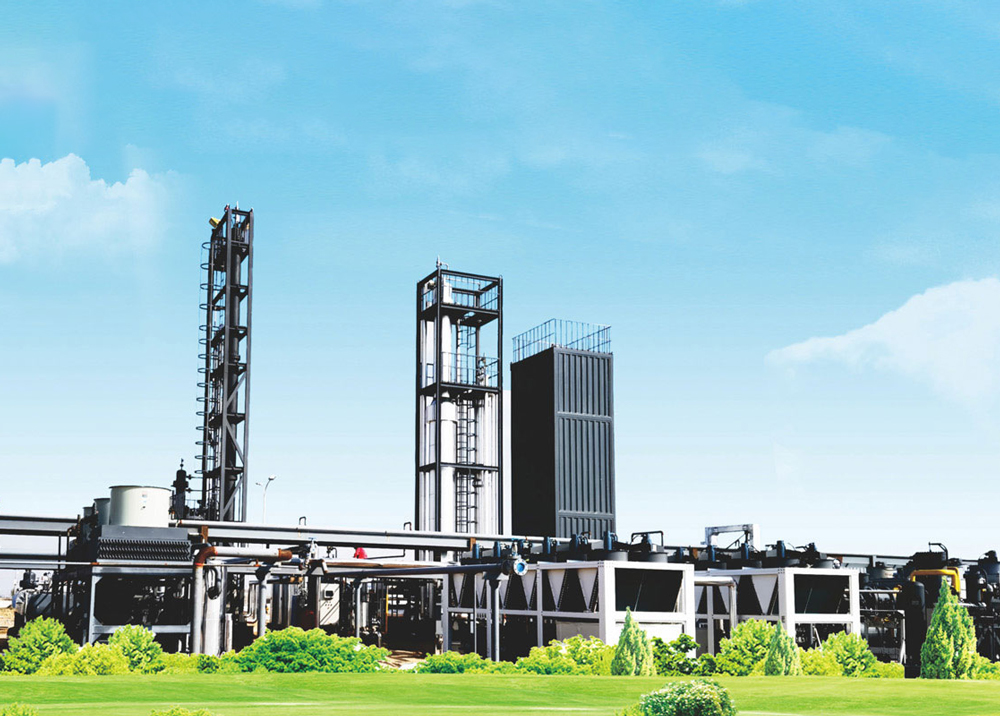
Collaborative partnerships with Tsinghua University and the Institute of Physics and Chemistry Technology, Chinese Academy of Sciences (CAS), driving continuous innovation in cryogenic and environmental systems.
Certified with A2 level pressure vessel manufacturing license, pressure pipeline component fabrication authorization, and specialized Sinopec HSSE / CNPC Health & Safety credentials.
Committed to manufacturing energy-efficient devices that advance gas recovery, methane utilization, carbon footprint reduction, and hazardous clinical bio-waste containment.
Our executive leadership brings decades of high-level scientific achievements from the Chinese Academy of Sciences.
Dr. Sun has presided over China's National 863 Program, Aerospace and Military projects, and major CAS Science and Technology projects. He was awarded the First Prize of Science and Technology of China Coal Industry (2013), Special Prize of Technological Invention of Chinese Society of Refrigeration (2015), and First Prize of Beijing Science and Technology Award (2016). He holds over 20 proprietary patents implemented in large-scale domestic plants.
Zou Xin manages the company's strategic commercial operations and has led multiple national major special scientific projects. He has published 24 academic papers (11 indexed in SCI/EI) and holds 5 patents. His work was awarded the Special Award of the 7th China Refrigeration Society Technological Invention Award (2015) and the Silver Medal of the 19th China International Industry Expo.
Dr. Cheng leads chemical and thermodynamic process engineering, specializing in skid-mounted natural gas liquefaction systems. A recipient of the 2016 First Prize of Beijing Science and Technology Award, he is a leading expert in phase change heat transfer characteristics and flow behavior of mixed refrigerants under high pressures.
Why international EPCs and plant operators rely on our optimized industrial base in Langfang for high-specification pressure equipment.
Operating within the Sanhe Economic Development Zone, Langfang, allows us to tap into the world's most integrated steel and alloy supply chains. We maintain strategic sourcing agreements with top-tier steel mills (TISCO, Baosteel) for high-grade austenitic stainless steel. By localizing raw materials, precision machining, and specialized welding consumables in one economic zone, we minimize logistics lead times and pass significant cost advantages directly to global buyers without compromising metallurgical integrity.
Procuring pressure vessels from China requires robust validation mechanisms. We support international engineering procurement companies (EPCs) with complete structural calculations under PV Elite software, drafting via AutoCAD and SolidWorks, and full QA/QC documentation folders. To address localized installation, we provide virtual engineering support, detailed P&ID schematics, and structural frame structural calculations for skid assemblies to meet regional earthquake and wind loading requirements.
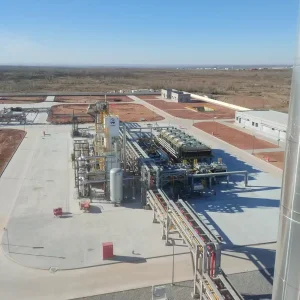
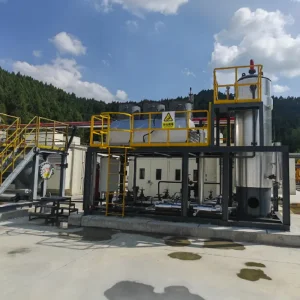
Real-world deployments of our process vessels and gas skids in demanding industrial zones.
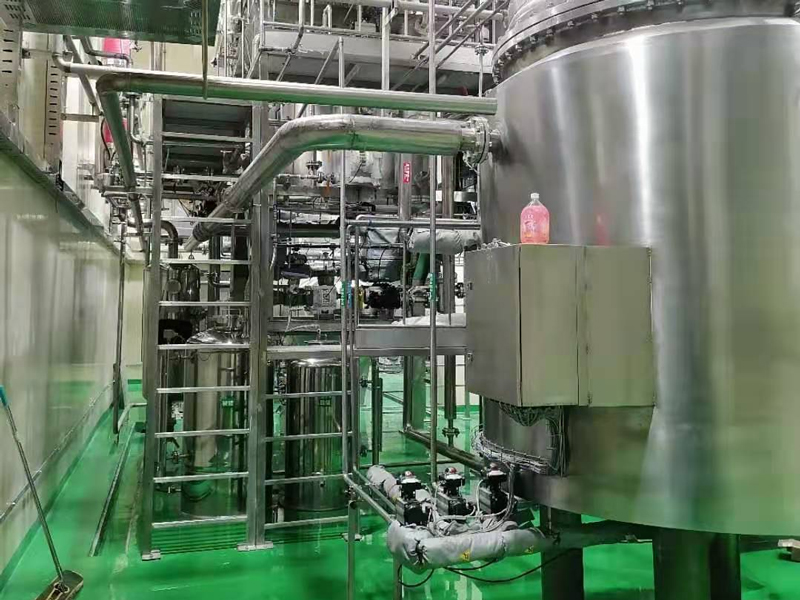
Highly secure hydrolysis processing for medical research institutes and biological containment labs.
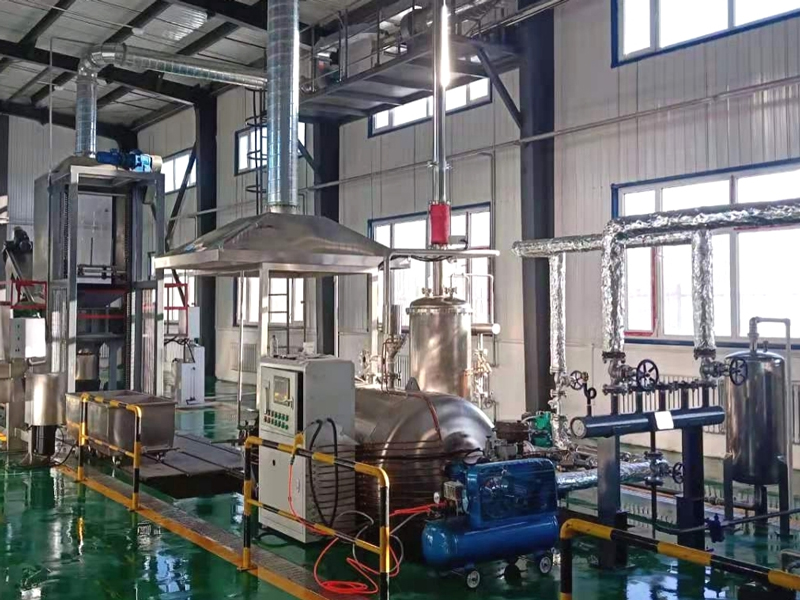
Autonomous, skid-mounted autoclave systems built for rapid deployment and pandemic control.
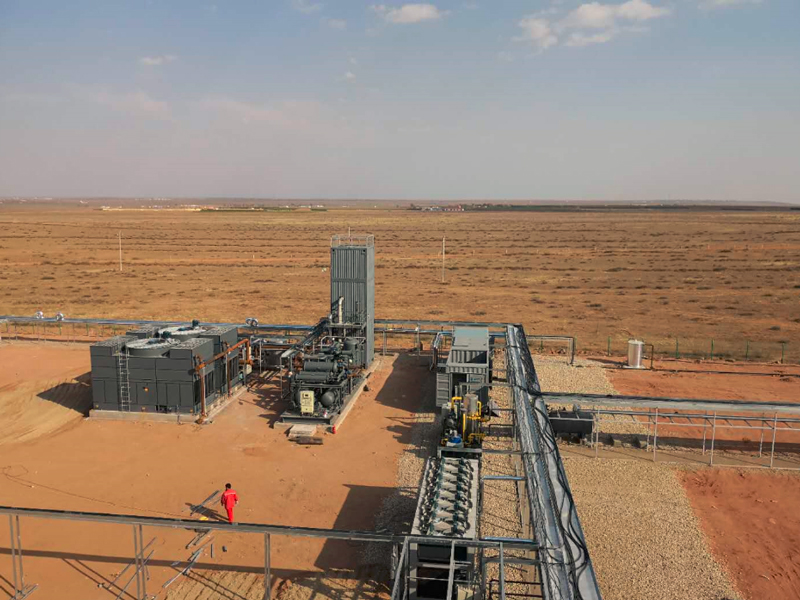
High-pressure cryogenic containment and separation systems deployed directly at wellheads.
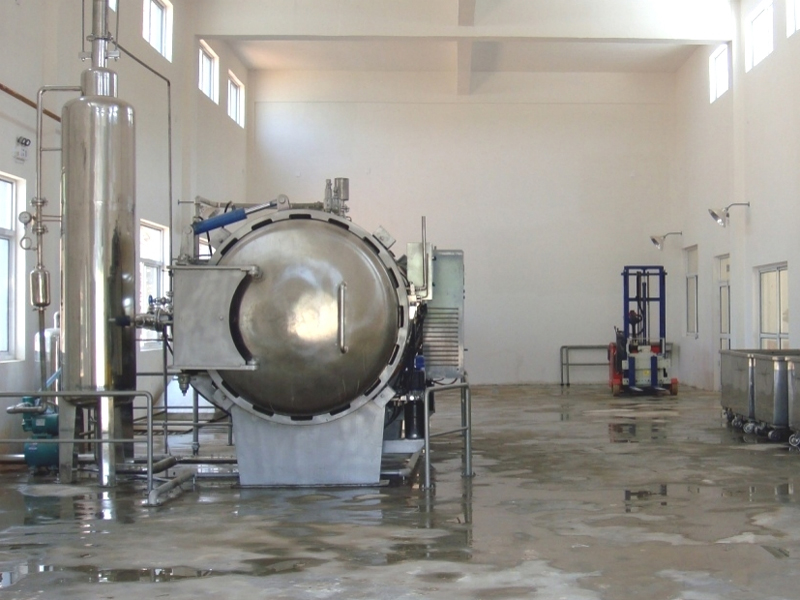
Large-capacity steam autoclaves featuring automated load handling and zero emissions configuration.
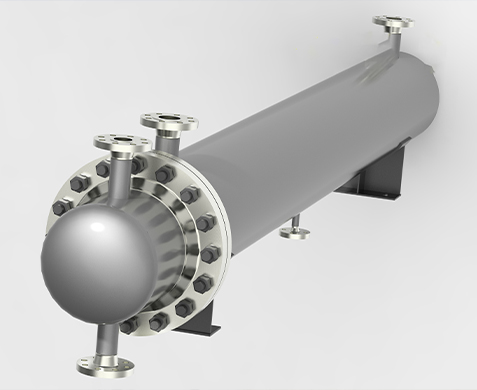
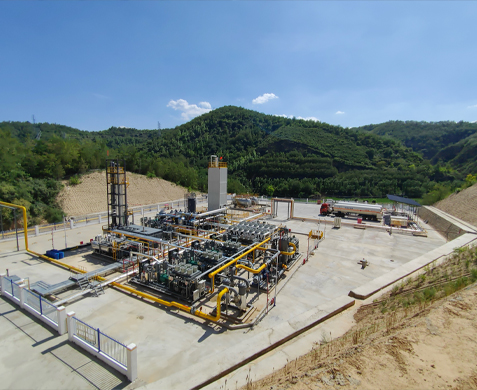
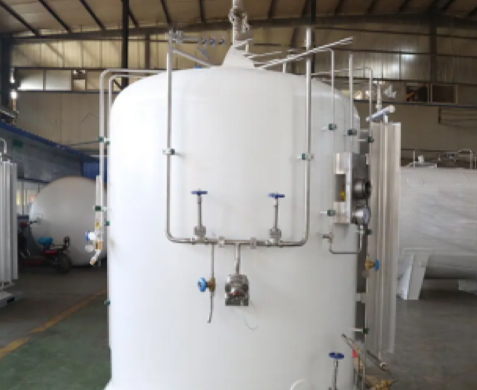
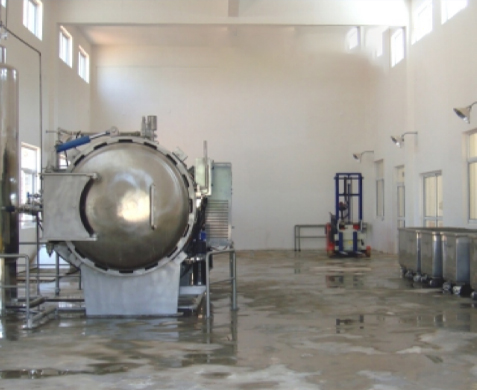
Adapting pressure technology to fulfill modern goals in clean energy and bio-containment safety.
As industries target carbon neutrality, the design of process equipment is adapting rapidly. One major trend is the integration of helium extraction technologies from Boil-Off Gas (BOG) in LNG storage terminals. Helium is a non-renewable resources essential for semiconductor fabrication and MRI cooling. Extracting helium from LNG tail gases requires highly polished heat exchangers and cryogenic separators capable of handling temperatures close to absolute zero.
Additionally, the biopharmaceutical sector is shifting from traditional multi-use stainless steel assemblies to hybrid facilities. However, high-polish storage vessels remain the cornerstone for bulk active pharmaceutical ingredients (APIs). These vessels require absolute drainability and minimized dead legs (adhering to ASME BPE standards) to pass rigorous biological cleanliness inspections.
Technical guidance regarding design standards, surface treatments, and purchasing procedures.
Browse our specialized product catalog featuring heavy-duty non-standard vessels, LNG plant modules, and gas treatment solutions.
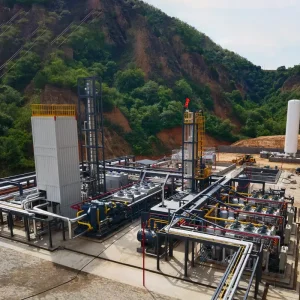
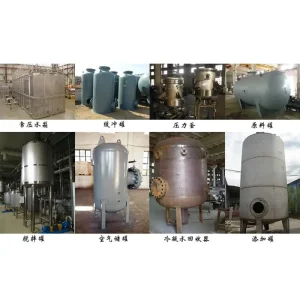
Our academic and engineering team is ready to analyze your drawings, calculate thermal efficiencies, and draft process flow schemes tailored to your specific requirements.
Consult Our Engineering Experts Hongke Qingneng