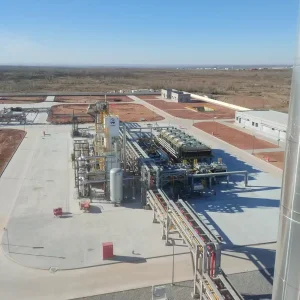
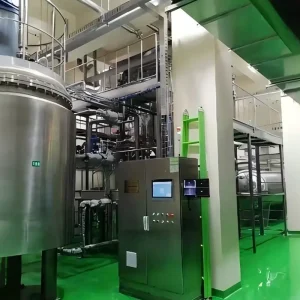
Explore our core engineering capabilities spanning cryogenic liquefaction, advanced waste thermal processing, and non-standard pressure vessels manufactured to highest global quality standards.
The global demand for industrial freezers and cryogenic separation plants has grown exponentially as modern industrial processes evolve. In biopharmaceutical engineering, chemical extraction, environmental VOC treatment, and gas liquefaction, conventional cooling systems are no longer sufficient. Today's high-tech manufacturing ecosystems require continuous, high-efficiency refrigeration capabilities ranging from -40°C down to ultralow cryogenic levels of -180°C.
To achieve these extreme parameters safely, mechanical systems must rely on custom-engineered, non-standard pressure vessels and innovative single or mixed refrigerant compression cycles. Global enterprises face substantial structural challenges: sourcing equipment that satisfies rigorous regulatory standards (such as ASME, CE, or Chinese A2 level certifications) while managing operating expenditures and maximizing thermal efficiency.
Our Core Thermodynamic Scope: Specializing in -40°C to -180°C advanced industrial refrigeration cycles, low-temperature vacuum freeze dryers, and -135°C vacuum cold traps.
As international environmental standards tighten, industrial refrigeration units must serve dual purposes: executing core physical-state transformations (like shale gas or natural gas liquefaction) while actively recovering latent heat and mitigating hazardous volatile emissions. Industrial freezing and cryogenic processing represent critical infrastructure for modern sustainable chemical plants, research facilities, and ecological management centers globally.
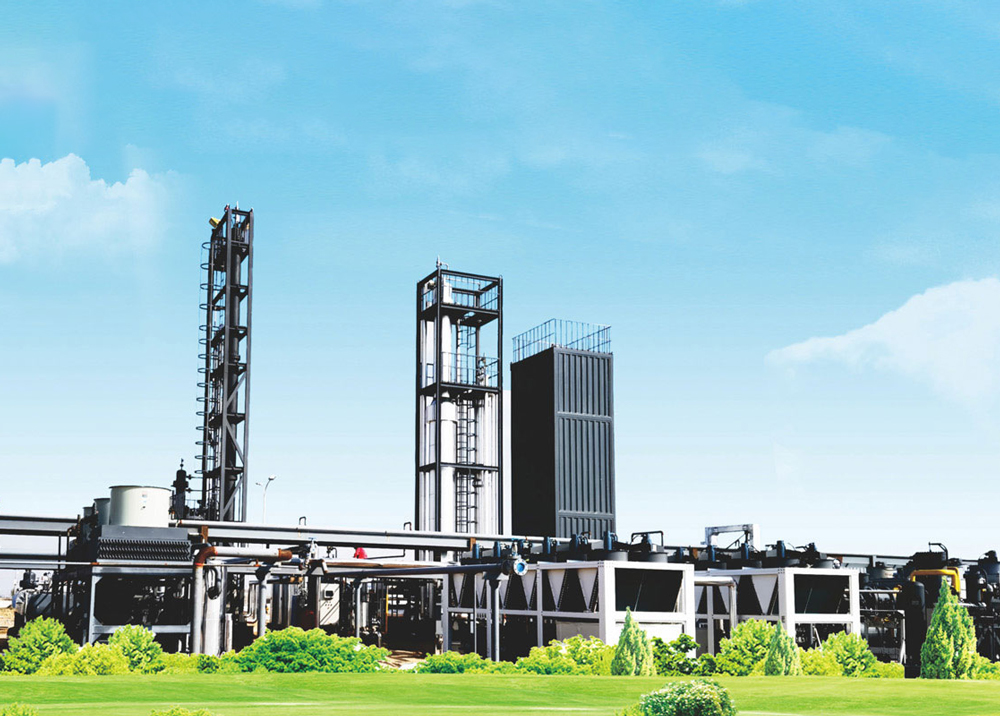
Located inside the high-tech industrial cluster of Sanhe Economic Development Zone in Langfang City, Hebei Hongke Qingneng Environmental Protection Equipment Co., Ltd. represents the cutting edge of domestic manufacturing capability. By anchoring our development model in top-tier research institutes, such as the Institute of Physics and Chemistry Technology, Chinese Academy of Sciences (CAS) and Tsinghua University, we have translated academic research into scalable industrial applications.
Our manufacturing efficiency relies on vertically integrated production workflows, specialized custom machining for non-standard pressure vessels, and strict safety audits. With an A2-level pressure vessel manufacturing license, alongside Sinopec HSSE and China Petroleum HSE certifications, our factory bridges the gap between cost-effective Chinese supply chains and stringent European and American safety directives.
By controlling the entire process from thermo-fluid dynamic simulation to structural welding, leak-testing, and electrical commissioning, we deliver highly reliable low-temperature equipment with significant cost advantages. Global sourcing teams benefit from direct factory coordination, transparent engineering reviews, and highly optimized delivery cycles.
Hebei Hongke Qingneng Environmental Protection Equipment Co., Ltd.
Our solutions are designed, analyzed, and optimized by award-winning thermodynamic scientists and chemical engineers from the Chinese Academy of Sciences.
Our systems are engineered to perform under demanding conditions across these key sectors:
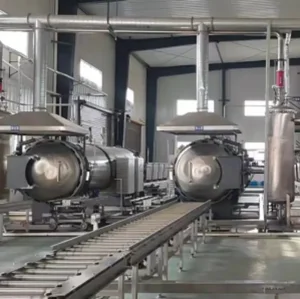
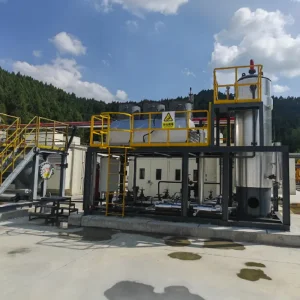
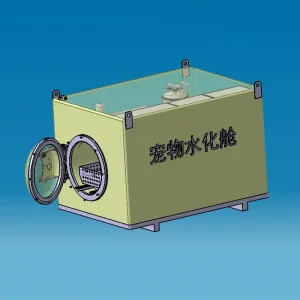
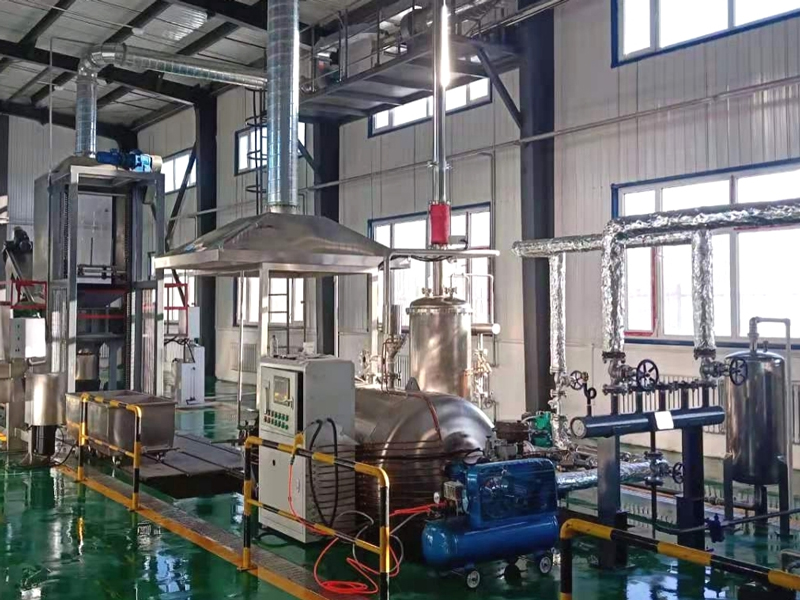
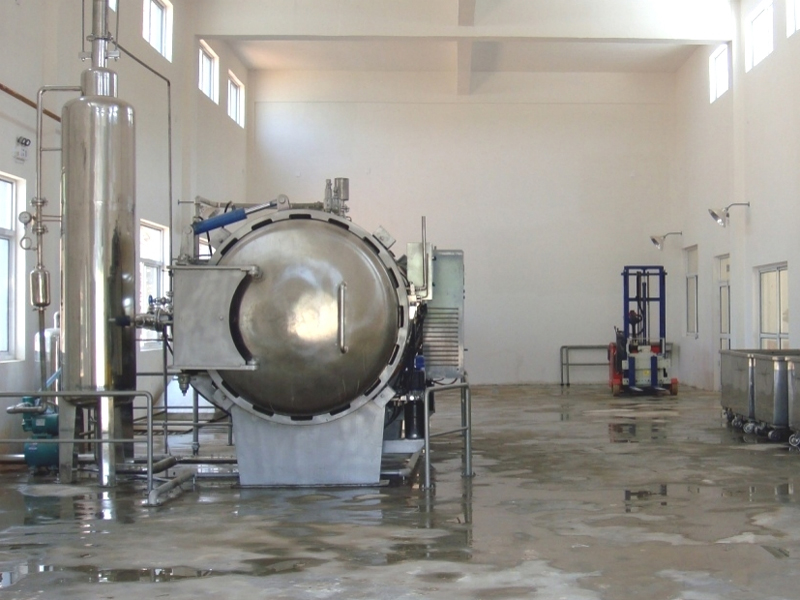
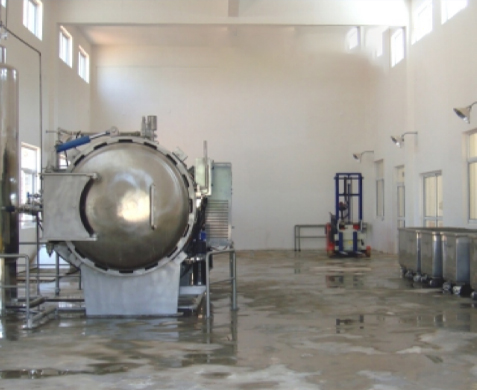
We supply centralized high-temperature steam systems for medical waste, mobile thermal disposal units, and laboratory animal carcass treatment equipment to maintain biosafety across municipal and clinical spaces.
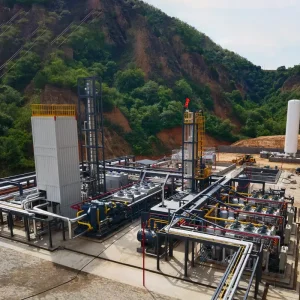
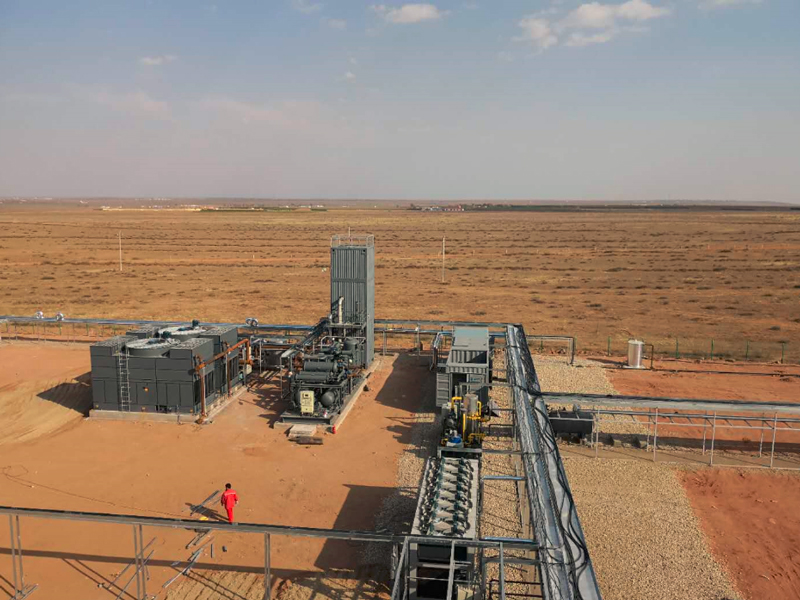
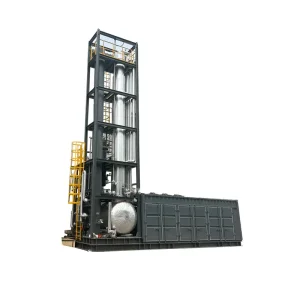
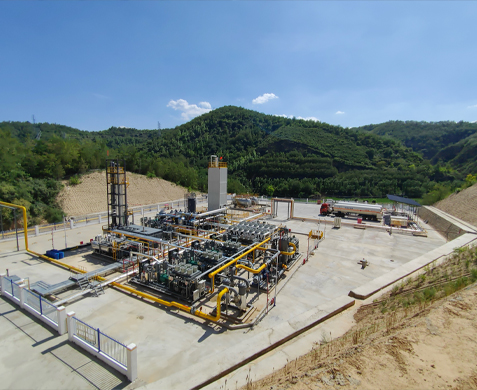
Engineered skid-mounted liquefaction equipment (for natural gas and shale gas), deacidification and dehydration modules, heavy hydrocarbon extraction systems, and helium purification setups for energy markets.
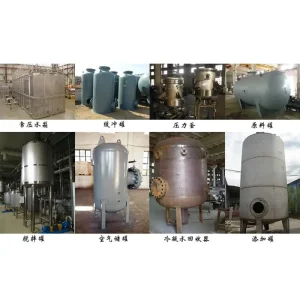
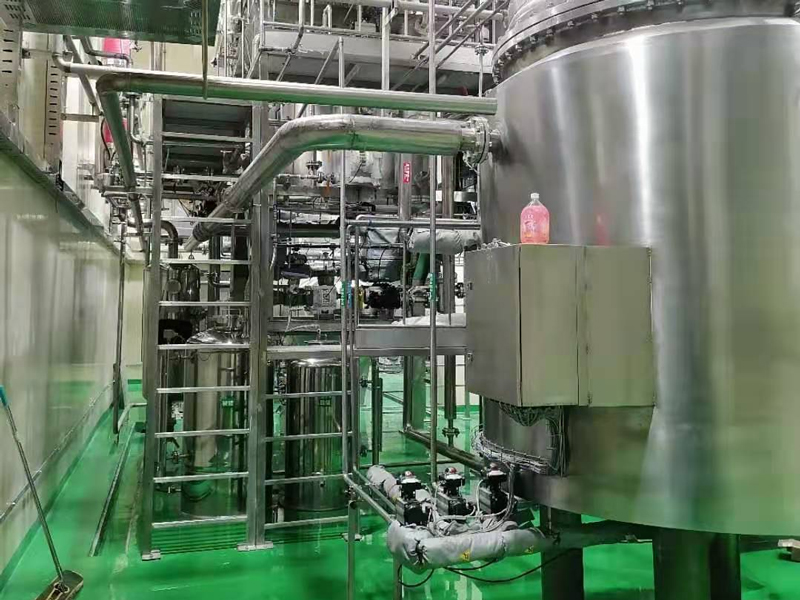
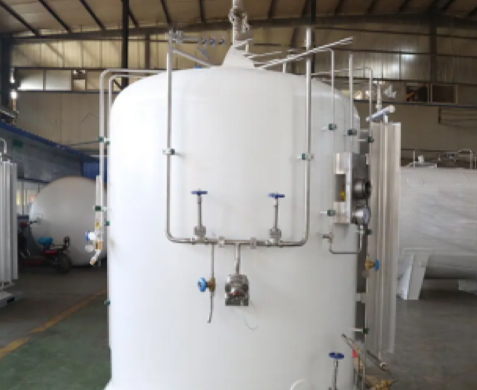
ASME and A2 certified pressure vessels, customized industrial heat exchangers, experimental test rigs, and shell-and-tube setups tailored for extreme temperature differentials and corrosion resistance.
Our solutions are deployed across municipal, energy, and research installations. Read more about our successful field installations.
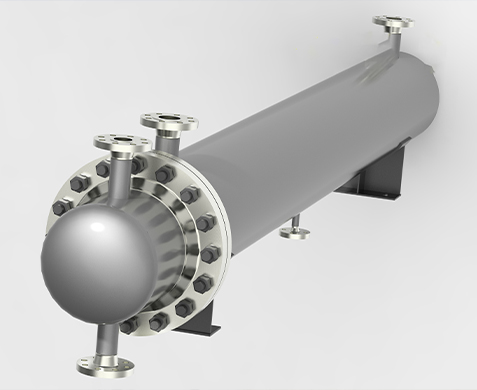
When procurement teams select suppliers for cryogenic cooling plant assets, they must verify safety compliance, pressure boundary calculations, and thermal duty performance. Choosing a partner with a strong scientific background prevents common structural issues such as thermal stress cracking, seal failures, and dynamic vibration fatigue under cryogenic load.
Key parameters to request during initial engineering reviews include gas composition profiles (for mixed refrigerants), structural finite element analysis (FEA) reports for custom pressure vessels, and exact boiling point curves across operating ranges.
Working with Chinese suppliers allows companies to benefit from localized raw material sourcing, lowering overall capital costs. Additionally, by specifying modular, skid-mounted packages, operators can significantly lower construction risks and ensure quick start-ups.
Find answers to common questions about our industrial cryogenic freezers, pressure vessels, and gas processing equipment.
Our refrigeration units operate between -40°C and -180°C. Systems designed for -70°C to -100°C are commonly used in industrial freeze dryers, while vacuum cold traps operate down to -135°C. For extremely low cryogenic applications, we use custom mixed refrigerant compression cycles engineered by our CAS research partners.
An A2 level license in China authorizes the design and manufacture of high-pressure, non-standard vessels. This qualification ensures that all pressure boundaries, raw materials, weld quality, and stress relief processes meet the high safety standards required by chemical, biopharmaceutical, and energy companies.
Rather than using a single pure refrigerant, our mixed refrigerant technology uses a calculated blend of multi-component working fluids. These fluids evaporate across a sliding temperature range to match the process fluid's cooling curve. This design minimizes heat transfer losses and reduces energy consumption by up to 20% compared to cascade refrigeration systems.
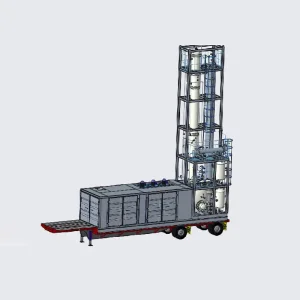
Yes, our purification, LNG liquefaction, and industrial refrigeration systems are designed and built as modular, skid-mounted packages. Each skid is assembled, piped, wired, and tested at our factory before shipping, allowing for faster installation and commissioning on site.
We follow strict quality guidelines under our GB/T19001-2016 and Sinopec HSSE certifications. For high-temperature steam sterilization and animal carcass disposal systems, we conduct extensive pressure testing, temperature profile mapping, and biosafety leak checks to guarantee full containment.
Our engineering team, led by PhDs from the Chinese Academy of Sciences, provides full design support. This includes thermo-fluid dynamic simulation, custom structural drawings, safety margin calculations, and on-site setup guidance.
Explore our specialized equipment portfolio for natural gas processing, waste treatment, and non-standard manufacturing applications.
 Hongke Qingneng