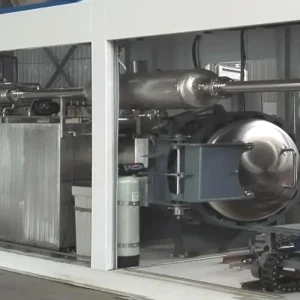
Premium customized solutions manufactured under strict international regulatory compliance.
Pioneering Clean Energy & Cryogenic Pressure Vessel Engineering
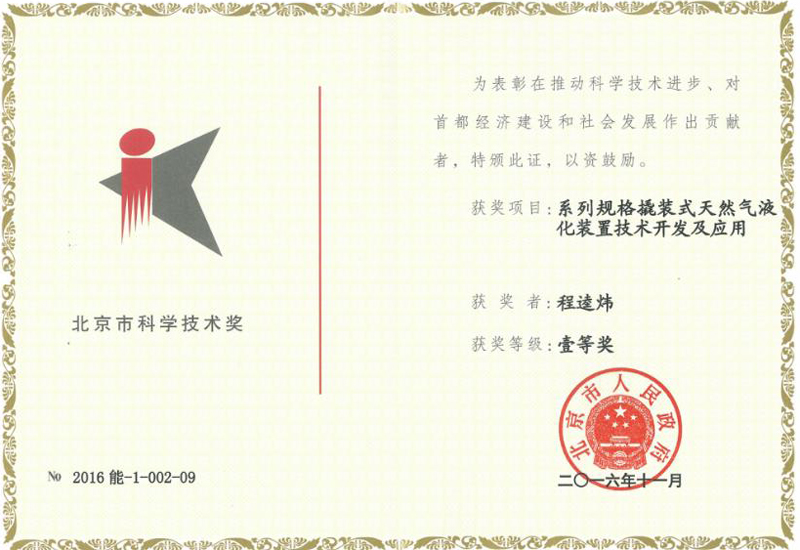
We focus extensively on R&D and manufacturing for the energy conservation, petrochemical, gas purification, and environmental protection industries. Our production lines are equipped to design and manufacture premium class pressure vessels, bio-safety containment installations, medical waste high-temperature steam systems, and advanced skid-mounted liquefaction solutions.
By leveraging strong academic collaborations with top tier research institutions like Tsinghua University and the Institute of Physics and Chemistry Technology of the Chinese Academy of Sciences (CAS), we provide global enterprises with unmatched thermal engineering precision and structural integrity.
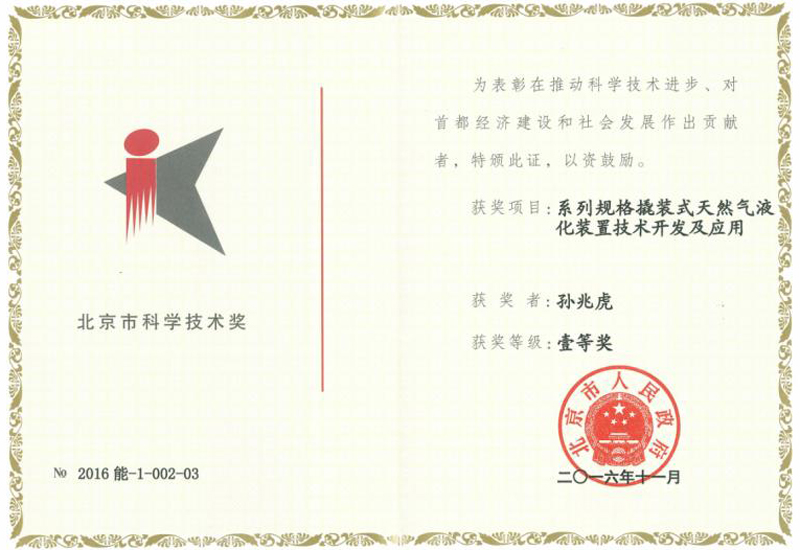
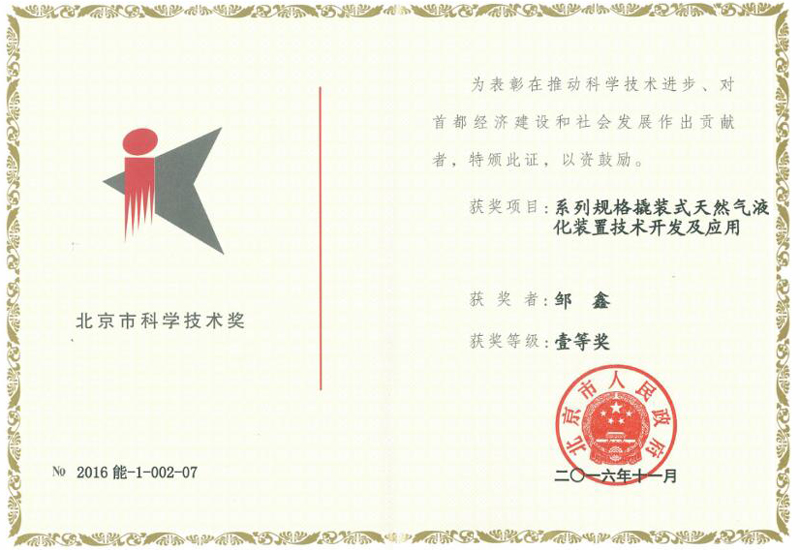
Direct academic backing from the Chinese Academy of Sciences (CAS) & Tsinghua University.
Mitigating cross-border operational risks through certified precision pressure equipment manufacturing.
For multinational enterprises sourcing pressure vessels from China, navigating compliance with foreign regulations is the most critical hurdle. We address this directly by adhering to rigorous international design codes and manufacturing guidelines:
Through our in-house engineering capabilities, we perform finite element analysis (FEA) using specialized software (such as PV Elite and ANSYS) to evaluate localized mechanical stresses under thermal cycling, seismic loading, and wind loads. This protects your facility against downtime and guarantees smooth certification processes by third-party inspectors like TÜV, SGS, or Bureau Veritas.
Strategic benefits of Langfang Sanhe Economic Zone’s industrial clusters and material supplies.



In-depth look at our technical divisions: natural gas processing, bio-safety, and industrial cooling.
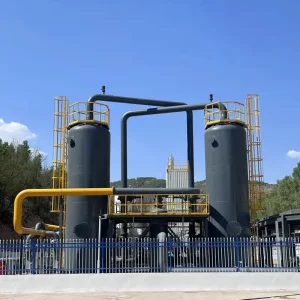
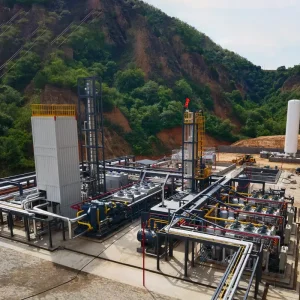
Our gas treatment systems are designed to handle demanding industrial processes, including coalbed methane, shale gas, and scattered wellhead gas purification. We manufacture specialized units for desulfurization, deacidification (amine units), dehydration (molecular sieve), and heavy hydrocarbon removal. Our skid-mounted liquefaction facilities utilize advanced mixed refrigerant cycles (MRC), optimized by our CAS-associated research team to achieve stable gas flows under various pressures.
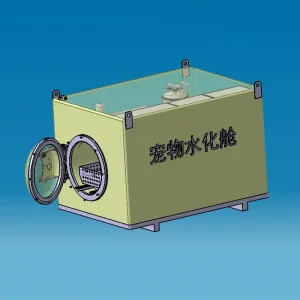
Designed for research laboratories, university research centers, and agricultural facilities, our bio-safety pressure vessels include animal tissue hydrolysis autoclaves and effluent decontamination systems. By applying high temperatures and pressures, these vessels neutralize biological agents, ensuring safe processing of waste streams.
We manufacture vessels and thermal chambers capable of operating under extreme cryogenic conditions ranging from -40°C down to -180°C. These systems are used in freeze drying, vacuum cold traps, and BOG helium extraction lines. High-grade stainless steel helps prevent low-temperature embrittlement, ensuring reliable performance under cyclic thermal stress.
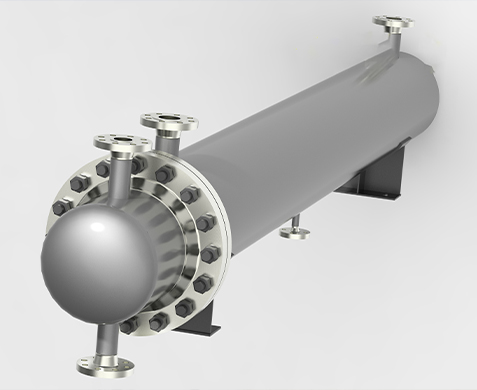
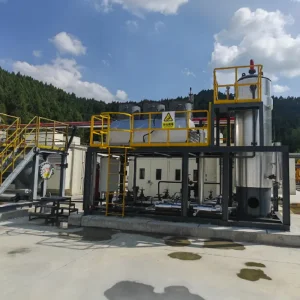
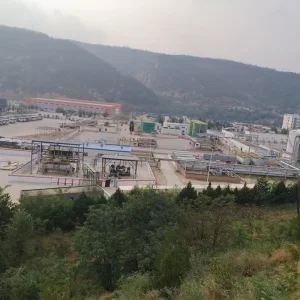
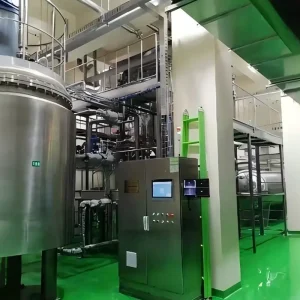
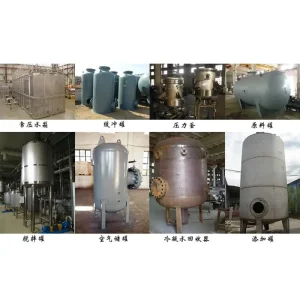
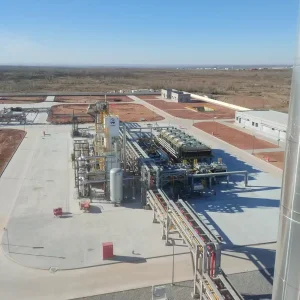
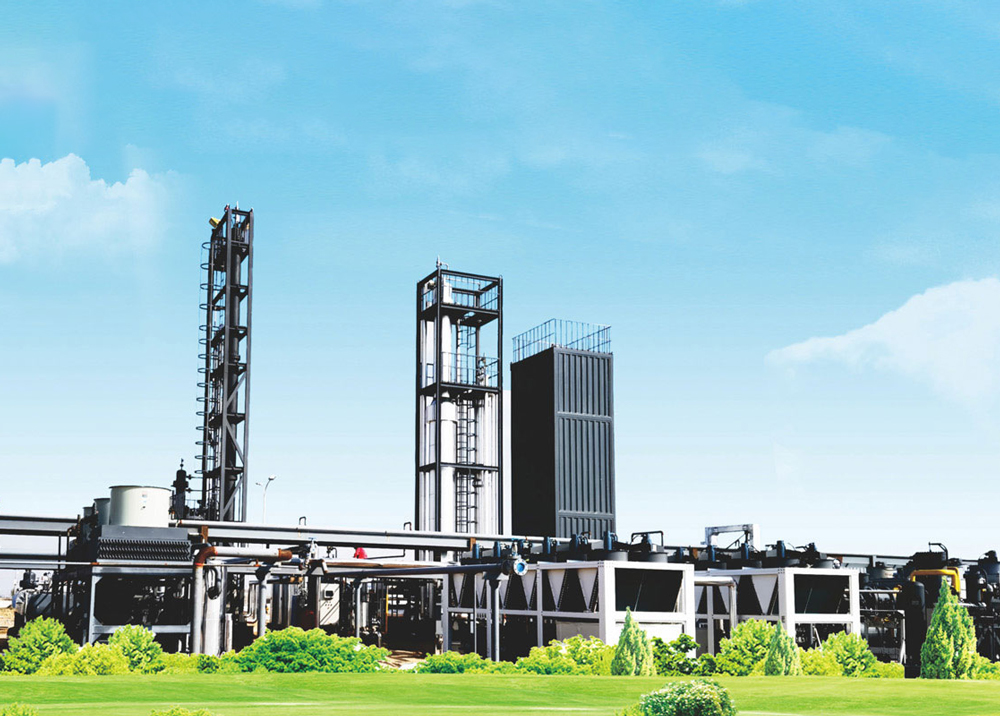
Real-world examples of our pressure vessel installations and environmental recovery systems.
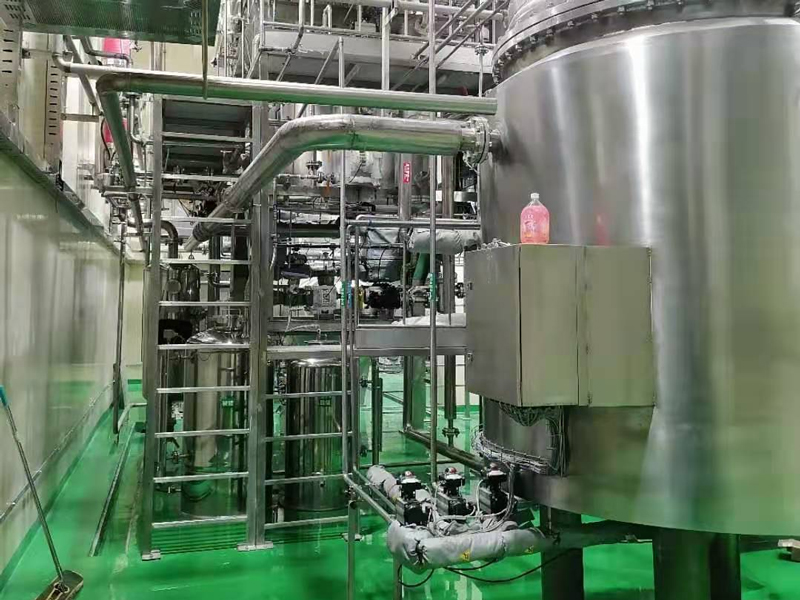
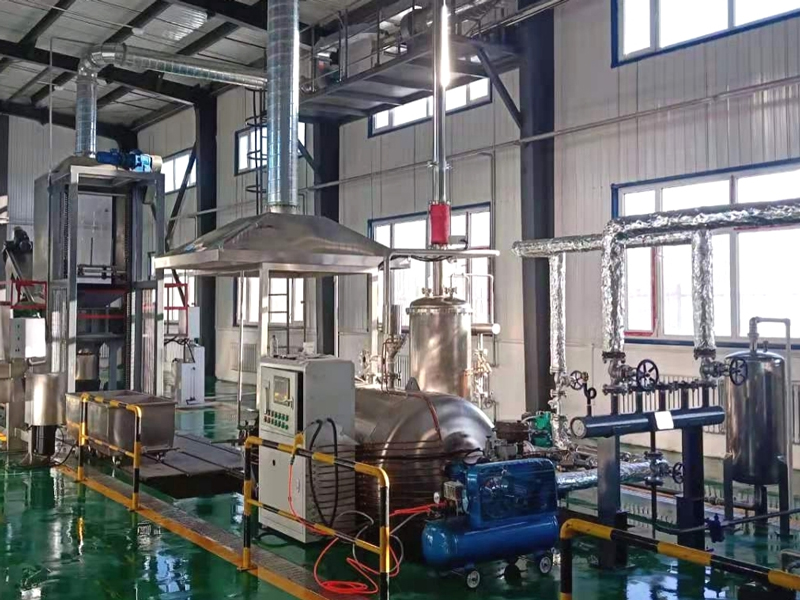
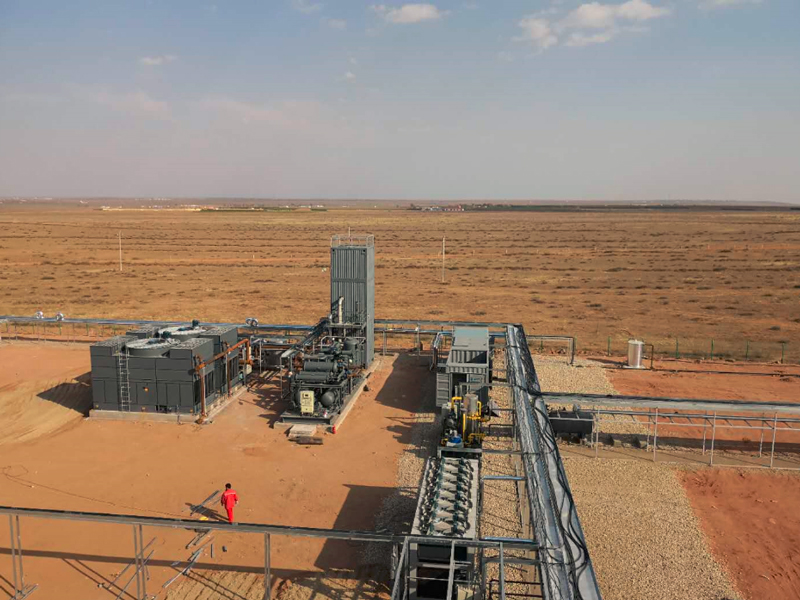
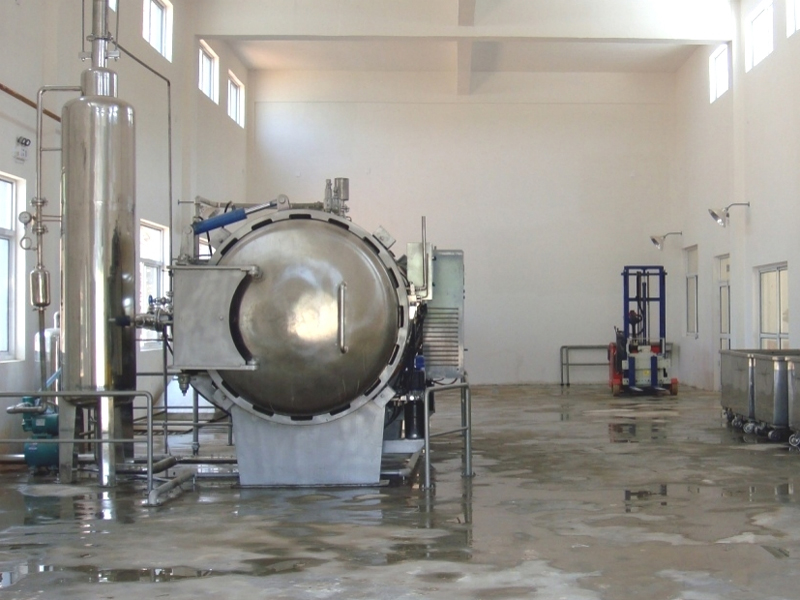
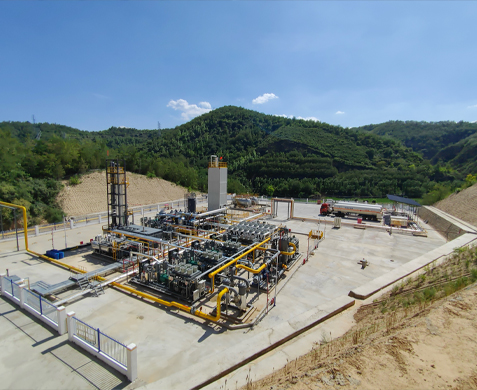
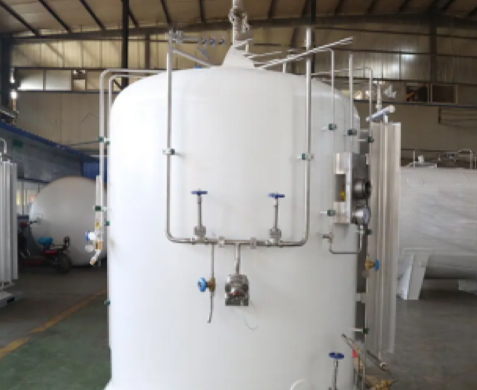
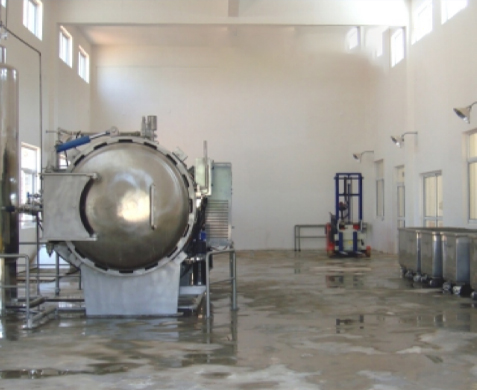

Navigating energy transitions and strict environmental regulations with customizable plant designs.
Global pressure vessel procurement is moving toward integrated skid installations. Rather than purchasing separate vessels, heat exchangers, and separator towers, engineering teams prefer ready-to-run units. This reduces onsite installation times and minimizes welding issues in the field.
Additionally, environmental standards are driving the adoption of high-efficiency VOC abatement and desulfurization lines. Whether managing gas recovery at isolated wellheads or processing medical waste near urban centers, using reliable Inox (Stainless Steel) vessels helps protect against internal chemical corrosion and weathering in harsh environments.
Technical questions regarding design standards, material certifications, and custom sourcing workflows.
GB150 is the Chinese national standard governing pressure vessel design, fabrication, and testing, while ASME Section VIII is the American Society of Mechanical Engineers standard. ASME generally relies on higher safety margins and distinct fatigue analysis criteria. Our engineering team designs pressure vessels to meet both standards, resolving code conflicts to ensure compliance in the destination country.
We use automatic TIG/MIG and submerged arc welding. All welding procedures conform to ASME Section IX and GB/T 19866 protocols. Post-fabrication, welds undergo non-destructive testing (NDT), including radiographic testing (RT), ultrasonic testing (UT), and dye penetrant inspection (PT), followed by hydrostatic pressure testing at 1.3 to 1.5 times the design pressure limit.
For sour gas containing high concentrations of H2S and CO2, we recommend SS316L or Duplex Stainless Steel (2205/2507). These grades offer high resistance to chloride stress corrosion cracking, sulfide stress cracking (SSC), and localized pitting.
Yes. We design and manufacture completely integrated skid systems. The structural frame is carbon steel, hot-dip galvanized or coated for outdoor use, while the process piping, separator vessels, and heat exchangers are constructed from SS304/316L, complete with dynamic thermal insulation.
Consult with our Ph.D.-led engineering department for thermal calculations, stress analysis, and compliance questions.
Send Engineering InquiryExtended inventory of non-standard pressure equipment and environmental engineering systems.
 Hongke Qingneng