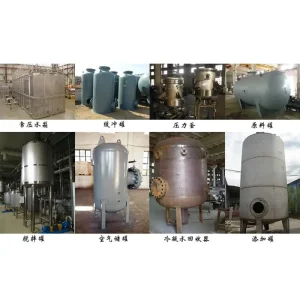
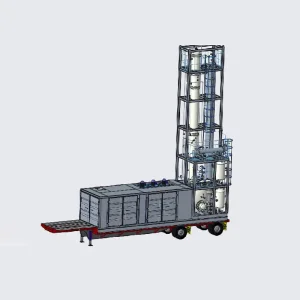
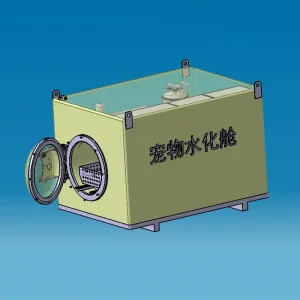
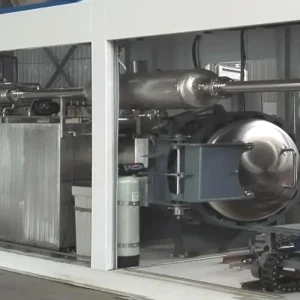
Explore our leading industrial engineering products designed for global gas treatment, environmental control, and high-efficiency purification.
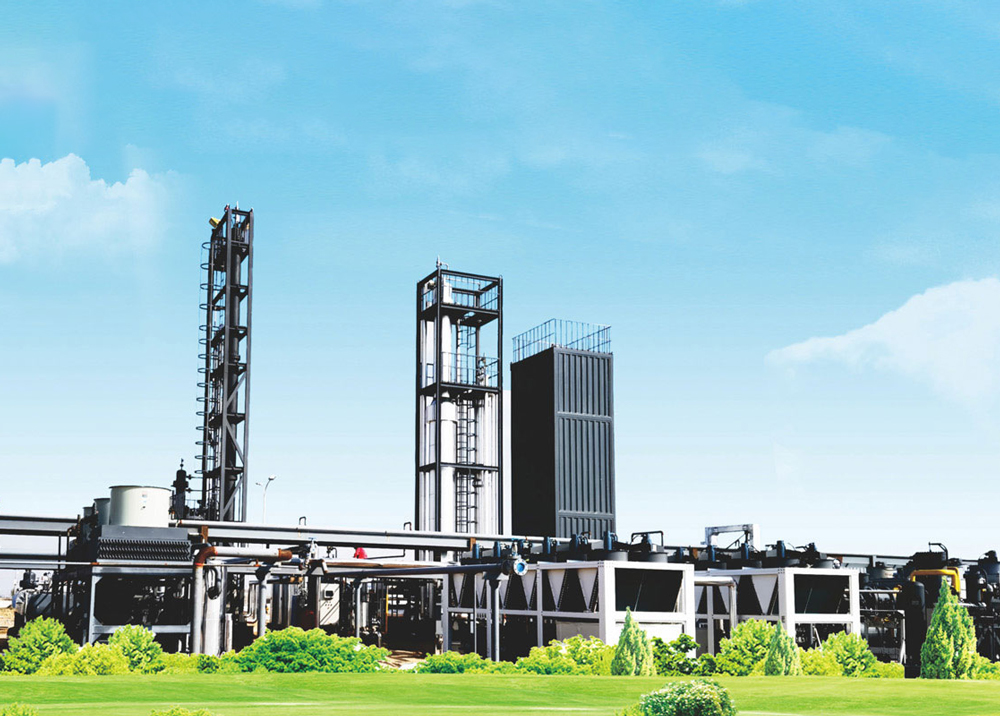
Established in June 2021 with a registered capital of 78 million Yuan, Hebei Hongke Qingneng Environmental Protection Equipment Co., Ltd. focuses on the R&D and manufacturing of energy conservation and environmental protection equipment within the industrial base of Sanhe Economic Development Zone, Langfang City.
By partnering with research institutions such as Tsinghua University and the Institute of Physics and Chemistry Technology of the Chinese Academy of Sciences (CAS), we bridge academic precision and heavy industrial manufacturing. We design and manufacture highly complex non-standard pressure vessels, thermal separation equipment, skid-mounted gas purification plants, and industrial refrigeration systems.
Deep-diving into Knockout Tower design, fluid mechanics, and separation efficiency parameters to ensure optimal performance in demanding industrial operations.
Sizing knockout vessels relies on the Souders-Brown equation, evaluating terminal settling velocity to prevent liquid re-entrainment. We customize column internal diameters and design inlet deflectors (such as Schoepentoeter devices) to reduce inlet gas momentum, ensuring laminar distribution and maximum gravity settling efficiency.
We deploy standard mesh pad demisters, multi-pocket vane packs, or axial cyclonic separators based on liquid droplet size distribution. For sub-micron aerosol capture, our glass-fiber coalescing elements deliver 99.9% separation down to 0.3 microns, protecting downstream compressors and amine scrubbers.
Handling acid gases containing H₂S and CO₂ requires metallurgy selection. We offer pressure vessels manufactured with HIC-resistant carbon steel (e.g., SA-516 Gr. 70N) combined with NACE MR0175/ISO 15156 compliant welding procedures, or custom corrosion-resistant alloys (SS316L, Duplex 2205, or Alloy 625 cladding).
Our research and engineering operations are directed by senior national engineers and academic scholars, bridging high-level science with robust industrial manufacturing.
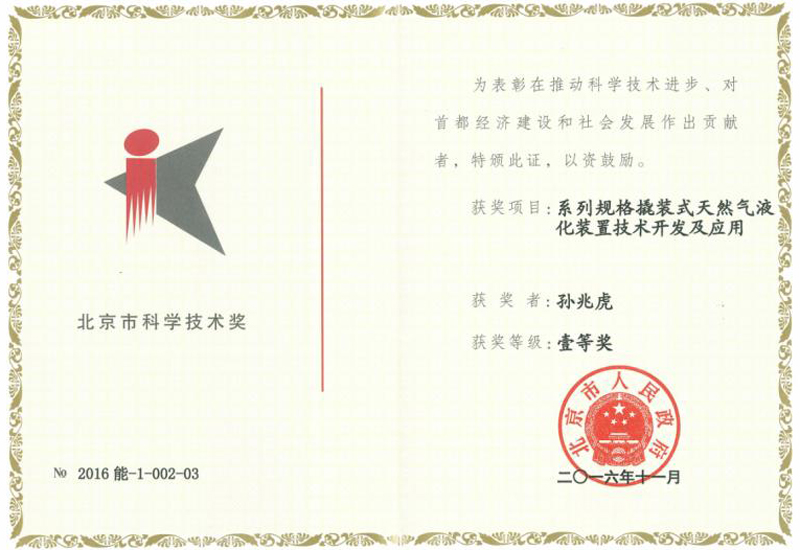
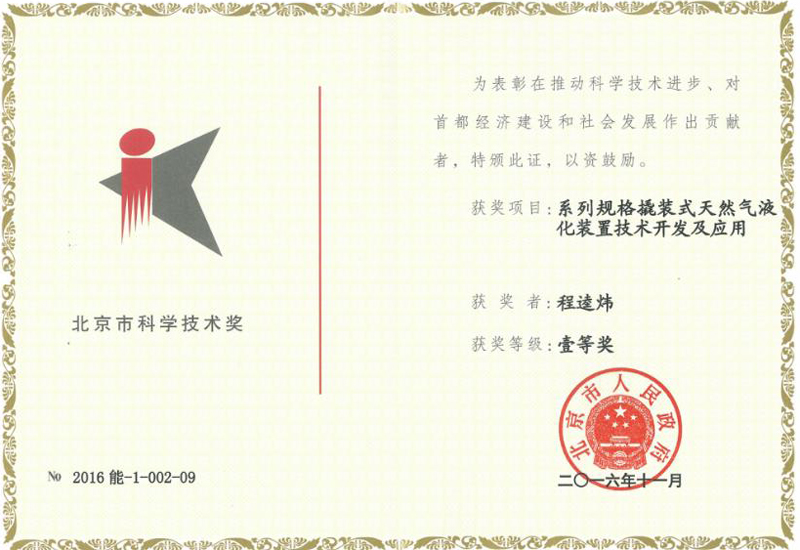
Ph.D. from the Institute of Physics and Chemistry Technology, Chinese Academy of Sciences (CAS). Dr. Sun is a national senior engineer who has led the National 863 Program, aerospace and military projects, and major national science and technology initiatives. Recipient of the Beijing Science and Technology Award (First Prize, 2016) and the Chinese Society of Refrigeration Technological Invention Award (Special Prize, 2015).
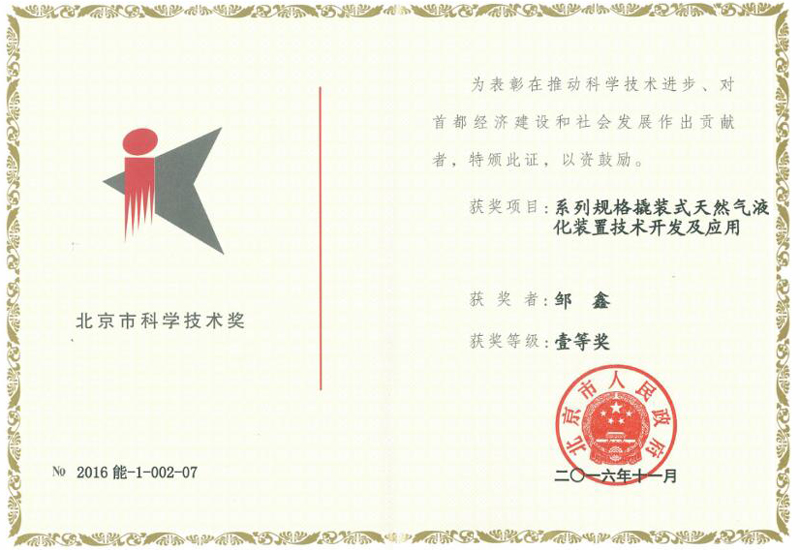
Ph.D. candidate at the Institute of Physics and Chemistry Technology, CAS. He has managed market operations and R&D programs for over a decade. Zou has published 24 peer-reviewed academic papers (including 11 indexed by SCI/EI), secured 5 national invention patents, and received the 2017 Silver Medal of the 19th China International Industry Expo.
Doctor of Engineering from CAS. Dr. Cheng is a specialist in fluid flow and phase change heat transfer characteristics of mixed working mediums. He developed the "Skid-mounted Natural Gas Liquefaction Unit with Series Specifications," and has designed and implemented over 50 large-scale industrial liquefaction and gas conditioning plants.
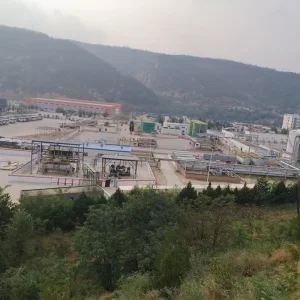
Our state-of-the-art facility in Sanhe Economic Development Zone, Langfang, leverages northern China's heavy industry and raw material supply chain. Operating near major steel mills and forging hubs allows us to procure high-grade ASME-certified plates, heavy forgings, and high-pressure valves with short lead times.
We feature automated Submerged Arc Welding (SAW), high-precision gas tungsten arc welding (GTAW), and flux-cored arc welding (FCAW) stations, coupled with extensive quality assurance procedures. Each knockout tower undergoes rigorous testing, including radiographed weld examinations (RT), magnetic particle inspections (MT), ultrasonic testing (UT), and hydrostatic pressure testing at 1.5 times the design pressure limit.
This allows us to maintain the quality standards expected by international oil & gas majors, while delivering the structural and cost advantages of China's advanced manufacturing industry.
Providing custom-engineered gas conditioning, environmental protection, and cryogenic recovery packages across diverse global sectors.




Engineering pressure vessels like knockout towers requires adherence to regional and international safety regulations. Hebei Hongke Qingneng holds the A2-level Pressure Vessel Manufacturing License, the Pressure Pipeline Component Manufacturing License, and the GB/T19001-2016 Quality Management System certification.
Additionally, our production plants are fully certified under the Sinopec HSSE and China Petroleum Health, Safety and Environment Management System. This allows us to manufacture custom, high-integrity equipment compliant with ASME Section VIII Division 1 & 2 (with U stamp capability), CE-PED standards, and NACE sour service compliance regulations.
Whether you require standard GB-150 compliant separators or custom ASME-engineered vessels, our QA/QC team will compile comprehensive quality control records (MTRs, WPS, NDT, hydrostatic reports) to simplify your local operational permitting processes.
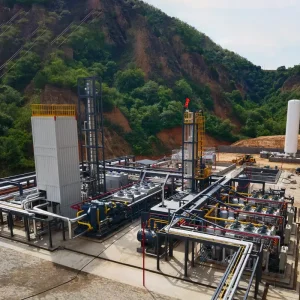
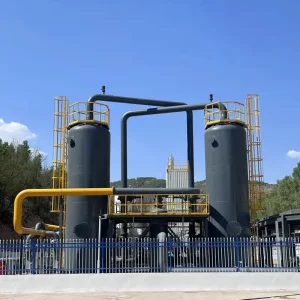
Reviewing our recent system designs, skid assemblies, and turnkey gas conditioning plants deployed across industrial zones.
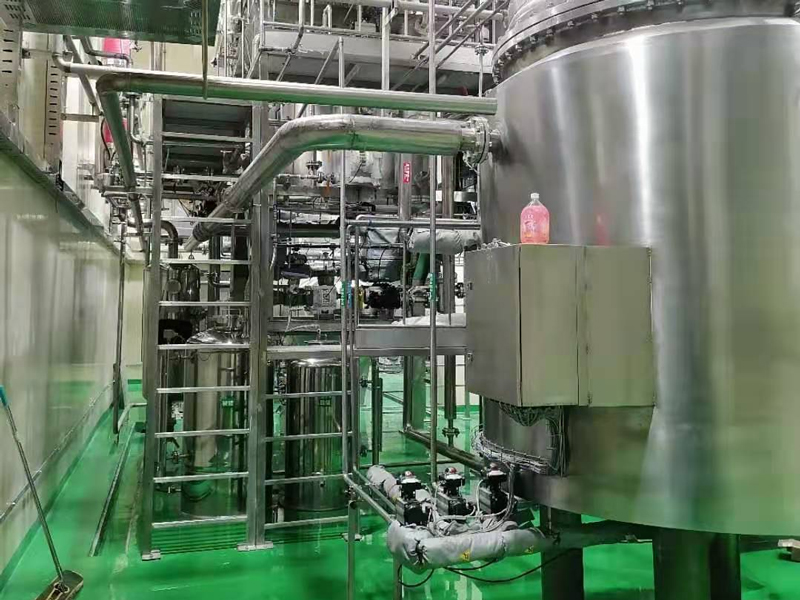
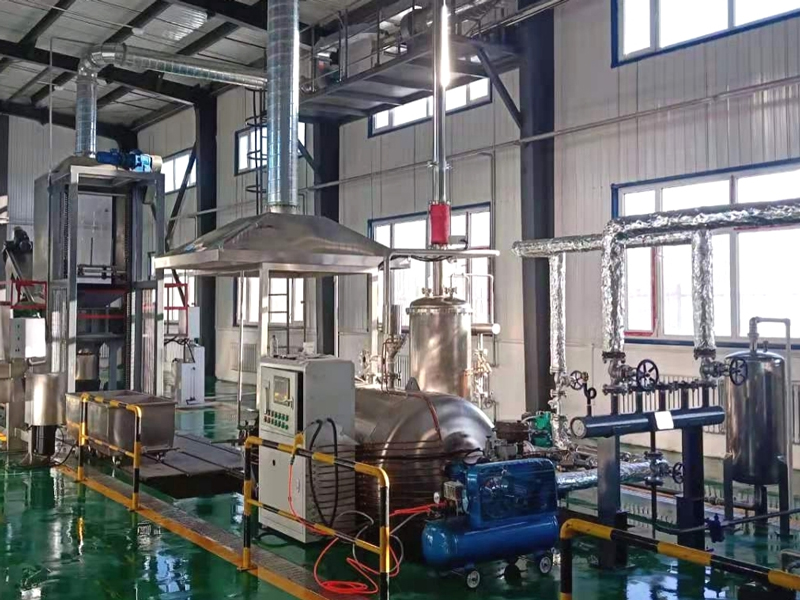
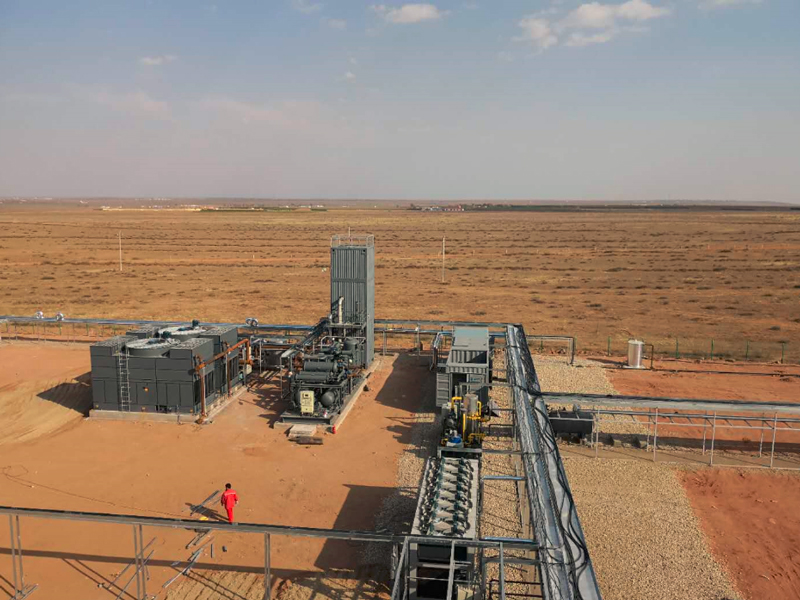
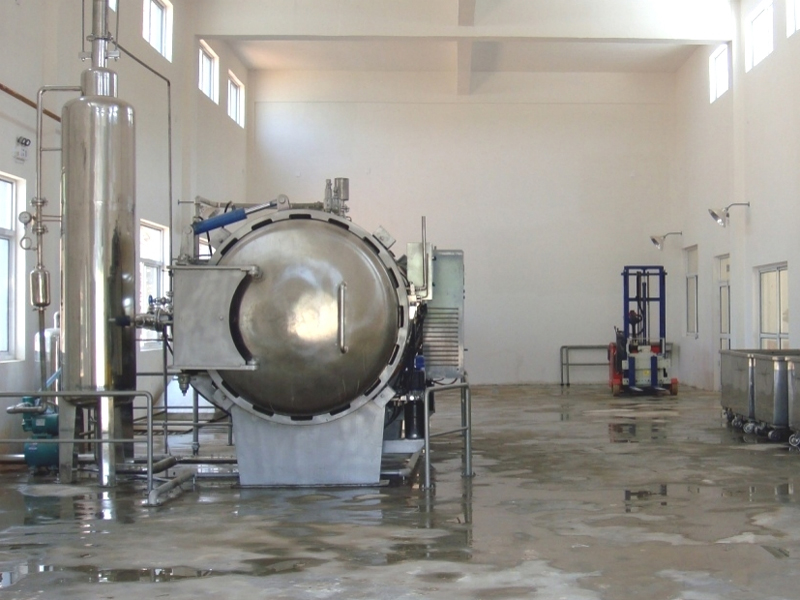
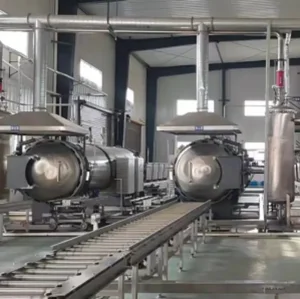
A closer look at our heavy manufacturing halls, skid-mounting lines, and inspection centers located in the Langfang Industrial Zone.
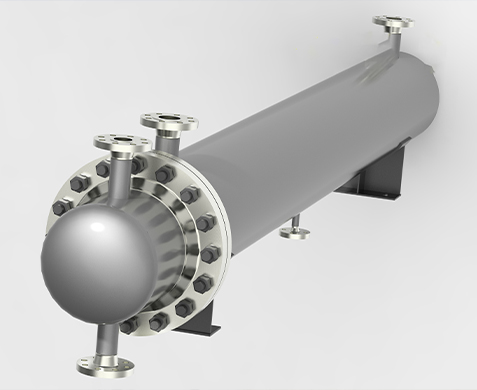
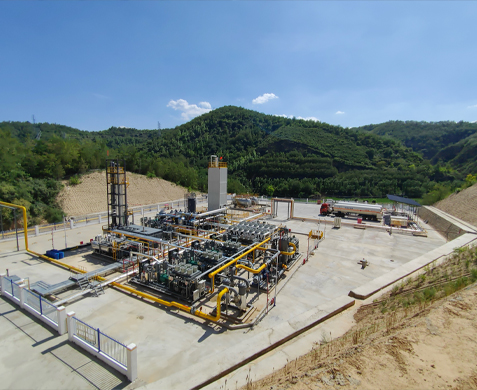
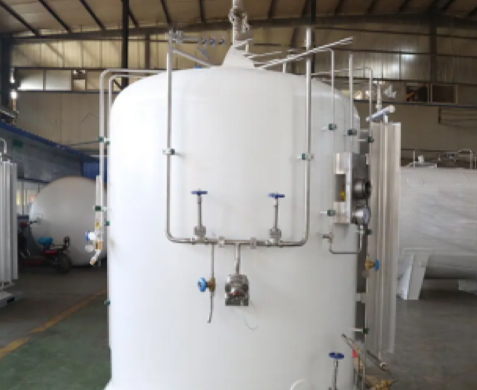
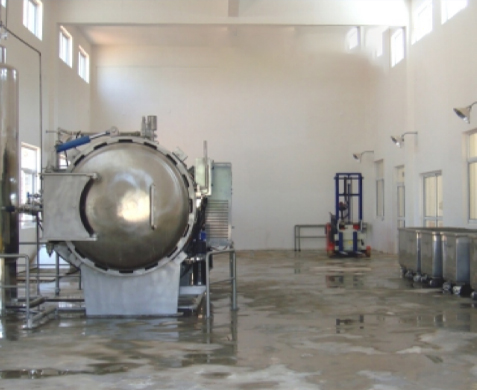
From engineering design to final on-site commissioning, our engineering department provides comprehensive support for international procurement requests. We coordinate the logistics process, including manufacturing, ocean freight preservation, and mechanical documentation.
Submit your process parameter datasheets (gas flow rates, working pressures, liquid densities, separation efficiency requirements) to receive custom drawings and engineering estimates.
Common technical questions answered by our CAS-led engineering team regarding vessel design, calculation formulas, and operating limits.
Our engineering team sizes knockout towers using the Souders-Brown empirical wave equation to establish the maximum design gas velocity: V = K * sqrt((dL - dG) / dG), where dL is the liquid density, dG is the vapor density, and K represents the separator design factor. The K-factor is determined based on the choice of internal separator, operating pressure, and fluid properties. For a standard vertical vessel with a wire mesh demister, we typically apply a design K-factor of 0.35 ft/s (0.107 m/s). This configuration ensures bulk liquid settling while protecting the mesh pad from re-entrainment.
Horizontal knockout drums are selected when handling gas streams with high liquid volume fractions, or when significant liquid storage capacity is required (e.g., in refinery flare lines where large liquid slugs can occur). Vertical knockout towers are preferred for gas streams with low liquid loads or when plant footprint is limited. Vertical systems offer better gas distribution and mist elimination efficiency at a lower initial cost.
For gas streams containing particulates, waxes, or fouling liquids (such as untreated coal bed methane or heavy refinery tail gases), traditional mesh pads can plug rapidly. We recommend replacing mesh pads with vane packs (demisters) or cyclonic internals. Vane packs use a series of baffled plates to force gas through rapid direction changes, capturing droplets through inertial impaction. This design provides lower pressure drops and higher resistance to plugging, keeping maintenance cycles long.
We provide cross-code compliance. While our domestic pressure vessels conform to GB-150 guidelines, our design and welding teams are trained in ASME Section VIII Division 1 & 2 codes. We manage the material conversion process (e.g., mapping Chinese Q345R to ASME SA-516 Gr. 70), design formulas, and joint efficiencies. We can also coordinate inspection protocols with international agencies like SGS, BV, and TUV to ensure our vessels meet standard import regulations.
Lead times depend on the vessel's complexity, wall thickness, and metallurgy. A standard carbon steel knockout tower skid takes 12 to 16 weeks from engineering approval of the fabrication drawings (isometric and GA drawings) to final factory acceptance testing (FAT). For complex vessels requiring clad plates, alloy metallurgy, or extensive instrumentation packages, lead times typically range from 20 to 24 weeks. This timeline includes material sourcing, structural welding, stress relief heat treatment, NDT inspections, and electrical wiring.
Explore our wider range of skid-mounted process equipment, desulphurisation plants, and waste treatment systems.
 Hongke Qingneng