Advanced engineering vessels and skid-mounted industrial systems compliant with global compliance standards
Registered Capital (RMB)
Pressure Vessel Manufacturing License
R&D Intellectual Property Patents
Global Industrial Performance Projects
A comprehensive analysis of design metrics, market vectors, and engineering innovations.
Modern manufacturing requires compressed air systems that operate with maximum efficiency and high reliability. The Air Receiver Vessel is no longer just a static storage tank. It is now a critical component in dynamic pressure management, moisture separation, and pulsation dampening.
With the rise of Industry 4.0, smart factories require systems that support predictive maintenance. This trend has changed how receiver vessels are engineered. The industry is moving from standard carbon steel configurations to smart pressure systems. These modern systems include built-in dew point sensors, automatic drain valves, and real-time thickness monitoring to prevent corrosion.
Global procurement teams face challenging quality specifications when sourcing pressure vessels from Chinese manufacturers. The main challenge is finding the right balance between cost, performance, and international safety compliance. A well-designed air receiver vessel must align with local regulations such as ASME Section VIII Div. 1 in the Americas, PED (2014/68/EU) in Europe, and GB 150 in China.
When engineering these systems, specifying the correct design metrics is essential:
V = (Q * Pa) / (P1 - P2)Purchasing standard off-the-shelf vessels without calculating specific peak demands often leads to pressure drops, rapid compressor cycling, and excessive energy use. Working with a Chinese manufacturer that has strong engineering capabilities ensures your system operates at peak efficiency.
Industrial operations are increasingly shifting toward skid-mounted, pre-commissioned packages. This design reduces on-site engineering and speeds up installation times. The air receiver vessel is typically integrated directly onto the compressor skid alongside desiccant dryers, filtration blocks, and gas purification units.
Our facility designs these systems to combine structural support and vibration analysis. This ensures that the piping, receiver vessels, and dryers function reliably together, even under demanding operational conditions.
Our technology is designed by researchers from the Chinese Academy of Sciences and Tsinghua University.
Dr. Sun earned his Ph.D. from the Institute of Physics and Chemistry Technology, Chinese Academy of Sciences. He is a National Senior Engineer and has led key research projects for the National 863 Program and the Natural Science Foundation.
His contributions to technology development have earned him several honors, including the Special Prize of Technological Invention from the Chinese Society of Refrigeration (2015) and the First Prize of the Beijing Science and Technology Award (2016).
Zou Xin is a Senior Engineer at the Institute of Physics and Chemistry Technology, CAS. He oversees the company’s engineering design and international projects.
He has published 24 academic papers (11 indexed in SCI/EI) and holds 5 patents. His work in thermal systems has earned recognition, including a Silver Medal at the 19th China International Industry Expo.
Dr. Cheng earned his Doctor of Engineering from the Institute of Physics and Chemistry Technology, CAS. He is an expert in phase change heat transfer and industrial fluid mechanics.
He developed the engineering specifications for our skid-mounted liquefaction systems. This development earned him the First Prize of the Beijing Science and Technology Award in 2016.
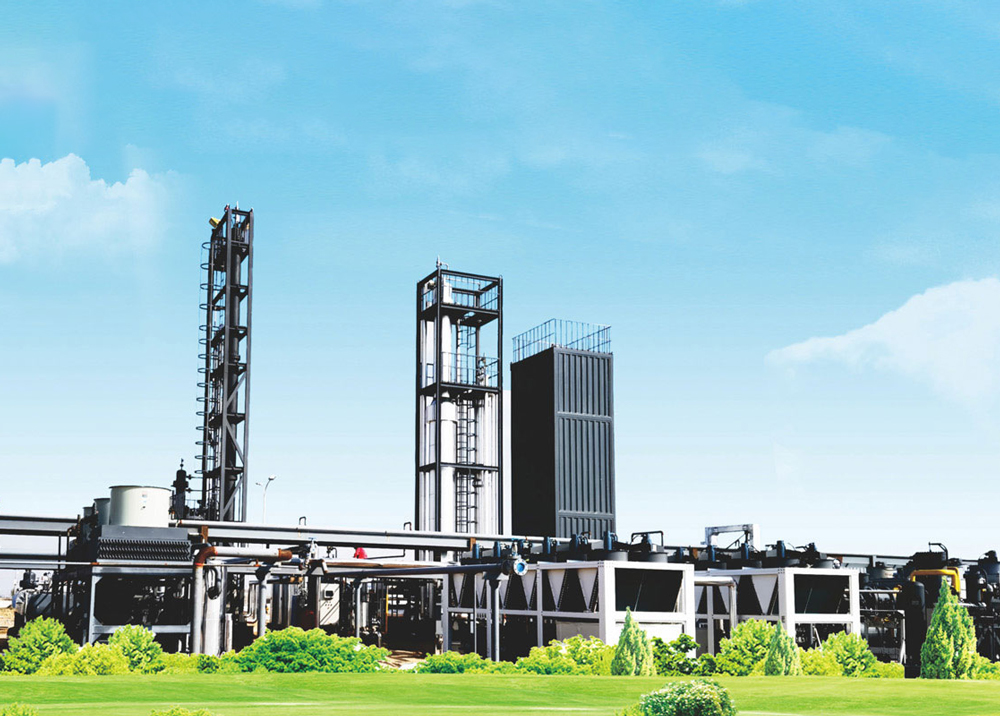
Established in June 2021 with a registered capital of 78 million yuan, Hongke Qingneng operates from our production facility in the Sanhe Economic Development Zone, Langfang City. We focus on engineering energy-efficient systems and custom industrial solutions.
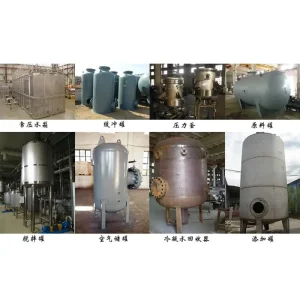
Our capabilities include manufacturing various pressure vessels, animal tissue hydrolysis systems, biological wastewater treatment plants, modular gas processing systems, and skid-mounted natural gas purification units.
Equipped with an A2-level pressure vessel manufacturing license, a pressure piping component license, and ISO 9001:2015 certification, we provide reliable engineering and manufacturing services to customers worldwide.
Explore some of our standard systems, high-temperature hydrolysis plants, and custom gas skids.
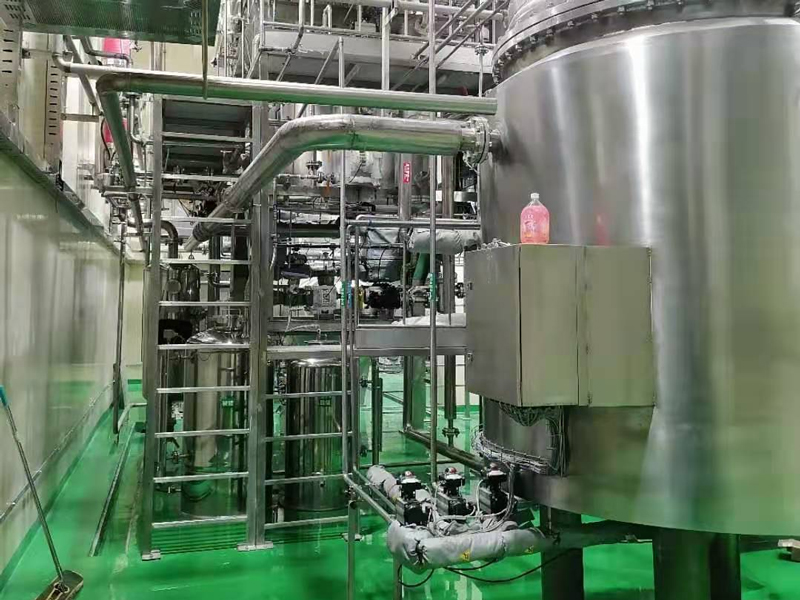
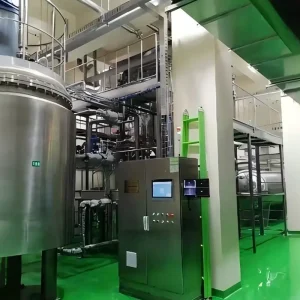
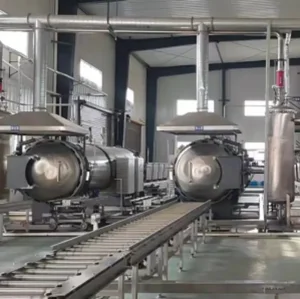
High-temperature sterilization and hydrolysis systems engineered for biosafety facilities.
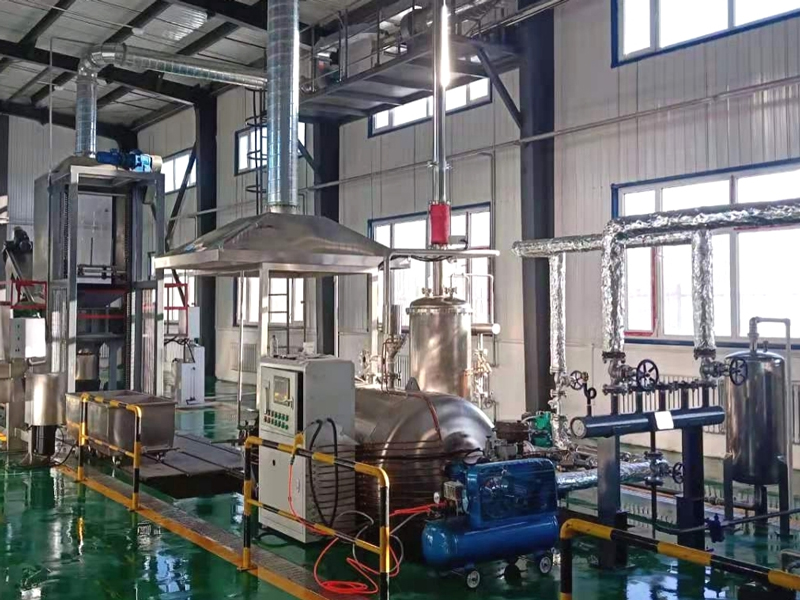
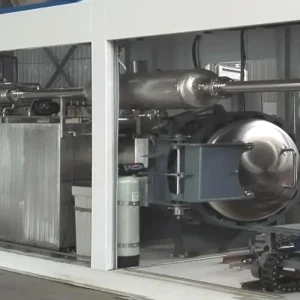
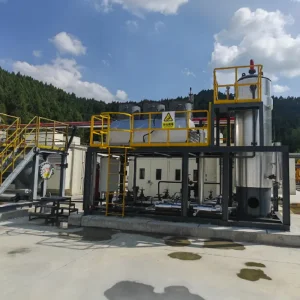
Skid-mounted and truck-mounted high-pressure steam treatment equipment for remote locations.
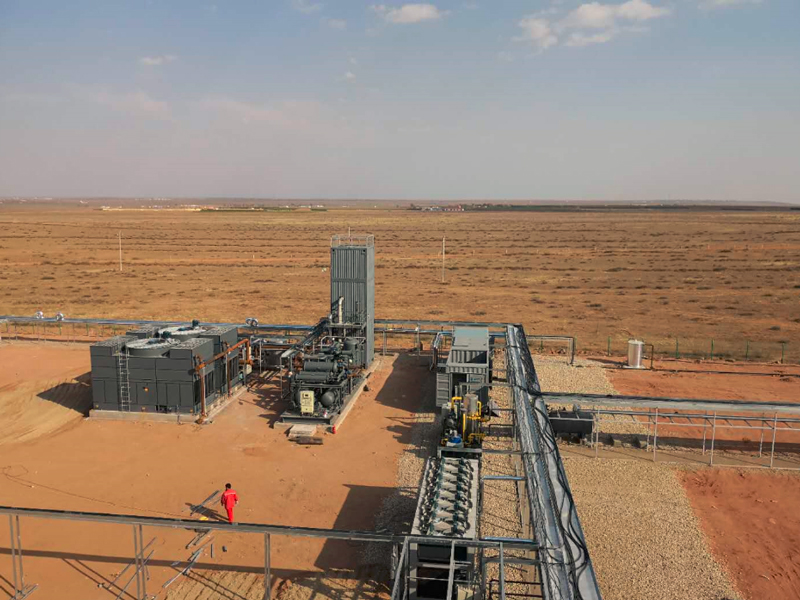
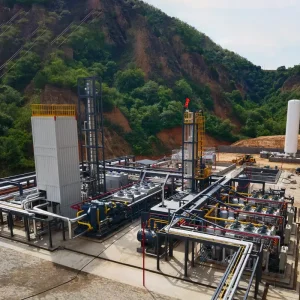
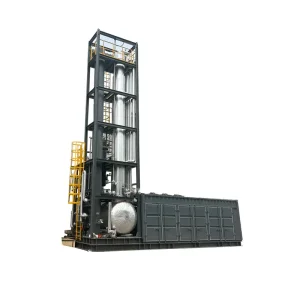
Efficient skid-mounted processing units for natural gas and shale gas purification.
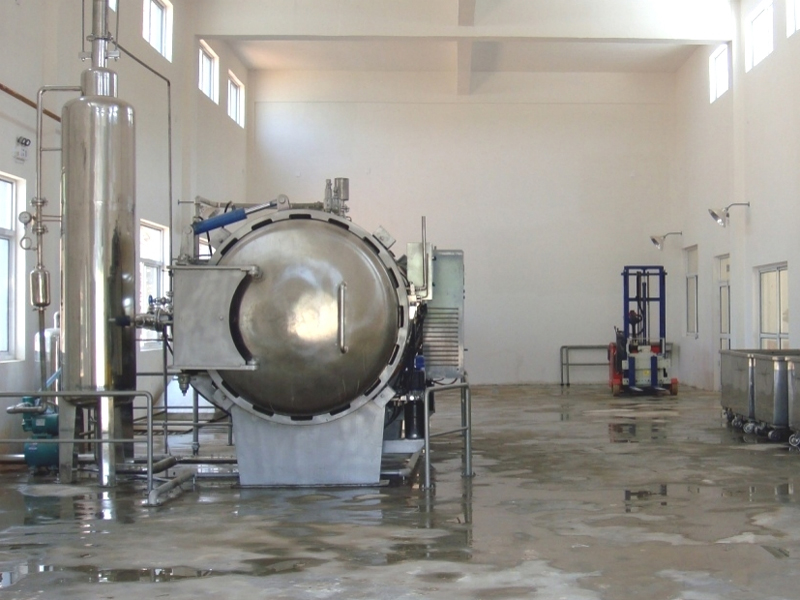
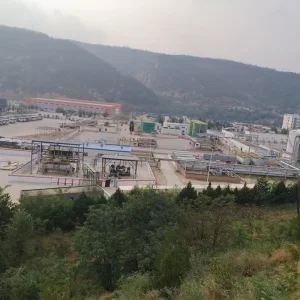
Large-capacity automated medical waste treatment centers utilizing centralized systems.
A look at modern engineering methods, stress analysis, and safety systems.
Proper sizing prevents pressure variations. We calculate thickness using standard formulas to ensure safety and long-term durability:
t = (P * R) / (S * E - 0.6 * P) + CA
Where: t = shell thickness, P = design pressure, R = inside radius, S = allowable stress value, E = joint efficiency, and CA = corrosion allowance.
We source certified boiler plates, including SA-516 Gr. 70 for carbon steel setups and SS304/SS316L for clean gas or corrosive applications. Welding quality is verified through non-destructive testing (NDT), including radiographic (RT) and ultrasonic (UT) inspections.
Our manufacturing processes follow strict quality standards, including GB/T19001-2016 (ISO 9001), Sinopec HSSE, and China Petroleum health and safety management systems. Each vessel is shipped with official material traceability reports and hydro-test certificates.
Technical guidance and design recommendations from our engineering team.
Exploration of our skid-mounted purification designs and exhaust gas recovery systems
Our manufacturing workshops, testing systems, and high-pressure assembly processes.
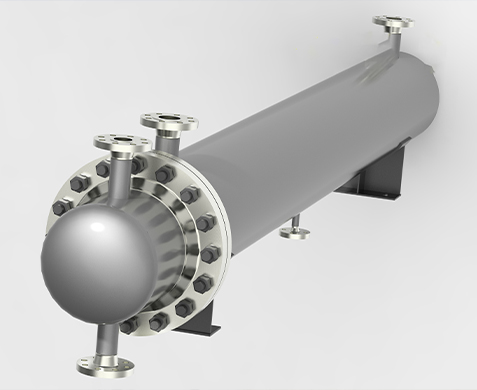
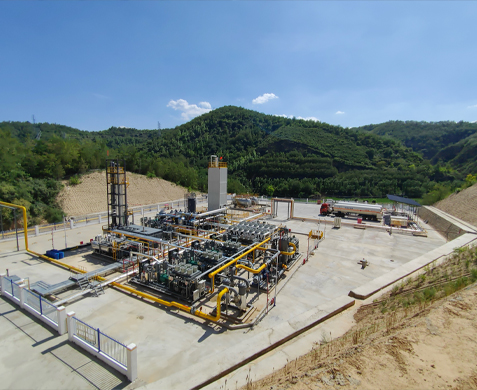
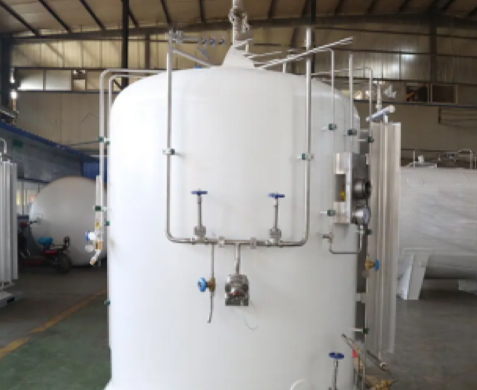
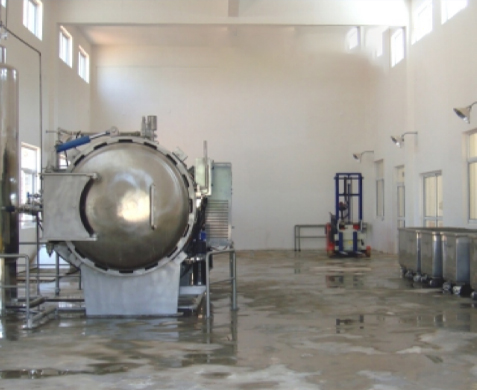
Our engineering team is ready to assist with sizing calculations, material recommendations, and compliance evaluations for your pressure vessel or skid-mounted system requirements.
Office Location: Sanhe Economic Development Zone, Langfang City, Hebei, China
Engineering Standards: ASME Section VIII Div. 1, CE/PED, GB 150
 Hongke Qingneng