Bridging thermodynamic research from the Chinese Academy of Sciences (CAS) with global industrial thermal demand, delivering high-efficiency hot stoves, custom pressure vessels, and cryogenic purification solutions.
Established in June 2021 with a robust registered capital of 78 million yuan, Hebei Hongke Qingneng has rapidly ascended to the pinnacle of the industrial energy conservation and environmental protection sector. Located within the Sanhe Economic Development Zone, Langfang City, our state-of-the-art manufacturing facility sits at the heart of China’s advanced engineering corridor.
We specialize in the complex design, safety certification, and precision fabrication of A2-level non-standard pressure vessels, high-efficiency hot air stoves (hot blast heaters), medical and laboratory waste decontamination units, bio-wastewater sterilization modules, and modular skid-mounted assemblies. Our technological footprints extend to natural gas, coalbed methane (CBM), and shale gas purification/liquefaction, VOC abatement, chemical tail-gas processing, and ultra-low temperature industrial refrigeration.
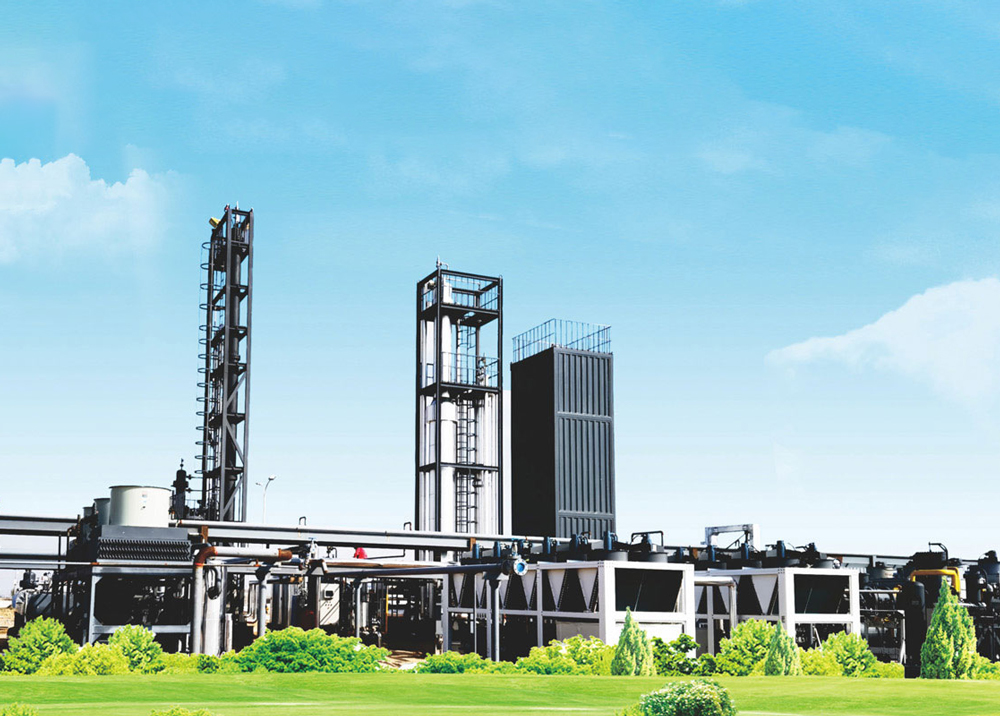
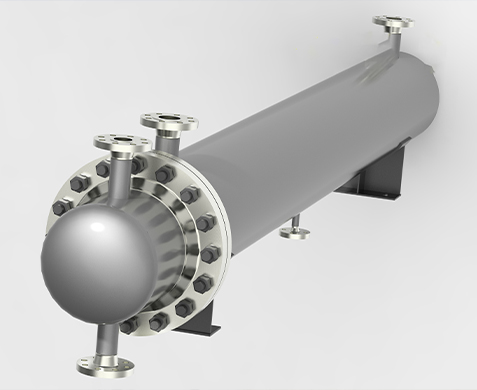
From advanced shell and tube heat exchangers to high-output hot blast stoves, our thermal solutions are engineered to achieve up to 95% thermal recovery efficiency, dramatically shrinking the carbon footprint of global process plants.
Our industrial thermal systems are designed and overseen by renowned Chinese thermodynamic scholars and national-level senior engineers, ensuring every system outperforms standard market baselines.
Ph.D. from the Institute of Physics and Chemistry Technology, Chinese Academy of Sciences (CAS). National Senior Engineer. Dr. Sun has pioneered critical energy conversion algorithms and cryogenic systems under the National 863 Program and major aerospace initiatives. Winner of the First Prize of Science and Technology of China Coal Industry (2013) and Special Prize of Technological Invention of Chinese Society of Refrigeration (2015).
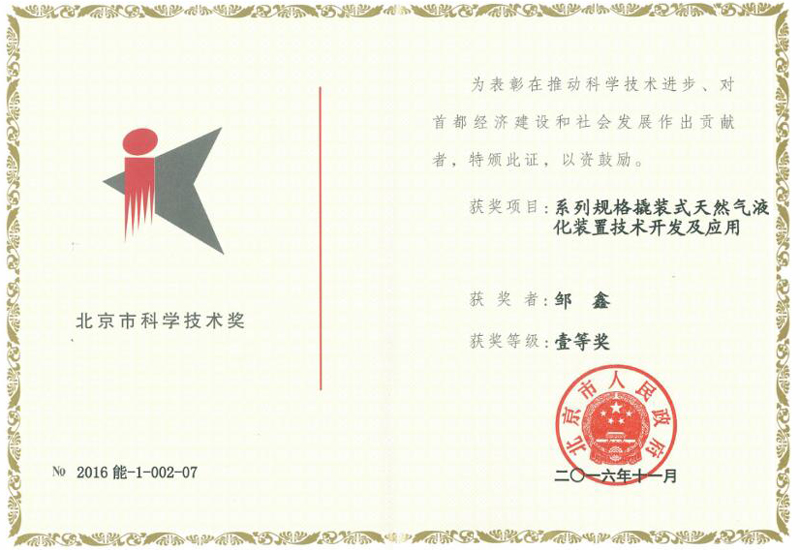
Ph.D. Candidate & Senior Engineer at the Institute of Physics and Chemistry Technology, CAS. He has directed several National Major Science and Technology Projects, publishing 24 international papers (11 indexed in SCI/EI). Dr. Zou specializes in multi-stage VOC purification, low-emission combustion optimization, and industrial gas purification logistics.
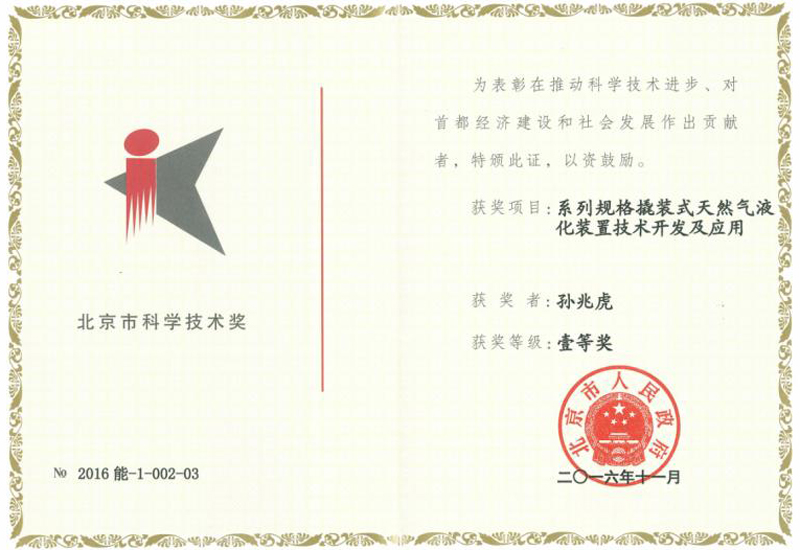
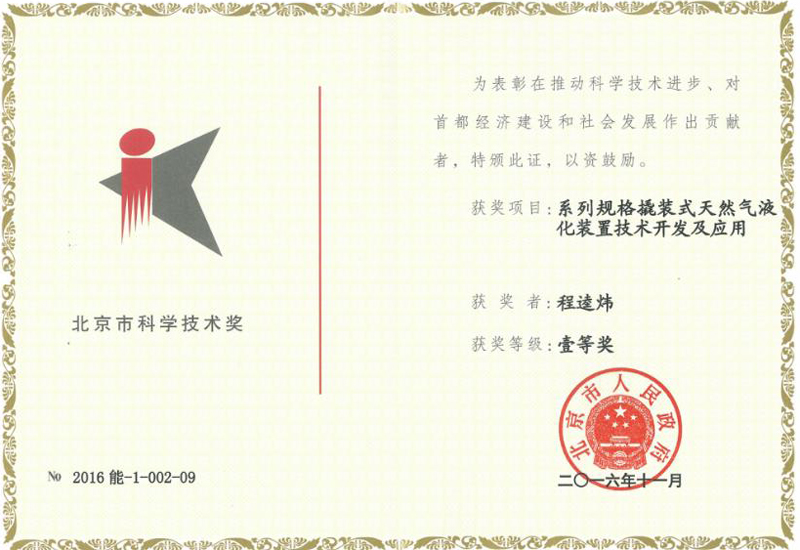
Doctor of Engineering, CAS. Renowned expert in skid-mounted natural gas liquefaction systems. Recipient of the Special Prize of Chinese Refrigeration Society and First Prize of Beijing Science & Technology Award. His breakthrough research focuses on complex fluid phase changes, gas thermal dynamics, and high-efficiency heat exchangers for industrial hot blast stoves.
As global process industries shift towards decarbonization and strict emission standards, industrial hot blast stoves and high-temperature thermal exchangers are undergoing radical technological upgrades.
Modern hot blast stoves must operate within strict NOx and SOx parameters. By utilizing gas-recirculation technologies and advanced fuel-air proportional mixing control, we achieve complete fuel utilization and mitigate carbon soot generation.
Transitioning from traditional coal to natural gas, biomass, shale gas, and hydrogen blends. The design of our combustion chambers allows seamless multi-fuel swapping to protect chemical operations from energy supply volatility.
Integration of PLC/DCS automation. Real-time temperature control, automated flue-gas monitoring, and remote thermal balance calculation ensure that the hot stove operates under optimized heat-exchange conditions.
EPCC (Engineering, Procurement, Construction, and Commissioning) firms require absolute safety compliance, standard modular assemblies (skids) for minimal on-site installation time, and verified fatigue lives for heat exchangers. They prioritize manufacturers holding recognized pressure certifications (ASME Sec VIII, PED, GB 150) and verified academic backings that promise reliable thermodynamic modeling prior to physical steel fabrication.
How we integrate industrial hot air stoves with recovery networks, gas liquefaction, and bio-contamination treatment facilities for optimized utility distribution.
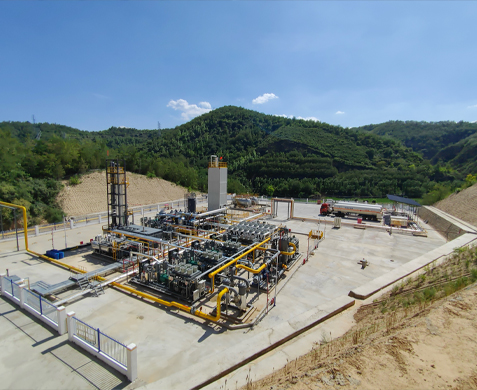
Utilizing advanced cryogenics (operating from -40°C down to -180°C), our skid-mounted units allow gas extraction in remote wells. High-pressure heat exchangers and separation vessels ensure clean deacidification, dehydration, and heavy hydrocarbon removal prior to methane cooling. Hot stoves are frequently integrated to supply thermal energy to regenerators within molecular sieve beds and amine scrubbers.
For laboratory biological waste and medical clinics, we design and manufacture pressurized high-temperature steam sterilization systems and alkaline carcass hydrolysis vessels. These systems guarantee complete neutralization of pathogens and bio-toxins under controlled thermal cycles.
We have delivered more than 50 complex engineering projects throughout China, earning recognized authority status from industry peers.
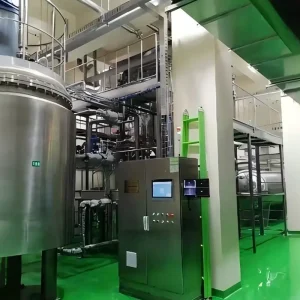
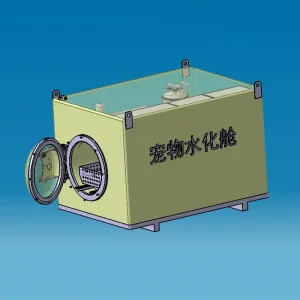
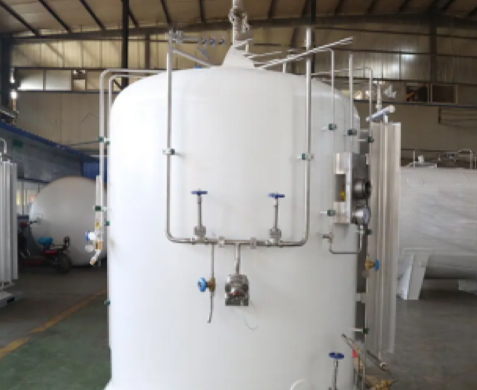
High-pressure containment system designed for bio-hazard animal tissue processing.
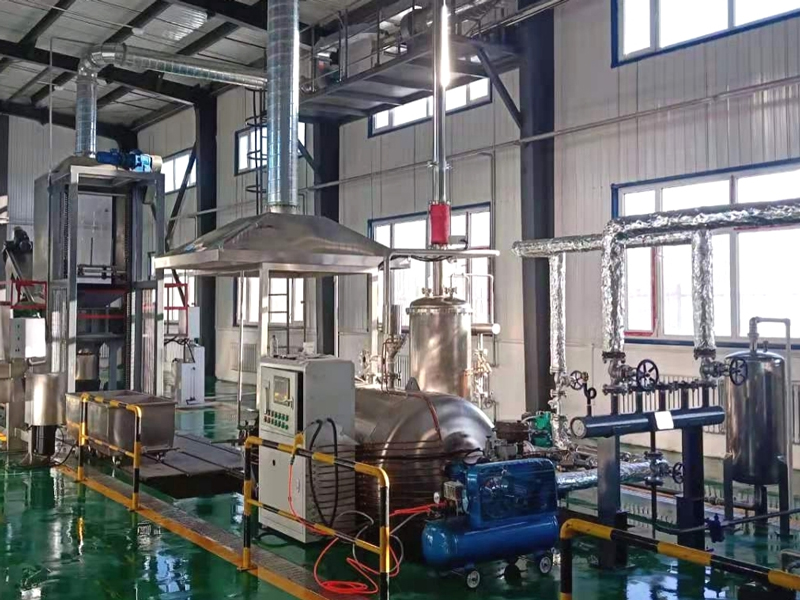
Skid-mounted emergency containment autoclave for mobile hospital application.
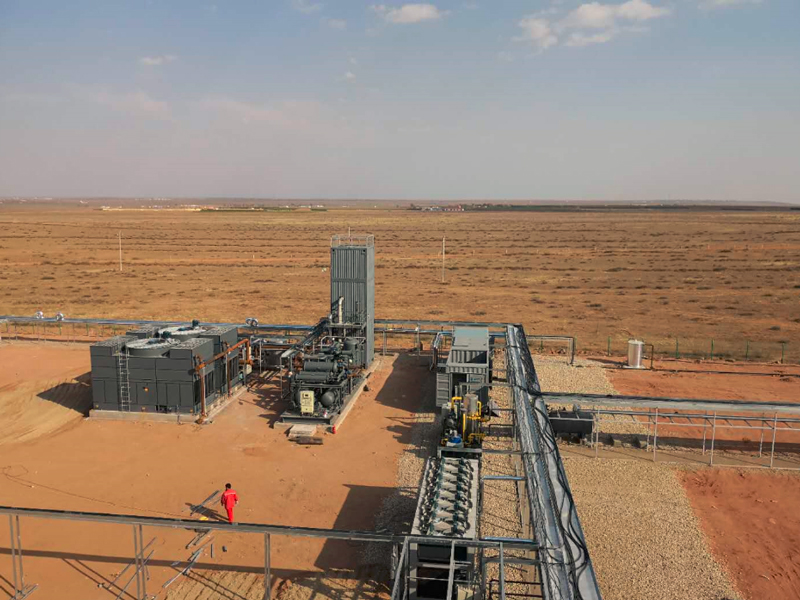
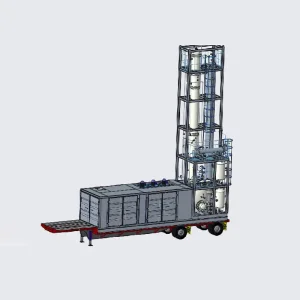
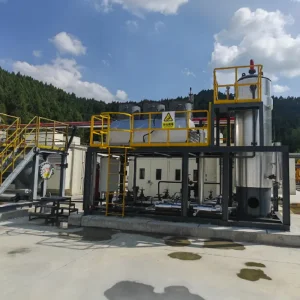
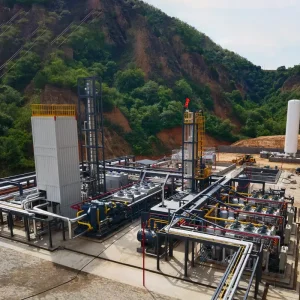
Decentralized skid-mounted liquefaction installation operating in remote oilfields.
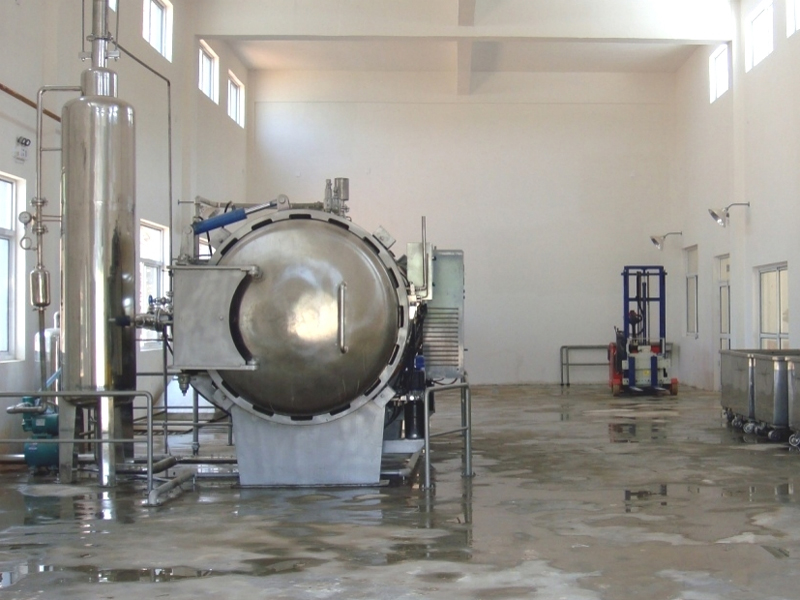
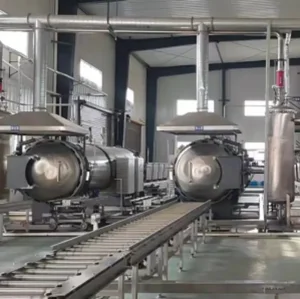
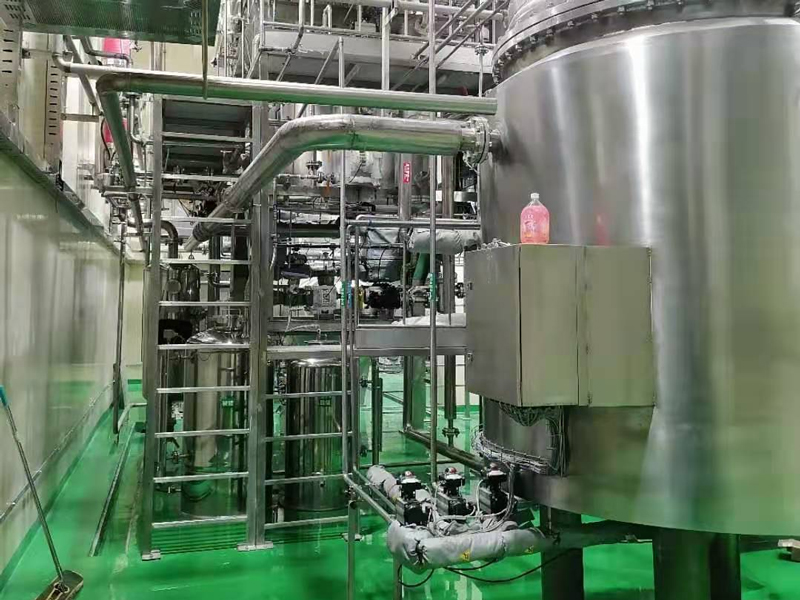
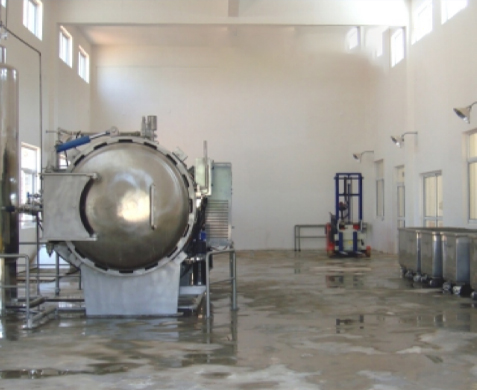
Continuous high-throughput medical waste steam sterilization facility.
Pioneering the next boundary of sub-ambient separation and green combustion architecture.
Developing 100% hydrogen-ready hot stoves for carbon-neutral processing, avoiding heat capacity losses through dynamic combustion nozzles.
Scaling up BOG (Boil-Off Gas) recovery and low-temperature high-purity helium distillation systems, reducing national import dependence.
Perfecting liquid hydrogen temperature storage boundaries (-253°C) and multi-stream plate-fin heat exchangers for high pressure applications.
Find immediate technical answers regarding custom fabrication, heat performance, and safety certifications for hot stoves and pressure vessels.
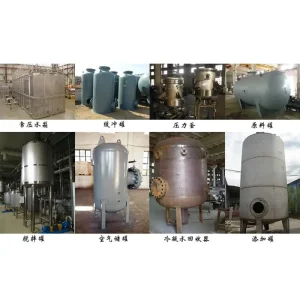
Our design and production comply strictly with GB 150 (Chinese National Pressure Vessel Standard) and ASME Section VIII Div 1 & 2. We regularly manufacture using SA516 Gr.70, Stainless Steels (SS304, SS316L), and Duplex Alloys (2205). Our facilities hold A2 Pressure Vessel Licenses, ensuring complete radiography, ultrasonic testing, and hydrostatic stress analysis before dispatch.
Traditional pipeline-based natural gas transport is economically unfeasible for low-yield gas fields or remote shale deposits. Our skid-mounted LNG system integrates deacidification, dehydration, heavy hydrocarbon separation, and liquefaction on a single mobile skid. This drastically reduces field installation time, allows rapid relocation, and captures flared gas to generate revenue.
By combining computational fluid dynamics (CFD) designed by our CAS research partners with custom shell-and-tube configurations, we prevent thermal dead zones. Heat recovery networks recycle flue gases to preheat incoming combustion air, ensuring up to 92-95% efficiency, while reducing the overall thermal stress on the stove structural steel.
Our systems meet all regional and global environmental requirements, achieving complete pathogen neutralization (6-Log10 reduction of Geobacillus stearothermophilus spores). We provide integrated shredders, high-efficiency particulate air (HEPA) exhaust filtration, and active automated cycle loggers for regulatory compliance.
Our multi-stage purification equipment integrates deep-condensation, carbon adsorption, and regenerative thermal oxidizers (RTO) or catalytic oxidizers (CO). This hybrid design recovers useful heavy hydrocarbons while burning off trace volatile organic compounds, yielding an output stream that meets stringent environmental air pollution laws.
Virtual video audits and physical on-site inspections are welcome.
Whether you require a custom A2-class pressure vessel design, a high-efficiency hot blast stove calculation, or a complete skid-mounted LNG process roadmap, our Academy-backed engineering team is prepared to guide your project.
 Hongke Qingneng