Advanced Industrial Equipment Configured to Strict Global Safety and Operations Standards
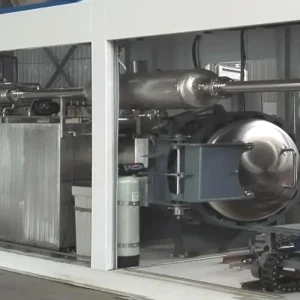
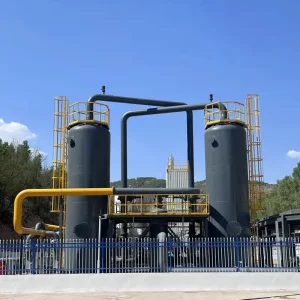
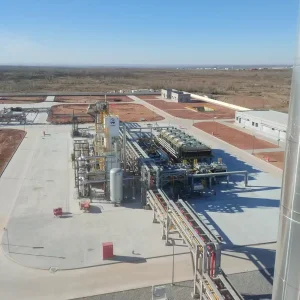
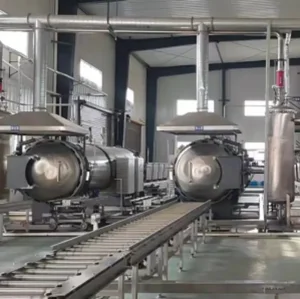
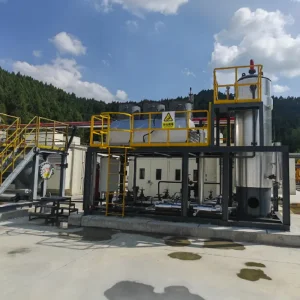
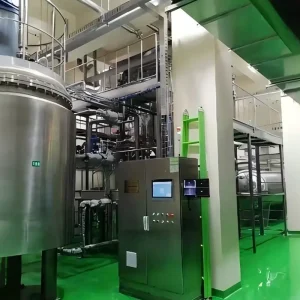
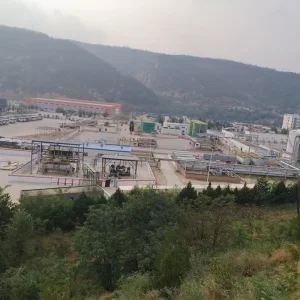
In the modern petrochemical, natural gas, and heavy manufacturing sectors, pressure vessels serve as the foundational containment units for complex thermodynamic and chemical reactions. Whether separating raw crude fractions, managing volatile gases under cryogenic temperatures, or processing high-pressure steam, the integrity of these systems is non-negotiable. An oil pressure vessel represents a meticulously engineered mechanical boundary designed to withstand internal or external forces exceeding ambient atmosphere limits.
Globally, the transition to deeper extraction fields, complex associated gas recovery, and tightening emission regimes (including methane containment and volatile organic carbon reduction) has transformed pressure vessel manufacturing. Standard configurations no longer suffice. Project engineering teams require customized, non-standard vessels capable of running uninterrupted under severe cyclic loading, hydrogen embrittlement environments, and high-corrosion sweet or sour gas streams. For major capital projects, selection of a pressure vessel manufacturing partner must be based on verifiable empirical evidence, institutional engineering expertise, and strict compliance with national and international codes.
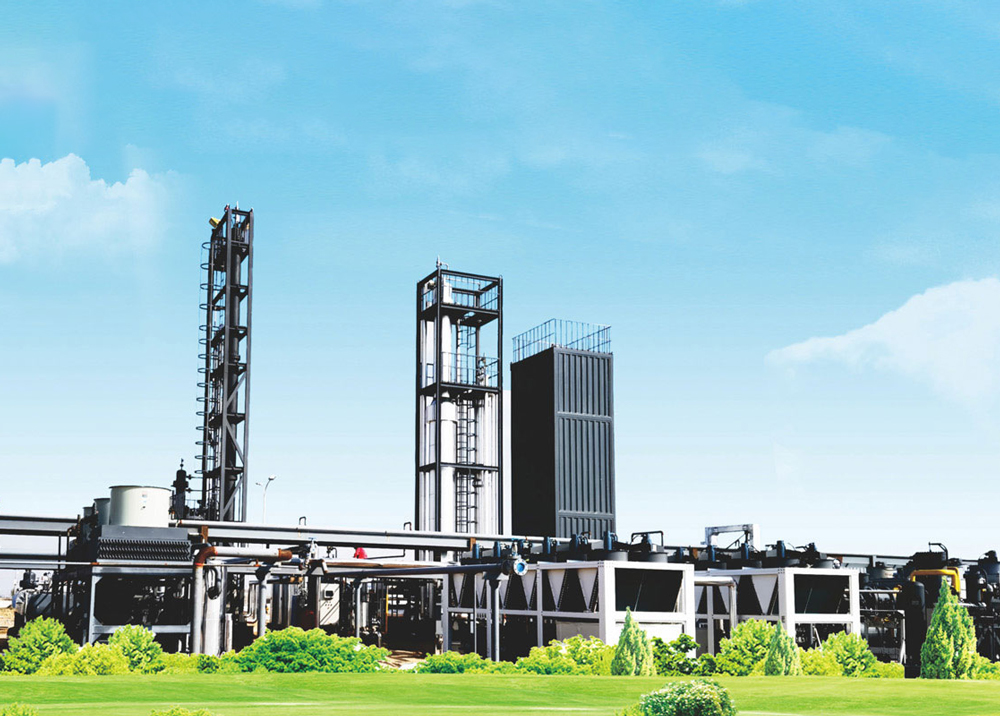
Hebei Hongke Qingneng Environmental Protection Equipment Co., Ltd. was established in June 2021, operating out of a state-of-the-art industrial base located in the Sanhe Economic Development Zone, Langfang City. Backed by a registered capital of 78 million yuan, the company operates at the intersection of thermal science, materials engineering, and environmental containment. Unlike typical commercial metal fabrication shops, Hebei Hongke Qingneng’s manufacturing methodologies originate from high-level academic research, utilizing processes validated by top scientific institutions in China, including Tsinghua University and the Institute of Physics and Chemistry Technology, Chinese Academy of Sciences (CAS).
Our scientific foundation drives our development of skid-mounted environmental systems, low-temperature liquefaction devices, and specialty non-standard pressure vessels. The company holds numerous independent intellectual property patents, transforming theoretical thermodynamic equations into highly resilient industrial assets. This academic synergy ensures that thermal exchange rates, fluid dynamic limits, and weld fatigue projections are modeled to the absolute limits of safety and performance before fabrication begins.
Holding a PhD from the Institute of Physics and Chemistry Technology, Chinese Academy of Sciences (CAS). National Senior Engineer. Presided over the National 863 Program, natural science foundation projects, and aerospace engineering systems. Awarded the Special Prize of Technological Invention of Chinese Society of Refrigeration (2015).
Senior Engineer of the Institute of Physics and Chemistry Technology, CAS. Head of commercial and market scale-up operations. Author of 24 international and domestic academic papers (11 SCI/EI indexed) and holder of 5 national invention patents. Recipient of the Beijing Science and Technology Award.
Doctor of Engineering from CAS. Leading developer of skid-mounted natural gas liquefaction systems. Renowned expert in phase change heat transfer mechanisms and multi-component mixed working medium flow characteristics. Leads design protocols for bespoke industrial environmental rigs.
Industrial operations globally are undergoing a massive technical shift toward modularity, carbon abatement, and process integration. We design and deliver custom pressure vessels and purification skids that satisfy these strict environmental and performance requirements across several key sectors:
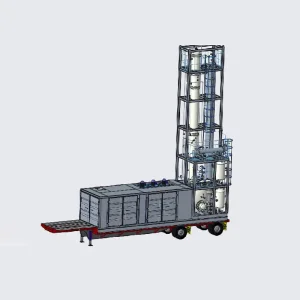
Skid-mounted purification systems (deacidification, dehydration, heavy hydrocarbon extraction) and localized liquefaction packages optimized for coalbed methane, shale gas, and scattered well-head associated gas recovery.
Industrial VOC exhaust treatment systems and chemical tail gas processing solutions designed to capture volatile fractions and achieve complete compliance with modern emissions regulations.
Deep industrial refrigeration units (-40 °C to -180 °C), vacuum cold traps, and BOG (Boil-Off Gas) helium extraction systems utilizing advanced thermodynamic principles developed in CAS labs.
Our solutions target standard configurations as well as specialized, custom environments. For example, our desulphurisation plants employ dry and wet processes to remove corrosive sulfur compounds, preserving the operational lifespan of downstream pressure vessels and pipelines. Similarly, our skid-mounted assembly methods allow complete integration and factory testing before shipping, reducing on-site construction costs, commissioning timelines, and local installation risks.
Quality and mechanical integrity in pressure vessel manufacturing are defined by certifications, testing methodologies, and manufacturing quality control. Hebei Hongke Qingneng holds A2-level pressure vessel manufacturing licensing, pressure piping component manufacturing authorization, GB/T19001-2016 (ISO 9001:2015) quality management systems alignment, and Sinopec HSSE / China Petroleum Health, Safety, and Environment Management System certifications.
Our processing and manufacturing lines utilize state-of-the-art procedures to ensure exceptional quality across all vessel stages:
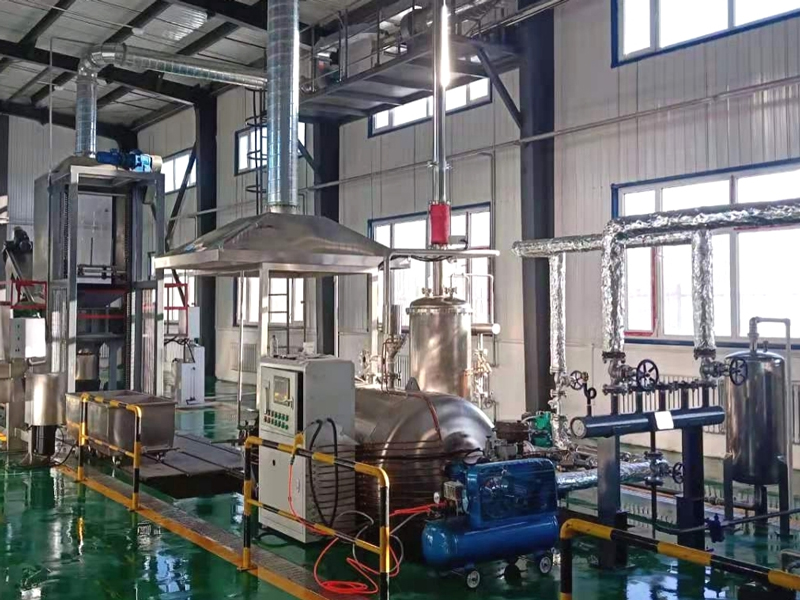
An important vertical of Hebei Hongke Qingneng is the design of specialized biological waste treatment systems. Our mobile and centralized medical waste high-temperature steam treatment equipment provides highly secure containment solutions. These systems utilize pressurized high-temperature steam to neutralize biohazardous materials, ensuring safety through automated controls and robust mechanical design.
Similarly, our high-temperature hydrolysis units for laboratory animal carcass disposal provide highly efficient biochemical degradation. By maintaining exact temperature and pressure control profiles, these vessels facilitate fast hydrolysis while ensuring no dangerous materials escape containment. The combination of thermal efficiency, leak-tight sealing, and corrosion-resistant alloys positions these systems as vital equipment for biosafety laboratories and centralized medical waste processing centers worldwide.
The global push toward carbon neutrality and hydrogen energy integration requires next-generation advancements in pressure vessel design. Our R&D roadmap focuses on:
Addressing Crucial Questions for Engineering Procurement Managers
Engineered for Longevity, Safety, and Compliance in Industrial Environments
 Hongke Qingneng