Engineered to withstand extreme environments, our advanced industrial vessels are customized to meet strict regulatory and operational specifications.
Established in June 2021 with a registered capital of 78 million yuan, Hebei Hongke Qingneng Environmental Protection Equipment Co., Ltd. has established itself as an advanced technology and engineering powerhouse in Langfang City. We are focused on the research, development, and high-precision manufacturing of energy conservation systems and environmental protection equipment.
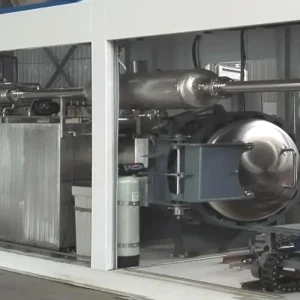
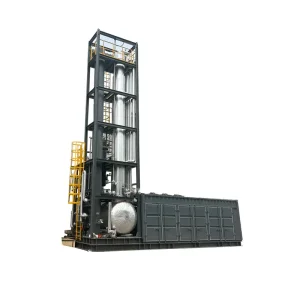
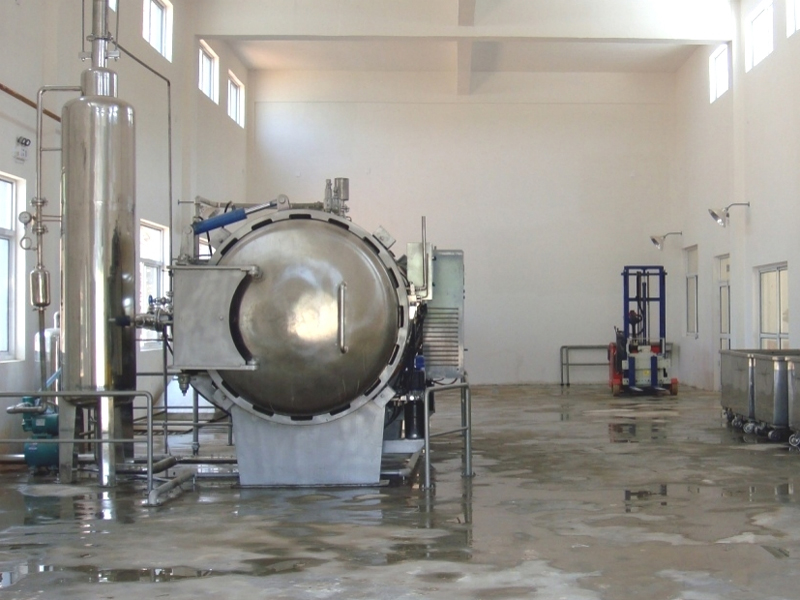
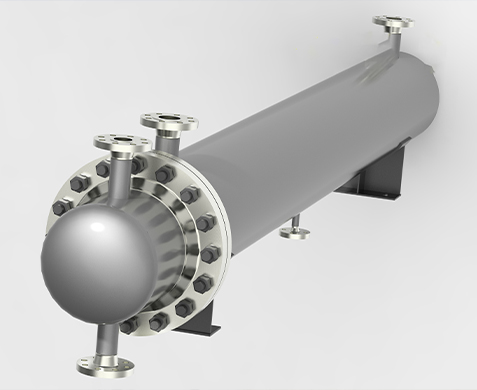
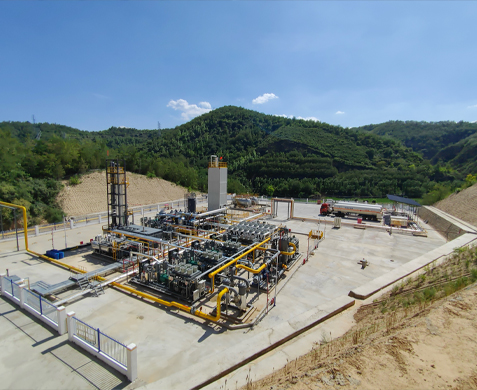
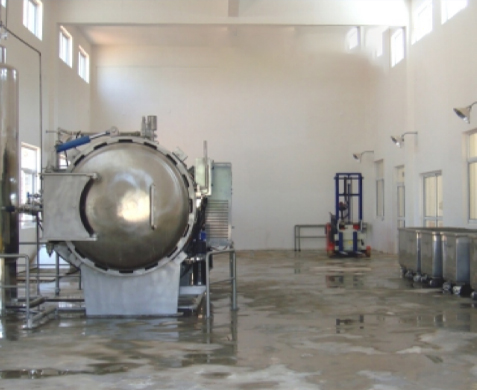
Our comprehensive production program includes Class A2 pressure vessels, biological and chemical wastewater sterilization systems, medical waste autoclave processors, skid-mounted gas purification modules, and deep cryogenic separation packages (including helium extraction and natural gas liquefaction plants).
Supported by a highly skilled R&D team and academic partnerships with Tsinghua University and the Chinese Academy of Sciences (CAS), we hold numerous design and utility patents, offering engineering solutions that balance environmental efficiency with strict regulatory compliance.
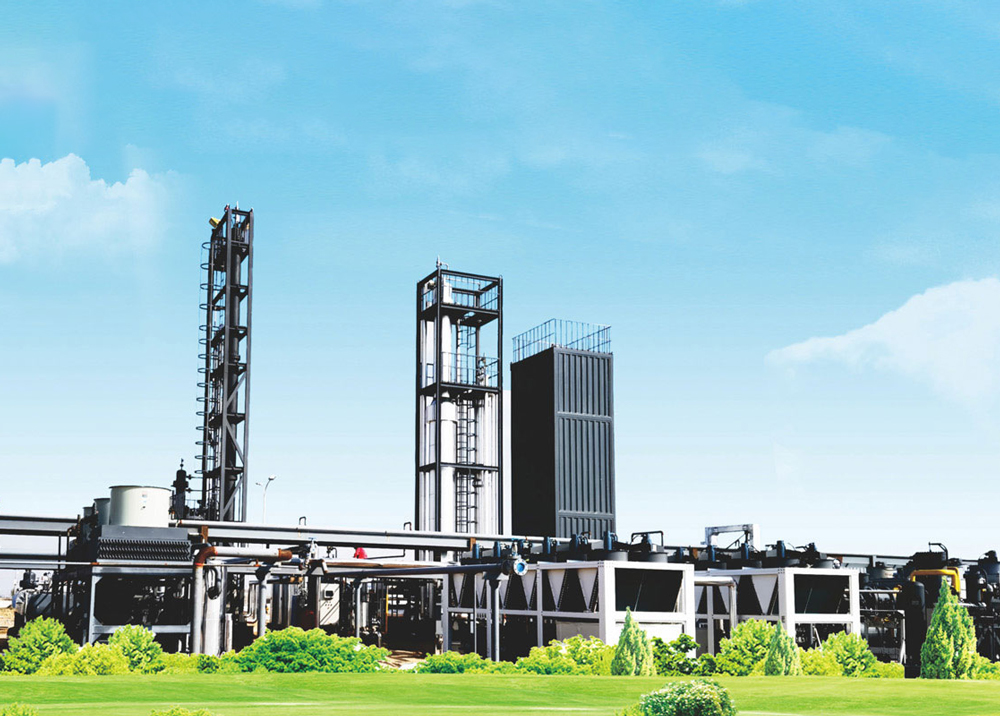
Combining advanced manufacturing processes with academic partnerships to deliver high-performance solutions for global projects.
Our core R&D team features specialists from Tsinghua University and the Institute of Physics and Chemistry Technology, CAS. We hold proprietary patents in cryogenic liquefaction, gas separation, and thermal treatment processes.
We operate with Class A2 pressure vessel manufacturing licenses and pressure piping component authorizations. Our facilities are certified to GB/T19001-2016 (ISO 9001), Sinopec HSSE, and CNPC health, safety, and environmental standards.
We support carbon reduction initiatives by engineering recovery units for natural gas and coalbed methane, helping mitigate industrial emissions and recover valuable gas resources globally.
An in-depth look at stress analysis, material science, and thermo-mechanical processing for pressure containment systems.
Modern pressure vessels must operate reliably under cyclic pressure and thermal loads. Our engineering team utilizes custom Finite Element Analysis (FEA) models to evaluate high-stress areas, such as nozzle-to-shell junctions and conical transitions.
By simulating transient thermal conditions and structural stress profiles, we design vessels that minimize stress concentration, helping prevent premature fatigue cracking and ensuring safe operations in petrochemical and cryogenics projects.
Handling corrosive gases like H2S, CO2, and wet hydrocarbons requires careful material selection. We use high-alloy steels, dual-phase stainless steels (e.g., Duplex 2205), and custom clad configurations designed to resist hydrogen-induced cracking (HIC) and sulfide stress cracking (SSC).
Our welding processes—including submerged arc welding (SAW) and gas tungsten arc welding (GTAW)—undergo strict Post-Weld Heat Treatment (PWHT) to relieve residual stresses and restore toughness in the heat-affected zone (HAZ).
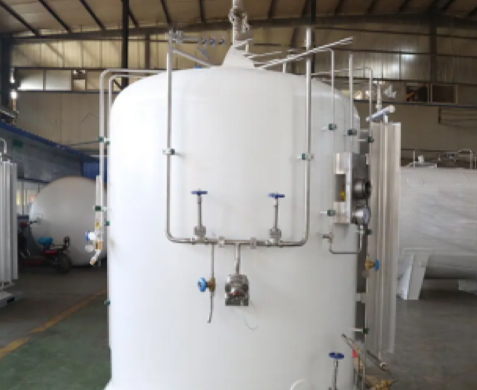
Our skid-mounted liquefaction equipment operates at low temperatures down to -196°C. Maintaining thermal efficiency at these extremes requires high-vacuum insulation panels and specialized low-conductivity support struts.
Using helium mass spectrometer leak detectors, we test the seal integrity of our vacuum systems down to leak rates of less than 1x10⁻⁹ Pa·m³/s, protecting the insulation performance and minimizing gas boil-off.
Led by doctors and senior engineers from the Chinese Academy of Sciences (CAS), driving technical innovation in energy conservation and cryogenic engineering.
Dr. Sun holds a PhD from the Institute of Physics and Chemistry Technology, CAS, and is a designated National Senior Engineer. He has led various national initiatives, including the National 863 Program and natural science research projects. He has received multiple science awards, including the first prize of the Beijing Science and Technology Award.
A PhD candidate and Senior Engineer at the Institute of Physics and Chemistry Technology, CAS, Dr. Zou has managed municipal and industrial research projects for over a decade. He has published 24 peer-reviewed academic papers (including 11 in SCI/EI databases) and holds multiple patents in thermodynamics and system integration.
Dr. Cheng received his Doctor of Engineering from the Institute of Physics and Chemistry Technology, CAS. He is an expert in phase change heat transfer and mixed working medium flow characteristics. He has led the development and implementation of multiple skid-mounted LNG units and heavy-duty gas recovery plants.
Our solutions span gas treatment, medical waste processing, cryogenic refrigeration, and customized process vessels.
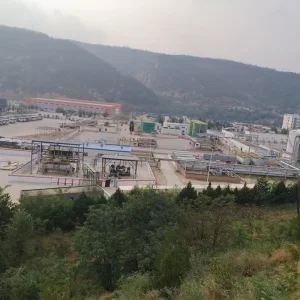
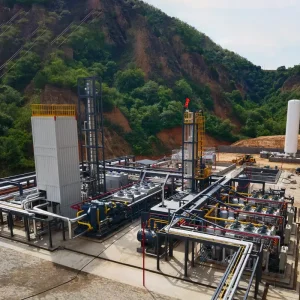
Explore some of our completed installations, operating under demanding industrial conditions globally.
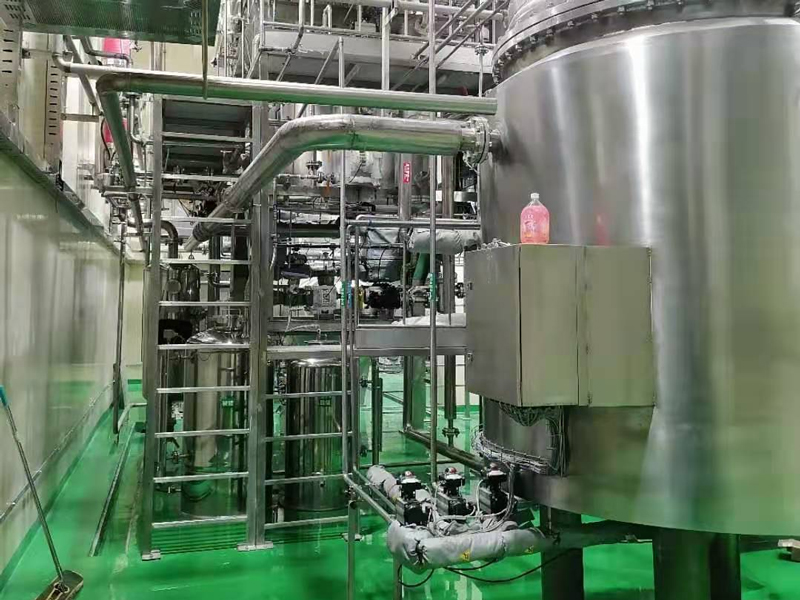
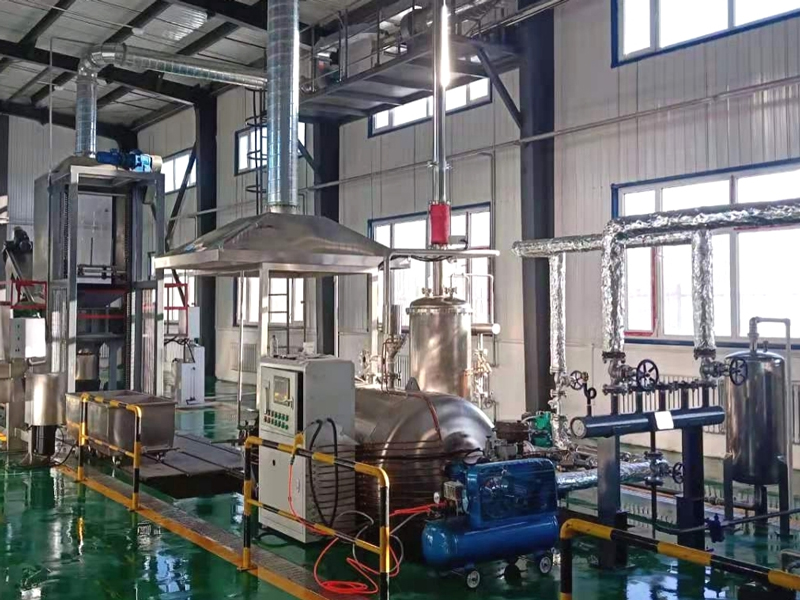
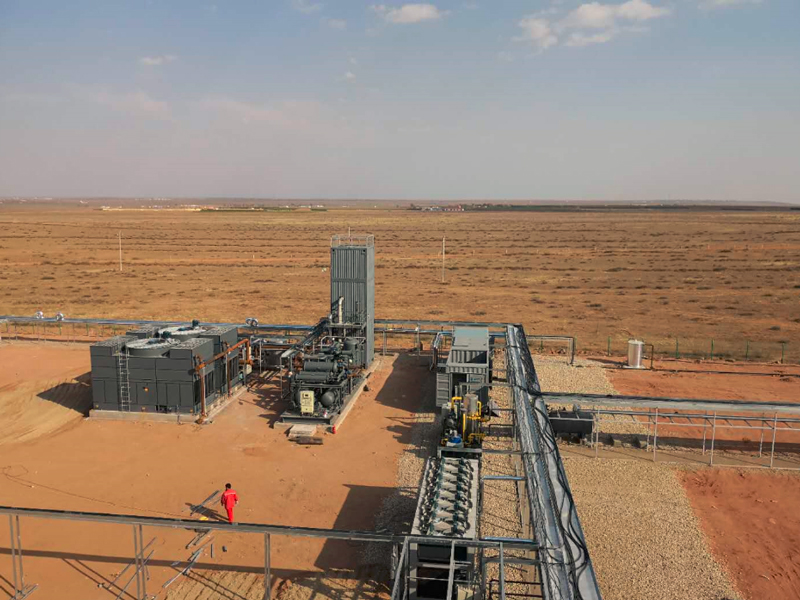
Expert answers to common engineering questions regarding custom pressure vessels, gas purification, and environmental compliance.
Explore our engineering capabilities across customized pressure vessels, mobile treatment units, and gas recovery skids.
Discuss your process requirements with our technical specialists. We offer design support and customization for specialized pressure vessels and skid-mounted purification systems.
Submit Engineering Inquiry Hongke Qingneng